

Garlic Shrimp with Cauliflower Puree Recipe
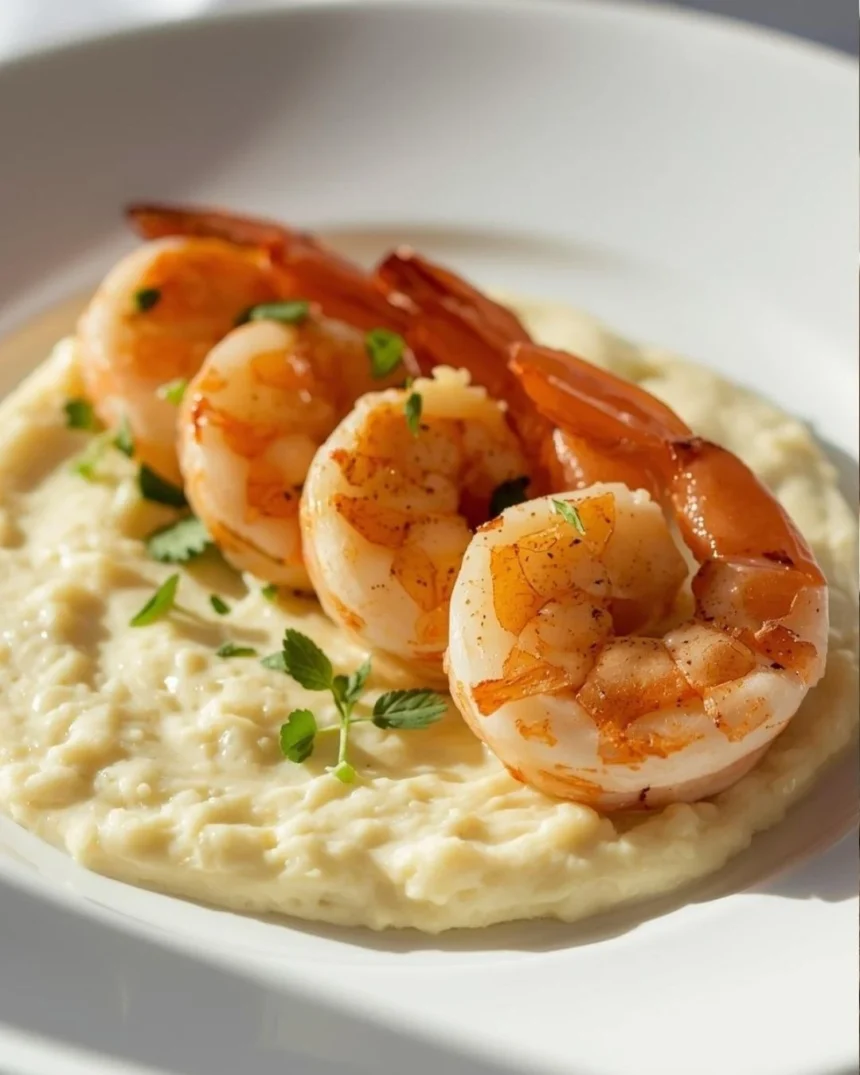
This dish combines the intensity of well-prepared garlic shrimp with the smoothness and creaminess of a healthy cauliflower puree. Ideal for those seeking a marine touch without giving up a light and flavorful preparation. The mix of garlic and the citrus touch enhances the flavor of the seafood while the puree provides texture and nutritional balance.
- Garlic Shrimp with Cauliflower Puree Recipe
- Preparation time
- Ingredients
- Utensils we will use
- Preparation
- Nutritional Information
- 5 tips to make your garlic shrimp with cauliflower mash perfect
- 3 tricks that help elevate the flavors of your garlic shrimp with cauliflower mash
- 4 common mistakes and how to avoid them in the garlic shrimp with cauliflower mash recipe
- When is it ideal to enjoy garlic shrimp with cauliflower mash?
- Comparative table between garlic shrimp with cauliflower mash and similar recipes
- Frequently asked questions about garlic shrimp with cauliflower mash
- Share your experience with garlic shrimp with cauliflower mash
- Culinary glossary for garlic shrimp with cauliflower mash
Preparation time
The specified times will allow you to enjoy this fresh dish without complications.
- Preparation: 15 minutes
- Cooking: 15 minutes
- Total: 30 minutes
- Servings: 4
- Difficulty: Easy
Ingredients
For the garlic shrimp
- 500 g of fresh shrimp, peeled and deveined
- 6 cloves of minced garlic
- 1/4 cup of olive oil
- 1/2 cup of white wine dry
- Juice and zest of 1 lemon
- 1/4 cup of fresh chopped parsley
- Salt y pepper to taste
For the cauliflower mash
- 1 head medium cauliflower
- 1 cup of milk, can be cow's or plant-based (almond or coconut)
- 1 tablespoon of butter or olive oil
- Salt y pepper to taste
If you don't have fresh cauliflower, you can use frozen cauliflower, previously thawed and well drained. Instead of white wine, you can substitute chicken broth or seafood broth to maintain the flavor in the garlic shrimp recipe.
Utensils we will use
- Medium or large frying pan
- Pot for cooking the cauliflower
- Strainer
- Knife and cutting board
- Wooden spoon or spatula
- Mixing bowl
- Food processor or blender (optional for the puree)
Preparation
1. Prepare the cauliflower mash
- Wash the cauliflower: Separate the cauliflower into florets and rinse well under the tap to remove any dirt or impurities.
- Boil the cauliflower: In a pot with salted water, cook the cauliflower over medium-high heat until tender, this can take around 10-12 minutes. A well-cooked cauliflower can be easily pierced with a fork.
- Drain and process: Using a colander, drain the cauliflower, keeping it warm. If you want a creamier puree, use a blender or food processor with the cauliflower, milk, and butter. If you don't have this equipment, you can mash it with a potato masher or fork, mashing while it's still hot to avoid lumps.
- Season: Add salt and pepper to taste and mix well. Keep warm.
2. Prepare the garlic shrimp
- Clean the shrimp: Make sure the shrimp are peeled and deveined. Wash with cold water and pat dry with paper towels so they don't release water during cooking.
- Process the garlic: Finely chop the garlic cloves or slice them thinly to release more aroma.
- Heat the pan: In the pan over medium heat, add the olive oil and butter. Let the butter melt without burning.
- Sauté the garlic: Add the chopped garlic and sauté until it starts to release aroma, without letting it brown to avoid a bitter taste.
- Add the wine: Pour in the white wine and cook for about 2 minutes to evaporate the alcohol. If you notice a bitter taste in the sauce, reduce the heat slightly and let it evaporate more slowly.
- Cook the shrimp: Place the shrimp in a single layer and cook for 2-3 minutes on one side until they change color and start to curl. Flip and cook for another couple of minutes. It is essential not to overcook them so they remain juicy and not rubbery.
- Add lemon and parsley: Add the lemon juice and zest along with the chopped parsley. Adjust salt and pepper to taste and mix quickly to integrate flavors.
To finish and serve
Serve the hot garlic shrimp over a generous bed of cauliflower mash. The combination of the smooth mash with the intense and aromatic flavor of the garlic will highlight every bite. To accompany, you can add some slices of crusty bread or a fresh salad that contrasts with the creamy texture. This dish is an excellent healthy option in the category of healthy cooking that takes advantage of seafood fresh and nutritious vegetables.
Nutritional Information
- Calories: 350 kcal
- Proteins: 32 g
- Fats: 18 g
- Carbohydrates: 9 g
- Fiber: 3 g
Nutritional values are approximate per serving and may vary depending on the specific ingredients used.
5 tips to make your garlic shrimp with cauliflower mash perfect
Good preparation starts from the quality of the shrimp to the meticulous control of cooking and seasoning. Here are details explained to get it right at each stage:
- Use fresh shrimp: Freshness is key. When buying shrimp, prefer those with a neutral smell and no black spots, to avoid unpleasant flavors.
- Dry the shrimp well before cooking: If they are wet, the oil will splatter and cooking will be uneven. A dry shrimp browns better and absorbs more of the garlic flavor.
- Do not overcook the shrimp: Cooking beyond 4-5 minutes total hardens them and makes them rubbery. Observe that they change to an opaque pink tone and curl slightly to know they are ready.
- Control the temperature in the pan: Cook over medium heat to prevent the garlic from burning, which would make the dish bitter. A creamy sauce depends on gentle and controlled cooking.
- Add the lemon at the end: The acid should enhance the sauce without masking the flavor of the garlic or the wine. Incorporate the lemon just before removing the shrimp.
3 tricks that help elevate the flavors of your garlic shrimp with cauliflower mash
Beyond the basic ingredients, small details make a difference when cooking this dish.
- Quick pre-marinade: Leave the shrimp for about 20 minutes with minced garlic, a little salt, and lemon before cooking them to enhance their natural flavor.
- Cayenne pepper or crushed chili: For a subtle spicy touch that enhances the dish without overpowering the garlic, add a small pinch with the garlic when cooking.
- Use a good dry white wine: The quality of the wine transforms the dish's profile. If you don't have wine, fish or chicken broth adds depth without alcohol, similar to alternatives in recipes like garlic shrimp with citrus couscous.
4 common mistakes and how to avoid them in the garlic shrimp with cauliflower mash recipe
Detecting common mistakes ensures an optimal result. Here are the main ones and their solutions:
- Cooking pre-cooked shrimp: Avoid using already cooked shrimp, as they will not absorb the flavors and will turn out dry. Use fresh raw shrimp for the best texture and flavor.
- Burning the garlic: Burnt garlic releases a bitter taste that ruins the dish. Cook the garlic over low heat and remove from heat before it turns dark.
- Adding the lemon too early: Acid can cook and toughen shrimp if added too soon. Incorporate it just once cooking is finished.
- Using undercooked cauliflower in the puree: A puree with hard or lumpy cauliflower should be avoided. Cook the cauliflower well and process it while still hot to obtain the perfect creamy texture.
When is it ideal to enjoy garlic shrimp with cauliflower mash?
This dish is an excellent option for light dinners or special weekday lunches that don't require much time but do offer a flavorful main course. It also works well for family occasions or informal gatherings where the goal is to eat healthy without losing the gourmet touch. Its combination of seafood proteins and vegetables makes it appropriate for those looking for options of healthy cooking with fresh ingredients and low calories. Cauliflower puree is an ally for those who wish to avoid refined carbohydrates, nutritionally balancing the preparation.
Comparative table between garlic shrimp with cauliflower mash and similar recipes
| Recipe | Key ingredients | Difference/advantage |
|---|---|---|
| Garlic shrimp with cauliflower puree | Shrimp, garlic, cauliflower | Healthy combination, creamy puree instead of potatoes or rice |
| Traditional Garlic Shrimp | Shrimp, garlic, white wine | Classic version without creamy accompaniment |
| Garlic Shrimp with Citrus Couscous | Shrimp, garlic, couscous | Different texture with citrus touch in couscous |
| Teriyaki Shrimp | Shrimp, teriyaki sauce, ginger | Sweet and oriental flavor, without predominant garlic |
| Risotto with shrimp and asparagus | Shrimp, rice, asparagus | Use of creamy rice and distinct vegetable |
| Fettuccine Alfredo with shrimp | Shrimp, pasta, cream | Dish with pasta and creamy cream sauce |
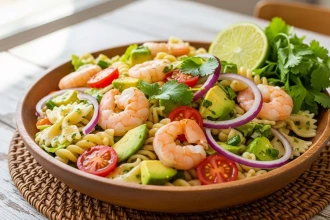
| Pasta salad with shrimp and avocado | Shrimp, avocado, pasta | Fresh cold salad, ideal for summer |
Frequently asked questions about garlic shrimp with cauliflower mash
Share your experience with garlic shrimp with cauliflower mash
We invite you to try this recipe at home and tell us how it turned out. Did you achieve a creamy mash? What variety of garlic did you use? Did you try any special side dishes? The healthy cooking is also a space to experiment. Leave your comment and share your personal tricks!
Culinary glossary for garlic shrimp with cauliflower mash
- Devein: Remove the dark vein that runs along the back of the shrimp, which is the intestine.
- Puree: Preparation of cooked vegetables, mashed until a creamy or smooth texture is obtained.
- Sautéing: Cook ingredients in a little oil over medium heat to release their aromas without burning them.
- Julienne: Cut into long, thin strips, useful for vegetables like garlic or onion.
- Marinate: Let food rest in a mixture of liquids and spices so that they absorb flavor.