


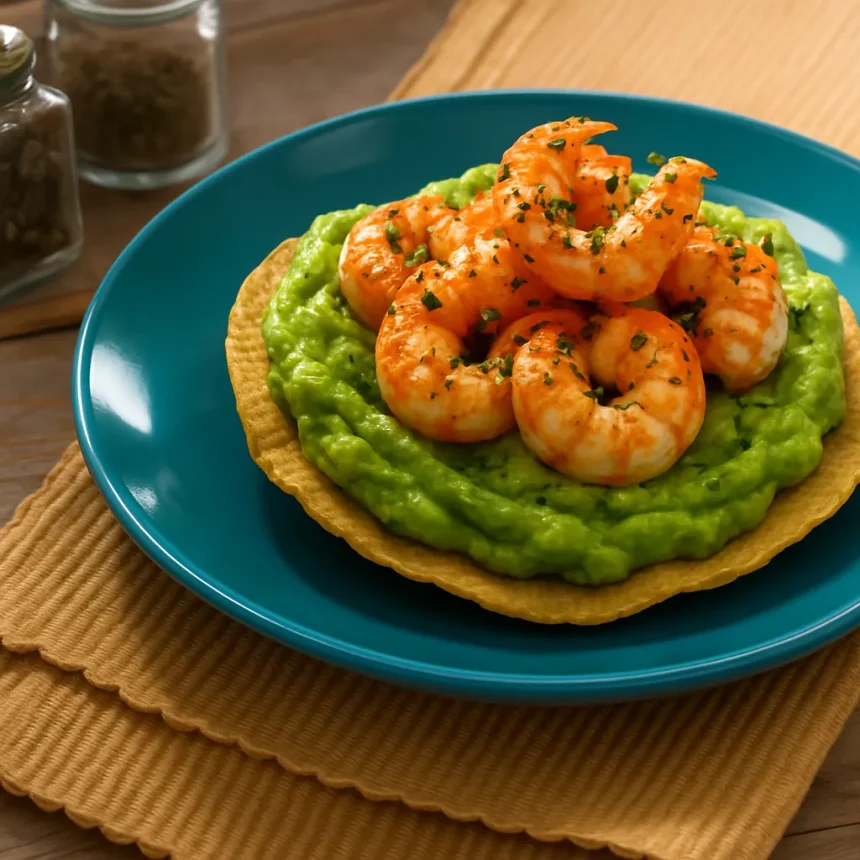
Recipe for Creamy and Irresistible Garlic Shrimp
Hello! We're going to prepare some shrimp that turn out incredibly juicy and bathed in a flavorful white sauce. It's one of those dishes that look like they're from a restaurant, but you make at home without complicating your life, ideal for treating the family any day of the week.
- Recipe for Creamy and Irresistible Garlic Shrimp
- Preparation time
- Ingredients
- Utensils we will use
- Preparation
- Season the seafood
- Sauté the aromatics
- Deglaze and incorporate liquid
- Cooking the protein
- Create the sauce
- To finish and serve
- 5 keys to make it perfect
- Nutritional Information
- When is it ideal to enjoy it?
- Comparison table
- Frequently asked questions (FAQ)
- Frequently asked questions
- Share your experience
- Culinary glossary
Preparation time
Getting organized is key in the kitchen, so here's the time breakdown so you know exactly how long it will take before you sit down to eat.
- Preparation: 10 minutes
- Cooking: 10 minutes
- Total: 20 minutes
- Servings: 4 people
- Difficulty: Easy
Ingredients
To achieve that deep flavor and velvety texture, we need fresh ingredients. Don't worry, these are things you're sure to find at your usual supermarket or that you already have in your pantry.
For the shrimp
- 900 g (2 pounds) large shrimp, peeled and deveined
- 1 tablespoon olive oil
- 1 teaspoon salt
- ½ teaspoon ground black pepper
- 1 teaspoon of garlic powder
- 1 teaspoon of onion powder
For the creamy sauce
- 3 tablespoons unsalted butter
- 12 large garlic cloves (approximately ½ cup)
- ¼ cup finely chopped white onion
- ¼
- 2 cans (7.2 ounces each) of Media Crema or table cream
- Fresh chopped cilantro (for garnish, optional)
If you don't have Media Crema, you can replace it with 1.5 cups of heavy cream; the texture will be a bit more liquid at first, but it will reduce just as well over heat. If you're looking for a different option with a citrus touch for your seafood, I also recommend trying some garlic shrimp with lemon gremolata which are very refreshing.
Utensils we will use
You don't need sophisticated equipment for this recipe; your basic kitchen tools are more than enough to achieve a spectacular result.
- Large skillet or wide pot (so the shrimp don't crowd)
- Stable cutting board
- Well-sharpened chef's knife
- Small bowls for organizing ingredients (mise en place)
- Wooden spoon or heat-resistant silicone spatula
- Measuring cups and spoons
Preparation
Follow these steps calmly. The secret here is to control the temperature so that the garlic doesn't burn and the cream doesn't curdle. Let's do it.
Season the seafood
In a large bowl, place the cleaned and dried shrimp (dry them with paper towels if necessary). Add the olive oil, garlic powder, onion powder, salt, and pepper. Mix everything very well with your hands or a spoon to ensure each shrimp is coated with the spices. Letting it rest for a few minutes while you prepare the rest helps the flavor penetrate better.
Sauté the aromatics
Place your large skillet over medium heat. Add the butter and let it melt gently without smoking. Add the chopped onion and finely minced garlic cloves (brunoise). Cook, stirring constantly, until the onion is translucent and the garlic is fragrant and soft, but be careful not to let it brown too much or it will make the sauce bitter.
Deglaze and incorporate liquid
Pour the white wine into the pan. You'll hear a sizzle; take the opportunity to scrape the bottom of the pan with your spatula to lift any remaining flavor (this is deglazing). Let it simmer gently for about 2 minutes so the alcohol evaporates and only the aroma of the wine remains.
Cooking the protein
Add the seasoned shrimp to the pan, spreading them in a single layer if possible. Cook for 2 to 3 minutes per side. You'll know they're ready when they change from grayish to a vibrant pink and form a «C» shape. Don't overcook them to prevent them from becoming rubbery. If you like to experiment with textures, this searing technique is similar to the one we use to prepare some coconut shrimp, although there we aim for a crispy golden brown.
Create the sauce
Lower the heat to medium-low. Pour the cans of Media Crema (or table cream) over the shrimp and sofrito. Stir gently to combine everything. Let the sauce simmer gently (a soft "chup-chup") for 2 to 3 minutes. You'll notice the sauce starting to thicken slightly and taking on a beautiful ivory color. Taste the sauce and adjust salt or pepper if you deem it necessary.
To finish and serve
Once the sauce has the desired consistency (it should coat the back of a spoon), remove the pan from the heat immediately to stop cooking. Sprinkle fresh chopped cilantro on top for color and freshness. Serve hot. Ideally, accompany this dish with white rice to make the most of all the creamy sauce, or even over al dente pasta. If you have leftover sauce, don't throw it away, it's pure gold. Serve it with some slices of crusty bread.
5 keys to make it perfect
Sometimes small details make the difference between a good dish and a memorable one. Here I share my secrets for this particular recipe.
1. The garlic's doneness is vital:
As the name suggests, garlic is the star. Mince it finely but don't mash it into a purée for this recipe; we want to find those small, soft pieces. When sautéing it, keep the heat medium. If the garlic burns and turns black, you'll have to start over because the bitter taste will ruin the sweet cream.
2. Avoid overcooking the shrimp:
The number one mistake is leaving them on the heat for too long «just in case.» Shrimp cook very quickly. As soon as they turn pink and firm, they're ready. If they curl up tightly into a closed «O» shape, they're overcooked and will be tough. We want a tender texture that bursts in your mouth.
3. Cream temperature:
Try to ensure that the Half Cream or table cream is not ice-cold from the fridge when adding it to the hot pan. Take it out about 15 minutes beforehand. This helps it integrate better with the butter and wine, creating a more stable and silky emulsion.
4. The wine matters:
Use a white wine that you would drink. Do not use «cooking wine» from the supermarket, which often has a lot of salt and preservatives. An inexpensive but drinkable Sauvignon Blanc or Pinot Grigio works wonderfully and provides the necessary acidity to cut through the cream's richness.
5. Pre-drying:
Before seasoning the shrimp, make sure to dry them well with paper towels. If they are too wet, when they enter the pan, they will release water and steam instead of searing, losing flavor. This drying technique is fundamental in almost all seafood recipes, such as when we prepare chipotle shrimp with orange so that the sauce adheres well.
Nutritional Information
Here are the approximate data for each serving of this creamy delight.
- Calories: 430 kcal
- Proteins: 25 g
- Fats: 32 g
- Carbohydrates: 8 g
- Fiber: 1 g
Values are estimates per serving and may vary depending on the brands of ingredients used.
When is it ideal to enjoy it?
This creamy version of garlic shrimp has wonderful versatility. Due to its speed, it's perfect for those Tuesday or Wednesday dinners when you arrive home tired from work but want to eat something real and comforting, not fast food. In less than 20 minutes, you have a luxurious dinner.
It also works wonderfully for a romantic dinner or a small celebration at home. The wine and garlic sauce has an elegant profile that impresses without you having to spend hours in the kitchen. If you want to elevate it for a special occasion, you could serve it alongside a shrimp and asparagus risotto, creating a seafood-themed menu that will delight everyone.
Finally, it's an excellent main course for Lent or summer. Although the sauce is creamy, the seafood keeps it light if you control the portions of rice or bread. It's that meal that feels like a warm hug.
Comparison table
There are many ways to prepare shrimp. Here's how our creamy recipe compares to other popular ones so you can choose the one you crave most today.
| Recipe | Key ingredients | Difference/advantage |
|---|---|---|
| Garlic Shrimp (This recipe) | Garlic, Butter, Half Cream | Silky and smooth texture, ideal for dipping bread. |
| Classic Garlic Shrimp (Spanish) | Olive oil, Chili pepper, Sliced garlic | Without cream, lighter and with a direct spiciness from the dried chili. |
| Teriyaki Shrimp | Soy sauce, Ginger, Sugar | Asian profile, sweet and savory. You can see a similar version in teriyaki shrimp. |
| Deviled Shrimp | Chipotle chili, Tomato, Onion | Much spicier and redder, dairy-free. |
| Creamy Pasta with Chicken | Chicken, Capers, Cream | If you prefer poultry instead of seafood, the sauce technique is similar to this creamy lemon chicken pasta. |
| Shrimp Scampi (Italian) | Lemon, Parsley, Butter (without cream) | More acidic and citrusy, less heavy than the version with cream. |
| Breaded Shrimp | Breadcrumbs, Egg, Oil for frying | Crispy and dry texture, nothing like the creamy stew. |
Frequently asked questions (FAQ)
Frequently asked questions
Share your experience
Cooking is for experimenting and sharing. I'd love to know how these shrimp turned out for you. Did you dare to add more garlic? Did you serve them with pasta or rice? Leave your comment and share your own tips so we can all learn new ways to enjoy this dish!
Culinary glossary
Sometimes we use words in the kitchen that might sound strange if you're just starting out. Here I clarify the terms we used today.
- Devein: The process of removing the intestine (the black line) that runs along the back of the shrimp to clean it.
- Brunoise: A way of cutting vegetables (such as garlic or onion) into very small and uniform cubes, about 2 to 3 mm.
- Deglaze: Adding a liquid (such as wine) to a hot pan to dissolve food residues stuck to the bottom and recover their flavor.
- Sautéing: Cooking a food over low or medium heat with little oil or fat, so that it releases its flavor and softens without browning excessively.
- Reduce: Cooking a sauce or liquid with the pot uncovered so that the water evaporates, concentrating the flavor and thickening the consistency.



This ‘Garlic Shrimp’ was delicious at home.
What a great idea this ‘Garlic Shrimp’ is.