
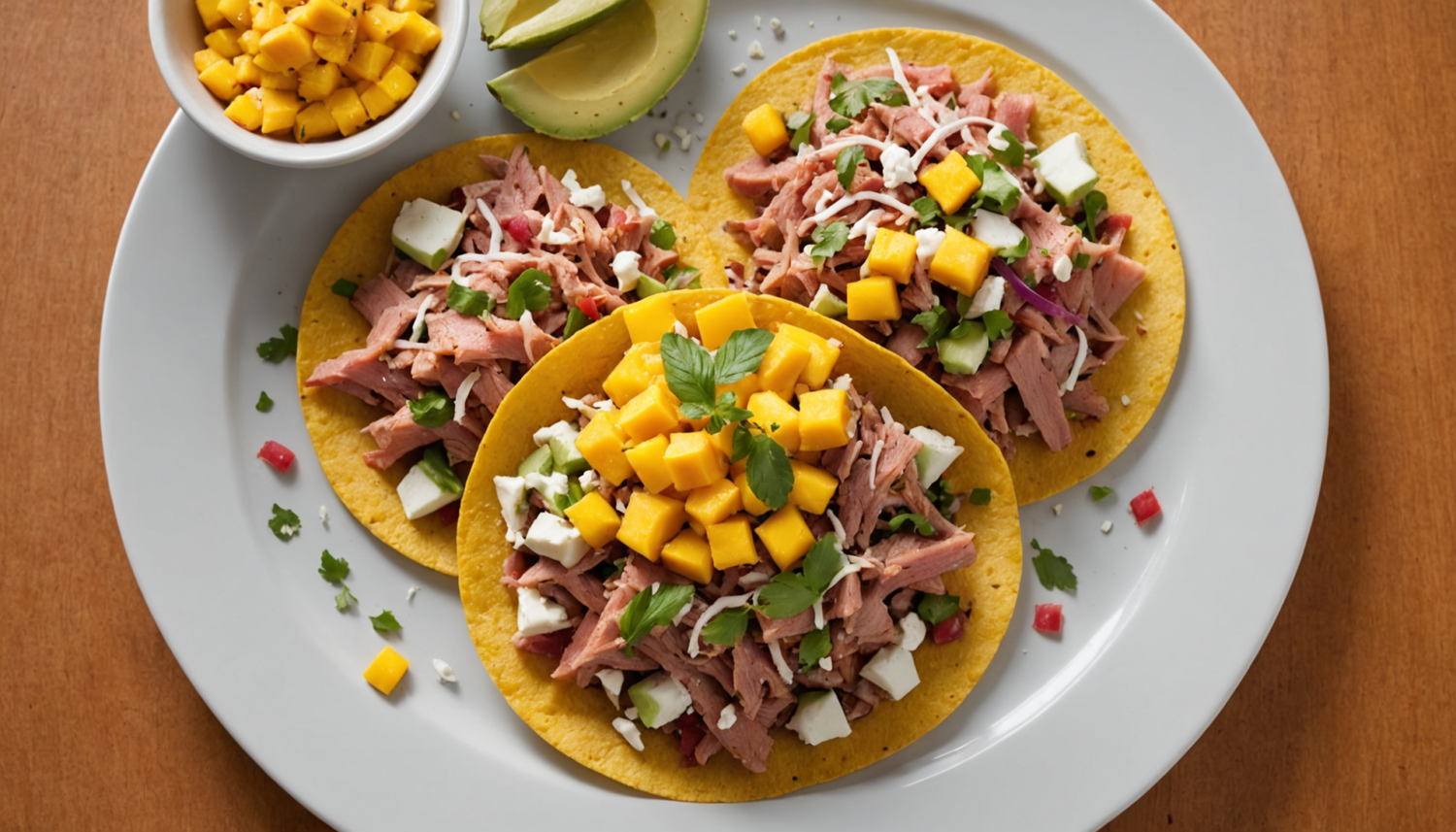
Jicama Tostadas with Fresh Tuna and Mango Recipe
Hello! What a joy to greet you. Today we are going to prepare a spectacular option to start the week or for any day you are looking for something light. These are delicious tostadas where we substitute the corn base with crispy jicama slices, combined with a flavorful tuna mixture. It's a fresh recipe, ideal for staying in shape without sacrificing the taste for good food.
Preparation time
Organizing yourself in the kitchen is key to enjoying the process. Here are the estimated times so everything flows without stress:
- Preparation: 20 minutes
- Marinade: 60 minutes
- Total: 1 hour 20 minutes
- Servings: 4 toasts
- Difficulty: Easy
Ingredients
For this recipe, we are going to respect the freshness of each element. Make sure you have everything on hand before starting.
- 1 Can of tuna
- 1/2 Avocado
- 1 tsp olive oil
- 2 tsp mayonnaise
- Juice of 2 lemons
- 1/2 Bell pepper (finely chopped)
- 2 Sprigs of cilantro (finely chopped)
- 4 Slices of jicama
- 1/2 Adobo chipotle chili
- 1/2 Tomato (finely chopped)
- 2 tsp white onion (finely chopped)
- 1/2 Cucumber (finely chopped)
- Ground black pepper (to taste)
- Cabbage (to taste)
- Salt (to taste)
If you don't have white onion, you can substitute it with red onion for a sweeter touch, although white onion provides that characteristic spiciness we're looking for.
Utensils we will use
We don't need sophisticated equipment, with your kitchen basics we'll achieve a restaurant-quality result.
- A medium bowl for mixing the tuna
- A small bowl for the dressing
- Stable cutting board
- Well-sharpened chef's knife
- Mixing spoons
- Mandoline (optional, for jicama) or knife
- Strainer for draining the tuna
Preparation
Follow these steps calmly. The key to this recipe is finely chopping the vegetables so that each bite is balanced.
1. Tuna Marinade
- Drain the tuna: The first thing is to open the can of tuna and remove excess water or oil using the strainer. We want the meat as dry as possible so it can absorb the lemon.
- Incorporate the acid: Place the drained tuna in the medium bowl. Add the juice of the 2 lemons.
- Resting time: Mix well and let marinate for 1 hour in the refrigerator. This step is vital for the tuna to change its texture and acquire a fresh flavor, similar to when we make a shrimp ceviche, although here the tuna is already cooked, the lemon enhances its profile.
2. Dressing and Vegetable Preparation
- Create the creamy sauce: While the tuna rests, in the small bowl we will mix the 2 teaspoons of mayonnaise with the 1/2 adobo chipotle pepper.
- Integrate well: Mash the chipotle with the spoon against the sides of the bowl so that it breaks down and integrates evenly with the mayonnaise. Reserve this mixture.
- Chopping vegetables: Use the time to finely chop (into small cubes or brunoise) the bell pepper, tomato, white onion, and cucumber. Remember to remove the seeds from the cucumber and tomato to avoid excess liquid.
- Chopping cilantro: Wash, disinfect, and finely chop the cilantro sprigs.
3. Final Mix
- Unify ingredients: After the marinating hour, take the tuna out of the refrigerator. Add the tomato, onion, cucumber, bell pepper, and chopped cilantro to the bowl.
- Dress: Add the teaspoon of olive oil. This ingredient helps to amalgamate the flavors and adds shine.
- Season: Add salt and ground black pepper to taste. Mix everything with gentle folding movements so as not to overmix the tuna.
To finish and serve
For the final assembly, take the 4 slices of jicama (which should be thin but firm enough to hold the weight). Spread a light layer of the mayonnaise and chipotle mixture on each slice; this will serve as «glue» and a flavor base. Place a generous portion of the prepared tuna mixture on top. Finally, decorate with a little finely chopped cabbage for height and a few slices of avocado for creaminess. Serve immediately to maintain the freshness and crispy texture of the jicama.
Nutritional Information
This recipe stands out for being light and rich in high-quality protein thanks to the tuna. Here are the estimated values per serving:
- Calories: 180 kcal
- Proteins: 15 g
- Fats: 8 g
- Carbohydrates: 12 g
- Fiber: 5 g
The values are approximations based on standard ingredients and may vary depending on the size of the jicama or the brand of tuna.
5 keys to make it perfect
As a private chef, I've learned that small details make the difference between a good dish and a memorable one. Here I share my secrets for these tostadas.
1. The jicama cut is fundamental. If the slices are too thick, the jicama flavor will overpower the tuna. Try to make them about 3 to 5 millimeters thick. If you have a mandoline, use it carefully; if not, a sharp knife and patience are your best allies.
2. Extreme vegetable draining. Cucumber and tomato release a lot of water. When chopping them, I recommend leaving them for a few minutes on absorbent paper before mixing them with the tuna. This prevents your salad from becoming watery and diluting the dressing's flavor.
3. The quality of the tuna. Although we use canned tuna, prefer tuna in water for this recipe, as we will add good quality olive oil. If you like to experiment, you can try variations like classic tuna tostadas, but for this fresh version, solid loin in water works better than shredded.
4. The avocado's ripeness. Use an avocado at its exact point of ripeness (buttery). If it's too green, it will be hard and flavorless; if it's too ripe, it will oxidize quickly and affect the fresh aesthetic of the dish.
5. Serving temperature. This dish should be served cold. Keep the jicama in ice water until assembly (drying it well beforehand) and the tuna mixture in the refrigerator. The contrast in temperatures is delicious, very similar to the experience of eating a good red aguachile.
When is it ideal to enjoy it?
These jicama tostadas are incredibly versatile. They are perfect for hot spring and summer days, when the body craves hydrating and fresh foods. I love serving them as an appetizer at a family meal in the garden or as a light weeknight dinner when we don't want to complicate things by cooking with fire.
They also work wonderfully as a healthy snack if you have guests and want to offer something different from potato chips, similar to when you prepare some ceviche tostadas, but with the advantage of being low in carbohydrates.
Comparison table
Sometimes we get confused among so many delicious options in cold Mexican cuisine. Here I help you distinguish this recipe from similar ones.
| Recipe | Key ingredients | Difference/advantage |
|---|---|---|
| Jicama Tostadas (This recipe) | Jicama, tuna, chipotle | Vegetable base without flours, very hydrating |
| Corn Tostadas with Tuna | Fried tortilla, tuna, mayonnaise | Crunchier but with more calories and carbohydrates |
| Fish Ceviche | Raw fish, lime, cilantro | The fish is «cooked» in lemon, does not use mayonnaise |
| Aguachile | Shrimp, serrano chili, lemon | Much spicier and more liquid than a tuna salad |
| Salpicón | Shredded meat, vinegar, lettuce | Uses beef instead of fish and vinaigrette instead of creamy dressings |
| Tuna Tartare | Fresh tuna raw, soy, sesame | Soft texture of raw fish, Asian profile |
| Surimi (Imitation crab) | Fish paste, mayonnaise, vegetables | Lower nutritional value and more processed texture |
Frequently asked questions (FAQ)
Share your experience
Cooking is for experimenting and sharing. I'd love to know if you dared to prepare these tostadas and how they turned out. Did you add your own touch? Perhaps a little wild rice as a garnish or changed the dressing. Leave your comment and share your own culinary discoveries with us!
Culinary glossary
So you don't have any doubts, here I explain some terms we used today:
Jicama: It is a Mexican tuber with a sweet taste and very crunchy texture, rich in water. It is generally consumed raw with lime and chili.
Marinate: A technique that consists of leaving a food in an aromatic liquid (generally acidic or seasoned) for a determined time so that it absorbs flavors and, in some cases, changes its texture.
Brunoise: It is a culinary cut that consists of dicing vegetables into very small and uniform cubes, approximately 2 to 3 mm per side.
Plating: It is the art of arranging food on the plate (or in this case, on the jicama) aesthetically before serving it to diners.
Marinated: Refers to a food (like chipotle chili) that comes preserved in a thick sauce made of chilies, spices, vinegar, and tomato, called adobo.
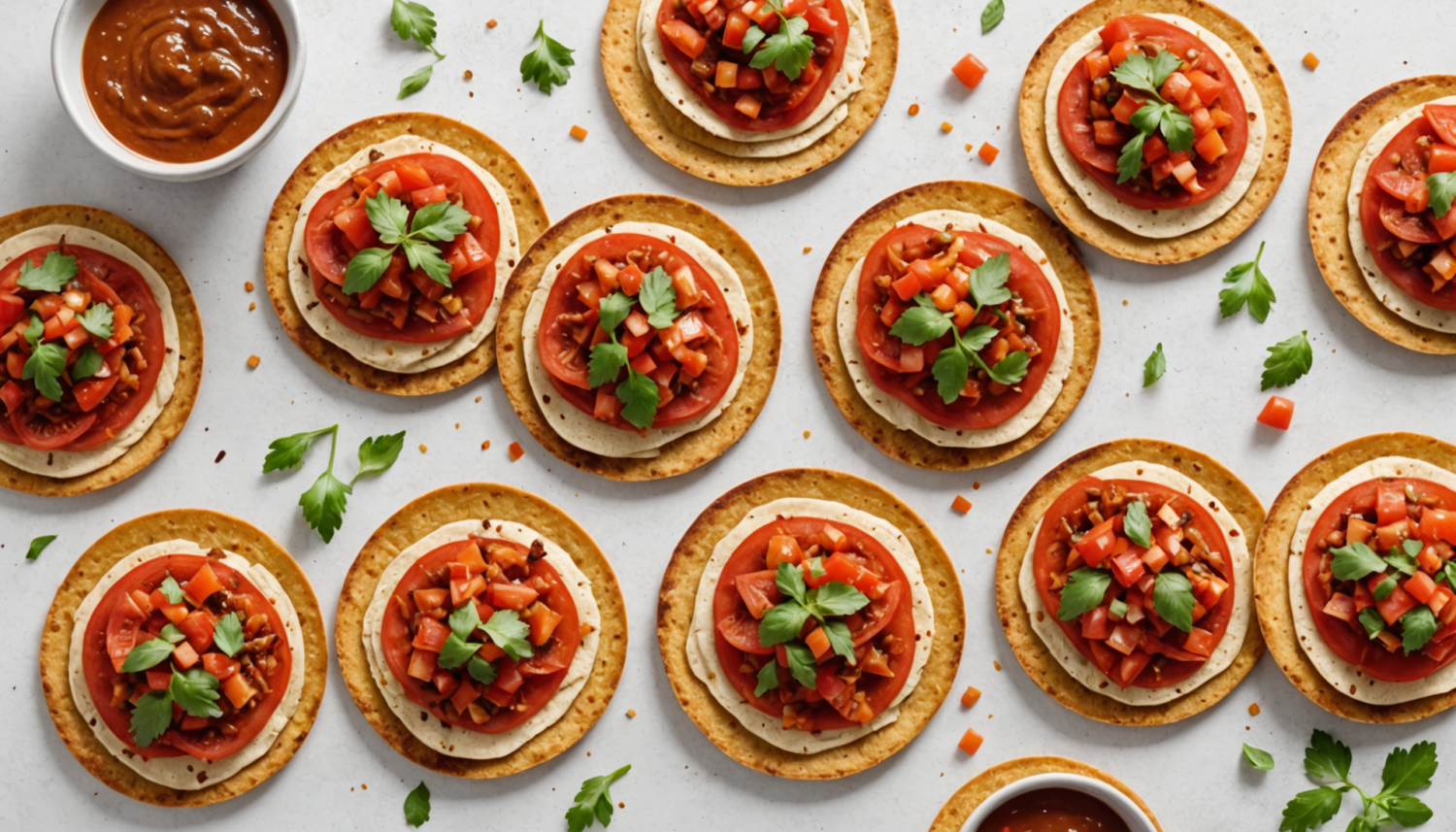
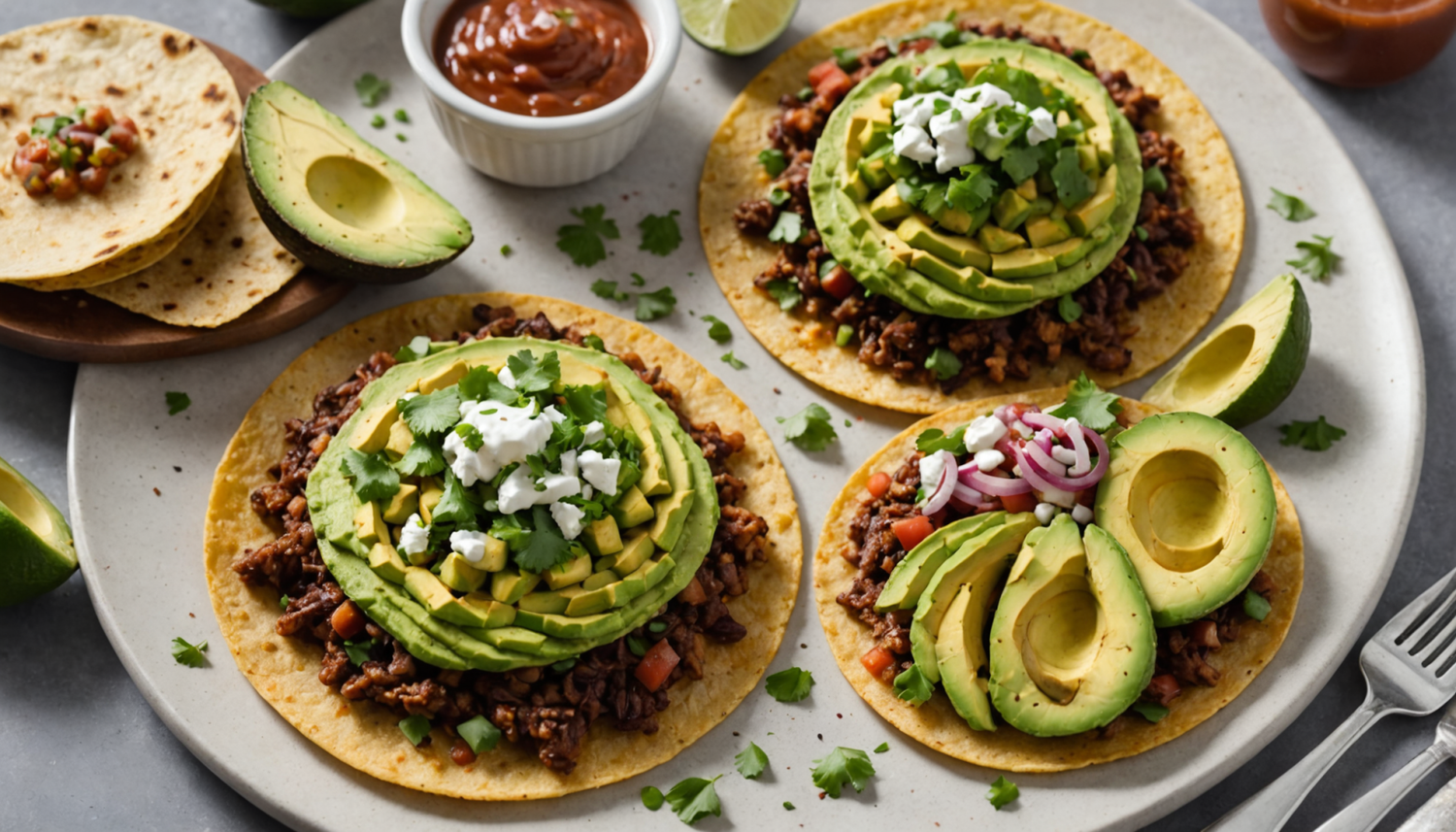
This ‘Jicama Tostadas with Fresh Tuna and Mango’ looks amazing. It was a total hit with my family.
We loved the result of these ‘Jicama Tostadas with Fresh Tuna and Mango’. I made it for dinner and everyone was happy.
I tried these ‘Jicama Tostadas with Fresh Tuna and Mango’ today. It saved me time and was delicious. It earned a spot in my recipe book. .