
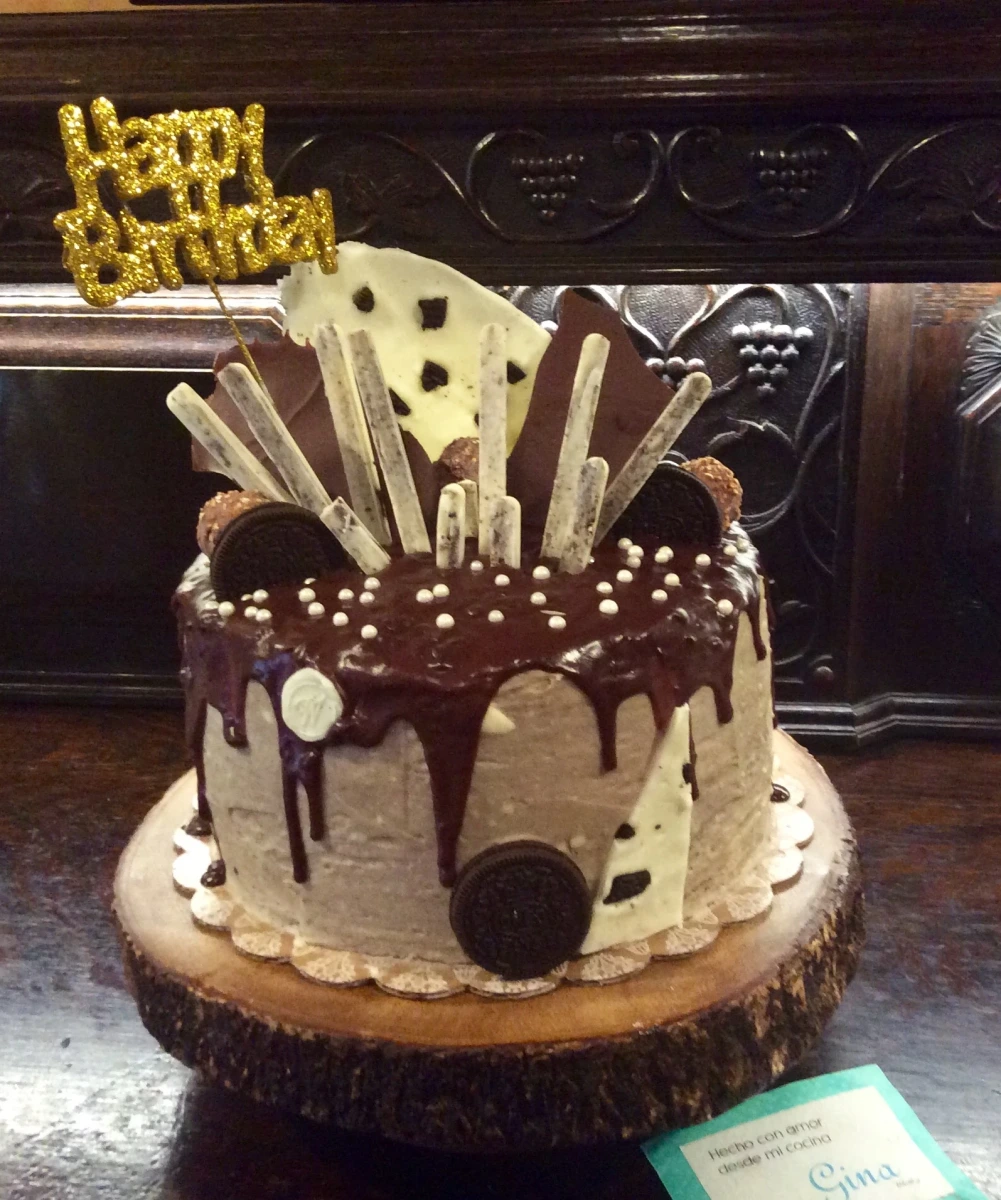
Irresistible Oreo Cake Recipe
Hello! What a joy to have you here again. Today we are going to prepare something that has stolen my heart and that will surely become the star of your kitchen: a Oreo cake spectacular. We are talking about a super tender cake, full of cookie pieces, covered by a soft cream that is pure temptation. It is perfect for celebrating, for treating the family or simply because we deserve something delicious. Put on your apron, let's get started!
Preparation time
Before getting your hands dirty, it's essential to organize your time. Pastry making requires patience and respect for the processes, especially when we want to achieve a perfect crumb and a stable cream. Here's the breakdown so you can plan your stress-free baking afternoon.
- Preparation: 45 minutes
- Cooking: 37 minutes
- Total: 1 hour and 30 minutes (plus cooling time)
- Servings: 8 generous servings
- Difficulty: Intermediate
Ingredients
To achieve that authentic flavor and melt-in-your-mouth texture, we need to respect the quality and temperature of the ingredients. The magic of this dessert lies in the balance between the sweetness of the Oreo cookie and the freshness of the dairy. I'll detail everything you need.
For the cake
- 285 gr of common wheat flour (all-purpose)
- 2 teaspoons of baking powder
- 1/2 teaspoon baking soda
- 1 teaspoon of fine salt
- 170 gr of organic butter, at room temperature (softened)
- 250 gr of white sugar (the original recipe calls for more, but this amount is perfect)
- 4 organic egg whites, at room temperature
- 180 gr of sour cream, at room temperature
- 1 tablespoon of good quality vanilla extract
- 180 ml of organic whole milk, at room temperature
- 110 gr of Oreo cookies crushed (approximately 10 units)
For the frosting or topping
- 170 gr of cream cheese Philadelphia type, at room temperature
- 90 gr of powdered sugar (confectioners' sugar), sifted
- 1 teaspoon vanilla extract
- 360 ml of whipping cream (heavy cream) with a minimum of 35% fat, very cold
- 90 gr of Oreo cookies finely chopped (about 8 units)
- Mini-Oreo for decorating (Optional)
If it's difficult to find in your area sour cream or sour cream, don't worry, I have a foolproof homemade solution. You can substitute it by mixing 180 ml of whole milk with a tablespoon of lemon juice or white vinegar. Stir and let the mixture rest for 10 or 15 minutes; you'll see it curdle and thicken slightly. That texture is what we're looking for to add acidity and moisture to the cake.
Utensils we will use
You don't need a professional kitchen to achieve this result, but you do need the basic tools that will make our lives easier and ensure the technique is executed correctly. If you like to bake at home, you probably already have all of this on hand.
- Two large mixing bowls
- Electric hand mixer or a KitchenAid-type stand mixer
- Silicone spatula (baker's tongue)
- A 24 cm diameter round mold
- Baking paper (waxed or parchment paper)
- Cooling rack
- Serrated knife for leveling (if necessary)
- Pastry bag and round nozzle (optional for decorating)
Step-by-step preparation
We've reached the fun part. Follow these steps calmly and with care, because baking feels your energy. We are going to create a soft crumb structure and a flavor of chocolate and unforgettable vanilla.
Preparation of the environment and mold
First things first: organization. Preheat your oven to 180ºC (top and bottom heat, without a fan if possible to prevent drying out). Grease the 24 cm mold with a little butter or release spray and, if you want to ensure perfect unmolding, place a disc of baking paper on the base. Set aside.
Dry mixture
In a medium bowl, sift and mix the flour, baking powder, baking soda, and salt. Use a fork or manual whisk to combine everything well. Set aside this «dry» mixture for later.
Creaming of the butter
In your mixer bowl, place the butter at room temperature. Beat on high speed for 1 minute until smooth. Add the 250 gr of sugar and beat for 2 more minutes. The mixture should look pale and fluffy. It is vital to stop the machine and scrape the sides with a spatula so that everything is incorporated evenly.
Incorporation of whites and moisture
Reduce speed to medium. Add the egg whites one by one, waiting for the previous one to incorporate before adding the next. Then add the vanilla and sour cream (or your homemade milk and lemon mixture). Beat until combined.
Union of mixtures and cookies
Reduce speed to minimum. Add half of the dry ingredients, then the whole milk, and finish with the rest of the dry ingredients. Beat only until the flour disappears; if you overbeat, the cake will be tough. Remove the bowl from the mixer and, with a spatula, incorporate the Oreo cookies chopped with gentle folding movements.
Baked
Pour the batter into the prepared mold and smooth the surface. Bake for 32 to 37 minutes. You'll know it's ready when a toothpick inserted into the center comes out clean or with a few moist crumbs, but no liquid batter. Don't overbake to maintain juiciness.
Elaboration of the Frosting
While the cake cools completely on a rack, prepare the frosting. Beat the cream cheese (which should be at room temperature to avoid lumps) until creamy. Add the powdered sugar and vanilla, beating for 2 more minutes. Finally, incorporate the very cold cream and beat until firm peaks form and the mixture is stable. Reserve a little white cream if you want to decorate, and add the chopped Oreos to the rest, mixing by hand.
To finish and serve
Once the cake is completely cold (this is crucial, if it's warm it will melt the cream), place the base on your serving plate. Generously cover the surface with the Oreo frosting using a spatula or the back of a spoon to create rustic and appetizing waves. If you reserved white cream, use the pastry bag to make small dollops and crown with mini-Oreos. If you notice the cream is too soft due to kitchen heat, refrigerate the cake for 20 minutes before cutting. Serve it with a glass of cold milk or coffee; the combination is glorious.
Nutritional Information
Although this is a pleasure to enjoy occasionally, it's always good to have an idea of what we are consuming. Remember that these values are approximate estimates per generous serving.
- Calories: 650 kcal
- Proteins: 8 g
- Fats: 35 g
- Carbohydrates: 78 g
- Fiber: 2 g
Note: Daily percentage values are based on a 2000-calorie diet. Nutritional content may vary depending on the specific brands of ingredients used.
5 keys to make it perfect
Sometimes, small details make a huge difference between a good cake and a memorable one. Here I share my secrets after having baked this style of cakes hundreds of times.
1. The temperature of the ingredients is law
I won't tire of repeating it: butter, egg whites, and milk must be at room temperature for the cake. This allows it to emulsify correctly, creating an air network that will then expand in the oven. However, for the frosting, the cream must be very cold!, almost frozen, for it to whip well.
2. Do not crush the cookies excessively
For the cake batter, we want to find crunchy pieces, not gray powder. Break the cookies with your hands into quarters. If you chop them too finely, they will dye the entire batter gray and you will lose the visual and textural contrast.
3. The right point of the beating
When you add the flour, stop beating as soon as you no longer see white powder. Over-developing the gluten will make your cake gummy instead of tender. Use a spatula for the final movements.
4. Be careful with the sugar
I have reduced the amount of sugar to 250 gr because the cookies already contribute a lot sweet. Do not fear this reduction, the balance is much more pleasant to the palate and you avoid it being overly sweet.
5. Assembly of the cream
When making the frosting, watch the cream. It goes from perfectly whipped to turning into butter in a matter of seconds. As soon as you see it forming firm peaks and holding its shape, stop the mixer immediately.
When is it ideal to enjoy it?
This cake has an undeniable festive personality. It's my favorite choice for children's birthdays (and not-so-children's birthdays), as the flavor of cookies and cream is a universal favorite that rarely fails. However, its rustic elegance also makes it perfect for a Sunday family snack or to bring to a friends' gathering where you've been tasked with the dessert.
The freshness of the cream cheese frosting makes it ideal even for warmer months, as long as it's kept refrigerated. Imagine it on a summer dessert table, right next to a refreshing tres leches cake, offering a more substantial and crunchy textured alternative.
Comparison table
Sometimes we look for something specific and can get confused with so many delicious options. Here I help you differentiate this cake from other classics so you can choose the one that best suits your craving today.
| Recipe | Key ingredients | Difference/advantage |
|---|---|---|
| Oreo Cake (Main) | Oreo cookies, Egg whites, Cream cheese | Crunchy texture from the cookies and pure white color in the crumb. |
| Basic Chocolate Cake | Cocoa powder, Whole eggs, Oil | Intense cocoa flavor, denser and darker than the Oreo one. |
| Oreo Cheesecake | Massive cream cheese, Cookie base, No flour | It's a creamy and dense cheesecake, not a fluffy sponge cake. |
| Red Velvet | Cocoa, Red food coloring, Vinegar | Subtle chocolate flavor with a characteristic red color and velvety crumb. |
| Vanilla Cake | Yolks, Butter, Vanilla | More classic and yellow, without the contrast of cookie textures. |
| Carrot Cake | Grated carrot, Walnuts, Spices | Moist and spiced, with a vegetable texture, very different from the «cookies» style. |
| Devil’s Food Cake | Melted chocolate, Coffee, Cocoa | An extreme chocolate bomb, much stronger than the dairy profile of Oreos. |
If you're looking for something with pure cocoa flavor without chunks, you might prefer to try a basic chocolate cake, but if you stay here, I promise you a unique texture experience.
Frequently asked questions (FAQ)
Share your experience
The kitchen is a living laboratory and nothing excites me more than seeing how each of you makes the recipe your own. Did you dare to change the cookies for another variety? Did you make the cake in cupcake format? Tell me everything!
Leave me a comment below with your impressions, doubts, or just to tell me how your kitchen smelled while this wonder was baking. The pastry making is for experimenting and sharing, so don't hold back and share your own little tricks with the community.
Culinary glossary
- Temper: Taking an ingredient out of the fridge with enough time for it to reach room temperature (about 20-22°C), facilitating its emulsification.
- Pomade consistency: State of butter when it is soft and manageable, similar to a cream or ointment, but not melted or liquid.
- Folding movements: Gentle mixing technique done with a spatula, from bottom to top, to integrate ingredients without losing the air incorporated into the batter.
- Frosting: Anglo-Saxon term widely used in 2026 to refer to the creamy topping or frosting used to decorate and fill cakes.
- Sift: Passing dry ingredients (flour, powdered sugar) through a sieve or sifter to break up lumps and aerate the mixture.






This ‘Oreo Cake’ is a super recipe.
Super recipe. It turned out delicious, thanks for the tips.