


Recipe for creamy and velvety cauliflower mash
Hello! Let's prepare one of my favorite side dishes together. This dish is wonderful because it achieves that smooth texture we love from traditional mashed potatoes, but leaves us feeling much lighter after eating. It's perfect if you're looking to reduce carbohydrates or simply want your family to eat more vegetables without them even noticing. Let's get to work!
Preparation time
Here's an estimate to help you organize your time in the kitchen; remember, the goal is to enjoy the process without rushing.
- Preparation: 10 minutes
- Cooking: 12 minutes
- Total: 22 minutes
- Servings: 4 people
- Difficulty: Easy
Ingredients
For this to recipe turns out perfect, we need to respect the quality of the ingredients. Don't worry, these are things you surely have at home or can easily find at the market.
- 1 medium head of cauliflower
- 2 tablespoons of butter (or up to 3 if you like it creamier)
- Half a cup of milk
- Salt to taste
- Ground black pepper to taste
- Minced or roasted garlic (Optional)
- Grated Parmesan cheese (Optional)
- Fresh chopped chives (Optional)
- Fresh herbs for garnish (Optional)
Substitutions
If you don't have milk on hand or prefer to avoid dairy, you can use an unsweetened plant-based drink (like almond or soy) or even a little vegetable broth, although the flavor will change slightly. Instead of butter, extra virgin olive oil works very well and gives it a Mediterranean touch. If a whole cauliflower is too much hassle, frozen cauliflower also works, just be careful with excess water.
Utensils we will use
We don't need sophisticated restaurant equipment; with your kitchen basics, we'll have more than enough to achieve a result creamy.
- A large pot with a lid
- A large colander (essential for this recipe)
- A chef's knife and a cutting board
- A food processor, blender, or hand mixer
- A silicone spatula or wooden spoon
- A bowl for serving
Preparation
Follow these steps calmly. The secret to this dish is not speed, but attention to detail, especially when managing the cauliflower's moisture.
- Cleaning and cutting
Wash the cauliflower head under the tap with cold water. Remove the green leaves and the hard central stem. Cut the cauliflower into similar-sized, medium florets, so they cook at the same time. - Cooking the vegetable
Place the florets in the pot. You can cover them with water and a pinch of salt to boil them, or use a steamer basket with a little water at the bottom (my preferred method so it absorbs less liquid). Cover the pot and cook over medium-high heat for about 8 to 12 minutes. - Checking for doneness
You'll know they're ready when you pierce a floret with a fork or knife and it goes in and out with complete smoothness, almost falling apart. They must be very tender for the puree to be smooth. - Thorough draining
This step is vital. Pour the cauliflower into the colander and let all the steam and water drain. If it feels very wet, you can return it to the hot pot (off the heat) for a minute so the residual heat evaporates the extra moisture. We want cauliflower, not soup. - Processing and texture
Transfer the hot cauliflower to the food processor or blender cup. Add the tablespoons of butter and the half cup of milk. Process at medium-high speed. If you see it struggling, stop, scrape down the sides with the spatula, and continue processing until you get a homogeneous mixture. - Final Seasoning
Once you have the desired texture, add salt and pepper to taste. If you decided to use optional ingredients like roasted garlic or Parmesan cheese, this is the time to incorporate them. Give it one last quick mix to unify flavors.
To finish and serve
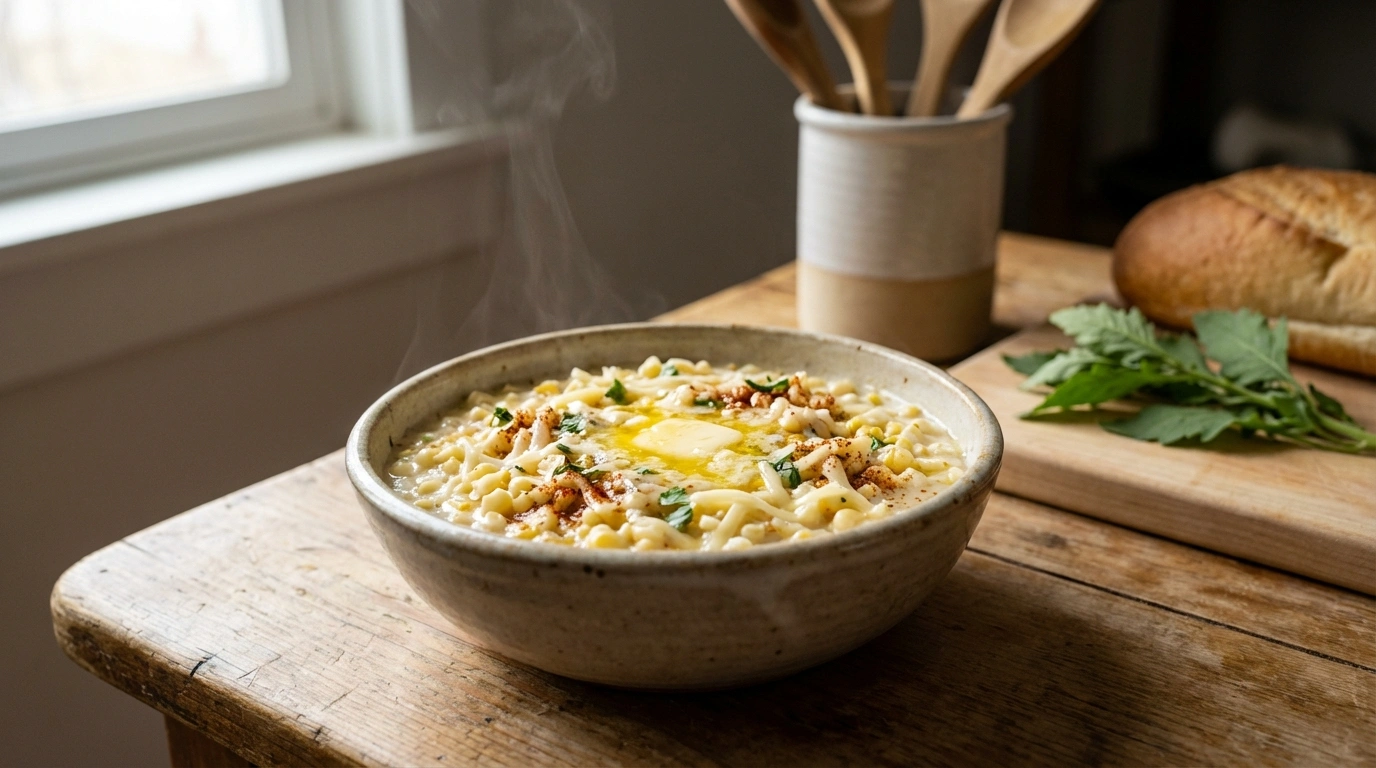
Check the seasoning one last time; cauliflower is very versatile but needs its just-right amount of salt. Transfer the puree to a nice serving dish and, if you want to impress, sprinkle some chopped chives or freshly ground pepper on top. Serve it immediately while it's hot. It's the ideal accompaniment for dishes with sauce, such as some short rib in sauce, where the puree helps to soak up the meat juices.
Nutritional Information
Here are the approximate nutritional facts per serving. It's a very nutritious and light option compared to other traditional purees.
- Calories: 95 kcal
- Proteins: 4 g
- Fats: 6 g
- Carbohydrates: 8 g
- Fiber: 3 g
Note: Values are estimates based on standard ingredients and may vary depending on the exact products or substitutions you use at home.
5 keys to make it perfect
Sometimes we follow the recipe to the letter and something doesn't quite fit. Here I share my learnings after making it many times.
- Drying is the key to success: The number one mistake is excess water. If you don't drain the cauliflower well, you'll have a watery mush instead of a full-bodied puree. Patience in the colander is worth it.
- Don't skimp on cooking time: Unlike when we make cauliflower for salad, here we need it to be very soft. If you leave it «al dente,» you'll have hard lumps in the puree that are not pleasant to the palate.
- The temperature of dairy: If you can, warm the milk slightly before adding it. This helps maintain the puree's temperature and makes it emulsify better with the butter.
- Enhance the flavor: Cauliflower is very mild. If you like to experiment, you can try variations like cauliflower puree with parmesan and truffle for a special occasion, the cheese gives it an incredible body.
- Consistency to your liking: Add the milk little by little. Perhaps your cauliflower retained more water and you need less liquid than the recipe states. It's easier to add than to remove.
When is it ideal to enjoy it?
This dish is an absolute wildcard in the kitchen. It's ideal for weeknight dinners when you want something comforting but that won't leave you feeling heavy for sleep. It also shines at family celebrations or holidays; being white and elegant, it looks beautiful on the table. If you have guests following a low-carb or keto diet, they will love you for serving this. Plus, it pairs wonderfully with seafood, try serving it alongside some garlic shrimp and you'll see how the flavors complement each other perfectly.
Comparison table
Sometimes we get confused or want to vary. Here I show you how our star dish compares to other popular options.
| Recipe | Key ingredients | Difference/advantage |
|---|---|---|
| Cauliflower Puree (Main Recipe) | Cauliflower, butter, milk | Low in carbohydrates and very light. |
| Classic Mashed Potatoes | Potatoes, butter, milk | More starchy, denser and heavier texture. |
| Sweet Potato Puree (Yam) | Sweet potato, cinnamon, butter | Natural sweet flavor, rich in vitamin A. |
| Creamy cauliflower soup | Cauliflower, broth, cream | Liquid consistency, eaten with a spoon as a starter. |
| Cauliflower Rice | Grated cauliflower, oil | Granulated texture, sautéed instead of processed. |
| Parsnip Puree | Parsnip, cream, nutmeg | Earthy and slightly spicy/sweet flavor. |
| Broccoli Puree | Broccoli, cream cheese | Intense green color, stronger vegetable flavor. |
Frequently asked questions
Share your experience
Cooking is for experimenting and sharing. I would love to know how your puree turned out, if you achieved that dream texture, or if you dared to add any secret ingredient. Leave your comment and share your own findings!
Culinary glossary
So you don't have any doubts while cooking, here I explain some terms we used today:
- Florets: These are the small «trees» or branches into which the head of cauliflower divides when cut.
- Steam: Cooking technique where food is cooked with the steam from boiling water without touching the liquid, better preserving nutrients.
- Process: To mash foods using an appliance (food processor or blender) until their solid consistency changes to a paste or puree.
- Tender point: Cooking level where food is soft and yields easily when pressed or pricked, without offering resistance.
- Side Dish: Food that accompanies the main dish (meat, fish, etc.) to complement flavors and textures.


What a delight! . it reminded me of a version I tried on a trip. what a good guide.
We loved the result. I followed the steps and it worked the first time. it's really worth it .
I tried this ‘Cauliflower Puree’ today ❤️.