


Lemon and Rosemary Chicken Recipe
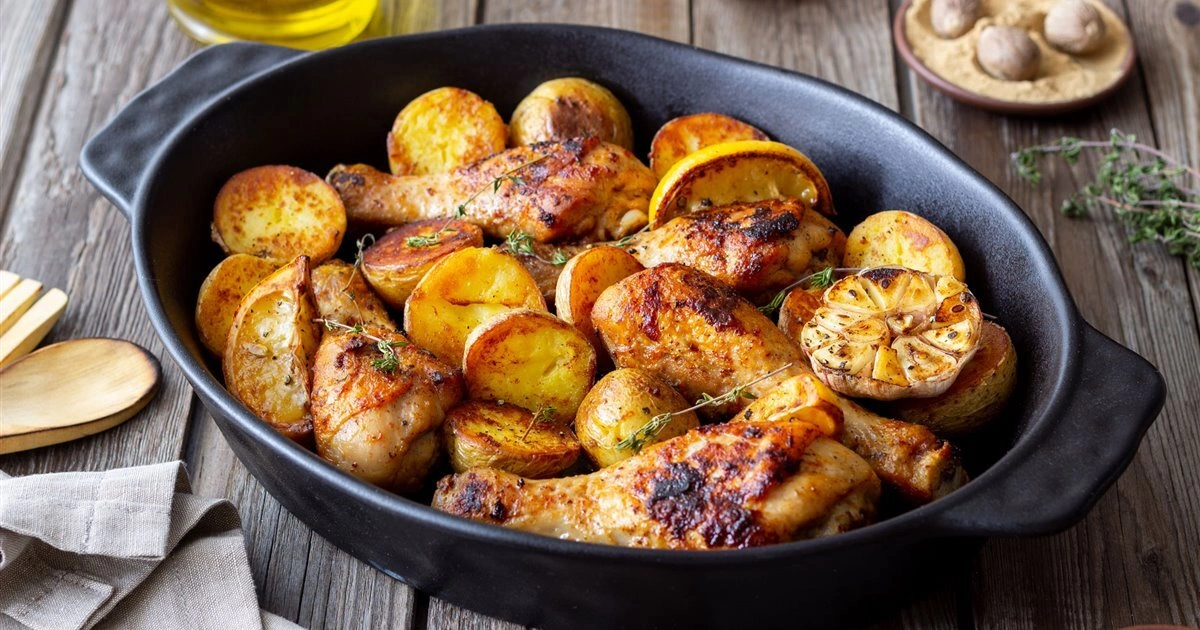
Hello! We're going to prepare a dish that's a real lifesaver in the kitchen and never disappoints. The Lemon and Rosemary Chicken combines the vibrant freshness of citrus with the unmistakable aroma of Mediterranean herbs, creating a light yet characterful sauce that invites you to dip bread. It's a simple, uncomplicated recipe, perfect for those seeking homemade and comforting flavor.
Preparation time
Getting organized is key to enjoying cooking. Here's the time breakdown so you can plan your meal stress-free.
- Preparation: 15 minutes
- Cooking: 35 minutes
- Total: 50 minutes
- Servings: 4 people
- Difficulty: Easy
Ingredients
To achieve that authentic and deep flavor, the selection of raw ingredients is vital. We don't need strange ingredients, but they must be fresh. The lemon should be juicy and the rosemary, if possible, freshly cut so that it releases all its essential oils upon contact with heat.
- 8 chicken thighs (skin-on and bone-in for extra juiciness)
- 2 large yellow lemons (we'll use the juice and some slices)
- 4 sprigs of fresh rosemary
- 4 cloves garlic
- 1 cup chicken broth (preferably homemade or low-sodium)
- 3 tablespoons extra virgin olive oil
- Salt to taste
- Freshly ground black pepper
- 1 teaspoon cornstarch (optional, only if you want to thicken the sauce)
In case you don't have chicken thighs, you can replace them with breasts, although you should reduce the cooking time to prevent them from drying out. If you don't have fresh rosemary, dried works, but use half the amount as its flavor is more concentrated. If you're missing chicken broth, a little white wine dry mixed with water is an excellent alternative.
Utensils we will use
Having the right tools at hand makes our lives easier and ensures the chicken cooks evenly. You don't need professional equipment, just the basics of any functional kitchen.
- Large frying pan or shallow casserole dish (with lid)
- Kitchen tongs (to flip the meat without piercing it)
- Cutting board (preferably one for meats and one for vegetables)
- Well-sharpened chef's knife
- Manual citrus juicer
- Wooden spoon or heat-resistant spatula
- Measuring cup or glass
Step-by-step preparation
Follow these steps calmly. Cooking is patience and observation. We are going to build the flavor layer by layer, starting with a good browning which is the base of everything.
- Chicken preparation. Thoroughly dry the chicken pieces with paper towels. This is crucial so they brown and don't steam in their own vapor. Season generously with salt and pepper on both sides.
- Searing the meat. Heat the olive oil in the pan over medium-high heat. Place the chicken pieces skin-side down. Do not move them. Let them cook for about 6-8 minutes until the skin is golden and crispy. Flip and cook for 3 more minutes on the other side. Remove the chicken to a plate and set aside.
- Flavoring the oil. In the same pan, reduce the heat to medium. Add the previously crushed garlic cloves (with skin or peeled, as you prefer) and the rosemary sprigs. Sauté for 1 minute until the garlic releases its aroma, being careful not to burn it as it would make the dish bitter.
- Deglaze and create the sauce. Add the lemon juice to the pan, scraping the bottom with a wooden spoon to lift the browned bits from the chicken (that's pure flavor). Pour in the chicken broth and let it simmer gently.
- Final cooking. Return the chicken pieces to the pan, along with any juices they may have released on the plate. Place some lemon slices between the pieces. Cover the pan and reduce the heat to low. Cook for 20-25 minutes or until the chicken is tender and fully cooked near the bone.
- Texture adjustment. If the sauce is too liquid and you prefer it with more body, dissolve the cornstarch in a tablespoon of cold water and add it to the simmering sauce, stirring until it thickens slightly.
To finish and serve
Once the chicken is ready, remove the pan from the heat. It's important to remove any old rosemary sprigs if they have broken down too much, and you can garnish with a fresh sprig for color. Taste the sauce and adjust salt or pepper if necessary. Serve hot, spooning plenty of lemon sauce over each piece. This dish cries out for a side dish that will absorb the juices; accompany it with loose white rice, baked potatoes, or, if you fancy trying something different, a delicious couscous with Mediterranean-style chicken that wonderfully complements these flavors.
Nutritional Information
- Calories: 320 kcal
- Proteins: 28 g
- Fats: 22 g
- Carbohydrates: 4 g
- Fiber: 1 g
Nutritional values are approximate estimates per serving and may vary depending on the size of the chicken pieces and the amount of oil used.
5 keys to make it perfect
Sometimes, small details make the difference between a good dish and a memorable one. Here I share my secrets for this recipe.
1. Drying is non-negotiable. If the chicken is wet when it enters the pan, the oil will splatter and the skin will not brown, but rather parboil. Take a minute to dry each piece with kitchen paper.
2. Do not overcrowd the pan. If you pile all the pieces together, the oil temperature will drop drastically. Cook in batches if your pan is not large enough.
3. The lemon's timing. Lemon cooked for too long can become bitter, especially the white part of the peel. That's why we add the juice and slices once the chicken is seared and we lower the heat.
4. Fresh vs. dried rosemary. Whenever you can, use fresh. Dried rosemary has a woody texture that can be unpleasant to the palate in quick sauces. If you only have dried, crush it a little before using it.
5. Rest before serving. Let the chicken rest for 5 minutes in the sauce off the heat before serving. This allows the internal juices of the meat to redistribute, making it juicier when cut.
When is it ideal to enjoy it?
This chicken is extremely versatile. It is ideal for a Sunday family lunch because it practically cooks itself once you have everything in the pan, allowing you to enjoy the company. It also works wonderfully to take to work in your lunchbox, as it reheats very well without losing flavor.
Being a light but satisfying dish, it is perfect for summer dinners where we don't want heavy meals. If you are looking for an option for a more romantic or special date, perhaps you could consider a creamy lemon and chicken pasta with capers, but for daily comfort, this rosemary chicken recipe is unbeatable for its simplicity and freshness.
Comparison table
Sometimes we get confused among so many delicious chicken recipes. Here I help you differentiate this preparation from other popular options so you can choose the one you crave most today.
| Recipe | Key ingredients | Difference/advantage |
|---|---|---|
| Lemon and Rosemary Chicken | Lemon, Fresh Rosemary, Garlic | Citrus and herbal flavor, very fresh |
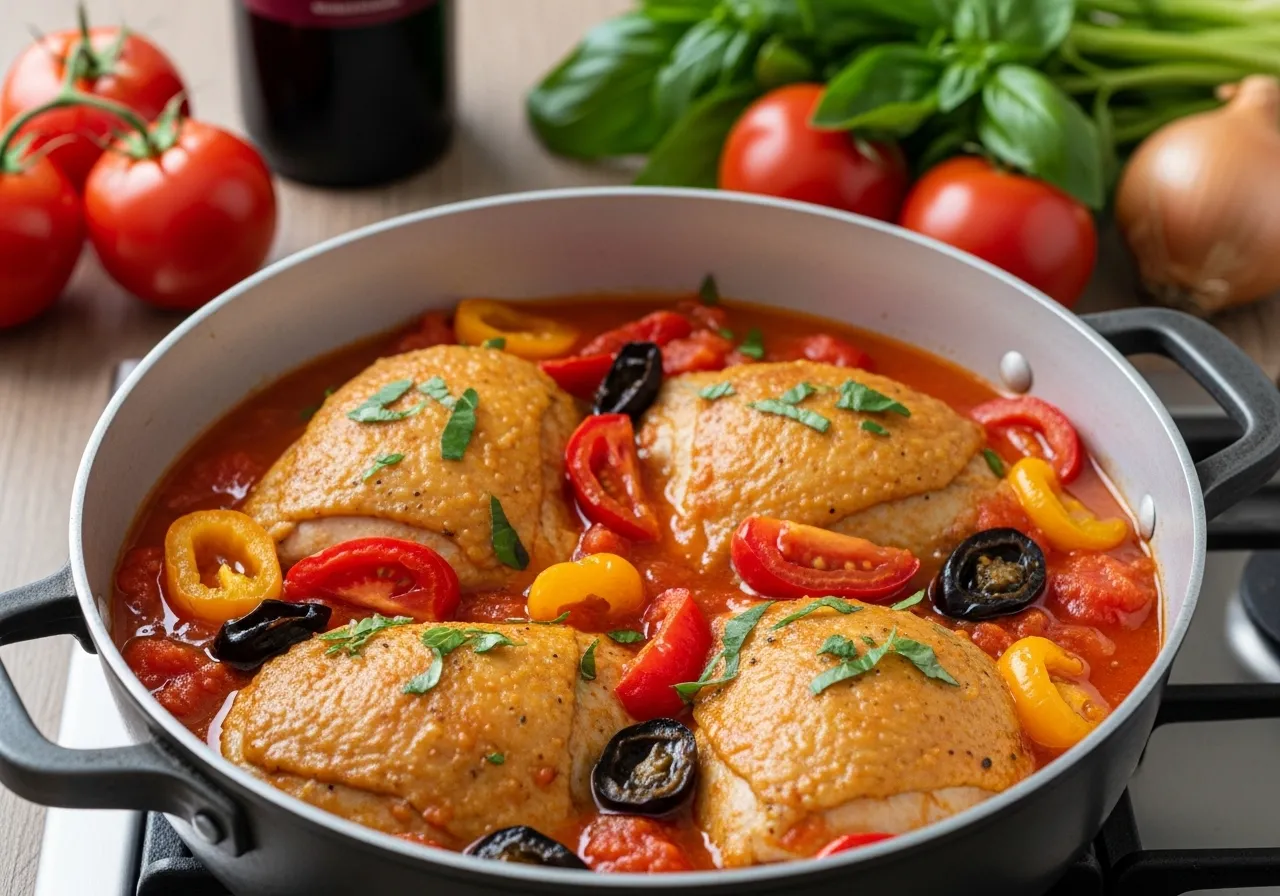
| Chicken Cacciatore | Tomato, Peppers, Red wine | Tomato sauce base, rustic flavor |
| Curry Chicken | Coconut milk, Curry, Turmeric | Spicy, creamy and exotic |
| Chicken Parmesan | Parmesan cheese, Breadcrumbs, Tomato | Breaded and au gratin, crispy texture |
| Garlic Chicken | Lots of garlic, Parsley, White wine | Intense garlic flavor, without marked citrus acidity |
| Orange Chicken | Orange juice, Soy, Sugar | Sweet and Asian touch, glazed sauce |
| Chicken with Mushrooms | Cream, Mushrooms, Onion | Creamy and smooth white sauce |
Frequently asked questions (FAQ)
Share your experience
Cooking is for experimenting and sharing. I'd love to know how this chicken turned out for you. Did you add any personal touches? Perhaps some olives or a little thyme? Leave your comment and share your own tips so we can all learn new ways to enjoy it!
Culinary glossary
To help you navigate the kitchen like a pro, here are some terms we've used:
- Sear: Briefly cook meat over high heat to brown the surface, creating a crust that adds flavor and helps retain juices.
- Deglaze: Add a liquid (wine, broth, juice) to a hot pan to dissolve and retrieve food bits stuck to the bottom after cooking.
- Reduce: Cook a sauce or liquid over medium/low heat with the pot uncovered so that part of the water evaporates, thus concentrating the flavor and thickening the texture.
- Majado (Pound/Crush): The action of crushing or grinding ingredients (like garlic or herbs) in a mortar to extract all their essence.
- Cooking point: The exact moment the food is cooked correctly; in chicken, it's when the meat loses its pink color and the juices run clear.


It turned out better than I expected. It was very yielding and perfect for sharing. Keep sharing more like this.
The flavor of this ‘Lemon and Rosemary Chicken’ surprised me. I took it to a meeting and it flew off the table.
Simple and delicious. I followed the steps and it worked on the first try. What a great guide.
This ‘Lemon and Rosemary Chicken’ is very practical and tasty. It turned out delicious for me, thanks for the tips.