
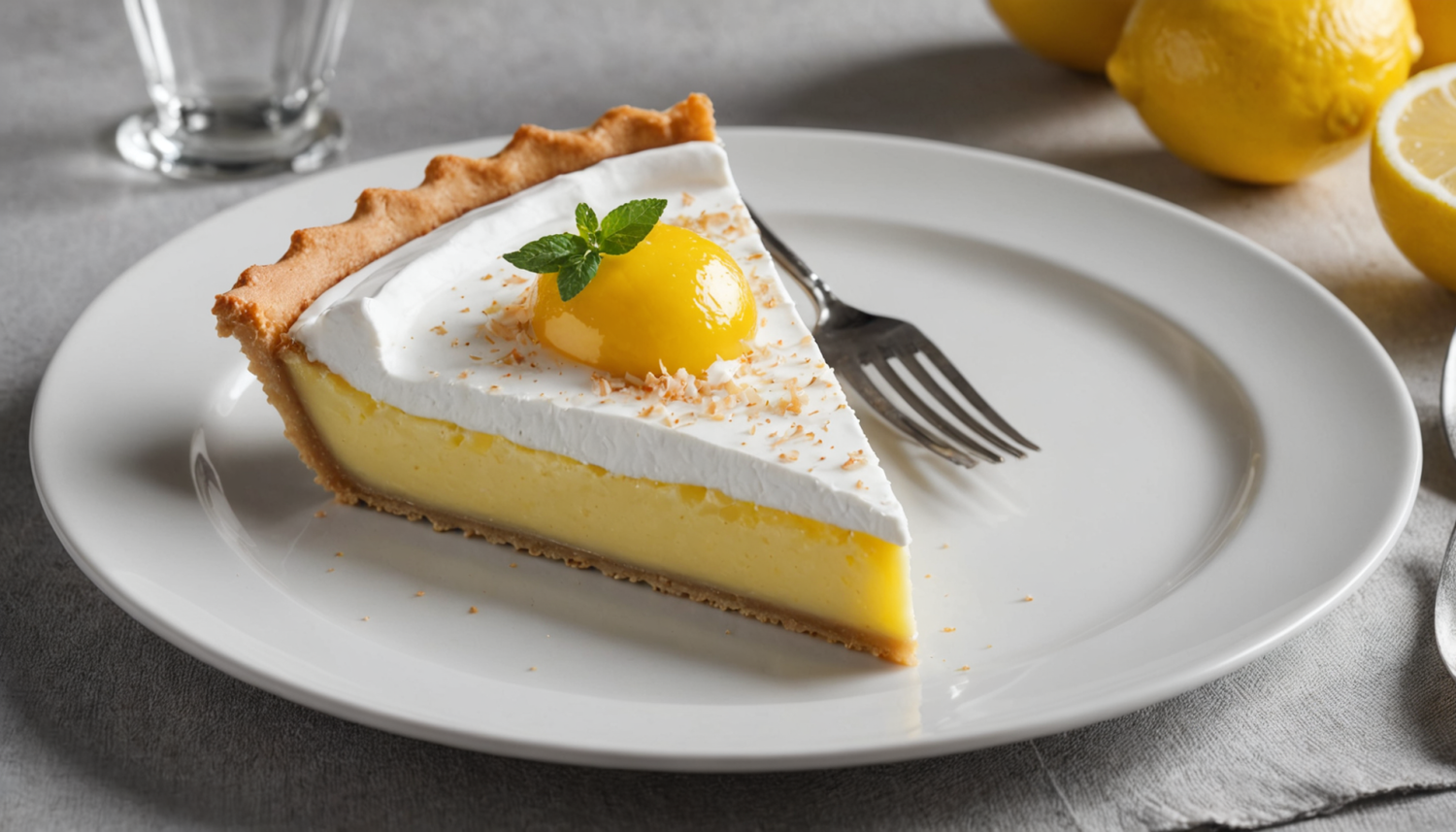
Cold Coconut and Lemon Tart Recipe
Hello! We are going to prepare a wonder that combines the best of the citrus world with an irresistible tropical touch. This cold tart is pure freshness, ideal for those days when you are looking for a dessert no-bake dessert that will surprise everyone with its elegance and flavor. The creamy texture of the coconut along with the intensity of the lemon will make you fall in love from the first bite, creating a perfect balance that cleanses the palate.
Preparation time
Organizing yourself in the kitchen is essential to enjoy the process without stress. Here is the time breakdown so you can plan your culinary day with peace of mind.
- Preparation: 40 minutes
- Cooking: 15 minutes (for the curd)
- Total: 8 hours and 55 minutes (including cooling times)
- Servings: 8-10 servings
- Difficulty: Intermediate
Ingredients
To achieve that authentic flavor and melt-in-your-mouth texture, it is vital to respect the quantities. We are going to use simple ingredients that you will surely find in your usual supermarket. If you like intense and creamy flavors, it will remind you of the smoothness of a tiramisu in glasses but with a much more fruity profile.
For the base
- 20-22 Maria-type Biscuits
- 80 g butter
For the filling
- 500 g mascarpone cheese
- 150 g cream cheese (Philadelphia)
- 150 g sugar
- 85 g of white chocolate
- 80 g shredded coconut
- Zest of one lemon
For the Lemon Curd (topping)
- 3 whole eggs
- 2 egg yolks
- Zest of 1 lemon
- 118 g lemon juice (approximately 3 lemons)
- 200 g sugar
- 150 g butter
Substitutions: If you can't find mascarpone cheese, you can substitute it with more cream cheese, although you will lose a bit of that characteristic Italian creaminess. If you love experimenting with different bases, like in a raspberry and dark chocolate tartlet, you could use cinnamon cookies, but the Maria cookie is the classic that works best here.
Utensils we will use
You don't need professional equipment for this sweet, but having the tools at hand will make the task much easier. If you like baking, you'll know that a good mold is half the battle.
- Food processor (or a zip-top bag and a rolling pin)
- 15 cm or 18 cm springform pan
- Baking paper (for the base) and acetate strip (optional, for the edges)
- Large mixing bowl
- Electric whisks or mixer
- Silicone spatula (baker's tongue)
- Medium saucepan (for the curd)
- Fine sieve
- Citrus grater
Step-by-step preparation
Follow these steps with care and patience. This recipe has several stages, but none are complicated if you pay attention to the details. By not using oven for the cake itself, we will focus a lot on textures and temperatures.
1. Base Preparation
- Crush the cookies: We will start by preparing the base. Place the cookies in a food processor and crush them until they are fine powder. If you don't have a machine, put them in a zip bag and roll over them vigorously until they are broken down.
- Mix with butter: Melt the butter (you can do it in a saucepan or microwave carefully). Pour it over the cookie crumbs and mix with a spatula until you get a wet sand texture.
- Prepare the mold: Lightly grease your springform pan. A trick is to put parchment paper on the base for easy unmolding and, if you have one, an acetate strip on the inner walls.
- Compact the base: Pour the cookie mixture into the pan. With the help of a flat-bottomed glass or the same spatula, press firmly to compact the cookie at the bottom. Take it to the fridge to harden while you continue with the rest.
It is important that the base is well compacted to support the weight of the cream, similar to the technique we use in other preparations such as the chocolate tart with nut crust, where support is fundamental.
2. Filling Preparation
- Beat the cheeses: In a large bowl, place the mascarpone cheese, cream cheese, and sugar. Beat with electric beaters at medium speed for just a few seconds, just enough to integrate and soften. Do not overbeat or the cheese could curdle.
- Incorporate the chocolate: Melt the white chocolate (in a double boiler or in short bursts in the microwave). Let it cool down a bit so as not to «shock» the cheeses and add it to the previous mixture. Integrate with gentle movements.
- Add the aromatics: Add the shredded coconut and lemon zest. Mix until everything is a homogeneous mass and smells heavenly.
- Initial assembly: Remove the mold from the fridge. Pour this filling over the cold cookie base. Smooth the surface a little and return to the fridge for a minimum of 2 hours to set.
3. Lemon Curd Preparation
- Mix ingredients: In a saucepan, add the eggs, extra yolks, sugar, lemon juice, and zest. Yes, all together.
- Cook over low heat: Place the saucepan over medium-low heat. You cannot get distracted here: stir constantly with a whisk or spatula. We want it to thicken without the egg curdling into lumps.
- The exact point: You'll know it's ready when the mixture coats the spoon (when you run your finger across the back of the cream-stained spoon, a clean line remains and it doesn't drip).
- Add butter and strain: Remove from heat. Pass the cream through a fine sieve to remove the zest and any possible egg lumps. Add the butter in pieces and integrate with the residual heat until it shines. Let cool to room temperature.
4. Final Assembly
- Cover the tart: Once the curd is cold (but fluid) and the tart filling has rested for 2 hours, pour about 250-280 g of the lemon cream over the tart.
- Smooth: Use an offset spatula or gently move the mold to cover the entire surface smoothly.
- Long rest: Return the tart to the fridge for a minimum of 6 hours. This is crucial for it to cut well. If you prefer an ice cream-like texture, you can freeze it.
To finish and serve
Once the resting time has passed, unmold very carefully. If you used acetate, remove it gently. For decoration, you can whip some cream and make rosettes, or sprinkle white chocolate shavings and a little more coconut on top. Serve each portion very cold; it's a dessert that shines by its temperature and contrast. If you have leftover egg whites, don't throw them away, they are perfect for trying a red fruit pavlova another day.
Nutritional Information
Here are the approximate values per serving for your reference. Remember that by carrying creamy cheeses and butter, it's a hearty but delicious dessert.
- Calories: 480 kcal
- Proteins: 6 g
- Fats: 35 g
- Carbohydrates: 38 g
- Fiber: 1.5 g
Note: Values are estimates based on a 10-serving division and may vary depending on the brands of ingredients used.
5 keys to make it perfect
Sometimes the small details make the difference between a good cake and an unforgettable one. Here are my secrets.
- Cheese temperature: Try to ensure that the mascarpone and cream cheese are not excessively cold when beating, so they integrate better with the sugar without forming unwanted lumps.
- White chocolate: It's tricky. If you heat it too much, it burns or the fat separates. Do it slowly and let it cool slightly before mixing it with cold dairy to avoid a thermal shock that solidifies the chocolate into small pieces. If you enjoy working with chocolate, this will serve as practice for recipes like dark chocolate truffles.
- Patience with the Curd: Don't turn up the heat to finish faster. If you do, you'll have lemon-flavored scrambled eggs instead of a fine, silky cream. Low heat is your best friend here.
- Resting is key: I know the temptation is great, but if you cut the cake too soon, the filling will crumble. The natural gelatins in the cheeses and the cocoa butter in the chocolate need cold to set.
- Quality lemons: When using raw zest, try to use organic lemons or wash them very well under the tap, scrubbing the skin. The aroma resides in the essential oils of the peel, so avoid grating the white pith, which is bitter.
When is it ideal to enjoy it?
This cake screams summer on all sides. It's the perfect end to a barbecue or a hearty meal, as lemon acts as a very refreshing palate cleanser. However, its elegance makes it suitable for any family celebration where you want to put a showy centerpiece without having broken a sweat turning on the oven. It's also a luxurious snack accompanied by iced tea. If you're looking for something equally fresh but with a different flavor profile, you might be interested in trying a cold yogurt and fruit tart at your next gathering.
Comparison table
Sometimes we hesitate about which lemon dessert to prepare. Here I help you decide by comparing our star with other popular options.
| Recipe | Key ingredients | Difference/advantage |
|---|---|---|
| Cold Coconut and Lemon Tart | Coconut, Mascarpone, Lemon | Creamy, no-bake, and tropical touch. |
| Lemon Bars | Shortcrust pastry, eggs, lemon | Individual format, denser texture, and baked. |
| Lemon Cheesecake | Cream cheese, cream, gelatin | More compact, predominant dairy flavor. |
| Strawberries with cream and coconut | Strawberries, coconut, mint | Much lighter and quicker option, no base. |
| Lemon Meringue Pie | Italian meringue, lemon cream | Very sweet due to the meringue, requires a blowtorch or oven. |
| Lemon Mousse | Condensed milk, lemon | Airy texture, very sweet, served in a glass. |
| Lemon Sponge Cake | Flour, yeast, oil | Spongy and dry, ideal for breakfast, not a creamy dessert. |
Frequently asked questions (FAQ)
Share your experience
The kitchen is a wonderful laboratory where everyone adds their personal touch. I would love to know how this fruit cake turned out. Did you add more lemon? Maybe you tried a different cookie? Leave your comment and share your own culinary findings with the community! I'm very excited to read how you adapt recipes in your homes.
Culinary glossary
So you don't get lost in any step, here's a simple explanation of some terms we've used.
- Curd
- It is a cream of English origin made with citrus fruit juice, egg yolks, sugar, and butter. It has a silky texture and an intense flavor.
- Nappe (or ribbon stage)
- It is the cooking point of a sauce or cream when it thickens enough to coat the back of a spoon and, when you run your finger across it, the path you leave remains without the cream running off.
- Bain-marie
- Technique for gently heating or melting ingredients (like chocolate) by placing one container inside another with hot water, without the water directly touching the ingredient.
- Acetate
- A transparent and flexible plastic sheet used in pastry to line the inside of molds and ensure that the edges of cold cakes are perfectly smooth when unmolded.
- Emulsion
- A homogeneous mixture of two liquids that normally do not mix well (like fat and water). In this recipe, we achieve this by whisking the butter into the hot curd.
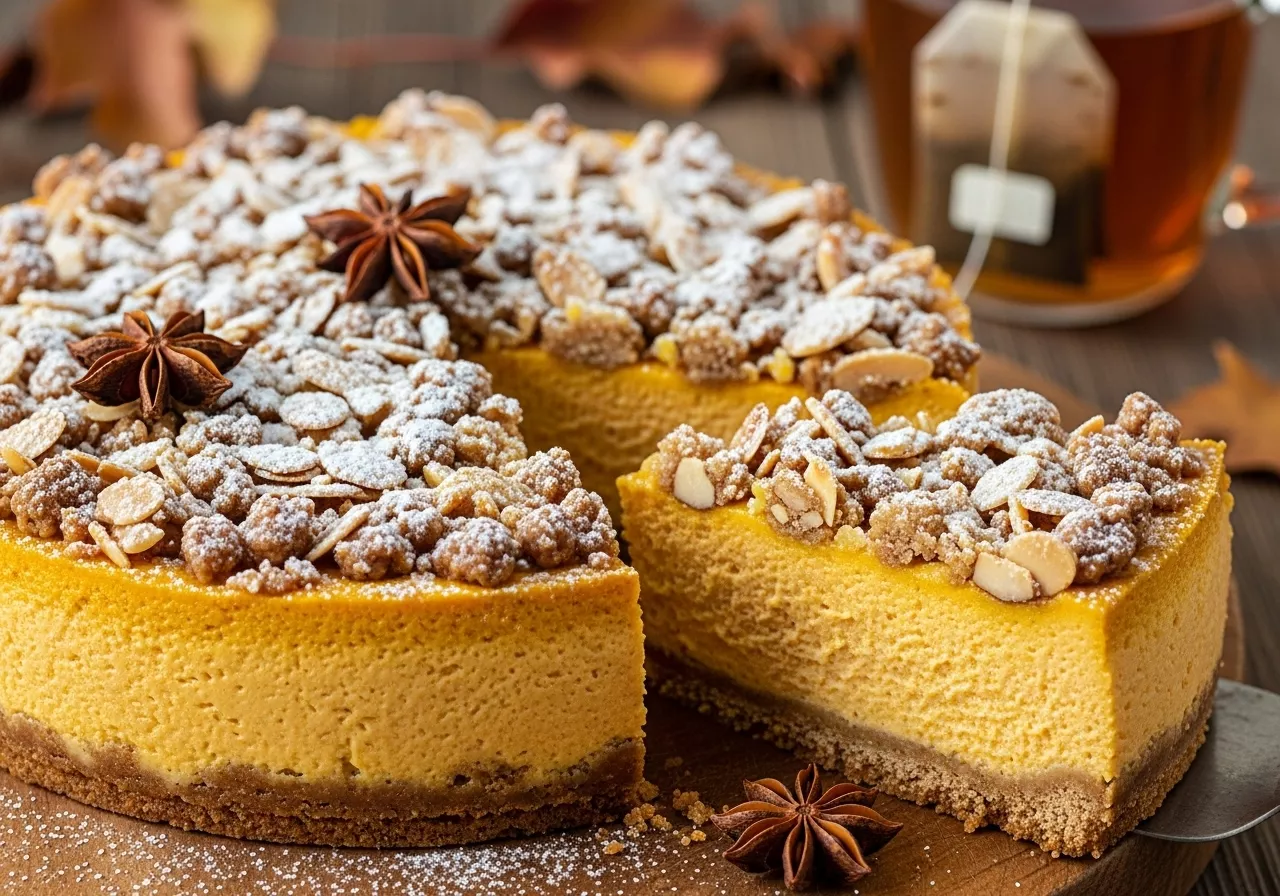


Impeccable texture and flavor this ‘Cold Coconut and Lemon Tart’. it turned out delicious, thanks for the tips. I tried it with a light salad and it was incredible.
This ‘Cold Coconut and Lemon Tart’ was delicious at home. .
This ‘Cold Coconut and Lemon Tart’ looks incredible. it turned out delicious, thanks for the tips. keep sharing more like this.