

Recipe for Cold Cucumber and Avocado Cream
Hello! We're going to prepare a recipe that will save you on those days when the heat is intense and you don't feel like turning on the stove. It's a refreshing, nutritious, and very simple cream that combines the hydration of cucumber with the silky texture of avocado. It's ideal for taking care of yourself without complications and having your meal ready in minutes.
Preparation time
Here's the breakdown of the time you'll need to organize yourself in the kitchen:
- Preparation: 15 minutes
- Cooking: 0 minutes
- Total: 15 minutes
- Servings: 4 people
- Difficulty: Easy
Ingredients
These are the ingredients we're going to use. It's important to respect the quantities to achieve the perfect balance between flavor and texture.
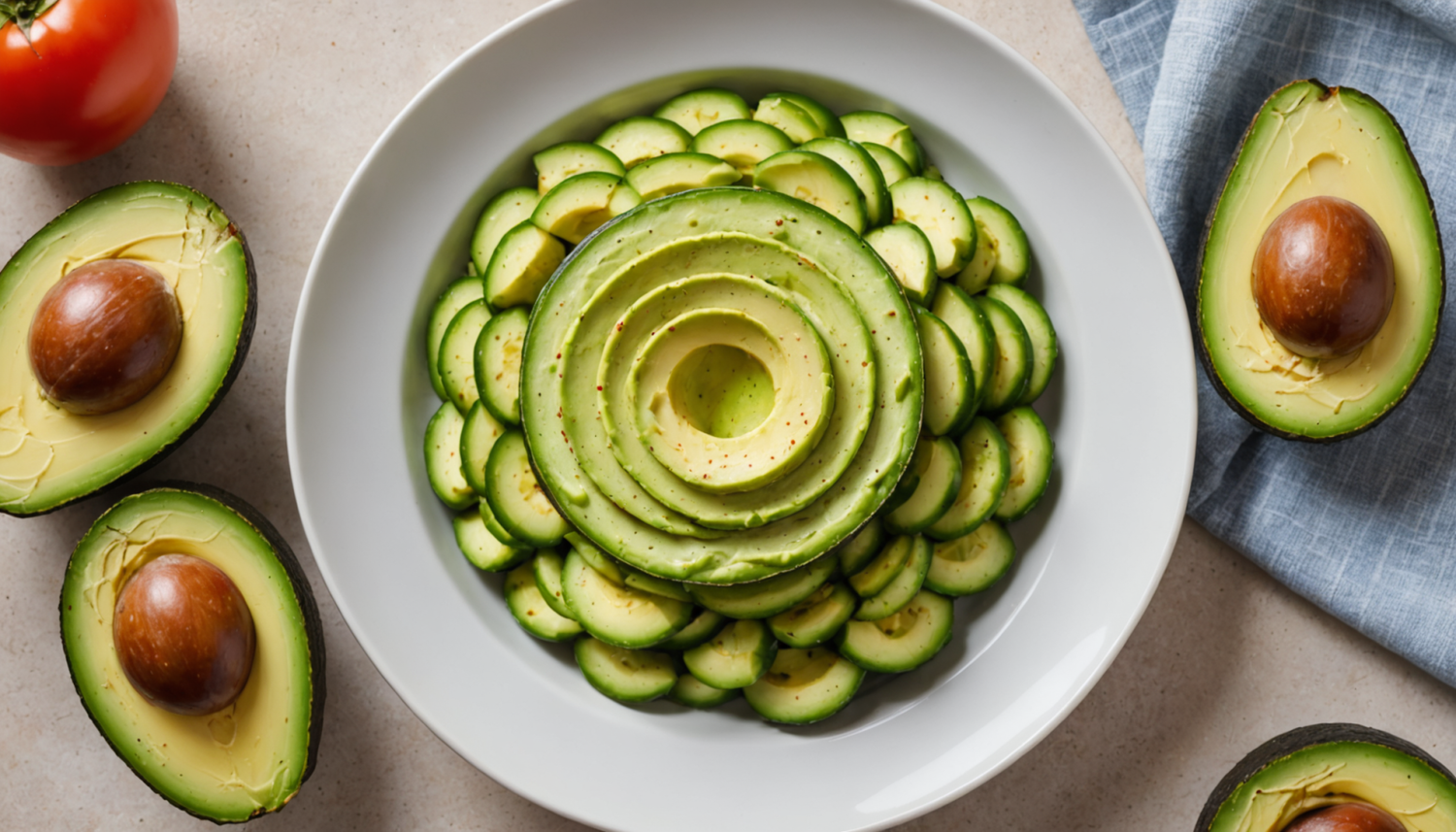
- 2 fresh and tender cucumbers
- 1 large avocado
- ½ spring onion
- 1 clove of garlic
- Juice of one lime
- Salt
- Freshly ground black pepper
- Extra virgin olive oil
- Cold water
For decorating
- Chopped cucumber
- Chopped onion
- Chopped green pepper
- Fresh chopped chives
If at any point you can't find lime, you could use lemon, although the aroma will change slightly. If you don't have spring onion, a mild white onion can work if you leave it in water a few minutes beforehand to soften its intensity.
Utensils we will use
You don't need professional equipment for this recipe; the basics you have at home are enough:
- Sharp knife
- Cutting board
- Vegetable peeler
- Blender or hand blender (immersion blender)
- Manual juicer (or your own hands)
- Bowl or deep container
- Spatula or mixing spoon
Preparation
Follow these steps carefully to achieve a fine texture and balanced flavor.
Preparation of the base vegetables
The first thing is to get the vegetables ready. Wash the cucumbers well under the tap. With a peeler, remove the skin from both cucumbers and chop them into medium slices or cubes; they don't need to be perfect because we're going to blend them. Peel half the spring onion and the garlic clove. For the garlic clove, I recommend removing the central germ if you want the flavor to be milder and not repeat.
Avocado preparation
Cut the avocado in half lengthwise, twisting the two parts to separate them. Carefully remove the central pit (you might stab yourself with the knife if you're not practiced, better use a spoon to scoop it out). Scoop out all the avocado flesh with the help of a spoon and add it directly to the rest of the ingredients.
Initial blending and seasoning
Place the chopped cucumbers, avocado flesh, onion, and garlic in the blender cup. Add the cold water (start with a small amount to control the thickness), a generous pinch of salt, freshly ground black pepper to taste, and the lime juice. Blend everything at medium-high speed until you see a homogeneous mixture without large chunks forming.
Texture and flavor adjustment
Once you have the base blended, taste the mixture. This is the time to adjust the salt if it tastes bland. If you find it too thick, add a little more cold water gradually and continue blending until you get the consistency you like best, whether it's denser like a light purée or more liquid like a soup.
Final emulsion
To give it that silky and shiny touch, keep the blender running at medium speed and pour a drizzle of extra virgin olive oil in a thin stream. This will help the cream emulsify, gaining body and creaminess on the palate. Blend for a few more seconds until the oil is fully integrated.
To finish and serve
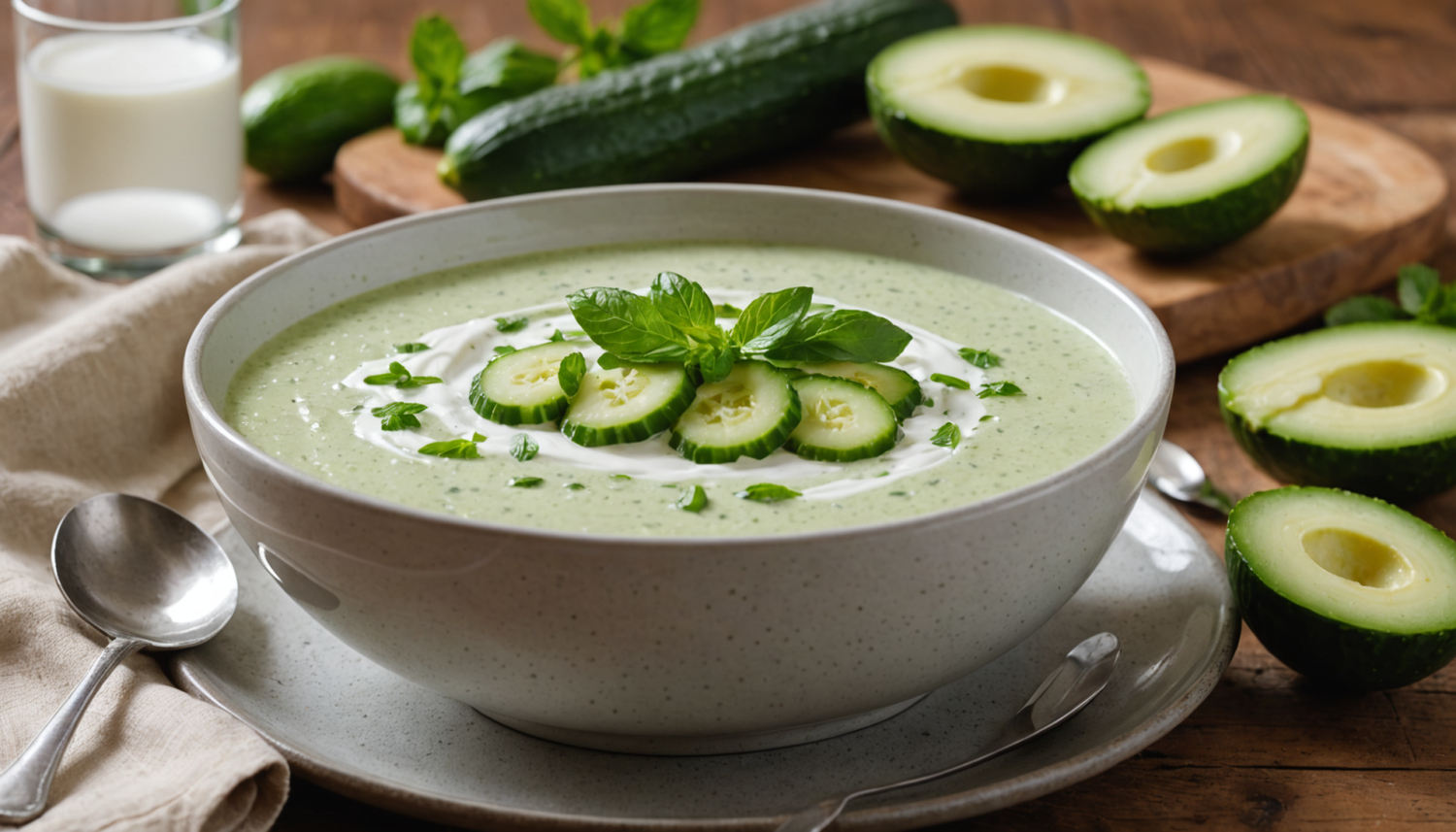
When the cream is ready, it's ideal to refrigerate it. Although we used cold water, a few hours in the fridge settle the flavors and the low temperature makes it much more appealing. Just before serving, stir well with a spoon. Serve in individual bowls or shallow glasses. Decorate the surface with the very small pieces (brunoise) of cucumber, onion, and green pepper that we had reserved, sprinkle fresh chopped chives on top, and finish with a drizzle of raw extra virgin olive oil to enhance the aroma. If you're looking for other refreshing options to accompany your summer menu, you can get inspiration from ideas like the pineapple and cucumber gazpacho, which plays with similar concepts of freshness.
Nutritional Information
Here is an estimate of the nutritional values per serving of this cream:
- Calories: 210 kcal
- Proteins: 3 g
- Fats: 18 g
- Carbohydrates: 12 g
- Fiber: 6 g
Please note that these values are approximate and may vary slightly depending on the size of the avocados or the amount of oil you use in the final finish.
5 keys to make it perfect
Sometimes, small details make the difference between a good cream and a spectacular one. Here are my tips to ensure success.
1. Temperature is vital. This recipe is not cooked, so the serving temperature is the only thing that transforms the experience. Use very cold water from the fridge or even ice water if you're in a hurry. If you eat it at room temperature, it can feel heavy due to the avocado fat. The cold cleanses the palate.
2. The role of lime. Don't omit the lime juice. Beyond the citrus flavor, ascorbic acid slows down avocado oxidation, keeping that vibrant green color for longer. Without it, your cream could turn an unappetizing brown color in a matter of minutes.
3. Control the garlic's potency. Since the garlic is raw, it can be very invasive. If you're not a fan of strong flavor, use only half a clove or blanch it for a second in boiling water before using it. This «scares» the garlic and softens its pungency, a useful technique also in recipes like cucumber and yogurt soup.
4. The final emulsion. Adding the oil at the end and not at the beginning changes the texture. By whisking it at the end, we create a real emulsion (like in a light mayonnaise) that traps air and makes the cream more velvety. If you put everything together from the start, it mixes, but it doesn't emulsify the same way.
5. Customize the texture carefully. Don't overdo it with the water at first. It's easier to thin out a thick cream than to try to thicken one that has become watery (you'd have to add more avocado, and you might not have any left). Go little by little, always tasting.
When is it ideal to enjoy it?
This cream screams summer from every angle. It's the perfect first course for a lunch on a heatwave day, when you need to hydrate and eat something light before your nap. Its ability to be prepared in advance makes it perfect to take in a thermos to the office or to have ready in the fridge when you get back from the beach.
It also works wonderfully as an elegant appetizer at a dinner with friends if you serve it in small shot-glass-sized cups, perhaps accompanied by some quick filled rolls to provide contrast. Being light, it leaves room for a more substantial main course without anyone feeling heavy. Even, to cleanse the palate between main courses, a small portion of this cream works very well due to its acidity and freshness.
Comparison table
Sometimes we confuse cold creams or don't know which one to choose depending on the occasion. Here I compare this recipe with other popular options.
| Recipe | Key ingredients | Difference/advantage |
|---|---|---|
| Cucumber and avocado cream | Cucumber, avocado, lime | Very creamy without dairy, no cooking required. |
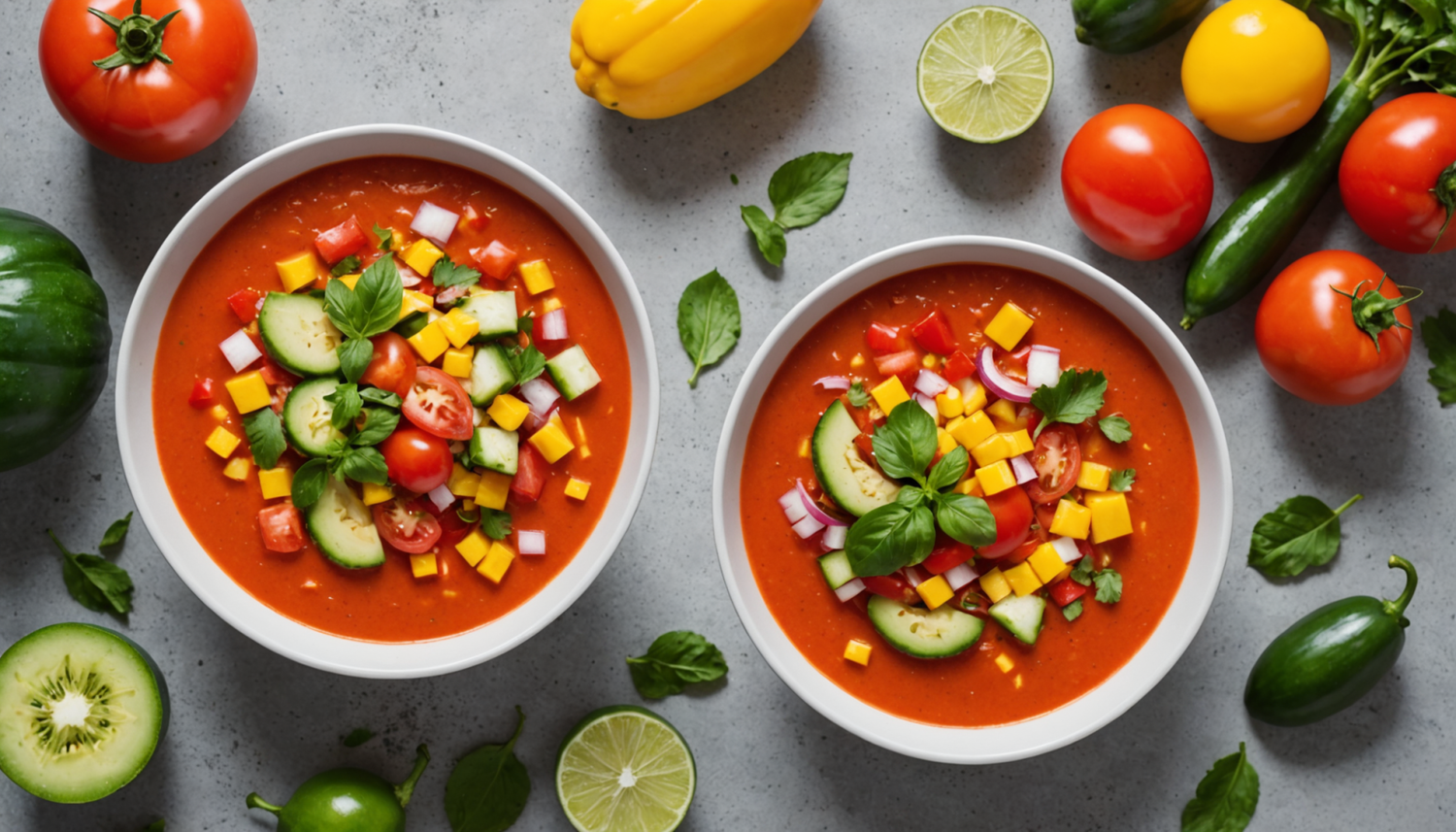
| Andalusian gazpacho | Tomato, pepper, bread | Tomato base, red color, more acidic. |
| Vichyssoise | Leek, potato, cream | It is cooked and then chilled, contains dairy. |
| Ajoblanco | Almond, garlic, bread | Flavor of nuts, more granular texture. |
| Salmorejo | Tomato, bread, garlic | Much thicker, almost eaten with a fork. |
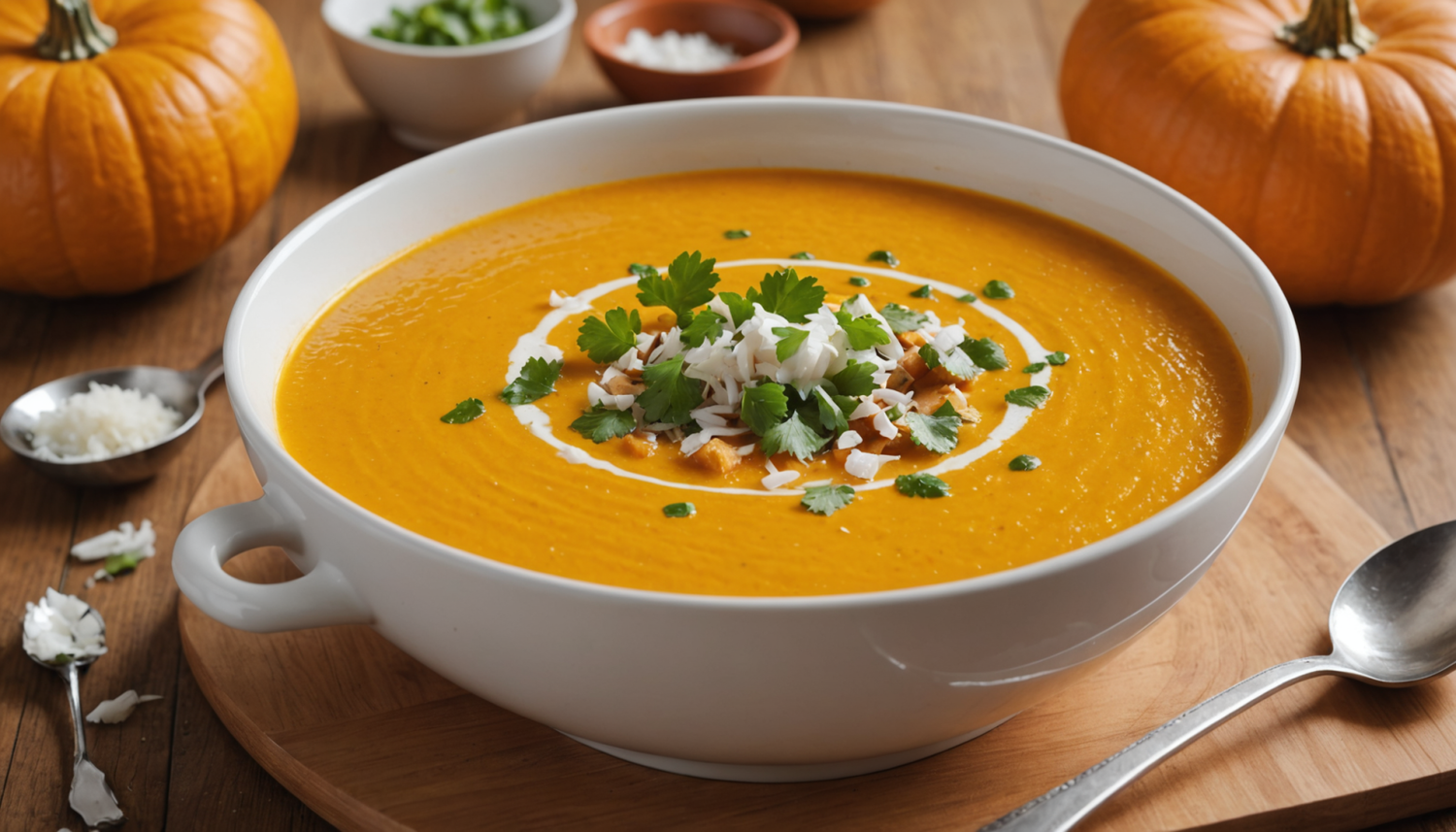
| Pumpkin and ginger cream | Pumpkin, ginger | Sweet and spicy flavor, requires prior baking. |
| Cold borscht | Beetroot, kefir/yogurt | Intense pink color, earthy and sweet flavor. |
Frequently asked questions (FAQ)
Share your experience
Cooking is for experimenting and sharing. I'd love to know how this cream turned out for you. Have you added any personal touches like mint or perhaps some croutons? Leave your comment below and share your own little tricks so we can all learn new ways to enjoy it!
Culinary glossary
- Emulsify: It's the process of mixing two liquids that normally don't combine well, like water and oil, by beating quickly to create a creamy and unified mixture.
- Rectify: Tasting the food almost at the end of preparation to adjust the salt, pepper, or acidity until the flavor is perfect.
- Brunoise: A way of cutting vegetables into very small and regular cubes, about 2 to 3 millimeters per side, ideal for decorating without being bothersome to chew.
- Blanch: Submerging a food (like garlic) in boiling water for a few seconds to soften its flavor or peel it better.
- Oxidation: The chemical reaction that occurs when avocado comes into contact with air and turns brown; we prevent it by using acid like lemon or lime.
What a delight! this ‘Cold cucumber and avocado cream’. I loved how clear the explanation is. what a good guide.
Very practical and tasty. I loved how clear the explanation is. it's really worth it.
We loved the result. the recipe is very well explained.