

Florentine Cookies Recipe
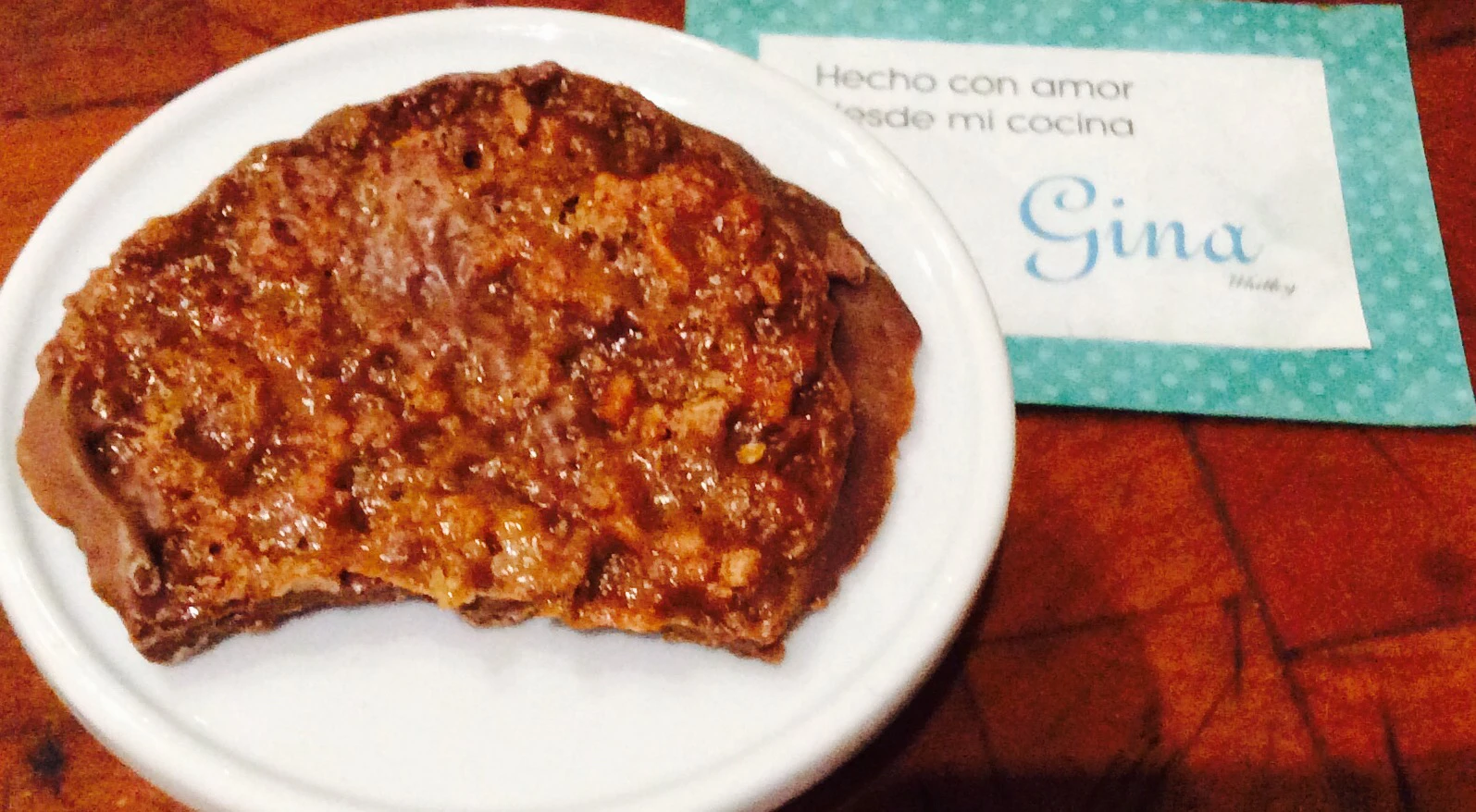
The Florentine cookies they are a crispy, delicate, and flavorful sweet, combining toasted almonds, candied fruits, and a silky layer of chocolate. This perfect recipe for home baking reflects a European tradition that delights with its texture and contrast between sweet and bitter.
With simple ingredients and a detailed process, you can enjoy these cookies at home, ideal for accompanying coffee or gifting to your loved ones. Discover how to make authentic Florentines by following this practical and clear guide.
Preparation time
To organize yourself better, here is the approximate time to make your Florentine cookies:
- Preparation: 20 minutes
- Cooking: 10 minutes
- Total: 30 minutes (not including cooling time)
- Servings: 12 cookies
- Difficulty: Easy
This time includes preparing the base mixture, baking, and chocolate coating, but remember to let the cookies cool completely for a better final result.
Ingredients
For the base mixture
- 50 g unsalted butter
- 25 g white sugar
- 25 g brown sugar
- 50 g of honey
- 50 g all-purpose flour
- 20 g candied orange
- 50 g sliced almonds
For the chocolate coating
- 125 g dark, milk, or white chocolate (of your choice)
If you don't have candied orange, you can substitute it with glacé cherries or candied fruits like dates or cranberries, which add different flavor nuances.
If you don't have sliced almonds, any sliced nut like hazelnuts or pistachios will work well, just make sure they are a similar size for uniformity.
Utensils we will use
- Pan or saucepan for melting and mixing
- Baking sheet
- Baking paper
- Spatula or wooden spoon
- Measuring spoon for shaping the cookies
- Cooling rack for cookies
- Heatproof container for a bain-marie (you can use a bowl or a glass bowl)
Preparation
1. Preheat the oven
- Prepare the oven: Preheat the oven to 180 ºC with top and bottom heat. A well-heated oven ensures even cooking and that the cookies are crispy and golden.
- Prepare the trays: Line two trays with parchment paper to prevent the cookies from sticking and to make them easier to remove once baked.
2. Mix liquid ingredients and sugars
- Mix butter and sugars: In a saucepan over low heat, melt 50 g of butter along with 25 g of white sugar, 25 g of brown sugar, and 50 g of honey. Stir constantly until the butter is completely melted, without letting it boil to prevent the sugar from caramelizing too much.
3. Incorporate dry ingredients and fruits
- Remove from heat: Once the butter and sugars are incorporated, remove the saucepan from the heat before adding the dry ingredients to prevent the flour from cooking too quickly and forming lumps.
- Add flour and fruits: Add 50 g of all-purpose flour, 20 g of chopped candied orange, and 50 g of sliced almonds. Mix well until a homogeneous combination is achieved.
4. Form the cookies
- Distribute the mixture: With the help of a spoon, place 12 portions of the mixture on the lined trays, leaving enough space between them, as they will expand when baked.
- Flatten slightly: Use the back of the spoon to press the portions and give them a round and thin shape, characteristic of Florentines.
5. Bake until golden
- Cook: Bake each tray for 8-10 minutes until the cookies are golden and crispy to the touch. If you have a small oven, do several batches to maintain a constant temperature.
- Cool: Let the Florentines cool on the tray, as they are delicate and can break or stick when still hot.
6. Melt and apply the chocolate
- Melt the chocolate: Use a double boiler by placing a bowl with the chopped chocolate over a pot with hot water over low heat. Stir until completely liquid and smooth.
- Cover the cookies: Once the cookies are cool, cover the smooth side of each florentine with a thin layer of chocolate using a spoon.
- Let it harden: Place the florentines on a rack or tray for the chocolate to solidify at room temperature or in the refrigerator.
To finish and serve
Verify that the chocolate has completely hardened before handling the cookies. This will prevent them from sticking or breaking. Serve the florentines with an infusion, coffee, or as an elegant sweet dessert option for any special occasion.
Nutritional Information
- Calories: 123 kcal per unit
- Proteins: 2.1 g
- Fats: 7.5 g
- Carbohydrates: 13.2 g
- Fiber: 1.3 g
These values are approximate estimates per serving and may vary depending on the brands and exact quantities used.
5 keys to perfect Florentine cookies
- Control the oven temperature: An oven that is too hot can burn the cookies; the ideal temperature is 180 ºC.
- Leave space between portions: When expanding, the florentines can stick together if they are too close on the tray.
- Mix carefully: Avoid over-beating once the ingredients are integrated, as it can harden the final texture.
- Cool well before coating with chocolate: This prevents the chocolate from melting and ruining the shape.
- Use baking paper: It will help you peel off the cookies without breaking them and will make cleaning easier.
When is it ideal to enjoy Florentine cookies
These cookies are perfect to enjoy at any time of the day, especially to accompany coffee or tea in the afternoon. They are also ideal for family events, celebrations, and as a homemade gift because their sophisticated presentation and exquisite flavor delight everyone.
During winter, their crunchy texture and chocolate provide warmth and comfort. They are a classic sweet treat that can enrich any table and become the delight of your guests.
Florentine Cookies and similar recipes: comparison to choose
| Recipe | Key ingredients | Difference/advantage |
|---|---|---|
| Florentine Cookies | Sliced almonds, honey, chocolate | Crispy texture with a delicate contrast of flavors |
| Orange and walnut cookies | Candied orange, walnuts, sugar | Citrus and toasted flavor, less sweet |
| Oatmeal cookies with apple | Oats, apple, cinnamon | Softer and chewier, without chocolate |
| Cookies of white chocolate and macadamia | White chocolate, macadamia nuts | Creamier and with an intense sweet flavor |
| Classic Florentines with mixed fruits | Assorted candied fruits, almonds | More assorted fruit colors and flavors |
| Pumpkin and Oat Cookies | Pumpkin, oats, chai spices | Autumnal, with spices and dense texture |
Share your experience preparing Florentine cookies
Cooking is for experimenting and sharing. When following this recipe, try different candied fruits or chocolates to adapt it to your taste. Which combination did you like best? Did you manage to make them crispy and with a balanced flavor? Tell us how it went and share your own tricks so we can all learn and enjoy together.
Culinary glossary to understand this Florentine cookie recipe
- Candied fruits: Pieces of fruit preserved and sweetened in syrup.
- Sliced almonds: Almonds cut into thin slices for a light and crispy texture.
- Water bath: Technique for melting chocolate or slowly melting ingredients using hot water vapor.
- Parchment paper: Special non-stick paper for oven cooking that prevents food from sticking.
- Honey: Natural sweet liquid produced by bees, used to bind and flavor cookies.

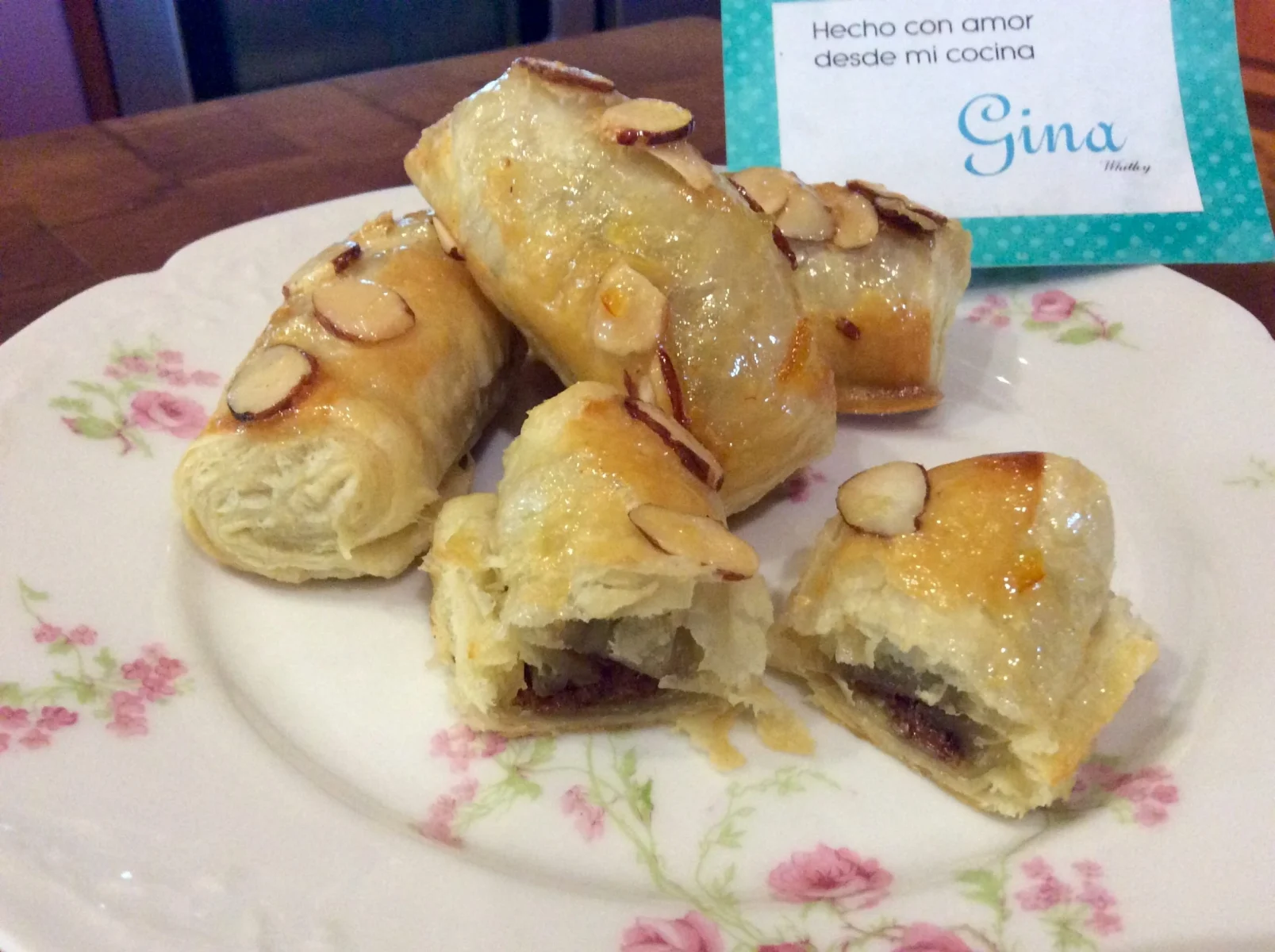

We loved the result of these ‘Florentine Cookies’. It reminded me of a version I tried on a trip. What a great guide.
I tried these ‘Florentine Cookies’ today. I took them to a meeting and they flew off the table.
What a delight! these ‘Florentine Cookies’. they were very yielding and perfect for sharing.