

Comforting Fish Broth Recipe
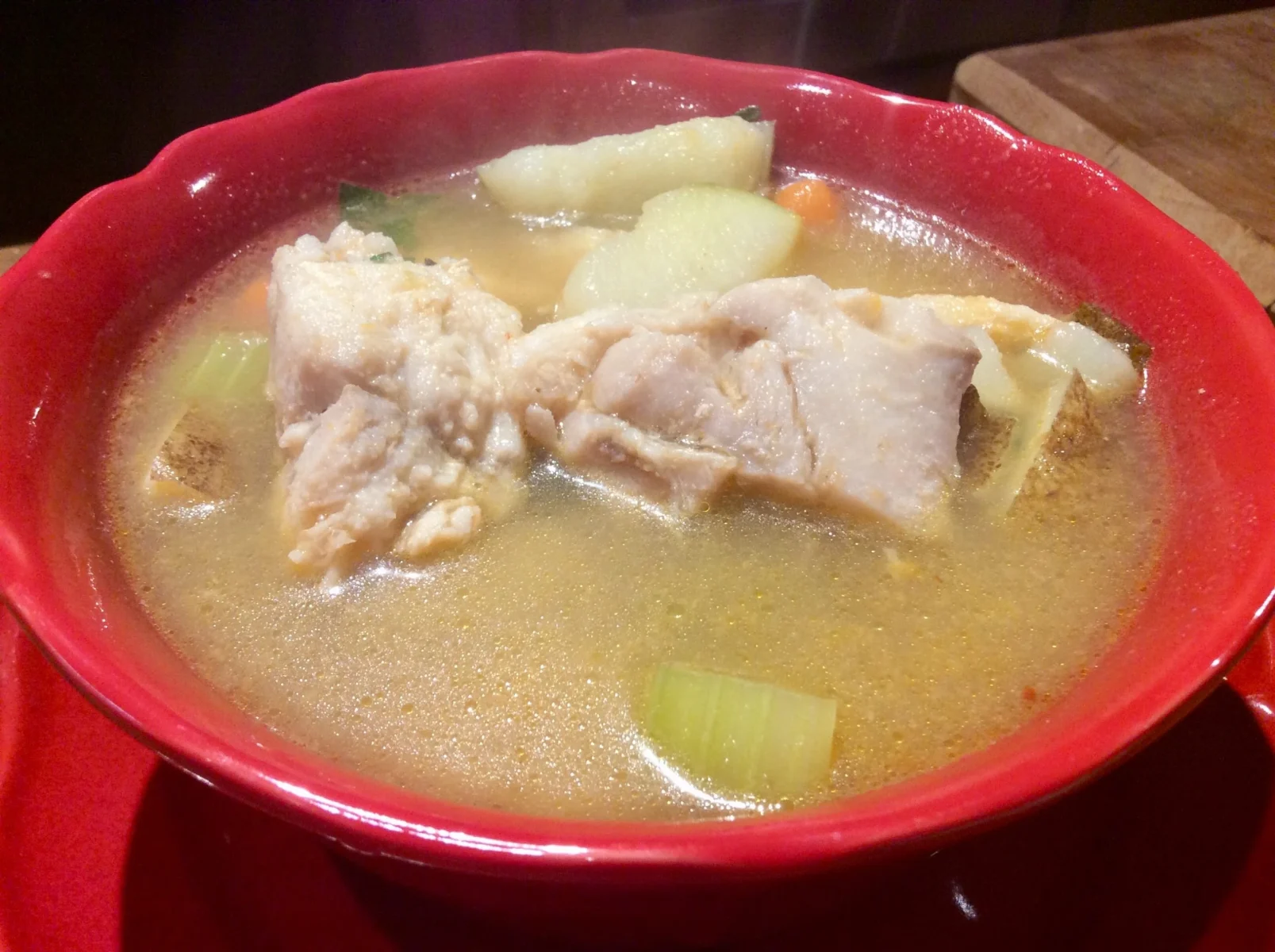
Hello! We're going to prepare a dish that is a true hug for the soul: a Mexican-style fish broth, simple and full of flavor. The essence of this recipe lies in its tomato and dried chili base that gives it a beautiful color and a deep taste without being complicated. It's ideal for a light but nutritious dinner, ready in a short time.
Preparation time
To organize ourselves better in the kitchen, here are the estimated times. You'll see that it's a very rewarding recipe because it cooks quickly.
- Preparation: 10 minutes
- Cooking: 20 minutes
- Total: 30 minutes
- Servings: 4 people
- Difficulty: Easy
Ingredients
For this broth to have that homemade and authentic flavor, we will respect the classic ingredients. You don't need anything strange, you'll find everything at the market or in your pantry.
For the seafood and fish
- 4 cod fillets (approximately 600g in total), cut into pieces
- 350g (12 ounces) of raw shrimp (can be peeled and deveined, or whole with shell)
For the broth and vegetables
- 2 Russet potatoes (or starchy white), peeled and cut into approx. 1 cm cubes.
- 2 medium carrots, peeled and cut into approx. 1 cm cubes.
- 3 celery stalks, cut into 1 cm cubes approx.
- 6 garlic cloves, peeled
- 1 ancho chili dry
- 2 dried guajillo chilies
- 1 can (800g / 28 oz) whole peeled tomatoes
- 1 liter (4 cups) fish broth
- Half a red onion, chopped
- 4 tablespoons olive oil
Spices and seasoning
- Half a teaspoon of black peppercorns
- 1 tablespoon dried Mexican oregano
- 1 dried bay leaf
- 2 teaspoons kosher salt (or to taste)
- Boiling water (as needed to soak chilies)
If you can't find cod, you can perfectly substitute it with another firm-fleshed white fish such as snapper (huachinango), halibut, or tilapia. The important thing is that it doesn't fall apart easily when cooked. If you are a lover of intense sea flavors, this base will also remind you of the power of bar-style shrimp broth, although our version today is milder and more familiar.
Utensils we will use
We don't need professional equipment, what you have at home is enough. If you're missing something, I'll give you an alternative.
- Large pot or Dutch oven (if you don't have one, use your thickest soup pot)
- Food processor or blender
- Small bowl (heat resistant)
- Fine mesh strainer
- Chef's knife and cutting board
- Wooden spoon or spatula for stirring
- Ladle for serving
Preparation
Let's organize the process so everything flows in the kitchen. Follow these steps and you'll see how easy it is.
Rehydrating the dried chilies
The first step is to awaken the flavor and soften the texture of our dried chilies.
- Bring one cup of water to a boil in a small saucepan or in the microwave.
- Place the ancho chili and guajillo chilies in a small heat-resistant bowl.
- Pour the boiling water over the chilies, making sure they are covered.
- Let them rest for about 10 minutes until they are soft and pliable.
- Remove the chilies from the water, remove the stems and seeds (you can leave some seeds if you like a spicy touch). Discard the soaking water if you find it too bitter.
- Bring one cup of water to a boil in a small saucepan or in the microwave.
- Place the ancho chili and guajillo chilies in a small heat-resistant bowl.
- Pour the boiling water over the chilies, making sure they are covered.
- Let them rest for about 10 minutes until they are soft and pliable.
- Remove the chilies from the water, remove the stems and seeds (you can leave some seeds if you like a spicy touch). Discard the soaking water if you find it too bitter.
Preparation of the tomato base
This is where we concentrate all the flavor of the broth.
- In the blender or food processor cup, place the whole canned tomatoes.
- Add the chopped onion, peeled garlic cloves, and the already hydrated and cleaned chilies.
- Add a pinch of salt and the black peppercorns.
- Process or blend everything until you get a very smooth and homogeneous sauce.
- Place the strainer over a medium bowl and pass the sauce through it. Use a spoon to press and extract all the juice, discarding the skins and solid remains left in the mesh. Reserve this fine sauce.
- In the blender or food processor cup, place the whole canned tomatoes.
- Add the chopped onion, peeled garlic cloves, and the already hydrated and cleaned chilies.
- Add a pinch of salt and the black peppercorns.
- Process or blend everything until you get a very smooth and homogeneous sauce.
- Place the strainer over a medium bowl and pass the sauce through it. Use a spoon to press and extract all the juice, discarding the skins and solid remains left in the mesh. Reserve this fine sauce.
Vegetable sofrito
Let's build the aromatic base directly in the pot.
- Place your large pot over medium heat and add the 4 tablespoons of olive oil.
- Add the chopped carrot and celery.
- Season with a generous pinch of salt and a little ground pepper if desired.
- Cook, stirring occasionally, for about 3 to 5 minutes. We are looking for the vegetables to soften a bit and the onion (if any pieces snuck in) to become translucent, but without burning.
- Place your large pot over medium heat and add the 4 tablespoons of olive oil.
- Add the chopped carrot and celery.
- Season with a generous pinch of salt and a little ground pepper if desired.
- Cook, stirring occasionally, for about 3 to 5 minutes. We are looking for the vegetables to soften a bit and the onion (if any pieces snuck in) to become translucent, but without burning.
Cooking the broth and potatoes
Now we combine the liquids and the remaining vegetables to cook the soup.
- Add the diced potatoes to the pot.
- Pour in the strained tomato sauce we had reserved.
- Incorporate the fish broth and the bay leaf.
- Add the tablespoon of dried Mexican oregano, rubbing it a little between your hands to release its aroma.
- Stir well to combine everything and raise the heat to bring it to a boil.
- As soon as it boils, lower the heat to a gentle level (simmer) to maintain a light bubbling.
- Cook for about 15 minutes or until, when pricking a potato or carrot with a fork, you feel it tender (tender point).
- Add the diced potatoes to the pot.
- Pour in the strained tomato sauce we had reserved.
- Incorporate the fish broth and the bay leaf.
- Add the tablespoon of dried Mexican oregano, rubbing it a little between your hands to release its aroma.
- Stir well to combine everything and raise the heat to bring it to a boil.
- As soon as it boils, lower the heat to a gentle level (simmer) to maintain a light bubbling.
- Cook for about 15 minutes or until, when pricking a potato or carrot with a fork, you feel it tender (tender point).
Cooking the fish and shrimp
Fish cooks very quickly, so this is the final step.
- Once the vegetables are ready, remove and discard the bay leaf.
- Carefully add the pieces of cod (or the fish you chose) and the shrimp to the pot.
- Let it cook over low heat for about 5 to 10 more minutes.
- You'll know it's ready when the fish looks opaque and flakes easily, and the shrimp have turned a bright pink color and a «C» shape.
- Taste the broth and adjust salt if you deem it necessary.
- Once the vegetables are ready, remove and discard the bay leaf.
- Carefully add the pieces of cod (or the fish you chose) and the shrimp to the pot.
- Let it cook over low heat for about 5 to 10 more minutes.
- You'll know it's ready when the fish looks opaque and flakes easily, and the shrimp have turned a bright pink color and a «C» shape.
- Taste the broth and adjust salt if you deem it necessary.
To finish and serve
Remove the pot from the heat immediately to prevent the seafood from overcooking and becoming rubbery. Serve the hot broth in deep bowls, making sure to evenly distribute the fish, shrimp, and vegetables. Traditionally, this dish is accompanied at the table with plenty of fresh chopped cilantro, lemon wedges to squeeze at the moment, and, if you like spicy food, a few drops of your favorite sauce. Serve it with warm corn tortillas or crackers.
Nutritional Information
Here is an estimated breakdown of what this comforting dish provides.
- Calories: 280 kcal
- Proteins: 32 g
- Fats: 8 g
- Carbohydrates: 22 g
- Fiber: 4 g
Note: Values are approximate estimates per serving and may vary depending on the size of the fish fillets or the brand of ingredients used.
5 keys to make it perfect
Sometimes, small details make the difference between a good soup and an unforgettable one. Here I share my secrets for this broth.
1. The firmness of the fish is vital
It is essential to choose a firm-fleshed white fish. Cod, snapper, or grouper are excellent options. If you use very delicate fish like sole, they will completely fall apart in the hot broth and you will lose the texture in every bite.
2. Don't skip straining
When blending the chilies with the tomato, there are always bits of skin or seed remnants. Passing the sauce through a strainer ensures a velvety texture in the broth, which makes it much more pleasant to the palate and more elegant to the eye.
3. The exact point for shrimp
The most common mistake is overcooking shrimp. Remember that they cook in minutes. As soon as they turn pink, turn off the heat. The residual heat of the broth will finish the job while you serve. Overcooked shrimp become tough and rubbery.
4. Correct hydration of chilies
Make sure the water is boiling when you pour it over the dried chilies. If the water is lukewarm, the chilies will not soften properly and it will be difficult to blend them, leaving a lumpy sauce or with large pieces of skin.
5. The final acidic touch
Lemon is not just a garnish. The acid from freshly squeezed lemon at the moment of eating enhances the flavors of the sea and cuts through some of the fat from the olive oil, balancing the entire dish. It's the finishing touch.
When is it ideal to enjoy it?
Fish Broth has a very special connection with Lent and Fridays where red meat is traditionally avoided. It is a dish that brings the family together on those dates, evoking tradition and respect. However, it should not be limited only to that time. It is wonderful for cold winter nights or those rainy days where the body craves something warm and restorative. It also works incredibly well as a main course for a Sunday meal, as it is light yet filling, similar to the comforting feeling a good tlalpeño broth, but with the freshness of the sea.
Comparison table
Sometimes we get confused with so many seafood soup options. Here I help you differentiate our Fish Broth from other popular recipes.
| Recipe | Key ingredients | Difference/advantage |
|---|---|---|
| Fish Broth (This recipe) | White fish, shrimp, tomato/guajillo chili base | Mild and familiar flavor, light red broth, quick cooking. |
| Shrimp Broth | Only shrimp (fresh and dried), carrot, potato | Much more intense and concentrated seafood flavor. |
| Seafood Soup (7 Seas) | Octopus, crab, clams, fish, shrimp | More complex and expensive, variety of textures. |
| Crab Chilpachole | Crab, corn dough (for thickening), epazote | Thicker texture like a savory atole and epazote flavor. |
| Shrimp Pozole | Cacahuazintle corn, dried shrimp, guajillo chili | Contains corn kernels and typical pozole garnishes. |
| Steamed Fish | Whole fish or steaks, tomato, onion (little broth) | It's more of a stew with sauce than a liquid soup. |
| Mole de Olla (Sea Version) | Fish, xoconostle, pasilla chili | More acidic and earthy flavor due to the xoconostle. |
Frequently asked questions (FAQ)
Share your experience
Cooking is for experimenting and sharing. I'd love to know how this broth turned out for you. Did you add any personal touches? Perhaps a little more spice or an extra vegetable? Leave your comment and share your own tricks so we can all learn together!
Culinary glossary
Here I explain some terms we used today, in case you're new to cooking.
Tender point: It refers to the cooking point where a food, like a potato or carrot, is cooked and soft when pricked with a fork, but maintains its shape without turning into a mash.
Guajillo Chili: It is a dried chili with smooth skin and a dark red color, widely used in Mexican cuisine. It provides a vibrant red color and a fruity flavor, with a generally low level of spiciness.
Dutch Oven: It is a heavy, enameled cast-iron pot with thick walls. It is excellent for soups because it distributes heat very evenly and retains it for a long time.
Devein: It is the process of removing the shrimp's «vein» or intestine, which looks like a dark thread along its back. It is done for hygiene and aesthetics, usually with a small knife.
Fumet: It is the technical name (although here we called it base broth) for a concentrated broth made from fish bones and heads, used to flavor soups and sauces.


Super recipe . I followed the steps and it worked out perfectly the first time. We accompanied it with a touch of chili and it was a hit .
It turned out delicious at home . I followed the steps and it worked out perfectly the first time. I tried it with freshly ground pepper and it was incredible.
We loved the result . I took it to a meeting and it flew off the table. We all loved it.
We loved the result . It was a total success with my family. It earned a place in my recipe book.