
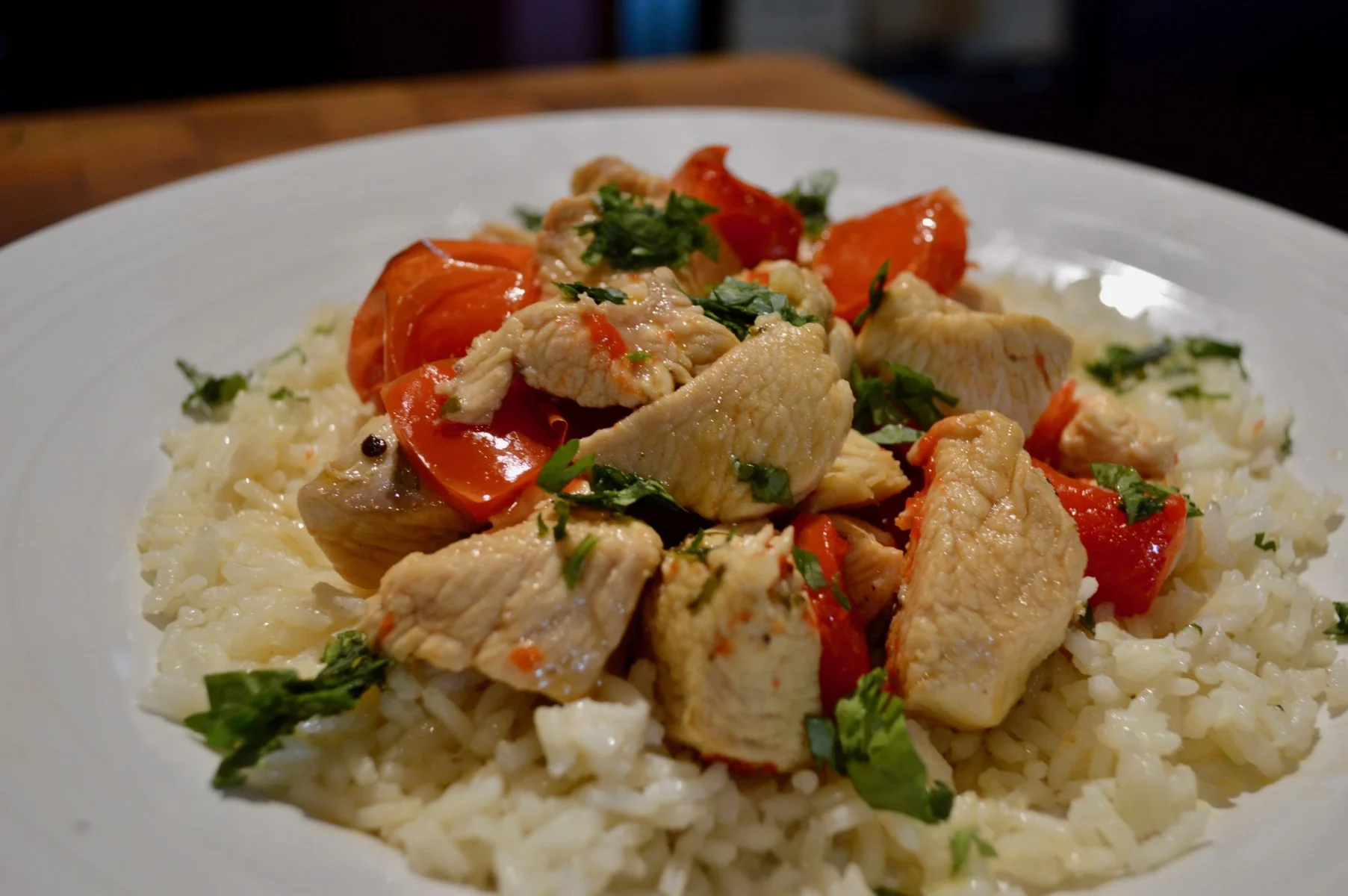
Homemade and Irresistible Lemon Chicken Recipe
Hello! Let's prepare together a dish that never fails at my table and that I'm sure will become one of your favorites. Lemon chicken is that perfect combination of vibrant acidity and juicy meat that comforts the soul and delights the palate, ideal for those looking for flavor without excessive complications.
Preparation time
Getting organized is the key to success in the kitchen, so here's the exact breakdown for you to plan your time stress-free.
- Preparation: 30 minutes (includes marinating time)
- Cooking: 45 minutes
- Total: 1 hour and 15 minutes
- Servings: 4 people
- Difficulty: Easy
Ingredients
To achieve that authentic, homemade flavor, we need fresh, quality products. Here's the exact list of what we're going to use.
- 1 kg of chicken (thighs and drumsticks are ideal for their juiciness)
- 3 large lemons (we'll use both the juice and the zest)
- 4 cloves garlic, finely chopped
- 2 tablespoons of extra virgin olive oil
- Salt to taste
- Freshly ground black pepper to taste
- 1 teaspoon dried oregano
- Fresh chopped parsley (for garnish at the end)
Options and substitutions:
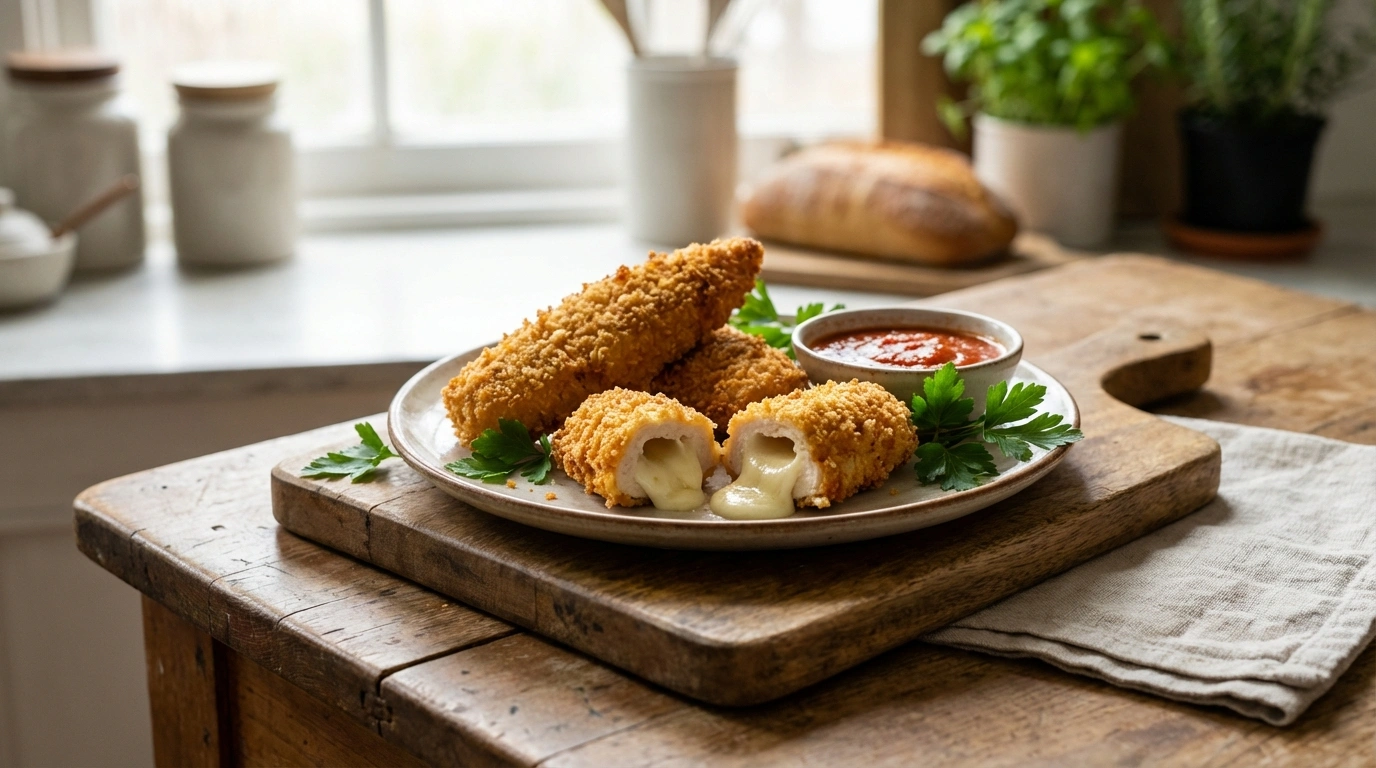
If you don't have thighs or prefer leaner, white meat, you can use breasts, although the cooking time will be shorter to prevent them from drying out. If you're looking for something more elaborate with chicken breast, I recommend looking at ideas like those stuffed chicken breasts that add extra texture. If you don't have oregano, thyme is an excellent aromatic alternative. For a different final touch, some cooks substitute parsley with cilantro fresh, giving it a more exotic flavor profile.
Utensils we will use
You don't need a professional kitchen for this dish; with your basic tools, you can achieve spectacular results.
- Large bowl or marinating bowl
- Oven-safe dish or heat-resistant tray
- Chef's knife and cutting board
- Citrus juicer (or you can do it carefully by hand)
- Fine grater (for the lemon zest)
- Spoon or basting brush to distribute the sauce
- Aluminum foil (optional, in case we need to cover)
Step-by-step preparation
Follow these steps calmly. The magic of this dish lies in the care you put into the process, especially in the marinating.
Prepare the Ingredients
Before turning anything on, let's get everything ready to work cleanly and orderly.
- Wash the lemons well under the tap and dry them.
- Grate the zest of the 3 lemons, being careful not to reach the white pith, which can be bitter.
- Squeeze the lemons and reserve the seedless juice.
- Peel the cloves of garlic and chop them into very small pieces (fine brunoise).
- Trim any excess fat from the chicken if you prefer, but do not wash the meat under water to avoid the spread of bacteria.
- Wash the lemons well under the tap and dry them.
- Grate the zest of the 3 lemons, being careful not to reach the white pith, which can be bitter.
- Squeeze the lemons and reserve the seedless juice.
- Peel the cloves of garlic and chop them into very small pieces (fine brunoise).
- Trim any excess fat from the chicken if you prefer, but do not wash the meat under water to avoid the spread of bacteria.
Mix the Marinade
This is where we create the flavor base that will define our dish.
- In the large bowl, pour the lemon juice and add the fresh zest.
- Incorporate the minced garlic, 2 tablespoons of olive oil, and dried oregano.
- Season the mixture generously with salt and pepper.
- Whisk lightly with a fork or whisk to slightly emulsify the oil with the lemon acid.
- In the large bowl, pour the lemon juice and add the fresh zest.
- Incorporate the minced garlic, 2 tablespoons of olive oil, and dried oregano.
- Season the mixture generously with salt and pepper.
- Whisk lightly with a fork or whisk to slightly emulsify the oil with the lemon acid.
Marinate the Chicken
Patience in this step ensures that the flavor penetrates the meat fibers.
- Place the chicken pieces into the bowl with the marinade.
- Use your (clean) hands or tongs to ensure that each piece is well coated on all sides.
- Cover the bowl and refrigerate it. Let it rest for at least 30 minutes. If you have more time, a couple of hours will intensify the result.
- Place the chicken pieces into the bowl with the marinade.
- Use your (clean) hands or tongs to ensure that each piece is well coated on all sides.
- Cover the bowl and refrigerate it. Let it rest for at least 30 minutes. If you have more time, a couple of hours will intensify the result.
Preheat the Oven
An oven at the correct temperature is vital for sealing in the juices.
- Turn on your oven to 200°C (390°F).
- Wait about 10-15 minutes until it reaches a stable temperature before putting in the meat.
- Turn on your oven to 200°C (390°F).
- Wait about 10-15 minutes until it reaches a stable temperature before putting in the meat.
Bake the Chicken
The moment of transformation through heat has arrived.
- Transfer the marinated chicken to the baking dish, arranging the pieces so they don't crowd too much.
- Pour all the marinade remaining from the bowl over the chicken; this liquid will turn into a delicious sauce.
- Place the dish in the oven. Cook for 40 to 45 minutes.
- Halfway through cooking, you can quickly open and baste the chicken with its own juices using a spoon.
- If you notice the skin browning too quickly before the meat is ready, cover the dish with aluminum foil for the last few minutes.
- You'll know it's ready when the skin is golden and crispy, and when you pierce the meat the juices run clear, not pink.
- Transfer the marinated chicken to the baking dish, arranging the pieces so they don't crowd too much.
- Pour all the marinade remaining from the bowl over the chicken; this liquid will turn into a delicious sauce.
- Place the dish in the oven. Cook for 40 to 45 minutes.
- Halfway through cooking, you can quickly open and baste the chicken with its own juices using a spoon.
- If you notice the skin browning too quickly before the meat is ready, cover the dish with aluminum foil for the last few minutes.
- You'll know it's ready when the skin is golden and crispy, and when you pierce the meat the juices run clear, not pink.
Let Rest
This step is the secret to a truly juicy.
- Carefully remove the dish from the oven.
- Do not cut or serve immediately. Wait 5 minutes with a clock in hand.
- This allows the internal juices, agitated by the heat, to redistribute throughout the piece.
- Carefully remove the dish from the oven.
- Do not cut or serve immediately. Wait 5 minutes with a clock in hand.
- This allows the internal juices, agitated by the heat, to redistribute throughout the piece.
To finish and serve
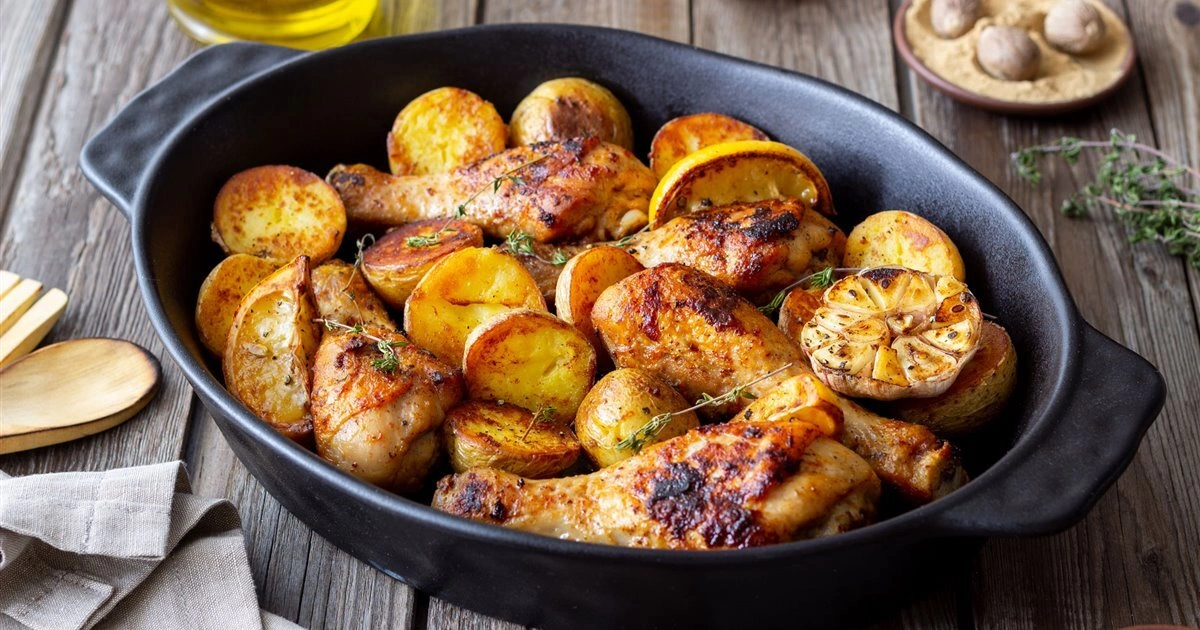
Once the resting time has passed, sprinkle the fresh chopped parsley on top for color and freshness. Serve the pieces hot, making sure to baste each portion with a good amount of the cooking liquid left in the dish. This marinade reduction is liquid gold. Accompany it with loose white rice that absorbs the sauce or roasted potatoes. Enjoy!
Nutritional Information
It's important to know what we are consuming. This dish is an excellent source of protein with a moderate fat profile, ideal for maintaining energy.
- Calories: 350 kcal
- Proteins: 30 g
- Fats: 20 g
- Carbohydrates: 3 g
- Fiber: 0 g
Note: Daily percentage values are based on a 2000-calorie diet. Nutritional values are estimates and may vary depending on the specific ingredients and portion sizes used in your kitchen.
5 keys to make it perfect
Although the recipe it's simple, there are small details that make the difference between a good dish and a memorable one. Here I share my chef's secrets so you can shine.
1. Lemon quality matters:
Since it is the undisputed star, try to use lemons with thick, aromatic skin. If they are very hard, roll them on the countertop, pressing lightly with the palm of your hand before cutting them; this will help them release much more juice. Avoid bottled lemon juice, as it often has a metallic or artificial aftertaste that would ruin the freshness of the dish.
2. Don't skip drying the chicken:
If you wash the chicken (although not recommended for food safety) or if it comes very wet from the package, dry it with absorbent paper before putting it in the marinade. Excess water dilutes the flavor of the marinade and causes the chicken to steam instead of roast, preventing you from getting that appetizing golden skin.
3. The balance of garlic:
The garlic it's delicious, but it burns quickly at high temperatures, becoming bitter. By finely chopping it and mixing it well with oil and lemon, we create a protective barrier. If you see any small pieces of garlic on the chicken starting to blacken too much in the oven, remove them or cover that area. We want toasted garlic flavor, not burnt.
4. Control the oven temperature:
Every oven is different. If yours heats up a lot, check the chicken at 30 minutes. If it heats up slowly, you might need a few extra minutes. The visual cue of browning and the tactile cue of firm meat are your best guides. Don't be afraid to open and look, but do it quickly so as not to lose heat.
5. Dare with herbs:
The classic recipe uses oregano, but fresh rosemary or thyme elevate the aromatic level. If you decide to experiment, remember that fresh herbs are best added towards the end or in whole sprigs to remove later, while dried herbs withstand prolonged heat better from the beginning. For more inspiration on herbs and roasts, you can check out how to make a oven-baked chicken with glaze and rosemary.
When is it ideal to enjoy it?
Lemon Chicken is a true gastronomic chameleon. Its freshness makes it perfect for the summer months, where we look for meals that don't leave us feeling heavy, but its comforting warmth makes it equally welcome at a winter dinner. It's the star dish for those family Sundays where you want to offer something delicious without spending the whole morning slaving over the stove.
It's also an excellent option for last-minute guests, as the ingredients are usually in our pantry. Being a dish that finishes in the oven, it leaves you free time to set the table or prepare a fresh salad while the house is filled with a wonderful citrus aroma.
Comparison table
Sometimes we confuse lemon chicken with other famous preparations. Here I help you distinguish them so you know exactly what to expect or what to cook next time.
| Recipe | Key ingredients | Difference/advantage |
|---|---|---|
| Lemon Chicken (This recipe) | Lemon, garlic, oregano | Roasted, fresh and natural flavor, no flour. |
| Chicken Piccata | Capers, butter, white wine | Creamier and saltier sauce, contains flour. |
| Chicken Cacciatore | Tomato, peppers, wine | Stewed with red sauce, more rustic and moist. To see the authentic recipe, check the chicken cacciatore. |
| Chicken Marsala | Marsala wine, mushrooms | Sweet and earthy flavor, dark sauce. |
| Lemon Fried Chicken (Chinese Style) | Battered, sweet and sour sauce, cornstarch | Crispy texture from deep frying, thick sauce. |
| Rosemary Chicken | Plenty of rosemary, oil, garlic | Very aromatic and herbal profile, less acidic. |
| Orange Chicken | Orange, soy, ginger | Sweeter and stickier, Asian profile. |
Frequently asked questions (FAQ)
Share your experience
The kitchen is a laboratory of flavors and every home has its magical touch. I would love to know how your lemon chicken turned out. Did you add any different herbs? Did you serve it with mashed potatoes or a salad? Leave your comment below and share your own little tricks with our community! Seeing how everyone adapts the recipe is my favorite part of sharing.
Culinary glossary
So that you have no doubts, here we review some terms we have used today.
- Marinate: Technique that consists of submerging a food, generally meat or fish, in an aromatic liquid (with acid, oil and spices) to tenderize it and give it flavor before cooking.
- Brunoise: A way of cutting vegetables into small, regular-sized cubes, generally 1 to 2 millimeters per side. We use it for garlic.
- Zest (Zest): The colored outer part of the skin of citrus fruits, which contains aromatic essential oils. It does not include the white part (albedo) which is bitter.
- Emulsify: To mix two liquids that normally do not combine easily, such as oil and lemon, by beating until a more or less homogeneous mixture is achieved.
- Sear: To cook the surface of meat quickly at high temperature to create a golden crust that improves flavor and texture, although in this recipe we achieve it through strong baking.

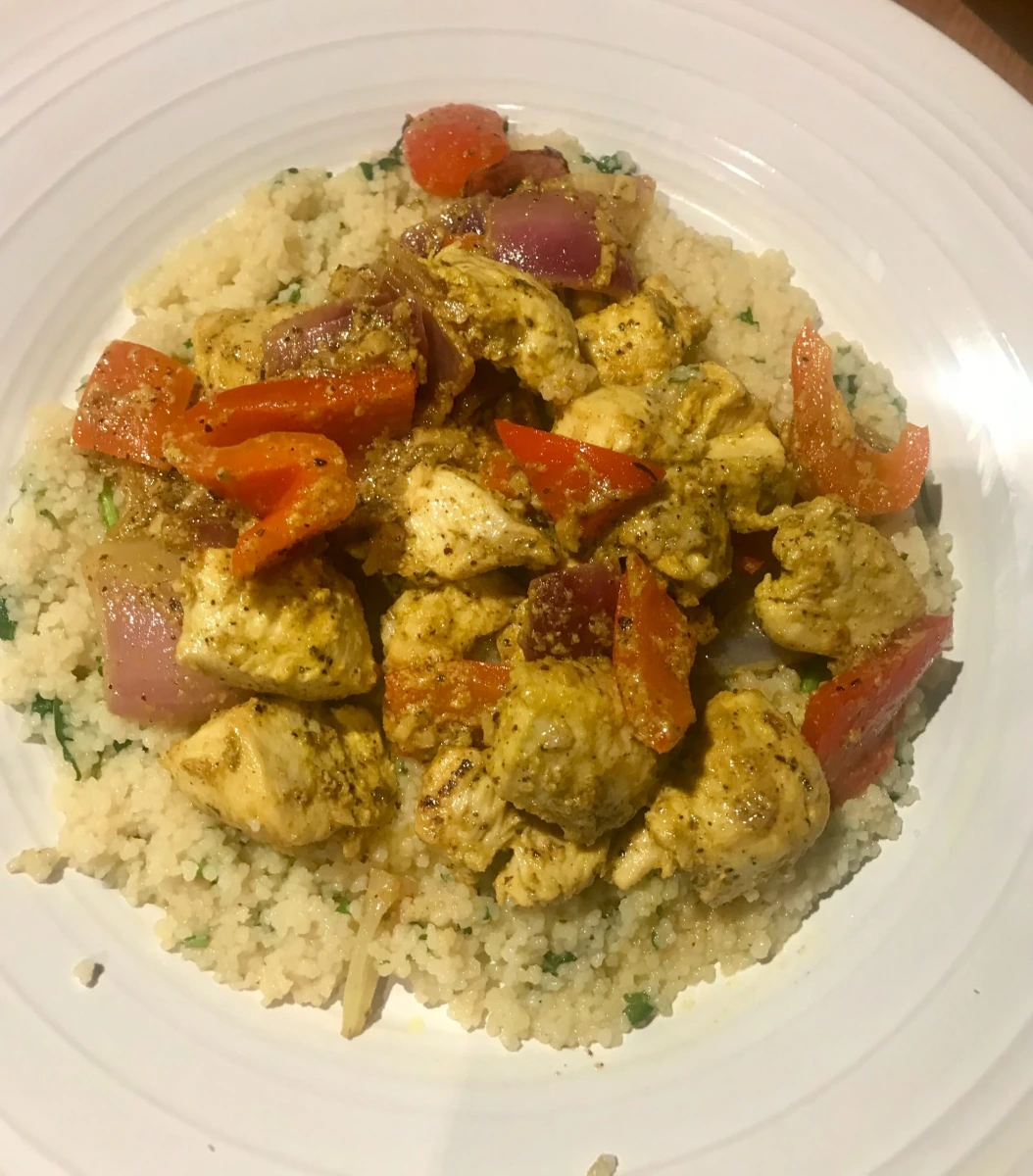

What a great idea. it was a total success with my family.
Perfect for sharing this ‘Lemon Chicken’ . it turned out delicious, thanks for the tips.
This ‘Lemon Chicken’ is very practical and tasty . it reminded me of a version I tried on a trip. we all loved it .