



Recipe for delicious classic French macarons
Preparing macarons at home is a fascinating process that transforms very simple ingredients into a baking masterpiece. This dessert, famous for its crispy exterior and soft interior, requires attention and care, but the result is absolutely rewarding. Today we are going to master the classic technique so that you lose your fear of this preparation and achieve perfect shells, with their characteristic foot and an unparalleled texture. The key to this recipe does not lie in having expensive equipment, but in understanding how the ingredients react with each other. By following these steps, you will be able to create sweets worthy of the best patisserie from the comfort of your kitchen, using tools you surely already have on hand.
- Recipe for delicious classic French macarons
- Preparation time and the importance of organization
- Exact ingredients and utensils we will use
- Meringue preparation and the art of macaronage
- Sifting and preparation of dry ingredients
- Making firm French meringue
- The macaronage process step by step
- Signs of the perfect batter consistency
- Piping bag preparation and filling
- Piping, drying, and perfect baking
- Piping the shells onto the tray
- Tapping the tray and removing bubbles
- Drying or croutage at room temperature
- The baking process and pie formation
- To finish and serve
- Nutritional information and 5 keys to make it perfect
- When is it ideal to enjoy it and recommended pairings?
- Recipe alternatives and practical culinary glossary
The magic of the sweet like this lies in the exact balance between moisture and structure. Many people believe that a special talent is needed to bake these little delights, but the reality is that it all comes down to precision and observing the signals the dough gives us. During the process, you will notice how the egg whites change texture, how the dry powders integrate to form a dense and shiny paste, and how heat transforms that paste into a firm structure. Understanding the «why» behind each action will give you the confidence to replicate success in every attempt. Don't worry if they don't turn out visually perfect the first time; the flavor will always be wonderful, and practice will refine your technique.
To achieve that bite delicious that melts in your mouth, it is essential to set aside haste. Pastry making is an exact science that rewards patience. From the moment we weigh the ingredients to the instant we take the tray out of the oven, each stage has its reason for being. For example, the air we incorporate into the meringue provides the lift, while the almond flour provides the body and characteristic flavor. If we learn to treat these components with respect, without overbeating or under-mixing, we will have half the battle won. Preparing this dessert is a mindfulness exercise that will deeply connect you with the art of cooking for your loved ones.
Furthermore, this preparation is incredibly versatile once you master the base. You can dye the shells with vibrant colors and fill them with an infinity of options, from a classic chocolate ganache to a refreshing jam of red berries. You can even experiment with more rustic versions, such as those that incorporate coconuts shredded, although today we will focus on the traditional French almond-based technique. The important thing is that, by the end of this guide, you will have a deep understanding of the chemical and physical processes that occur in your bowl and in your oven. So put on your apron, clear your workspace, and get ready to enjoy the wonderful process of creating fine pastry at home.
Throughout this explanation, I will accompany you step by step, detailing the textures, times, and visual cues that will indicate you are on the right track. We will leave nothing to chance. We will see how ambient temperature influences drying, how the strength of your oven affects the growth of the pie, and how a simple spatula movement can make the difference between success and failure. The kitchen is a laboratory where you are in control, and my goal is to provide you with all the tools and practical knowledge so that you feel capable and confident. Let's begin to discover the secrets of this wonderful recipe that will transform the way you see homemade pastry.
Preparation time and the importance of organization
Before lighting the stove or dirtying the first container, it is vital to understand how time is distributed in this preparation. In professional kitchens, we call this organizational phase «mise en place,» which simply means having everything weighed, measured, and in place before starting. For this recipe, the active working time is relatively short, around forty-five minutes. During this period, you will be sifting, beating egg whites, and mixing the dough with the appropriate technique. However, the passive time is much longer and is where the cook's patience is tested. This passive time includes the drying of the shells before baked good., which can take between thirty minutes and an hour depending on the humidity of your kitchen.
In addition to preparation and cooking time, we must consider maturation time. These desserts like this are not consumed immediately after coming out of the oven, however tempting it may be. Once filled, they need to rest in the refrigerator for at least twenty-four hours. This resting period allows the moisture from the filling, whether it's a buttercream or a ganache, to slightly penetrate the crispy shells, creating that chewy and soft interior texture that defines the perfect recipe. Therefore, if you plan to serve them for a special event, you should start preparing them a day or two in advance. This planning will save you stress and ensure an optimal result.
Baking itself is quite fast, taking approximately thirteen to fifteen minutes per tray. In total, from weighing the first ingredient until you take the last tray out of the oven, you can estimate about two hours, including drying time. This recipe yields approximately thirty shells, which translates to fifteen assembled units, perfect for sharing with family. The difficulty of this preparation is considered intermediate. Not because it requires unattainable techniques or industrial tools, but because it demands meticulous attention to detail and strict adherence to proportions and timings. It is not a recipe where you can improvise with quantities by eye.
To ensure everything flows smoothly, organize your workspace. Perfectly clean and dry all your utensils before starting, as any trace of grease in the bowl where you will beat the egg whites will prevent the meringue from forming correctly. Prepare your trays with parchment paper or silicone mats before you start mixing. Having the trays ready means the batter won't have to wait in the piping bag, which could alter its texture. This level of mental and physical preparation of the environment is what separates a frustrating attempt from a smooth and successful culinary experience. By mastering time management and organization, you will master the recipe.
Remember that the temperature and humidity of your kitchen play a crucial role in the indicated times. On a very rainy or humid day, the drying of the shells will take considerably longer. Don't despair if after thirty minutes the surface is still sticky; simply give them more time. Cooking requires constant observation and adaptation. If you learn to read the conditions of your environment and adjust resting times accordingly, you will be developing a true culinary instinct. Trust the process, respect the waiting times, and you will see how your effort is rewarded with exceptional results that will surprise everyone at home.
Exact ingredients and utensils we will use
To achieve the perfect texture, precision is non-negotiable, and that starts with the ingredients. We will need exactly one hundred grams of extra-fine almond flour. This ingredient provides the base structure and flavor. If you cannot find the extra-fine version, you can use regular almond flour, but you will need to process it at home along with the sugar sugar to refine it. It is crucial not to process it alone, as the natural oils of the almond would be released, forming a paste that would ruin the preparation. If you have an allergy to nuts, you can substitute almond flour with very finely ground pumpkin or sunflower seeds, following the same careful process to avoid extracting their oils.
Along with the almond, we will use one hundred grams of powdered or confectioners' sugar. This component is mixed with the almond flour to form the dry powders, technically known as tant pour tant. Powdered sugar not only sweetens but also helps to dry the batter and form the outer crust during resting. It is essential to sift both ingredients together to eliminate any lumps or large pieces of almond. Anything that does not pass through the sieve must be discarded and replaced with new weight to maintain the exact proportion. This attention to detail ensures a completely smooth and shiny surface in the final result, avoiding visual imperfections.
The heart of this recipe recipe is the French meringue, for which we will need seventy-five grams of egg whites and seventy-five grams of regular white sugar. The egg whites must be aged. This means separating them from the yolks one or two days before, storing them in a clean container in the refrigerator, and taking them out a few hours before use so they are at room temperature. Aging relaxes the proteins in the egg white and reduces its water content, resulting in a much more stable and firm meringue. The white sugar will be added gradually to give structure and shine to the mixture. For the filling, we will use one hundred grams of semi-sweet chocolate and one hundred grams of whipping cream, creating a simple but exquisite ganache.
As for utensils, the indispensable star is the digital kitchen scale. Measuring by cups is inaccurate due to the compaction of powders, so weighing in grams is mandatory. We will need a large bowl, preferably glass or metal, as plastic tends to retain fats that ruin the meringue. We will use a fine-mesh sieve to sift the dry ingredients and a silicone spatula, also known as a scraper, to incorporate the batter. The flexibility of the spatula is crucial for scraping the edges and bottom of the container well, ensuring a homogeneous mixture without hidden pockets of dry powder.
To shape our preparation, we will use a piping bag with a plain round nozzle of about eight or ten millimeters. If you don't have professional pastry tools, you can use a sturdy plastic bag, like a freezer-safe zip-top bag, by cutting off one of the bottom corners. Finally, we will use flat baking trays and good quality parchment paper or silicone mats. I prefer parchment paper because it transmits heat more directly in home ovens, helping the foot to grow more evenly. With these well-measured ingredients and the correct tools ready, we are prepared to begin the alchemy.
Meringue preparation and the art of macaronage
Sifting and preparation of dry ingredients
The first fundamental step in our recipe recipe is the preparation of the dry ingredients. Place the scale, put a bowl on top, and weigh exactly one hundred grams of almond flour and one hundred grams of powdered sugar. Once weighed, pass them through your fine-mesh sieve or sifter. With the help of a spoon or your spatula, gently press to help the powders pass through. If at the end there are coarse pieces of almond that resist passing, do not force them; simply remove them. This step ensures that our cookies shells have that smooth, professional, and shiny surface we are looking for, avoiding unsightly lumps in the final result.
Making firm French meringue
In an impeccably clean bowl, free of any trace of grease, pour the seventy-five grams of egg whites at room temperature. Begin to beat at medium-low speed until the whites foam and form large bubbles, similar to soap suds. At this point, begin to incorporate the seventy-five grams of white sugar little by little, in a fine drizzle, without stopping beating. Increase the speed slightly and continue beating until you obtain a firm and shiny meringue. You will know it is ready when, upon lifting the whisks, stiff peaks form that do not bend. If you carefully turn the bowl upside down, the meringue should not move at all. A weak meringue is the main cause of flat tops without a foot.
The macaronage process step by step
We arrive at the most critical and technical moment: the macaronage. Pour all the sifted dry ingredients at once over the firm meringue. With your silicone spatula, begin to integrate by making enveloping movements, scraping the edges of the bowl and bringing the mixture towards the center. At first, the dough will look dry and heavy, and you will think something went wrong. Keep mixing patiently. Once the powders are integrated, we will change the technique. Now, with the spatula, gently flatten the dough against the walls of the bowl and gather it again. This movement aims to deflate some of the air from the meringue, achieving the necessary fluid texture.
Signs of the perfect batter consistency
The exact point of the dough is known as the ribbon stage or lava stage. To check it, lift a good amount of dough with your spatula and let it fall back into the bowl. It should fall fluidly, thick but continuous, without breaking at first, forming a ribbon that slowly settles on the rest of the mixture. The classic test is to try to draw a number eight with the dough falling from the spatula without the line breaking. If the dough falls in thick pieces and does not melt, you should continue mixing and flattening a couple more times. If, on the contrary, it falls like water and melts immediately, you have overmixed. It is preferable to under-mix, test, and give a couple of additional movements if necessary.
Piping bag preparation and filling
Once the perfect lava texture is achieved, we must work quickly so that the dough does not dry out in the bowl. Place your round nozzle in the piping bag (or prepare your clean airtight bag). To facilitate filling without making a mess, I recommend inserting the piping bag into a tall glass or large cup, folding the edges outwards. Pour the dough inside with the help of the spatula, making sure not to leave large air pockets. Lift the edges of the piping bag, twist it to close it well, and apply slight pressure to make the dough go down towards the nozzle. We are now ready to shape our creations on the tray. baked good..
Piping, drying, and perfect baking
Piping the shells onto the tray
Place your parchment paper or mat on a flat, firm tray. To ensure all portions are equal, you can draw circles about three centimeters in diameter on the reverse side of the parchment paper with a pencil, using a coin or a small cutter as a guide. Hold the piping bag completely vertical, one centimeter from the surface of the tray. Apply constant pressure from above without moving the bag; let the dough expand on its own until it fills the circle. To finish, stop pressing and make a quick circular motion with your wrist to cut the flow of dough. Repeat this process, leaving a couple of centimeters of separation between each circle, as they will expand slightly when settling.
Tapping the tray and removing bubbles
Immediately after forming all the shells, lift the tray with both hands about ten centimeters from the table and drop it firmly. Repeat this sharp tap about three or four times. This step is fundamental to force trapped air bubbles to rise to the surface. You will see small bumps appear that burst. If any bubble does not burst on its own, you can use a clean toothpick to gently prick it. This process ensures that the inside of our shells does not have large gaps and that the surface remains smooth as glass, preventing cracks during baking caused by the expansion of trapped air.
Drying or croutage at room temperature
Now comes the moment to exercise patience: drying. Leave the tray to rest at room temperature in a place free of drafts and excessive humidity. This time varies drastically depending on the climate; it can take from thirty minutes on a dry day to more than an hour in a humid environment. The goal is for the surface of the dough to dry and form a thin film, a protective crust. To know if they are ready, gently touch the surface of a shell with the tip of a clean finger. If the dough does not stick to your skin and feels matte and dry to the touch, they are ready to go into the heat. This crust is what will force the dough to grow upwards during baking, forming the coveted foot.
The baking process and pie formation
Preheat your oven to one hundred and fifty degrees Celsius. It is highly recommended to use an independent oven thermometer, as household knobs are often inaccurate. Bake one tray at a time on the central rack. Around minute five, you will witness the magic: the heat will push the internal moisture, but since the surface is sealed by drying, the dough can only escape through the base, forming that characteristic ruffled edge or foot. Bake for a total of thirteen to fifteen minutes. To check if they are ready, open the oven and try to gently move the top of a shell. If it wiggles or slides on its foot, it needs a couple more minutes. If it feels firm and attached to the base, it's time to take them out.
To finish and serve
When removing the tray from the oven, immediately slide the parchment paper with the shells onto a cold surface, such as the countertop, to stop the cooking. It is of utmost importance that you let the shells cool completely before attempting to peel them off; if you do it while hot, the soft center will stick to the paper and the shells will break. Once cool, carefully peel them off. Prepare the filling by heating the cream and melting the chocolate in it until you obtain a homogeneous and firm mixture. Place the filling on half of the shells, close by making a slight twisting motion with the other half, and store them in an airtight container in the refrigerator for one day. Serve at room temperature to enjoy the perfect texture, accompanied by a good coffee, tea, or a glass of cava to highlight their delicate flavors.
Nutritional information and 5 keys to make it perfect
Before diving into the infallible tricks, it is useful to know the nutritional contribution of our preparation. These values are approximate estimates per filled unit, calculating a total of fifteen pieces. Each portion provides around one hundred and twenty kilocalories. As for proteins, they contain approximately two grams, mainly from egg white and almond. Fats are around six grams, contributed by the natural oils of the almond and the cream in the filling. Carbohydrates are fifteen grams, mostly from the sugars essential for the structure. Finally, fiber is approximately one gram. Keep in mind that these values vary if you decide to change the type of filling or the size of the portion served at the time of tasting.
1. Scale precision is your best ally. In many homemade recipes, a handful more or a dash less does not alter the final result. Here, the story is completely different. Structural chemistry depends on the exact balance between the moisture of the egg whites and the dry matter of the sugar and almond. Using measuring cups introduces a huge margin of error, as powders compact. Investing in a small digital scale will save you frustration, wasted ingredients, and ensure that the proportions are exactly what the formula requires to react correctly in the heat.
2. Total control over the meringue. A weak or overbeaten meringue is the ruin of the preparation. If the egg whites are not whipped enough, the final dough will be very liquid and the shells will expand like pancakes on the tray. If you overbeat and the meringue becomes dry and lumpy, the dough will be opaque, hollow inside, and prone to cracking. The key is to beat at medium speed to create small, stable bubbles, adding the sugar slowly so that it dissolves completely. Stop as soon as you achieve firm peaks that stand upright without curving. That is the point of maximum structural stability.
3. Understanding the macaronage point. This is the step where most beginners fail. The goal of macaronage is not just to mix, but to controllably deflate the meringue. If you under-mix, the dough will retain too much air, leaving peaks on the surface when piping and hollow or cracked shells when baking. If you over-mix, you will break the entire protein network, resulting in a liquid dough that will not form the foot and will be flat. The figure-eight test is your lifeline. Take frequent breaks to check the lava texture. Remember: it is always better to give a couple of additional movements than to have no turning back after overdoing it.
4. Respect the drying before baking. Drying or 'croutage' is not an optional step to save time. Its physical function is vital: it creates an impermeable barrier on top of the dough. When we introduce the tray into the oven, the heat causes the internal moisture to try to escape, expanding the interior. Since it cannot exit through the dry top crust, the pressure is directed towards the soft base, lifting the structure and creating the characteristic ruffle or 'foot'. If you bake without this crust having formed, the steam will escape from above, causing volcanic cracks and a dessert without elevation at the base.
5. Know the real temperature of your oven. Home ovens are liars by nature. If you set one hundred and fifty degrees, the actual internal temperature can be twenty degrees higher or lower, and it can have hot spots in certain areas. Excessive heat will brown the tops too quickly, cracking them or burning the edges before the center cooks. Insufficient heat will prevent the 'foot' from forming and leave the center completely raw and sticky. An internal oven thermometer is an economical and fundamental tool. Additionally, I recommend baking in the central part, using top and bottom heat without a fan, to prevent strong air from deforming the tops.
When is it ideal to enjoy it and recommended pairings?
The elegance and delicate texture of this preparation make it the perfect option for special occasions where you want to surprise with something handmade and full of sophistication. It is the ideal dessert to serve at a family tea afternoon, an intimate celebration, or as a gift packaged in a pretty box for a birthday. Unlike a heavy cake or a dense sponge cake, these small sweet bites offer a light yet intensely flavorful experience, allowing diners to enjoy different flavors without feeling overwhelmed. Furthermore, their colorful and refined appearance adds an undeniable visual touch to any celebration table or outdoor summer gathering.
The key to fully enjoying them lies in the contrast of temperatures and flavors. They should never be eaten straight out of the refrigerator, as the cold hardens the filling and the dough loses its chewy quality, becoming hard to bite. The expert advice is to take them out of the cold twenty to thirty minutes before serving. This time allows the cream or jam inside to regain its creaminess and for the almond flavors to bloom at room temperature. The perfect bite should offer a slight crunchy resistance in the outer shell, immediately followed by a soft and creamy melt in the palate.
Regarding pairing, beverages play a fundamental role in balancing the intensity of the sugar. An Earl Grey black tea, with its citrus notes of bergamot, is a classic companion that cleanses the palate between bites. If you prefer coffee, an unsweetened espresso or a mild Americano contrast wonderfully with the sweetness of the filling. For evening celebrations or formal events, a glass of dry champagne or a brut sparkling wine provides an acidity and bubbles that cut through the richness of ingredients like chocolate or butter, elevating the experience to a truly memorable and festive level.
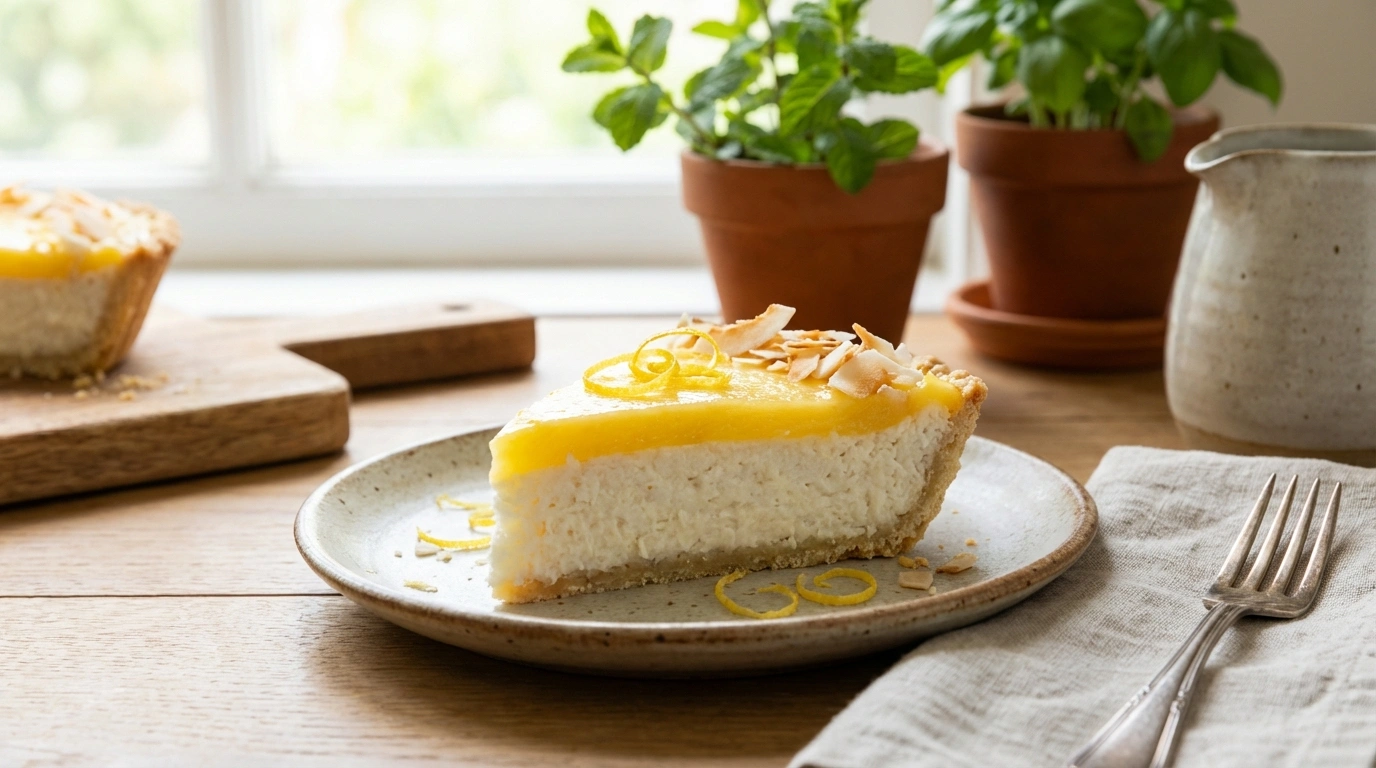
The versatility of the base dough allows you to play with fillings according to the season. In warm months, a whipped lemon ganache or a passion fruit jam bring freshness. In winter, warmer flavors like the salted caramel or pistachio cream are comforting. You can even integrate additional textures into the filling. If you enjoy creativity in the kitchen and are looking to use similar ingredients in other formats, I encourage you to try the combination of flavors in more rustic options, such as some delicious brownies con macarrones con coco, which offer a fabulous texture contrast and masterfully utilize shredded coconut.
It is also important not to confuse this delicate almond pastry with savory preparations that have similar names due to linguistic translations and adaptations over the years. While here we focus on achieving a sweet and airy cookie, the term often overlaps with comforting pasta dishes from home cooking. For a substantial dinner before serving our desserts, nothing beats a hot and creamy dish like a 4-cheese macaroni, which demonstrates how the same base word can lead us to completely opposite culinary worlds, but equally delicious and satisfying at the family table.
Recipe alternatives and practical culinary glossary
It is very common that, when looking for baking inspiration, we come across recipes that sound similar but require very different techniques and ingredients. Therefore, it is useful to establish a clear comparison. The star of our recipe today uses the French method, standing out for its use of fine almond, raw egg whites beaten with sugar, and its smooth texture with a baked 'foot'. A direct alternative is the Italian method, which uses the same key ingredients (almond and egg whites), but its big difference lies in pouring a hot syrup over the egg whites to make the meringue, resulting in a much more stable structure and less prone to failures in humid climates, although it requires more equipment, such as a candy thermometer.
Another variant that often causes confusion due to its name is the American style with coconut. Its key ingredients are shredded coconut, condensed milk, and egg whites. The fundamental difference is that they are much more rustic, dense, quick to make, and do not require resting or 'foot' formation; they are simply mixed and baked in the form of small mounds. If we look towards South America, we find alfajores, whose star ingredients are cornstarch and dulce de leche. Although they are also cookies joined by a filling, their dough is kneaded, rolled out with a rolling pin, and cut, resulting in a crumbly and floury texture that melts in the mouth, very different from the elasticity of our preparation today.
If we are looking for more cake-like options, Whoopie pies are an excellent reference. They use wheat flour, cocoa, and butter, and the advantage is that their texture is like a tender mini cake, baked without technical complications and filled with marshmallow cream. Finally, simple meringue kisses share egg whites and sugar, but since they do not contain almond flour, they are completely crunchy and hollow inside, drying in the oven at a very low temperature. Knowing these differences allows you to choose the baking project that best suits your energy level, the time you have available, and the ingredients you keep in your pantry.
So that you have no doubts during the process, let's review some technical terms we have used. Macaronage is the specific folding movement by which we integrate the dry ingredients with the meringue, pressing the mixture to remove excess air until it achieves a lava-like fluidity. Piping means shaping a fluid dough onto a tray using a pastry bag or similar utensil, controlling the size and pressure. The Croutage, or drying, is the resting time at room temperature that allows the surface of the dough to form a protective dry crust before baking, a vital step for it to grow correctly.
Other important terms include the French Meringue, which is the technique of beating raw egg whites, gradually incorporating white sugar until a white and firm structure is achieved. And finally, the Ribbon Stage or Letter Stage, which is the visual test to know if the macaronage is ready; it consists of lifting the mixture with the spatula and letting it fall; if it flows continuously, allowing you to draw figures on the surface without the line breaking immediately, the texture is correct. The kitchen is an open space for experimenting and sharing knowledge. Don't hesitate to put these techniques into practice at home; the satisfaction of achieving it with your own hands is priceless. Go ahead and prepare your own version, adjust the fillings to your liking, and enjoy the creative process in the kitchen!



I was surprised by the taste of these ‘Macaroons’.
These ‘Macaroons’ turned out better than I expected. They were very yielding and perfect for sharing.
These ‘Macaroons’ look incredible. They were a total hit with my family. What a great guide.