


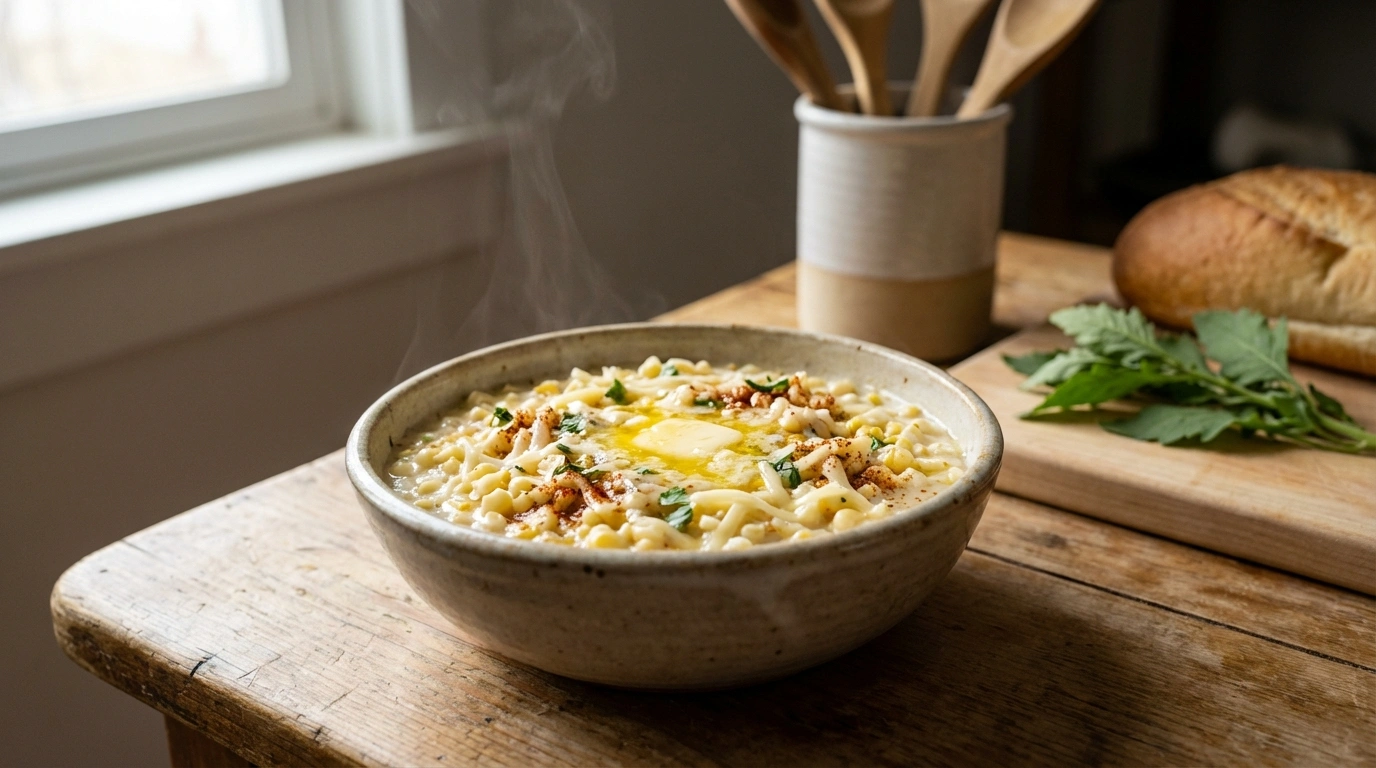

Traditional Red Pozole Recipe
Hello! We're going to prepare a dish that's a pure hug for the soul and a party for the palate. This broth is the essence of homemade food in Mexico, perfect for bringing the family together and enjoying deep flavors without unnecessary complications. I'll guide you step by step so it turns out spectacular.
Preparation time
Getting organized is key in the kitchen, especially with recipes that require care and time like this one. Here's the breakdown so you can plan your day.
- Preparation: 40 minutes
- Cooking: 3 hours
- Total: 3 hours and 40 minutes
- Servings: 8 to 10 people
- Difficulty: Intermediate
Ingredients
The quality of what we buy defines the final result. For this dish, we're looking for freshness and cuts of pork that add flavor and body to the broth. You don't need anything extravagant, just good basics.
For the broth and meat
- 1 kg pre-cooked cacahuazintle corn (bag or can, make sure to rinse it well)
- 1 kg pork shoulder (cut into medium pieces)
- 500 g pork spine (ask the butcher for it in pieces, this gives real flavor from the bone)
- 1/2 whole white onion
- 1 whole head of garlic (washed)
- Coarse salt to taste
- 4 liters of water (approximately)
For the red sauce (the adobo)
- 5 guajillo chilies (cleaned, without seeds or veins)
- 3 ancho chilies (cleaned, without seeds or veins)
- 2 peeled garlic cloves
- 1/4 white onion
- 1 teaspoon of dried Mexican oregano
- 1 pinch of cumin (optional, but enhances the flavor)
- Hot water (to hydrate the chilies)
To accompany (Garnish)
- Romaine lettuce washed, disinfected, and finely chopped
- Radishes washed and thinly sliced
- White onion diced into small cubes
- Lemons cut in halves
- Dried oregano for sprinkling
- Chile de árbol powder (for those who want more spice)
- Crispy corn tostadas
- Sour cream (for tostadas)
Note on substitutions: If you can't find fresh or pre-cooked cacahuazintle corn, canned works, just wash it very well to remove the preservative flavor. If you prefer to avoid pork, you can make it with chicken (breast and thigh), although the cooking time will be much shorter (about 45 minutes). In the case of the sauce, if you don't have ancho chili, you can use only guajillo, very similar to a guajillo chile sauce basic one, although the ancho gives it a deeper, earthier color.
Utensils we will use
No professional equipment is needed, what you have in your pantry is enough. The important thing is to have enough space for the broth.
- Large pot with lid (minimum 6-8 liters capacity)
- Blender
- Fine mesh strainer
- Large spoon for stirring
- Skimmer (to remove impurities from the broth)
- Chef's knife and cutting board
- Comal or small frying pan (to lightly toast the spices if desired)
- Small containers to serve the garnishes at the table
Preparation
Let's cook calmly. Follow the order so that the flavors integrate perfectly and the meat is at its exact point of tenderness.
Phase 1: Cooking the corn
- Corn cleaning
Pour the pre-cooked corn into a large colander and wash it under cold running water. Gently rub the grains together to remove excess starch and any remaining lime from the nixtamalization. Drain well. - Start of the broth
In your large pot, add the 4 liters of water, half an onion, and the whole head of garlic. Place it over high heat. - Add the corn
When the water begins to heat up (it doesn't need to boil yet), add the clean corn. Let it boil and, when it comes to a rolling boil, reduce the heat to medium. Cook this for only about 20 minutes so that the grain finishes «popping» or opening like a flower.
Phase 2: Cooking the meat
- Incorporate the meat
First add the pork backbone and trotters (if you decided to use them), and then the pork shoulder in pieces. Make sure the water covers everything; if not, add a little more hot water. - Skimming (Crucial step)
Raise the heat again until it boils again. You will notice a grayish foam beginning to rise to the surface. With the skimmer, patiently remove all that foam. This cleans the broth and prevents bitter flavors. - Slow cooking
Once the broth is clean, lower the heat to medium-low, partially cover the pot, and let it cook. This will take approximately 90 to 120 minutes. We are looking for the meat to be tender and easily shredded with a fork.
Phase 3: The red sauce (Adobo)
- Hydrating the chilies
While the meat cooks, place the guajillo and ancho chilies (already cleaned) in a small pot with boiling water. Turn off the heat and let them rest for 15 minutes until they are very soft and flexible. - Smoothie
Place the hydrated chilies in the blender. Add the 2 cloves of garlic, the 1/4 of an onion, the oregano, the cumin, and a little of the chili soaking water (just a little, half a cup) or clean water if you prefer less bitterness. Blend on high speed until you get a smooth and homogeneous paste. - Straining and seasoning
Over the pot where the corn and meat are cooking, place the strainer and pour in the red sauce. Use a spoon to press and extract all the juice, discarding any skins left in the mesh. This will result in a silky and fine broth. - Adjust seasoning
Stir carefully to integrate the red color throughout the broth. Now is the time to add the coarse salt. Taste the broth. It should be well seasoned; remember that corn absorbs a lot of salt. Let everything cook together for 30 more minutes over low heat so the flavors can meld.
To finish and serve
After this time, check that the meat is very tender and the corn kernels are completely open. Remove the head of garlic and the piece of onion that we put in at the beginning; they have served their purpose, and we don't want them to end up on anyone's plate. Serve the pozole very hot in clay or deep bowls, making sure each plate has a good portion of kernels, meat, and broth. Bring it to the table along with all the garnishes arranged in the center so that everyone can prepare it «to their liking.» Traditionally, it's served with lettuce, radish, onion, a good squeeze of lime, and accompanied by tostadas with cream. Enjoy!
Nutritional Information
Here is an estimate of what this comforting dish provides. Remember that values may change depending on the amount of fat in the meat or extra garnishes.
- Calories: 450 kcal
- Proteins: 28 g
- Fats: 18 g
- Carbohydrates: 42 g
- Fiber: 6 g
Nutritional values are approximate per standard serving, not including tostadas or extra cream.
5 keys to make it perfect
As a chef, I've learned that details make the difference between a good broth and an unforgettable one. Here I share my secrets for this dish.
- The doneness of the meat: Don't be afraid to cook the pork until it almost falls apart. The ideal texture is when you don't need a knife to eat it. If you use a pressure cooker to speed things up, cook the meat for 30 minutes and then add it to the corn in a regular pot so they can absorb flavors together.
- The «flowering» of the corn: Cacahuazintle corn should open like a flower. If you use pre-cooked corn, this is quick, but if you buy it raw, you'll need patience and perhaps a little lime for nixtamalization (although nowadays almost everyone buys it ready to use for convenience).
- Cleaning the chilies: Thoroughly removing the seeds and veins from dried chilies is not just to control the spiciness, but to prevent bitterness in the marinade. If you want it spicy, it's better to add chile de árbol or salsa macha at the end to your dish.
- Degreasing the broth: If you feel the broth is too greasy (pork releases a lot), let it cool a bit and remove the top layer of fat with a spoon, or do it the next day when the fat solidifies. A cleaner broth feels better in the stomach.
- The oregano: Use dried Mexican oregano, not Mediterranean. The flavor profile is more citrusy and earthy, ideal for this type of traditional food and spices. Rubbing it between your hands when adding it instantly releases its essential oils.
When is it ideal to enjoy it?
This dish is synonymous with celebration in Mexico. It is the undisputed king of the Fiestas Patrias in September, but its warmth makes it perfect for any large family gathering, birthday, or cold winter day. Being a high-yield recipe, it is ideal for when you have many guests and don't want to be enslaved in the kitchen when serving. Additionally, it is popularly said to be an excellent remedy to «revive» after a long night of partying, just like a good traditional birria, thanks to its combination of spice, hot broth, and proteins.
Comparison table
Sometimes we get confused among so many delicious broths we have. Here I show you how our star dish stands out from similar ones.
| Recipe | Key ingredients | Difference/advantage |
|---|---|---|
| Red Pozole (Main) | Cacahuazintle corn, Pork, Guajillo Chili | Intense flavor and deep red color, the most classic. |
| Green Pozole | Green tomato (tomatillo), Pepita, Cilantro | Herbal and fresh flavor, typical of Guerrero. |
| White Pozole | Corn, Pork, No sauce in cooking | Neutral flavor, everyone adds sauce at the table. |
| Menudo / Pancita | Beef tripe, Guajillo chili, Epazote | Gelatinous texture, stronger offal flavor. |
| Tlalpeño Broth | Chicken, Chickpea, Chipotle Chili | Contains vegetables and the smoky spice of chipotle. |
| Tortilla Soup | Tomato broth, Fried tortilla strips | It's a light starter soup, not a main course. |
| Birria | Beef or goat meat, Spiced adobo | More concentrated flavor of spices and roasted/stewed meat. |
Frequently asked questions (FAQ)
Share your experience
Cooking is for experimenting and sharing. I'd love to know how yours turned out, if you dared to add any extra ingredients, or if you have any special touch you inherited from your grandmother. Leave your comment and share your own little tricks to enrich our community!
Culinary glossary
- Cacahuazintle: A variety of large-grain, white, floury, and soft corn, native to Mexico, used specifically for this dish.
- Nixtamalization: An ancestral process of cooking corn with water and lime, which allows it to be peeled, making it more nutritious and digestible.
- Desflemar: In this context, to soften the strong flavor of onion or chilies by soaking them in water or vinegar, although we also use the term to clean impurities.
- Marinade: A thick sauce made from dried chilies, spices, and vinegar or water, used to marinate or to flavor and color broths and meats.
- Skim: To remove with a spoon or skimmer the layer of foam and impurities that rises to the surface of a broth when it begins to boil.



It turned out delicious at home. it reminded me of a version I tried on a trip. I loved it, I'll repeat it soon.
What a great idea this ‘Red Pozole’ is. super easy to follow, ideal for beginners. thanks for sharing.