
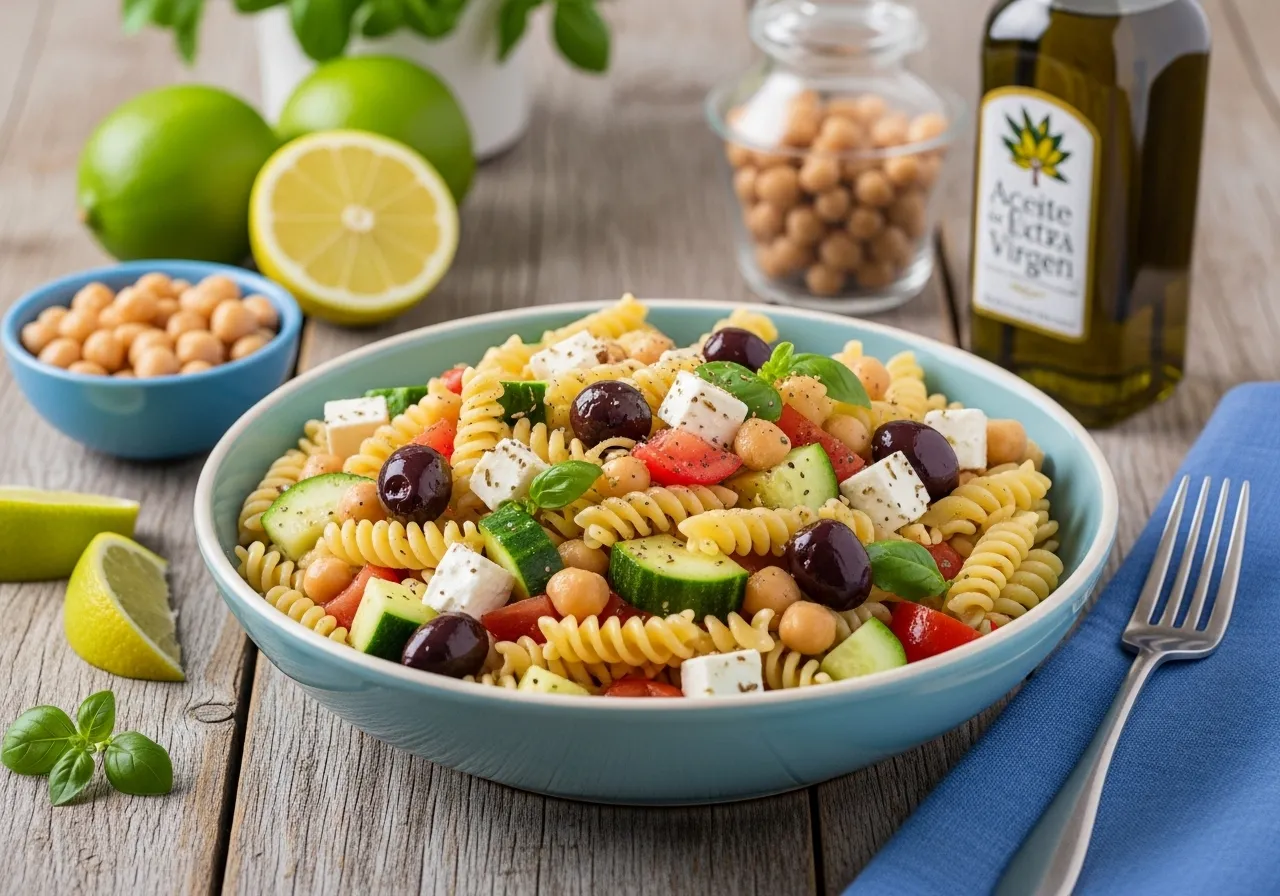
Mediterranean Pasta Salad Recipe with Chickpeas and Lemon Vinaigrette
Hello! We are going to prepare a Mediterranean pasta salad with chickpeas and lemon vinaigrette that balances freshness, flavor, and nutrition. This recipe combines the soft texture of pasta with the crunchy touch of chickpeas and a citrus vinaigrette that makes it irresistible, perfect for those days when you want something light yet complete.
Preparation time
To organize ourselves well in the kitchen, it is essential to be clear about how long this process will take. This is an ideal recipe for those looking for efficiency without sacrificing quality.
- Preparation: 20 minutes
- Cooking: 12 minutes
- Total: 35 minutes (plus optional chilling time)
- Servings: 6 people
- Difficulty: Easy
Ingredients
The key to this salad recipe of Mediterranean pasta lies in the quality of fresh produce. Here is the exact list to achieve that authentic flavor we are looking for.
For the salad base
- 454 g (1 pound) dry short pasta (farfalle or bow-tie type)
- 400 g cooked chickpeas (canned, well rinsed and drained)
- 473 ml (1 pint) cherry tomatoes
- 1 large cucumber
- 1 red bell pepper medium
- 75 g (½ cup) Kalamata olives (pitted)
- 113 g (4 ounces) of feta cheese in bulk
- ½ cup fresh basil leaves
- ¼ cup fresh parsley
- ¼ cup red onion (Optional)
For the lemon vinaigrette
- 60 ml (¼ cup) extra virgin olive oil
- 45 ml (3 tablespoons) freshly squeezed lemon juice
- 15 ml (1 tablespoon) vinegar of red wine
- 1 medium garlic clove
- 1 teaspoon dried oregano
- ½ teaspoon dried basil
- Fine salt (to taste)
- Freshly ground black pepper (to taste)
If you don't have Kalamata olives, you can substitute them with conventional black olives, although the flavor will be a little less intense. If you prefer to avoid gluten, use a pasta made from legumes or rice, similar to what you would use in a alternative pasta and chickpea salad.
Utensils we will use
You don't need professional equipment for this dish, but having the right tools will make the job much easier.
- Large pot for cooking pasta
- Large colander
- Stable cutting board
- Well-sharpened chef's knife
- Very large bowl or salad bowl (for comfortable mixing)
- Small bowl or jar with lid (for the vinaigrette)
- Small hand whisk or fork
- Large spoon or silicone spatula
Preparation
Following the correct order is vital so that the pasta doesn't overcook and the vegetables remain crispy. Let's go step by step to achieve that perfect texture.
Cooking the pasta
1. We place the large pot with plenty of water over high heat. When it comes to a vigorous boil, we add a generous handful of salt. We incorporate the 454 g of farfalle pasta. We cook following the package instructions, generally between 10 and 12 minutes, looking for the point al dente.
Cooling the pasta
2. Once cooked, we immediately pour the pasta into the colander in the sink. We cool it under cold tap water to stop the cooking abruptly and wash off the excess starch. We drain it very well, shaking the colander, so that no water remains that could water down the sauce.
Vegetable preparation
3. While the pasta drains, we wash and dry the vegetables well. We cut the cherry tomatoes in half. We peel the cucumber (if the skin is thick), remove the central seeds with a spoon, and cut it into medium cubes (approx. 1 cm). We wash the red bell pepper, remove the seeds and white membranes, and also cut it into cubes of the same size.
Onion and herb preparation
4. If using the optional red onion, slice it into thin julienne strips or very small cubes. A trick: submerge it for 5 minutes in cold water with ice to soften its pungent flavor, then drain it. We finely chop the fresh basil and parsley. We cut the Kalamata olives in halves or slices.
Making the vinaigrette
5. In the small bowl, we finely chop or press the garlic clove. We add the 45 ml of lemon juice, the 15 ml of red wine vinegar, dried oregano, dried basil, salt, and pepper. While whisking vigorously with a fork or whisk, we gradually add the 60 ml of olive oil in a stream to create a stable emulsion.
Final assembly
6. In the large bowl, we place the already cold and dry pasta. We add the cooked and drained chickpeas. We incorporate the tomatoes, cucumber, bell pepper, olives, and onion. We crumble the 113 g block of feta cheese with our hands directly over the mixture to obtain irregular pieces.
Mixing and marinating
7. We pour the vinaigrette over the salad. We sprinkle the chopped fresh herbs (basil and parsley). We gently stir everything using a spatula or large spoon, making enveloping movements so as not to break the pasta or cheese, ensuring that each ingredient is coated with the dressing.
To finish and serve
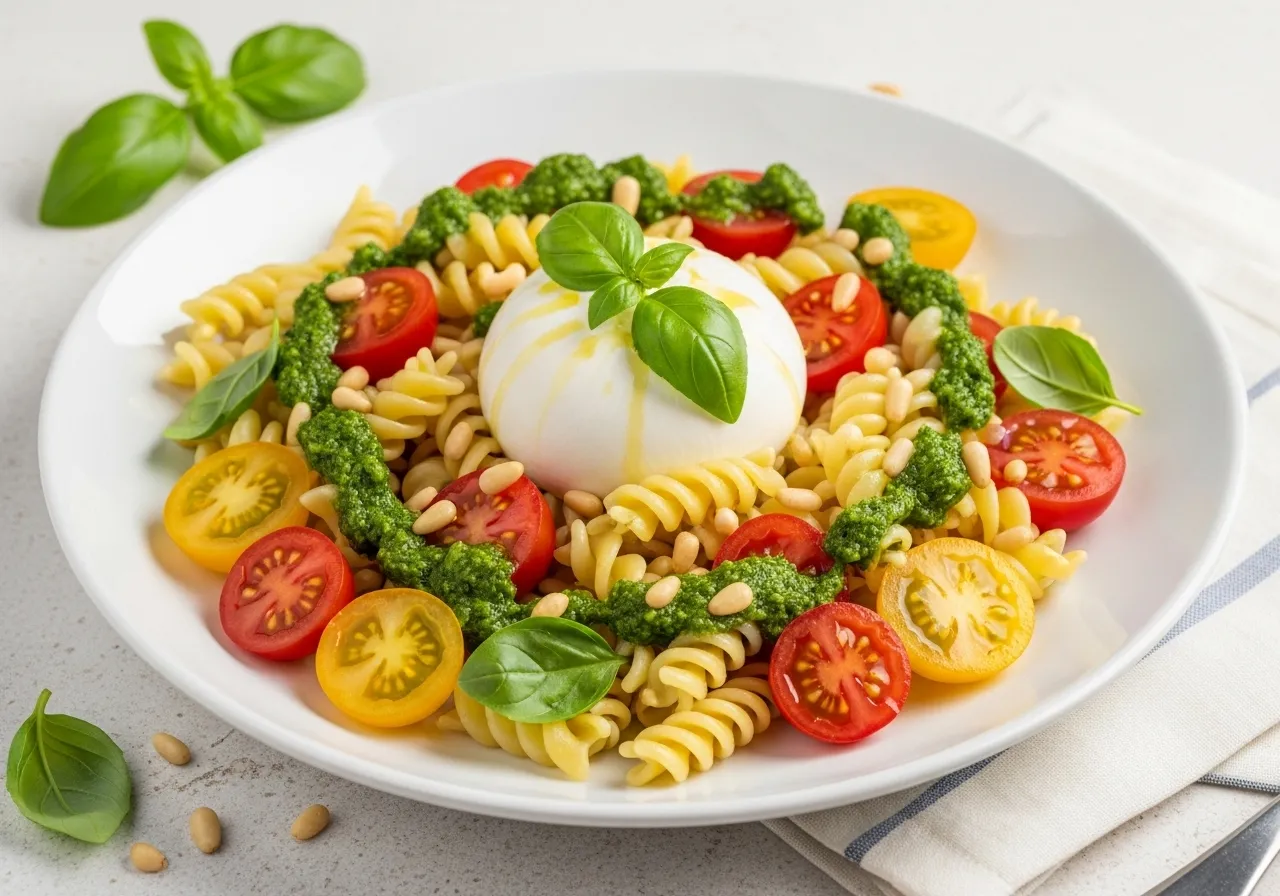
8. Although it can be eaten immediately, it is ideal to cover the bowl and refrigerate for at least 15 to 20 minutes. This allows the pasta to absorb the citrus and herbaceous flavors. Just before serving, give the mixture a final gentle stir. Serve in deep plates or individual bowls. You can accompany this dish with whole wheat toast or enjoy it as a main course thanks to the protein from the chickpeas. If you like to experiment, this base is as versatile as a pasta salad with burrata, 9. , but with a lighter profile.
Nutritional Information
10. Here is an estimate of the nutritional values per serving so you can integrate it into your weekly planning.
- Calories: 450 kcal
- Proteins: 14 g
- Fats: 18 g
- Carbohydrates: 58 g
- Fiber: 6 g
11. Note: Daily percentage values are based on a 2000-calorie diet. Values may vary slightly depending on the specific brands of ingredients used.
5 keys to make it perfect
12. Sometimes, small details make the difference between a good salad and a memorable one. Here I share my private chef secrets.
13. 1. The pasta's doneness is sacred
14. Never overcook the pasta. As it is a cold salad, if the pasta is too soft, it will break when mixed and the texture will be mushy. It should be firm to the bite. The thermal shock with cold water is mandatory here, unlike hot pasta dishes.
15. 2. Drying the vegetables
El agua es enemiga del sabor en las ensaladas con base de aceite. Después de lavar los tomates, el pimiento y el pepino, asegúrate de secarlos bien con papel de cocina. Si el pepino suelta mucha agua, puedes ponerlo sobre papel absorbente unos minutos antes de añadirlo.
3. The quality of Feta
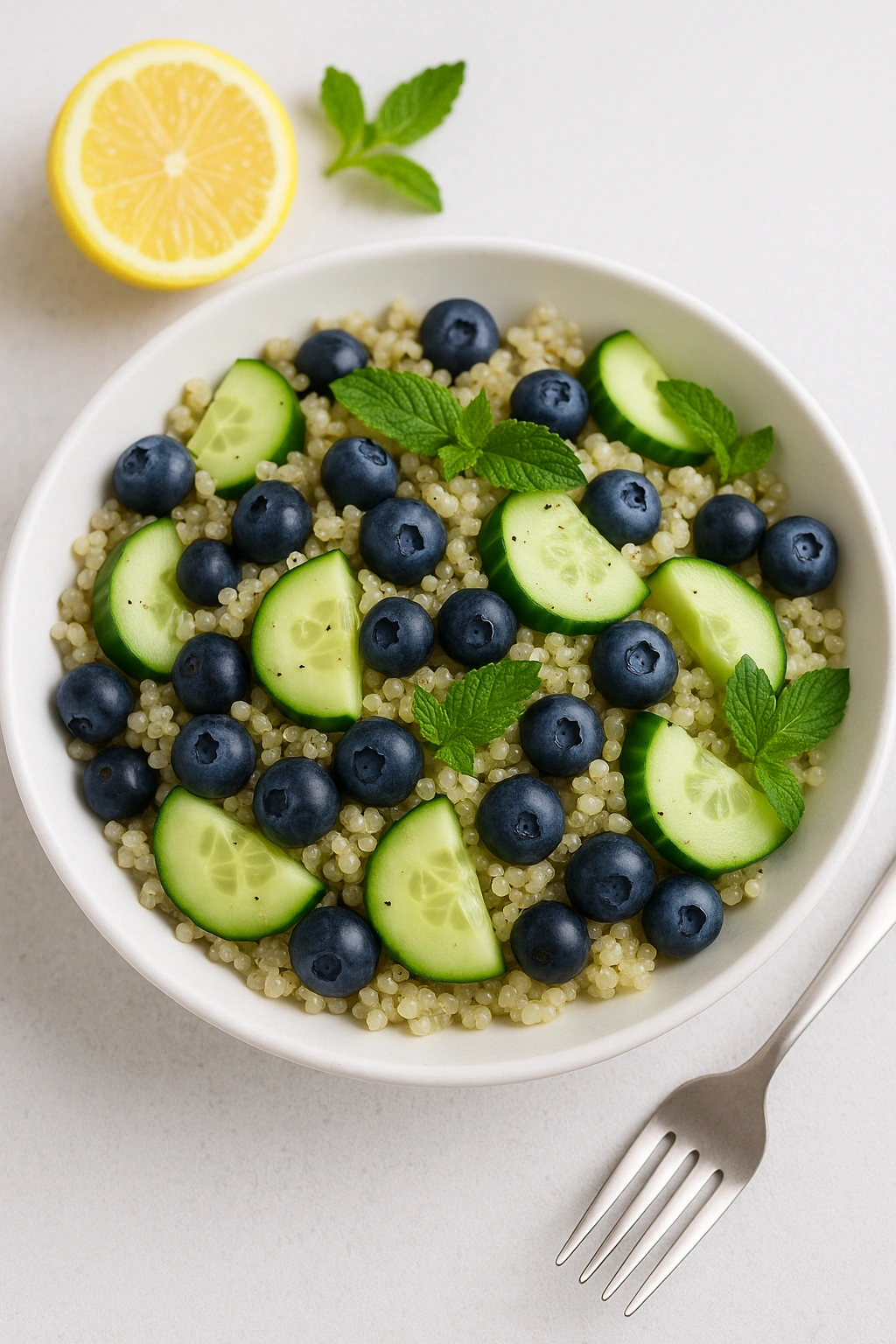
Avoid feta cheese that comes pre-cut into cubes in brine or low-quality oil; it tends to be very dry. Buy the whole block and crumble it yourself. The texture will be much creamier and will integrate better with the vinaigrette, similar to the technique we would use in a Mediterranean quinoa salad.
4. Vinaigrette Emulsion
Don't just pour the oil and lemon over the pasta. Mix them separately until you see a bound and somewhat thick sauce. This ensures that the acidic and fatty flavor is evenly distributed in each bite, thoroughly coating the rough surface of the chickpeas and pasta.
5. The size of the cut matters
Try to make the pepper and cucumber cubes similar in size to the chickpeas or slightly larger. This makes the salad easier to eat, as you'll be able to get a bit of everything in each forkful without having to juggle.
When is it ideal to enjoy it?
This Mediterranean pasta salad with chickpeas and lemon vinaigrette is the undisputed queen of summer and spring. Its freshness makes it the perfect main dish for intensely hot days when you don't feel like eating hot food. It's ideal for taking in a lunchbox to the office because it doesn't need reheating (in fact, it shouldn't be reheated) and travels very well.
It also works wonderfully as a side dish at family barbecues, accompanying grilled meats or fish. Since it doesn't contain mayonnaise or delicate fresh dairy (cured feta is robust), it's safe for outdoor picnics or beach days, as long as it's kept in a portable cooler. If you're looking for something for a more festive and colorful celebration, you could alternate it with a tricolor pasta salad.
Comparison table
To show you how our recipe stands against other similar options, I have prepared this table. The first row highlights our star recipe.
| Recipe | Key ingredients | Difference/advantage |
|---|---|---|
| Pasta Salad Mediterranean (Our Recipe) | Pasta, Chickpeas, Feta, Lemon | Complete plant-based protein and very fresh citrus dressing. |
| Chickpea and cucumber salad | Chickpeas, Cucumber, Yogurt | No pasta, lighter and low-carb. |
| Chicken pasta salad | Pasta, Chicken, Yogurt Sauce | Animal protein and creamy dressing, not vinaigrette. |
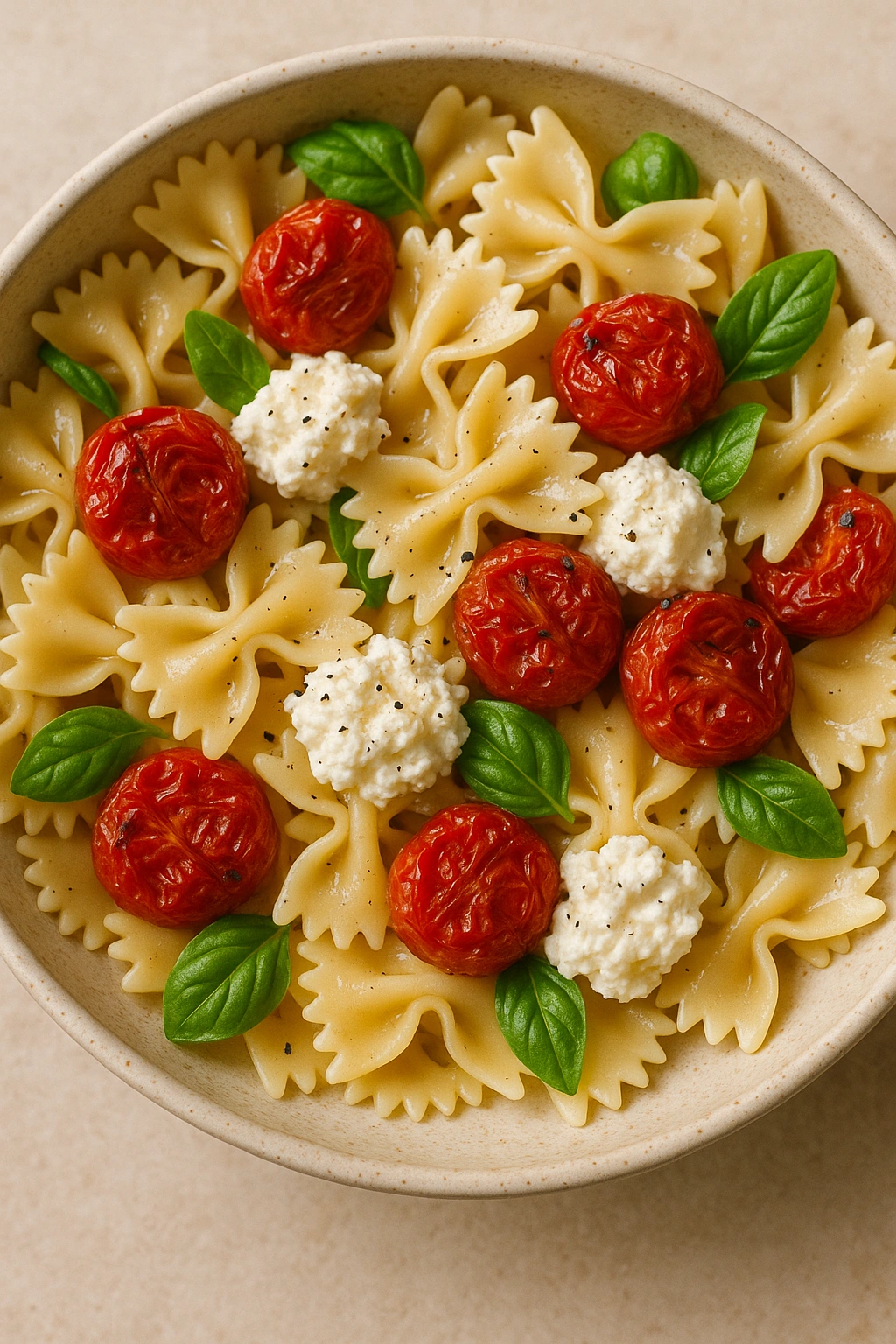
| Caprese Salad Pasta | Pasta, Mozzarella, Tomato, Basil | Milder flavor, fewer crunchy vegetable ingredients. |
| Spinach pasta salad | Pasta, Raw spinach, Walnuts | Leafier texture and flavor of nuts. |
| Traditional Tabbouleh | Bulgur wheat, lots of parsley, tomato | Fine-grain base, very intense herbaceous flavor. |
| Caesar Salad with Pasta | Pasta, Lettuce, Parmesan, Croutons | Heavier and fattier dressing, includes lettuce that wilts quickly. |
Frequently asked questions (FAQ)
Share your experience
Cooking is for experimenting and sharing. I'd love to know how this salad turned out for you. Did you dare to add a touch of spice or change the herbs? Leave your comment and share your own little tricks! Seeing how you adapt recipes in your homes is what motivates me most to keep sharing.
Culinary glossary
So that you have no doubts while cooking, here I explain some terms we have used today.
- Al dente: Italian term describing the doneness of pasta when it is cooked but still firm to the bite, not soft or mushy.
- Emulsion: Mixture of two liquids that normally don't combine well, like oil and vinegar. By whisking quickly, we achieve a creamy sauce and unified.
- Julienne: Cutting technique that consists of cutting vegetables into long and very thin strips.
- Reserve: To set aside an ingredient or preparation to use it in a later step of the recipe.
- Reverse Bain-Marie: (Or chill with ice) Technique used for onion or pasta, submerging the product in very cold water to quickly change its temperature or flavor.


Impeccable texture and flavor. I followed the steps and it worked perfectly the first time. A thousand thanks for the recipe.
I tried this ‘Mediterranean Pasta Salad with Chickpeas and Lemon Vinaigrette’ today. I made it for dinner and everyone was happy.
Super recipe, this ‘Mediterranean Pasta Salad with Chickpeas and Lemon Vinaigrette’. .