


Classic Beef Salpicón Recipe
Hello! We're going to prepare a dish that is a true lifesaver in the kitchen and a celebration of freshness. This Beef Salpicon is a vibrant cold salad, full of crunchy textures and a tangy vinaigrette that lifts anyone's spirits. It's the perfect excuse to use up that leftover meat you cooked or simply to enjoy a light, flavorful, and uncomplicated meal.
Preparation time
Getting organized is key in the kitchen. Here's the time breakdown so you know exactly how long it will take you to have this delicious dish on the table. Remember that the total time assumes you already have cooked meat, which is ideal for using leftovers.
- Preparation: 12 minutes
- Cooking: 0 minutes (if using pre-cooked meat)
- Total: 12 minutes
- Servings: 6 people
- Difficulty: Easy
Ingredients
To achieve the authentic flavor of this dish, we need fresh, good quality ingredients. The magic of this recipe lies in the balance between the protein and the acidity of the vegetables and dressing.
For the salad
- 500 g cooked and shredded beef (preferably flank or round steak)
- 2 large, firm, red tomatoes
- 1 fresh jalapeño pepper (adjust amount if you don't like spice)
- 1/2 cup fresh cilantro
- 1 cup pickled onions (cebollas curtidas)
- 2 tablespoons of the pickled onion juice
For the vinaigrette
- 3 tablespoons fresh squeezed lime juice
- 2 tablespoons white vinegar
- 4 tablespoons extra virgin olive oil
- 1 teaspoon dried oregano
- Salt to taste
- Ground black pepper to taste
To serve (Optional)
- Crispy corn tostadas
- Slices of ripe avocado
In case you don't have pickled onions, you can substitute them with red onion raw, very thinly sliced into feathers and left to rest in lemon with salt for 15 minutes to soften its strong flavor. If you prefer to avoid red meat, there are delicious variants such as crab salpicón which follows a very similar cold preparation logic.
Utensils we will use
You don't need sophisticated equipment for this recipe, but having the right tools on hand will make the process much more agile and clean.
- Large bowl or wide salad bowl (to mix everything comfortably)
- Small bowl (to emulsify the vinaigrette)
- Whisk or a fork
- Stable cutting board
- Well-sharpened chef's knife
- Forks (to shred the meat if it isn't already)
- Lime squeezer
How to Make Beef Salpicón
The secret to a good salpicón lies in the order in which we integrate the flavors and how we treat each ingredient. Follow these steps to ensure that each bite has the perfect distribution of meat and vegetables.
Preparation of the base vinaigrette
In the small bowl, pour the lemon juice, white vinegar, and olive oil. Add salt and pepper. Take the dried oregano and rub it between the palms of your hands just above the bowl; this awakens the herb's essential oils and enhances its aroma. Whisk vigorously with the whisk or fork until the mixture looks slightly thick and unified (emulsified). Set aside.
Vegetable preparation
Wash the tomatoes, jalapeño, and cilantro well under the tap and dry them with kitchen paper. Cut the tomatoes into small cubes (approx. 1 cm), trying not to crush them to preserve their juices. Finely chop the jalapeño, removing the seeds if you prefer a milder flavor or leaving them if you're looking for that characteristic spicy kick. Chop the cilantro, including part of the thin stems which have a lot of flavor.
Integration of Solid Ingredients
In the large bowl, place the shredded beef. Make sure the strands are not too long to make it easier to eat. Add the tomato cubes, chopped jalapeño, fresh cilantro, and pickled onions. If you have leftovers from a previous roast, such as a brisket in wine, make sure to remove any excess gelatinous fat before shredding the meat cold.
Seasoning and final mix
Pour the vinaigrette you prepared in step 1 over the meat and vegetable mixture. Also add the tablespoons of the pickled onion juice; this provides an extra level of acidity and complex flavor. With the help of two spoons or spatulas, mix everything with folding movements so as not to beat or mash the tomato. We want the meat to be well soaked in the liquid.
Rest and refrigeration
Cover the bowl with plastic wrap or a tight-fitting lid. Refrigerate the preparation for at least 15 to 20 minutes before serving. Although it can be eaten immediately, this time allows the meat to absorb the flavors of the dressing and for the salad to be well chilled, which is its ideal temperature.
To finish and serve
Just before serving, take the salpicón out of the fridge and give it a final gentle stir, as the juices tend to settle at the bottom. Adjust the seasoning; if you feel it lacks «spark,» add a pinch more salt or a few extra drops of lemon. Serve a generous portion over crispy toast. If you like varied textures, similar to how we prepare soy ceviche tostadas, the contrast between the moist meat and the crunchy base is essential. Crown with a few slices of fresh avocado for creaminess. Accompany it with your favorite refreshing drink.
Nutritional Information
This dish is an excellent source of lean protein and fresh vegetables. Here is an estimate of the nutritional values per serving, ideal for those who watch their diet without sacrificing flavor.
- Calories: 589 kcal
- Proteins: 58 g
- Fats: 39 g
- Carbohydrates: 2 g
- Fiber: 1 g
Note: Daily percentage values are based on a 2000-calorie diet. Values may vary depending on the type of meat used and portion sizes.
5 keys to make it perfect
Sometimes, small details make the difference between a normal salad and a memorable salpicón. Here I share my secrets to ensure success.
1. The temperature of the meat: It is much easier to shred the meat when it is warm, but to mix it into the salad, it must be completely cold or at room temperature. If you mix hot meat with tomato and lettuce (if you decide to add it), the vegetables will cook with the steam and lose their crispy texture. If you have leftover shredded meat, remember that you can also use it to make delicious shredded beef patties another day.
2. The cut of the vegetables: Try to make the tomato and onion a uniform size. This is not just aesthetics; it allows you to have a little bit of everything in each bite. A cut that is too large for the onion can be aggressive to the palate.
3. The acid balance: Don't be afraid of vinegar. Beef is dense and fatty, so it needs a good level of acidity to «cut through» that fat and feel light in the mouth. Using pickle juice is a chef's trick that adds a delicious fermented flavor.
4. Resting is vital: Just like with cold pasta salads like macaroni salad with tuna and corn, the flavor dramatically improves after a few minutes in the fridge. The flavors «marry» and the meat hydrates.
5. Drain the excess: If the tomatoes were very juicy, liquid may accumulate at the bottom of the bowl after resting. When serving on toast, use a slotted spoon or drain lightly so that the toast does not get soggy and break immediately.
When is it ideal to enjoy it?
Beef Salpicón is the king of hot days and informal gatherings. Its cold nature makes it perfect for summer, when turning on the oven is the last thing we want. It's a star dish to bring to picnics or potlucks (covered dish meals), as it doesn't need reheating and keeps well (as long as it's kept cool).
It is also a «leftover» recipe par excellence. After national holidays or large celebrations, it's common to have a lot of leftover roasted meat. Transforming it into salpicón gives it a completely different second life. Even on dates like Day of the Dead, where food plays a central role in offerings and family gatherings, having a fresh dish to balance heavy tamales and moles is a great idea.
Comparison table
It's common to confuse salpicón with other shredded meat dishes or cold salads. Here I show you how our protagonist differs from other popular options so you can choose the one that best suits your craving.
| Recipe | Key ingredients | Difference/advantage |
|---|---|---|
| Beef Salpicón (This recipe) | Beef, lemon vinaigrette, pickled onion | Served cold, tart and refreshing flavor. |
| Beef/Chicken Tinga | Meat, tomato sauce, chipotle, onion | Served hot, smoky and soupy flavor. |
| Ropa Vieja | Shredded meat, peppers, tomato sauce, olives | Hot dish, stewed, typical Cuban/Caribbean. |
| Return to Life | Mixed seafood, cocktail sauce | Seafood base, more cocktail-type liquid. |
| Niçoise Salad | Tuna, hard-boiled egg, green beans, olives | French style, uses fish instead of red meat. |
| Pata Tostadas | Beef leg in vinegar, oregano, cream | Gelatinous texture, more intense vinegary flavor. |
| Chicken Salpicón | Chicken breast, lettuce, mixed vegetables | Lighter and softer version, less fat than beef. |
Frequently asked questions
Share your experience
Cooking is for experimenting and sharing. I'd love to know how this salpicón turned out for you. Did you add your own touch? Maybe you added radish for more crunch or changed the type of chili. Leave your comment and share your own tips with the community! Seeing how they adapt recipes in their homes is my favorite part.
Culinary glossary
So you don't have any doubts, here I explain some terms we use in this recipe:
Shred: Separate the cooked meat into strands or thin strips following the direction of the muscle fiber. This can be done with your hands or with the help of two forks.
Emulsify: Whisk two liquids that normally don't mix (like vinegar and oil) until a homogeneous and slightly thick mixture is achieved.
Pickle (or Cure): A preservation and flavoring technique that involves submerging a food (in this case, onions) in a solution of vinegar and salt. This changes its texture and flavor.
Adjust the seasoning: Taste the food almost at the end of preparation to adjust salt, pepper, or acidity according to personal taste before serving.
Beef flank: A cut of meat that comes from the lower abdomen of the cow. It is fibrous and very flavorful, ideal for long cooking times and for shredding.

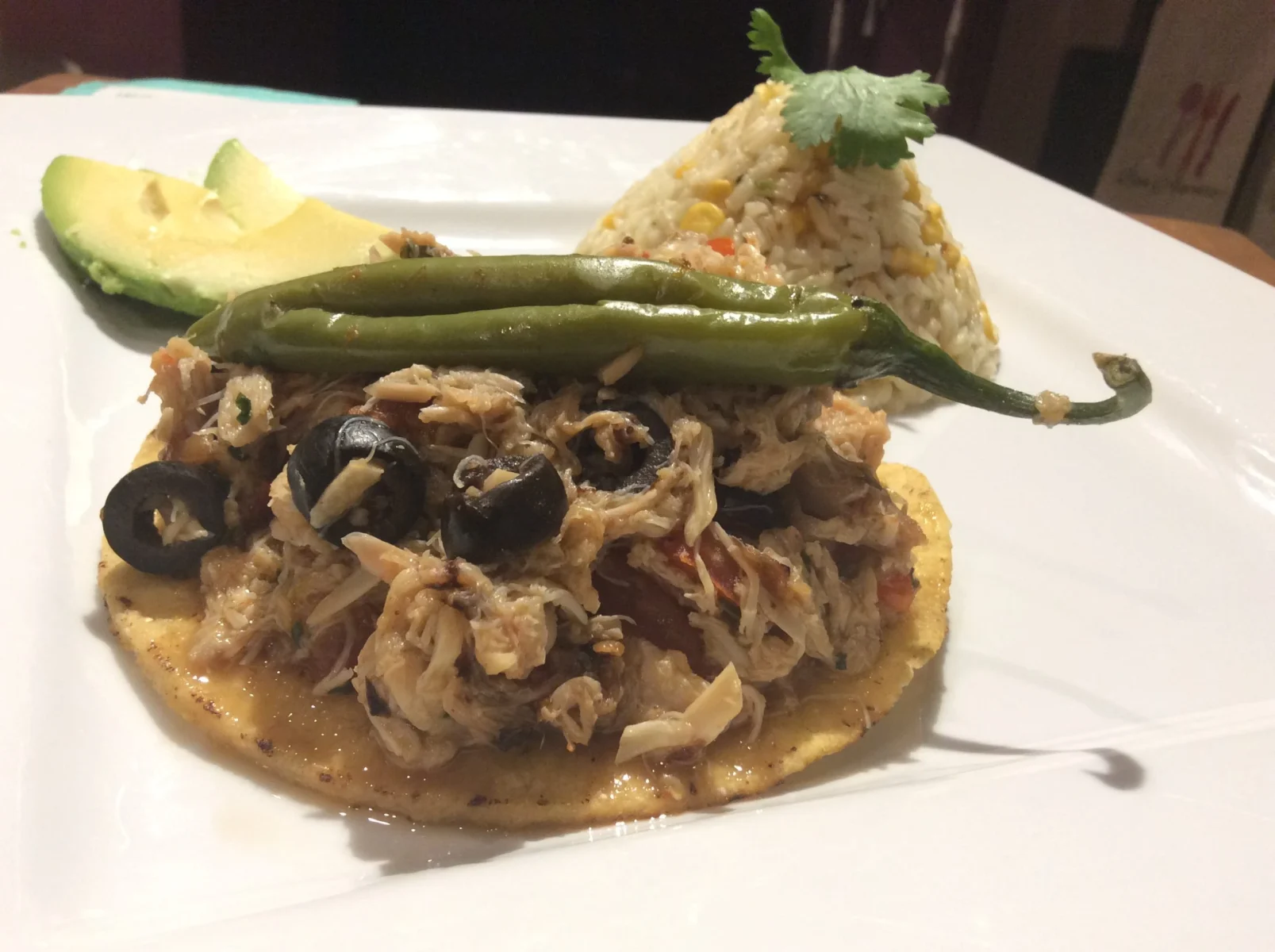




I loved the combination of flavors in this ‘Beef Salpicón’ .
Simple and delicious .