

Recipe for Fresh and Nutritious Soy Ceviche Tostadas
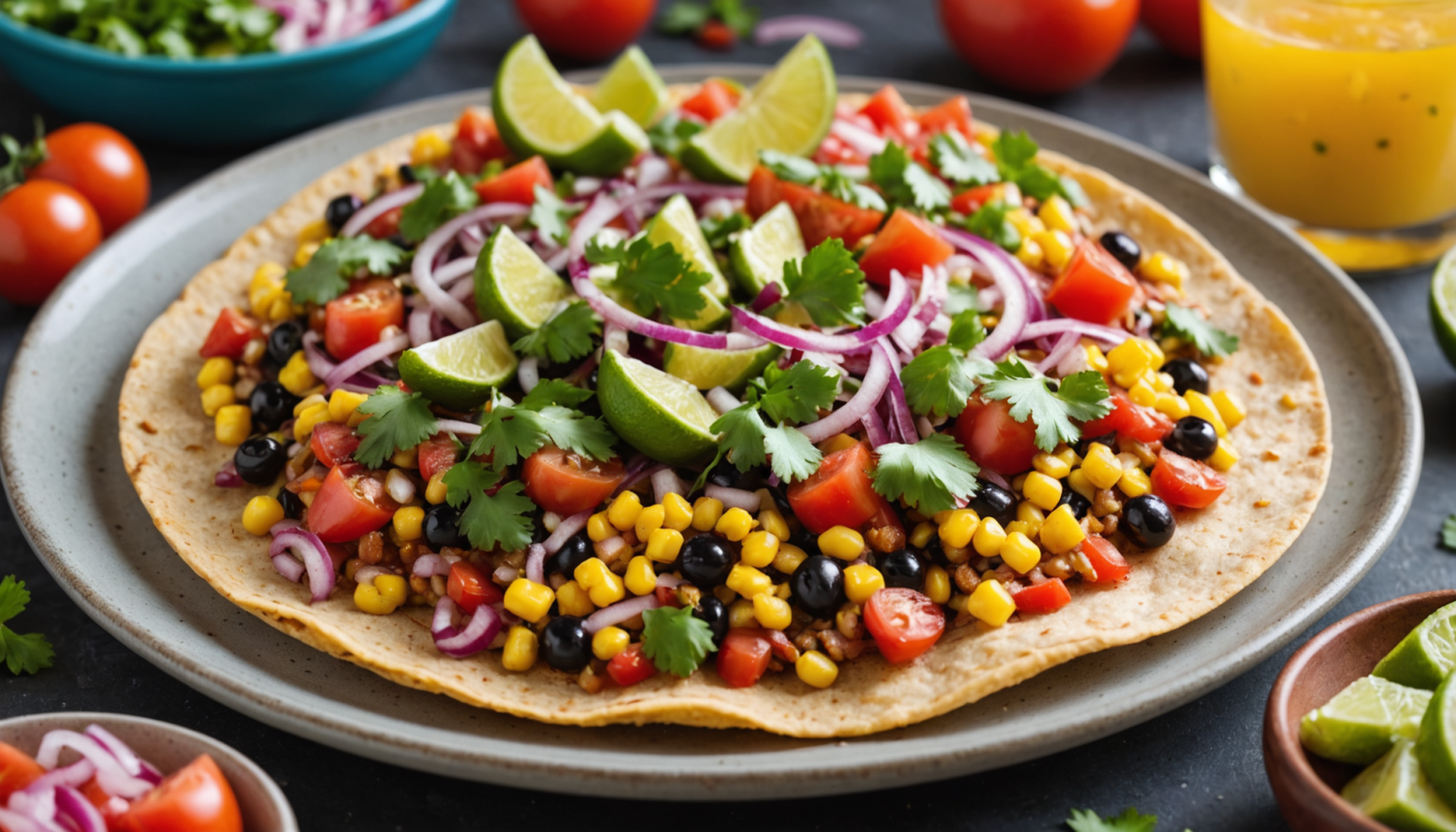
Hello! We are going to prepare an incredibly fresh option that surprises everyone with its texture and flavor, ideal for those looking to reduce meat consumption without sacrificing taste. These tostadas are crispy, tangy, and full of vegetables, perfect for sharing with family any day of the week.
If you love seafood flavors but want to try something plant-based, this preparation will remind you a lot of traditional ceviche recipes, but also taking care of your wallet and health. The key here is how we treat the soy so that it absorbs all the flavor of the lemon and spices.
Preparation time
Organize your time in the kitchen to have everything ready without rushing:
- Preparation: 25 minutes
- Cooking: 20 minutes
- Total: 45 minutes
- Servings: 4 to 6 people
- Difficulty: Easy
Ingredients
For the soy base
- 2 cups textured soy (dry)
- Enough water to cover and boil
- 1/4 white onion (for boiling)
- 1 peeled garlic clove
- 2 dried bay leaves
For the marinade and ceviche
- 1/2 cucumber, peeled and deseeded (for blending)
- 2 tablespoons seasoning sauce (Maggi type)
- 2 tablespoons soy sauce
- 1/2 teaspoon onion powder salt
- 1/4 teaspoon ground black pepper
- 1 teaspoon dried chili flakes
- 1/2 red onion finely sliced
- 2 large tomatoes, deseeded and diced
- 4 limes (freshly squeezed juice)
- 1/2 additional cucumber cut into small cubes (optional for more texture)
- 1 serrano chili finely chopped (optional if you like fresh spice)
To assemble
- 1 ripe avocado
- Baked or fried corn tostadas
- Sprigs of disinfected fresh cilantro
If you cannot find textured soy in your usual supermarket, you can look for it in bulk or health food stores; if not possible, a functional alternative is to use blanched grated cauliflower, although the texture will change a bit.
Utensils we will use
- Medium pot for boiling water
- Large colander or sieve
- Blender
- Stable cutting board
- Sharp chef's knife
- Large bowl or glass mixing bowl
- Lime squeezer
- Large spoon for stirring
Preparation
Hydration and cooking of the soy
Boil water with aromatics. Place the pot over high heat with enough water, the piece of white onion, the garlic clove, and the bay leaves. Wait for it to come to a vigorous boil.
Cook the textured soy. Add the dry soy to the boiling water. Reduce heat to medium and cook for approximately 15 to 20 minutes, or until you notice it is completely soft to the touch and has doubled in size.
Drain and cool. Pour the contents of the pot into the colander. Remove the onion, garlic, and bay leaf. Rinse the soy under cold running water until it loses temperature. This step is vital to stop the cooking.
Squeeze out excess water. With the help of the colander or by pressing with your (clean) hands, remove as much liquid as possible from the soy. It should be moist but not soaked so it can absorb the sauce.
Preparation of the marinade sauce
Blend the liquid base. In the blender cup, place the half peeled cucumber, the seasoning juice, the soy sauce, the salt with onion powder, the black pepper, and the lime juice. Process until you get a salsa verde liquid and homogeneous.
Mix and rest
Integrate the solid ingredients. In the large bowl, place the already squeezed soy. Add the sliced red onion, the tomato cubes, the chopped cucumber (if you decided to add extra for texture), and the chili flakes.
Incorporate the marinade. Pour the blended mixture over the soy and vegetables. Stir with a spoon to ensure everything is evenly coated. It's similar to how we would prepare a red aguachile but using this green and vegetable base.
Rest to concentrate flavors. Cover the bowl and refrigerate for at least 15 to 20 minutes. The cold helps the soy firm up and the lemon flavor «cure» the onion, softening its potency.
To finish and serve
Once the resting time has passed, remove the ceviche from the refrigerator and taste for salt; adjust if necessary. Cut the avocado into cubes or slices just before serving to prevent it from oxidizing. Take a crispy tostada, serve a generous portion of the soy ceviche on top, draining a little of the juice so as not to moisten the base too quickly, and top with avocado and fresh cilantro leaves. You can accompany it with a little extra hot sauce if you wish.
Nutritional Information
- Calories: 150 kcal
- Proteins: 12 g
- Fats: 8 g
- Carbohydrates: 15 g
- Fiber: 3 g
The values are approximate estimates per serving of ceviche (not counting the corn tostada), calculated based on an average diet of 2000 calories.
5 keys to make it perfect
The success of a vegetable dish that imitates seafood lies in the texture and intensity of the seasoning. Here are my secrets so no one notices the difference.
1. Washing is non-negotiable. Many people complain about a «cardboard» taste in soy. This is eliminated by rinsing it very well after boiling. Don't be afraid to wash it two or three times under the tap and squeeze it hard; soy is resistant.
2. The correct acidity. Lemon does not cook soy as it would fish in a traditional ceviche, but it is the vehicle for flavor. Use small, green limes (Colima type) which tend to be more acidic and aromatic than large yellow ones.
3. Uniform cuts. To make every bite enjoyable, try to make the tomato and cucumber cubes the size of a small pearl (brunoise). If you leave very large pieces, the integration with the soy will be lost.
4. Intense cold. This dish should be eaten very cold. If you serve it lukewarm, it loses its fresh charm. Keep the mixture in the refrigerator until the last second before assembling the tostadas.
5. The extra crunchy touch. If you want to elevate the level, you can add a little raw chopped jicama to the final mixture. It provides a sweet crunch that wonderfully contrasts with the saltiness of the soy sauce, something we also do in the jicama tostadas.
When is it ideal to enjoy it?
This dish screams summer and sunny days. It is the undisputed star of the Lenten or Holy Week season, when we seek to avoid red meats, but honestly it's a lifesaver for any quick weekday lunch.
Being a light and digestive dish, it works very well as an appetizer before a main course or as a light dinner if you control the amount of tostadas. It is also excellent for gatherings where you have vegan or vegetarian guests; it is a fresh appetizer that brings everyone together at the table without complications.
Comparison table
| Recipe | Key ingredients | Difference/advantage |
|---|---|---|
| Soy Ceviche (Current Recipe) | Textured soy, lemon, cucumber | Economical, vegan, and high in plant protein. |
| Classic Fish Ceviche | White fish, lemon, cilantro | Uses raw animal protein cured in acid. |
| Green Aguachile | Raw shrimp, serrano chili, lemon | Much spicier and more liquid than a ceviche. |
| Beef Salpicon | Shredded meat, lettuce, vinegar | Cooked meat flavor, vinaigrette dressing. |
| Cauliflower Ceviche | Cooked cauliflower, tomato, onion | Lighter in calories, crispier texture. |
| Shrimp Cocktail | Cooked shrimp, ketchup, soda | Sweet and brothy flavor, not acidic. |
| Tuna Salad | Canned tuna, mayonnaise, vegetables | Creamy due to mayonnaise, doesn't have much lemon. |
Frequently asked questions (FAQ)
Share your experience
Cooking is for experimenting and sharing. I would love to know if you gave it your personal touch, perhaps a little more spice or a secret ingredient. Leave your comment and share your own little tricks so we can all learn new ways to enjoy it!
Culinary glossary
- Textured soy: Vegetable protein obtained from soy flour, dehydrated and with a spongy texture that mimics ground meat when hydrated.
- To julienne: To cut an ingredient, usually onion, into very thin and long strips (feather cut or fine julienne).
- Brunoise: Cutting technique where vegetables are chopped into very small and uniform cubes, approximately 2 to 3 millimeters per side.
- Desflemar: Process of softening the strong flavor of onion or chilies, generally using water with salt, vinegar, or lemon.
- Season: To adjust the flavor of a food by adding salt, pepper, herbs, or spices to enhance its natural characteristics.
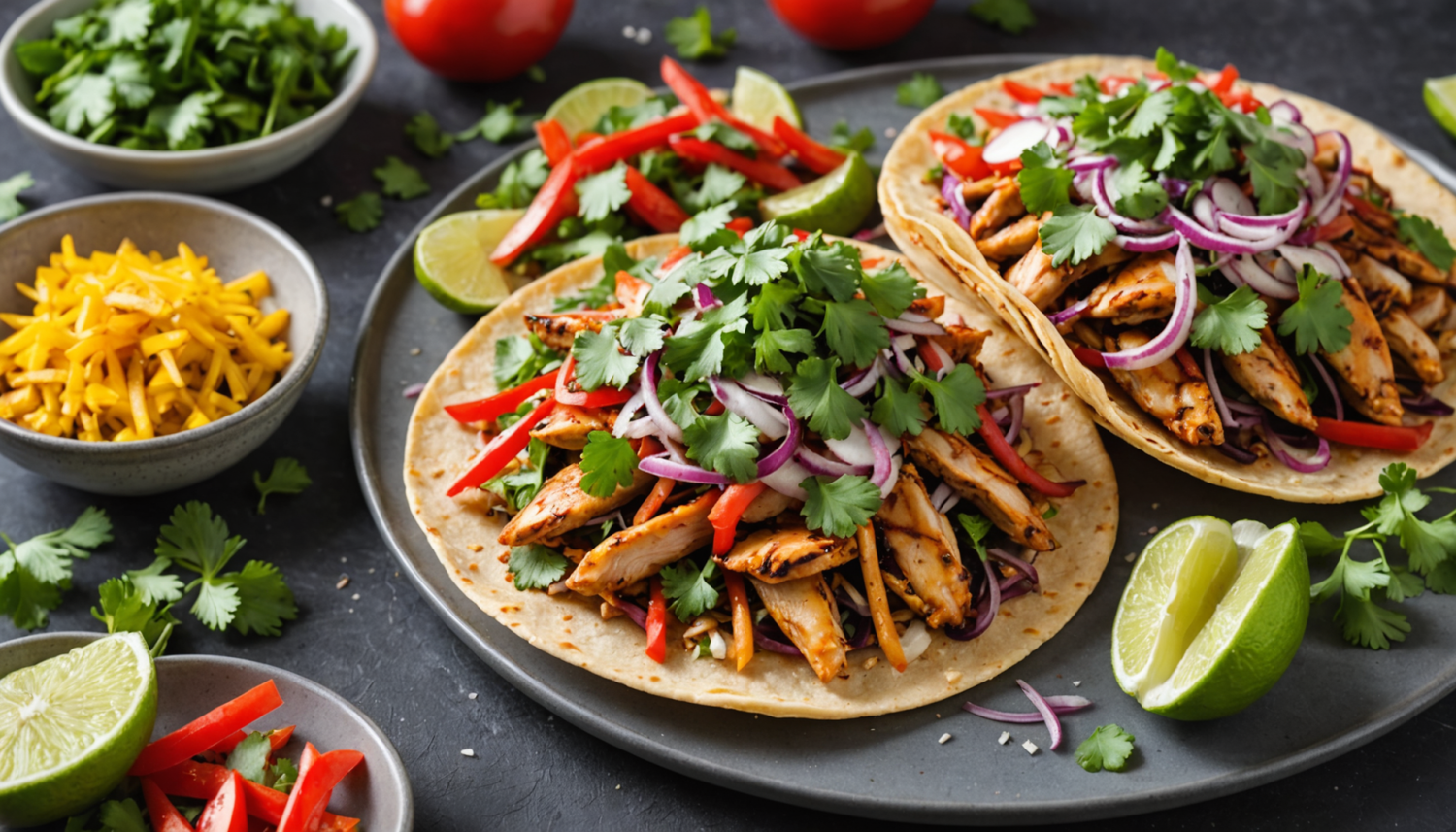
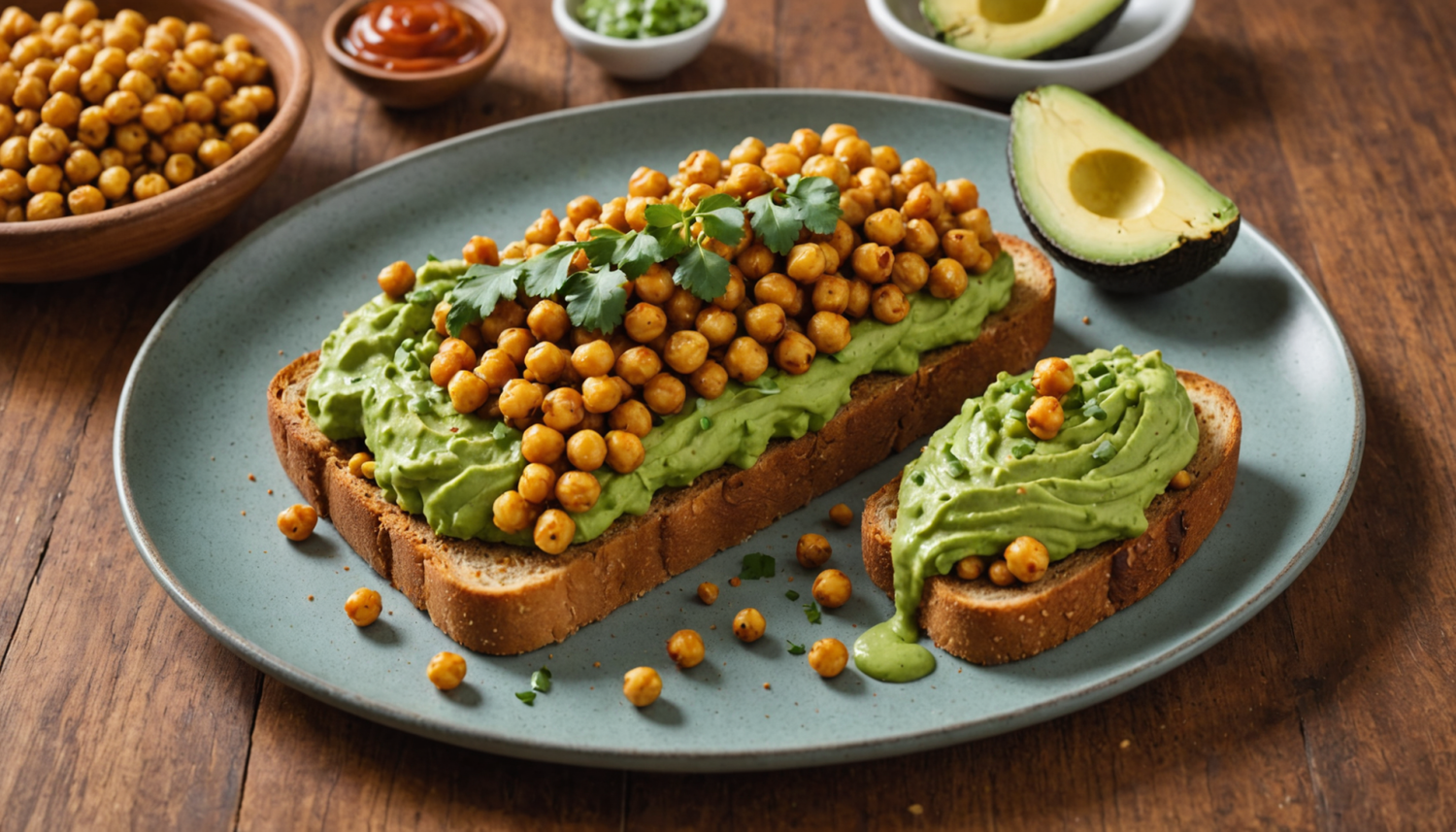
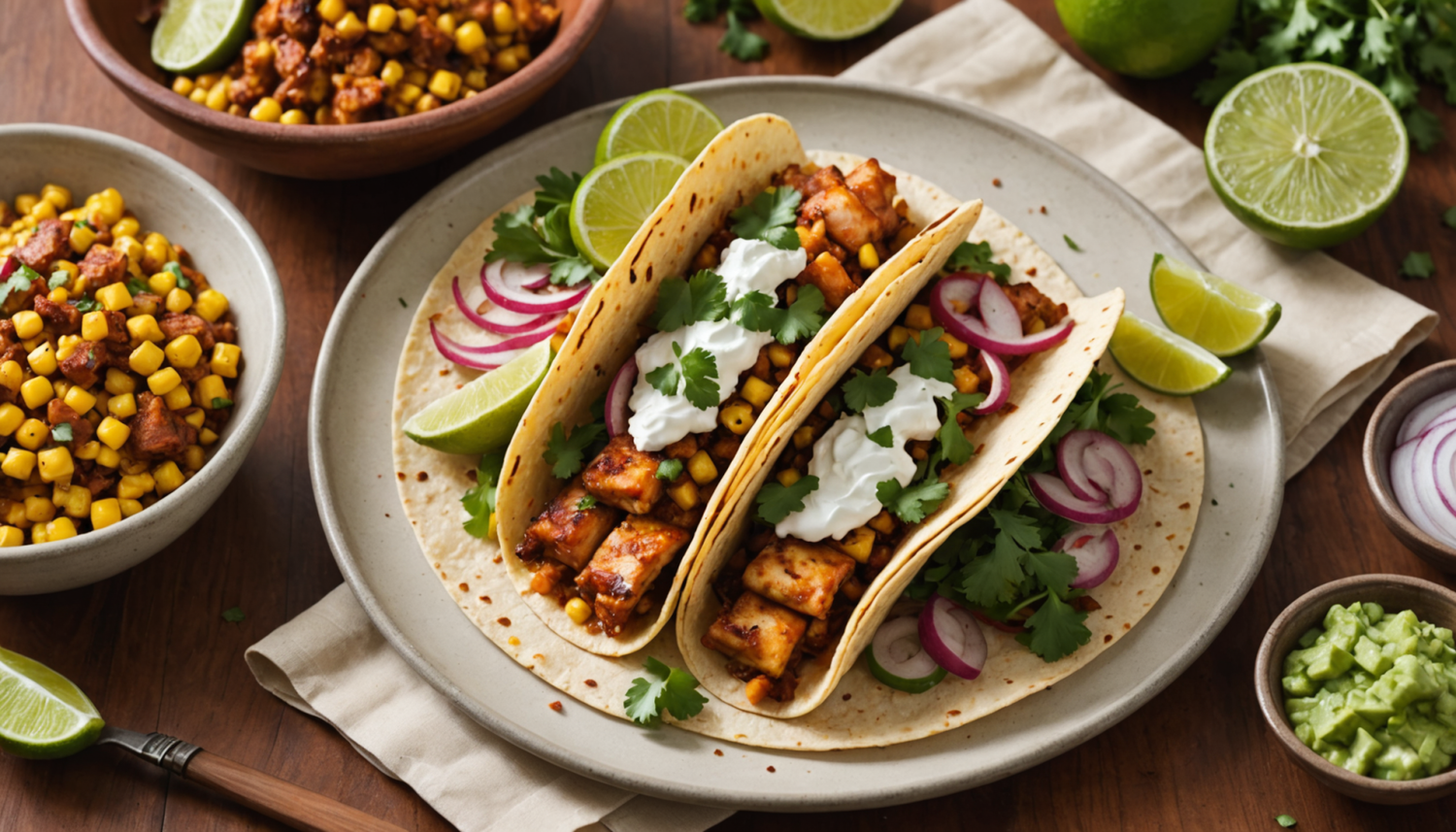
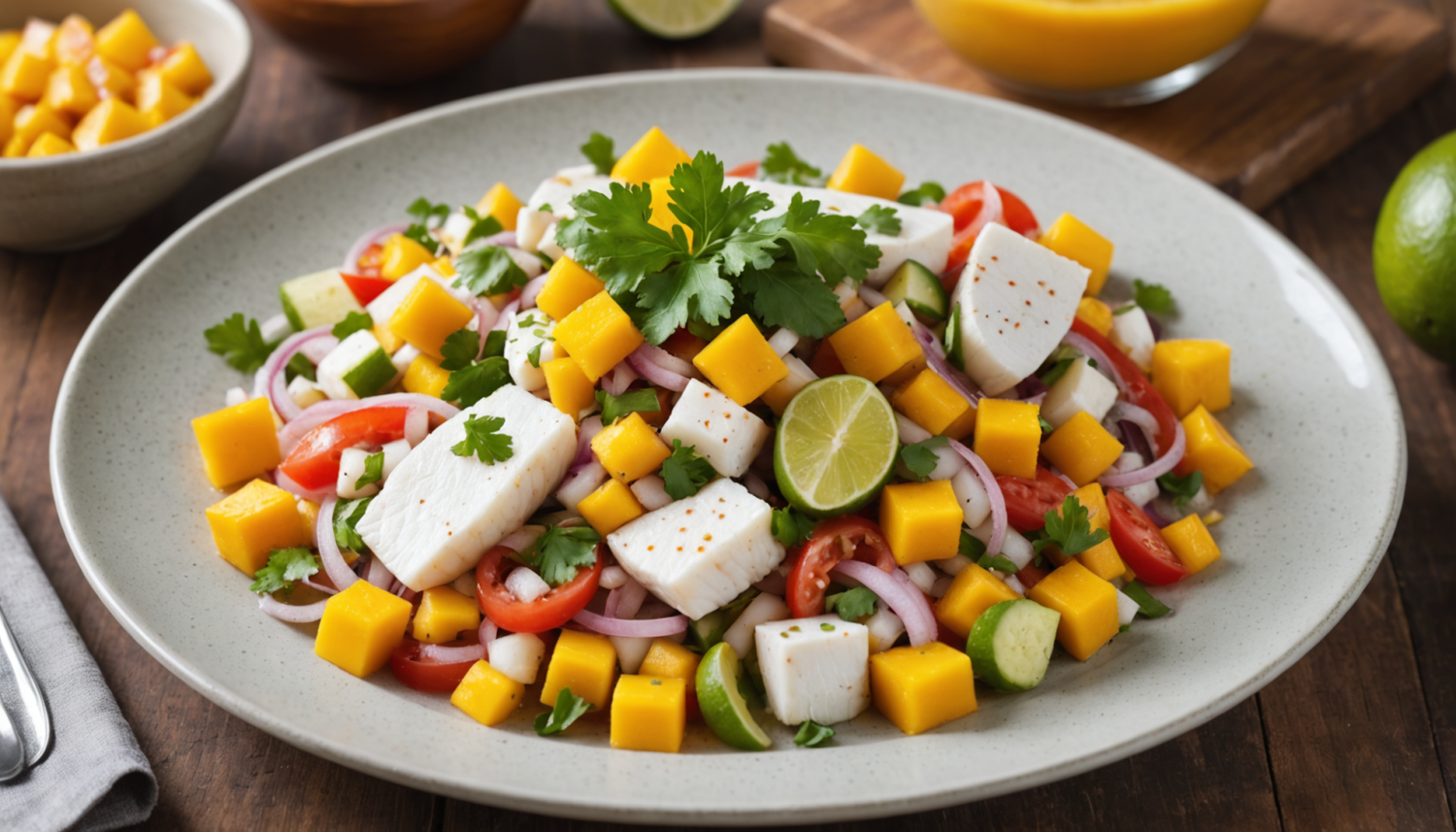
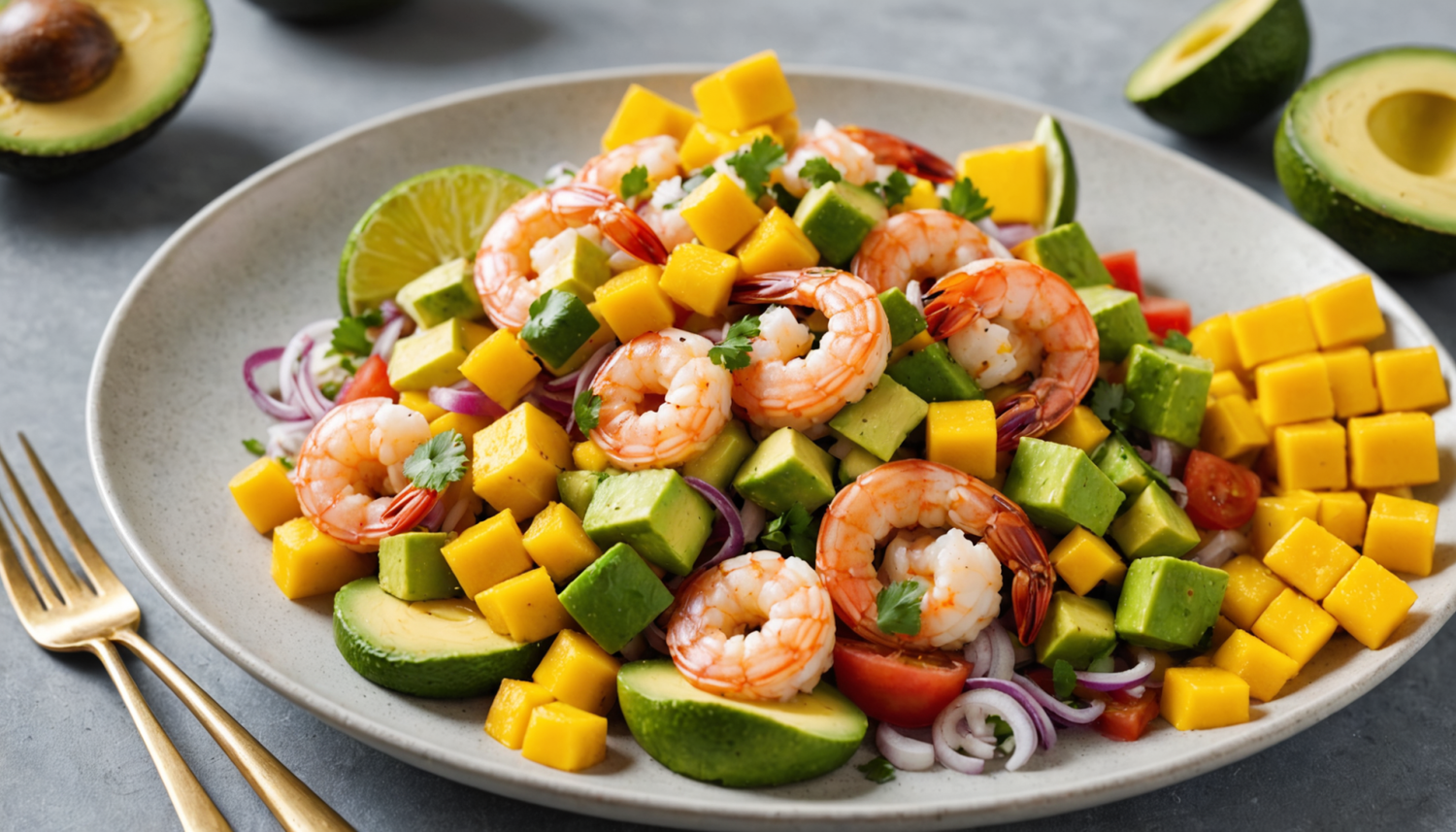
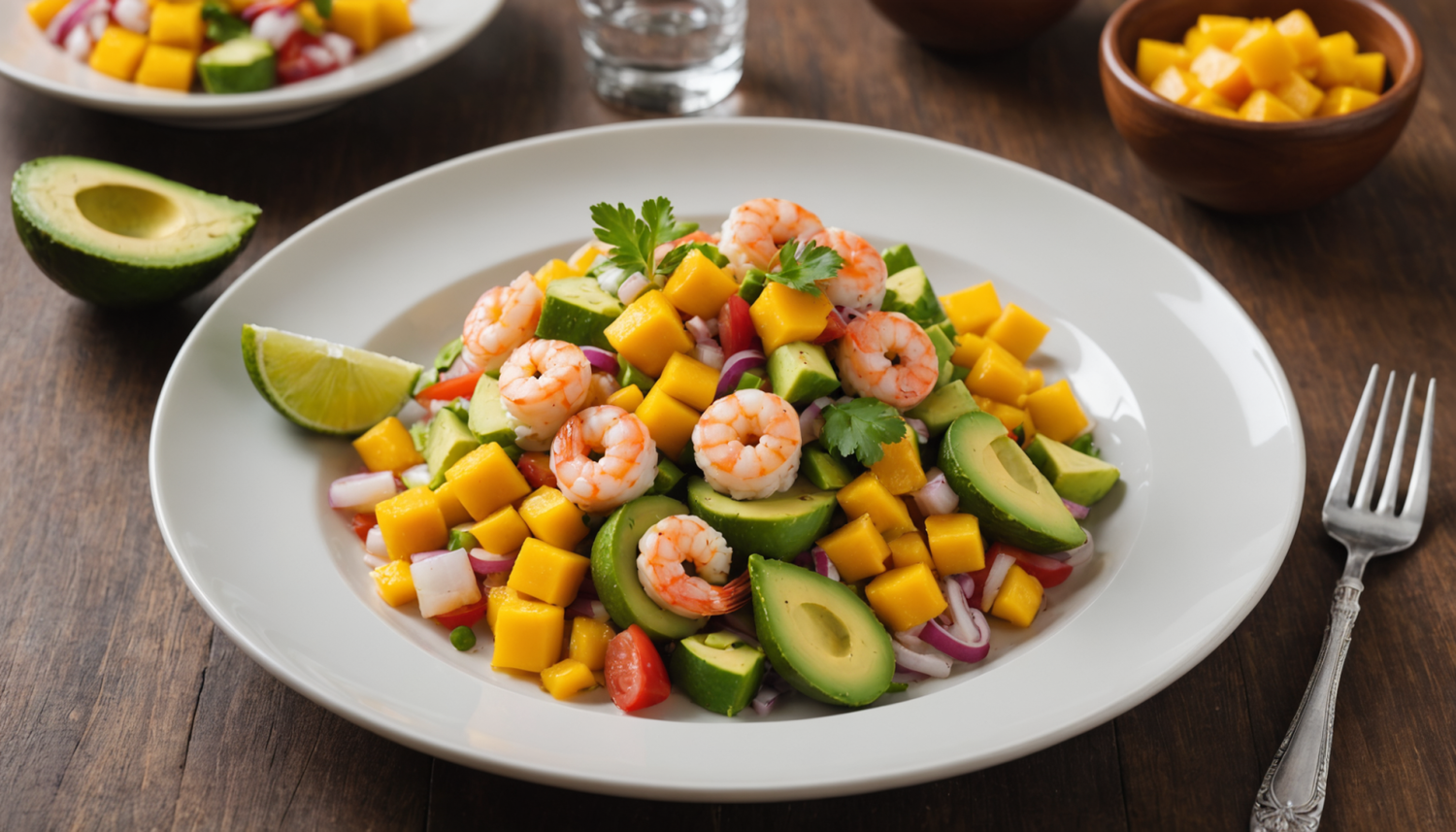
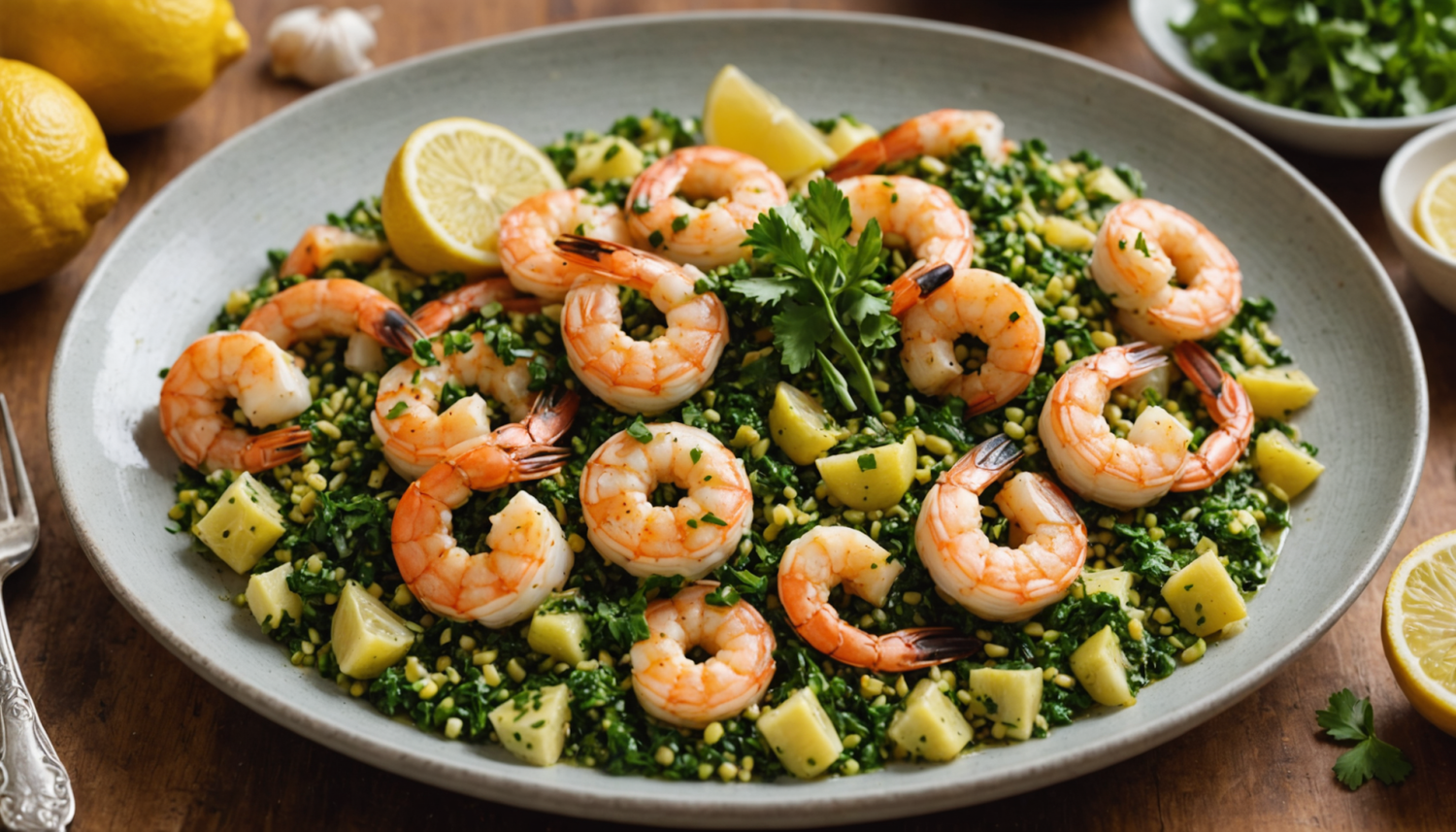
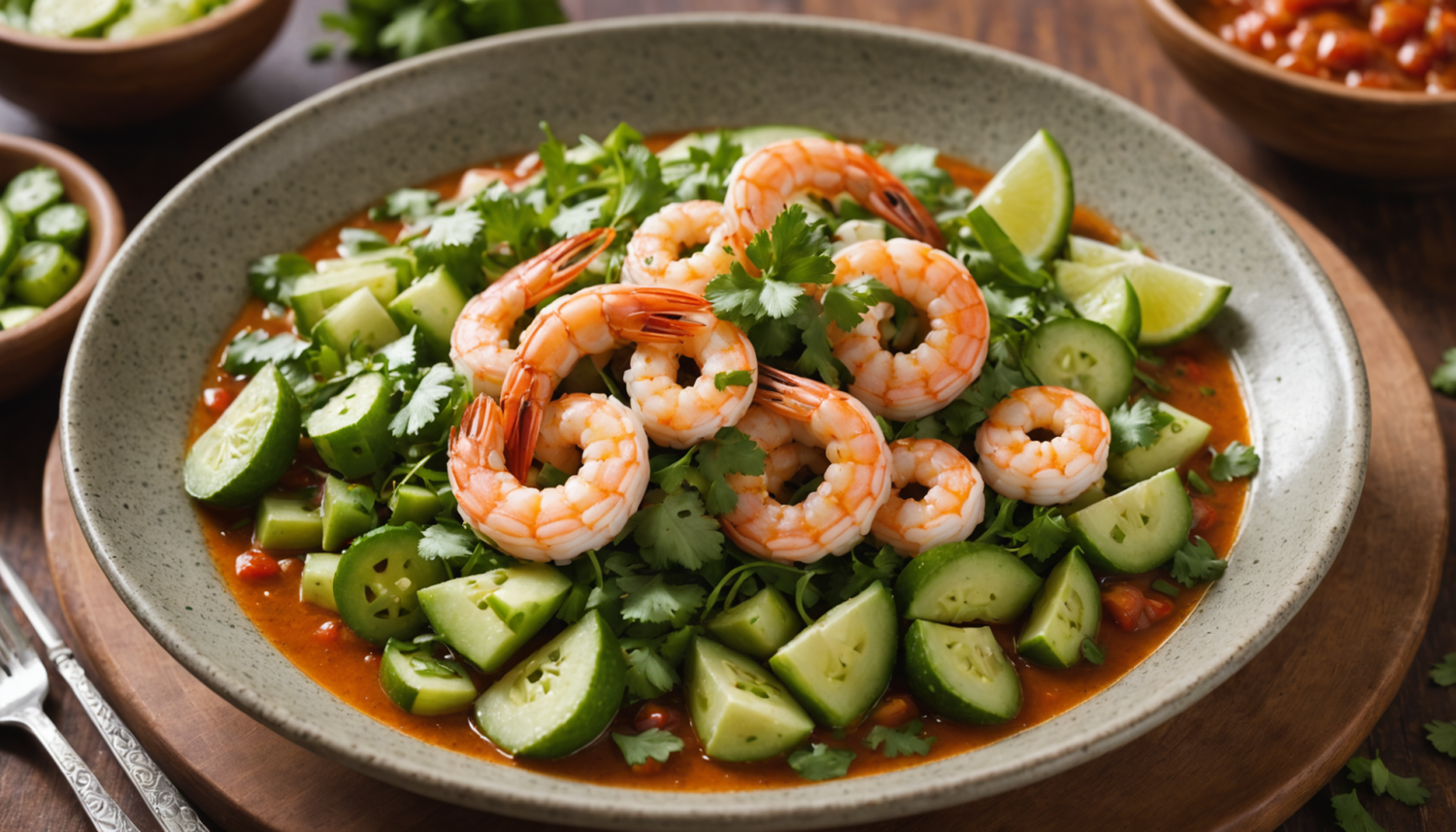
Perfect for sharing these ‘Soy Ceviche Tostadas’.
We loved the result of these ‘Soy Ceviche Tostadas’. It turned out delicious, thanks for the tips.
What a delight! . I prepared it yesterday and it was spectacular.