
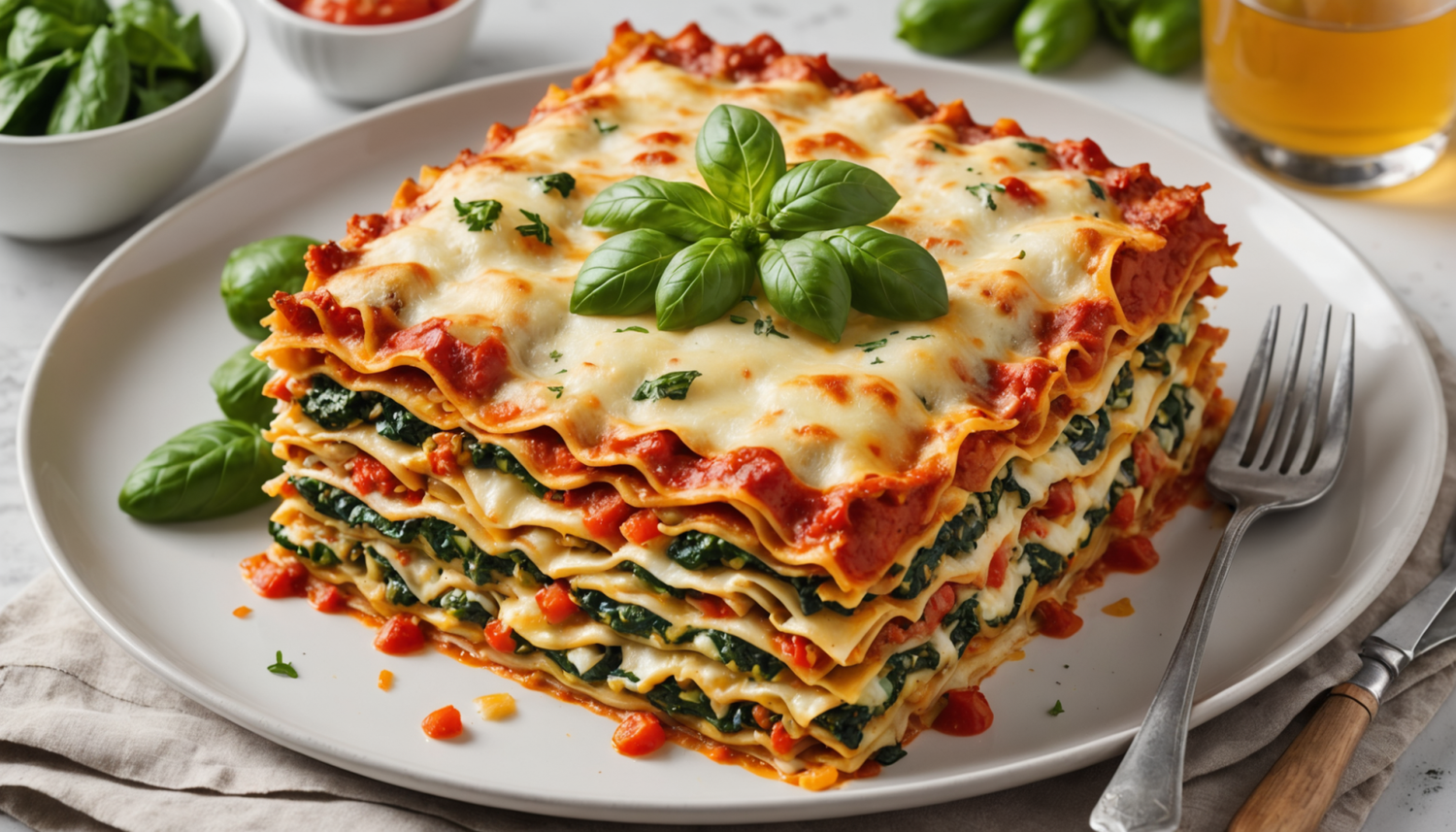
Recipe for Creamy and Gratinated Vegetable Lasagna
Hello! We are going to prepare one of my favorite versions of the Italian classic: a vegetable lasagna full of flavor and color. It's the perfect dish for everyone at home to eat vegetables without complaining, thanks to the creaminess of the béchamel sauce and melted cheese.
Preparation time
Getting organized is key in the kitchen, so here are the estimated times for you to plan your morning or afternoon without rushing:
- Preparation: 40 minutes
- Cooking: 45 minutes
- Total: 1 hour and 25 minutes
- Servings: 6 people
- Difficulty: Intermediate
Ingredients
The quality of the vegetables will make a difference in this dish. Look for fresh and firm produce.
For the vegetable filling
- 12 lasagna pasta sheets (pre-cooked or for boiling)
- 2 medium eggplants
- 2 large zucchinis
- 300 g fresh spinach
- 1 large white onion
- 2 cloves of garlic
- 500 g natural crushed tomatoes
- Extra virgin olive oil
- Salt and black pepper to taste
- 1 teaspoon dried oregano
For the béchamel sauce
- 50 g unsalted butter
- 50 g all-purpose wheat flour
- 800 ml whole milk (warm)
- Nutmeg (a pinch)
- Salt and white pepper
For assembly and gratin
- 200 g of shredded mozzarella cheese
- 100 g of powdered Parmesan cheese
If you can't find eggplant in the market or someone at home is not a fan of its texture, you can substitute it with sliced mushrooms. The process would be similar to that of a mushroom lasagna, sautéing them until they lose their water. Also, if you need a gluten-free option, simply swap the pasta sheets for corn or rice versions and use rice flour for the béchamel.
Utensils we will use
- Large frying pan or wok
- Medium pot (for the béchamel)
- Cutting board
- Chef's knife
- Wooden spoon or silicone spatula
- Rectangular baking dish (approx. 30×20 cm)
- Hand whisks
- Colander (for the pasta if you boil it)
Preparation
Preparation of the vegetables (The base sofrito)
The first thing is to properly treat our vegetables to enhance their flavor and prevent them from releasing water inside the lasagna.
- Wash the eggplants and zucchini well. There's no need to peel them if the skin is thin and shiny.
- Cut the eggplant and zucchini into small cubes of approximately 1 centimeter. We want them to be felt when bitten but to cook evenly.
- Finely chop the onion and garlic (brunoise).
- In a large pan with a base of olive oil over medium heat, add the onion and garlic. Cook until the onion is translucent, about 5 minutes.
- Add the eggplant and the zucchini. Turn up the heat slightly and sauté, stirring constantly, for about 10-12 minutes until tender and golden.
- Add the spinach fresh ones at the end; you'll see they take up a lot of space but reduce in seconds. Stir until incorporated.
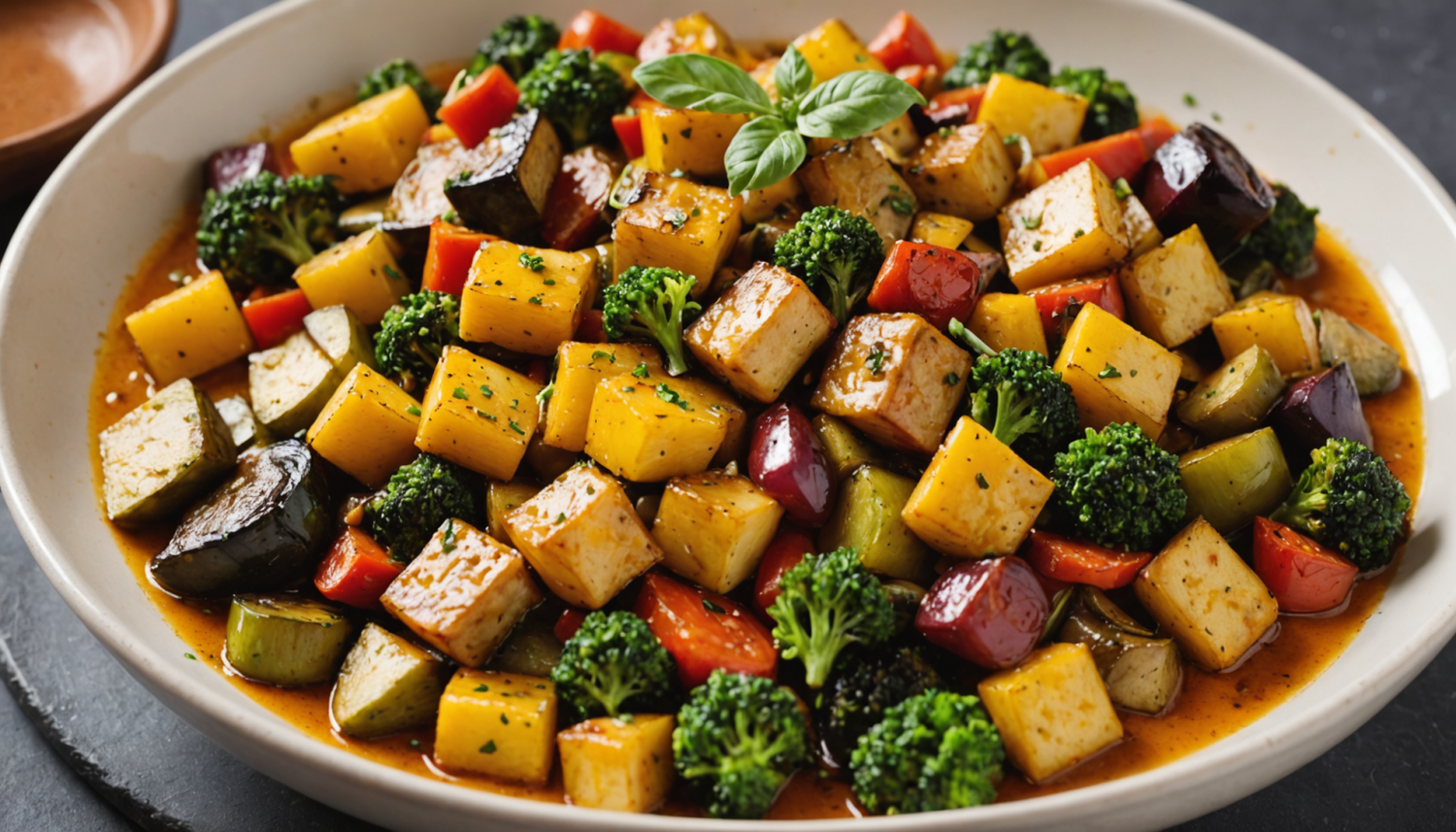
- Pour the tomato crushed, salt, pepper, and oregano. Let everything cook together over low heat for 15 minutes to evaporate the excess liquid. If you like this type of preparation, it will remind you of the filling for the Mediterranean vegetables.
- Set aside off the heat.
- Wash the eggplants and zucchini well. There's no need to peel them if the skin is thin and shiny.
- Cut the eggplant and zucchini into small cubes of approximately 1 centimeter. We want them to be felt when bitten but to cook evenly.
- Finely chop the onion and garlic (brunoise).
- In a large pan with a base of olive oil over medium heat, add the onion and garlic. Cook until the onion is translucent, about 5 minutes.
- Add the eggplant and the zucchini. Turn up the heat slightly and sauté, stirring constantly, for about 10-12 minutes until tender and golden.
- Add the spinach fresh ones at the end; you'll see they take up a lot of space but reduce in seconds. Stir until incorporated.
- Pour the tomato crushed, salt, pepper, and oregano. Let everything cook together over low heat for 15 minutes to evaporate the excess liquid. If you like this type of preparation, it will remind you of the filling for the Mediterranean vegetables.
- Set aside off the heat.
Preparation of the Béchamel Sauce
A good béchamel is the secret to prevent the lasagna from being dry. It should be silky and lump-free.
- Place the medium pot over medium heat and melt the butter.
- Add the flour all at once and stir quickly with a whisk. Cook this mixture (roux) for 2 minutes so that the flour loses its raw taste, but without burning.
- Start adding the warm milk little by little, stirring constantly with the whisk at all times. This is crucial to avoid lumps.
- Continue adding milk and stirring until you get a creamy sauce and light.
- Add salt, white pepper, and nutmeg. Cook for 2 more minutes over very low heat and remove.
- Place the medium pot over medium heat and melt the butter.
- Add the flour all at once and stir quickly with a whisk. Cook this mixture (roux) for 2 minutes so that the flour loses its raw taste, but without burning.
- Start adding the warm milk little by little, stirring constantly with the whisk at all times. This is crucial to avoid lumps.
- Continue adding milk and stirring until you get a creamy and light sauce.
- Add salt, white pepper, and nutmeg. Cook for 2 more minutes over very low heat and remove.
Layer assembly
This is where we build our structure. Preheat the oven to 200°C.
- If you use pasta that requires cooking, boil it according to package instructions and dry it on a clean cloth. If it is pre-cooked, hydrate it in hot water for a few minutes if the manufacturer indicates.
- In the baking dish, put a thin layer of béchamel on the bottom so that the pasta doesn't stick.
- Place a layer of pasta sheets covering the base.
- Add a generous layer of the filling of vegetables and tomato.
- Sprinkle some cheese mozzarella on top and cover with a little bechamel sauce.
- Repeat the operation: pasta, vegetables, cheese, béchamel. You should have enough for 3 or 4 layers, depending on your dish.
- Finish with a layer of pasta.
- If you use pasta that requires cooking, boil it according to package instructions and dry it on a clean cloth. If it is pre-cooked, hydrate it in hot water for a few minutes if the manufacturer indicates.
- In the baking dish, put a thin layer of béchamel on the bottom so that the pasta doesn't stick.
- Place a layer of pasta sheets covering the base.
- Add a generous layer of the filling of vegetables and tomato.
- Sprinkle some cheese mozzarella on top and cover with a little bechamel sauce.
- Repeat the operation: pasta, vegetables, cheese, béchamel. You should have enough for 3 or 4 layers, depending on your dish.
- Finish with a layer of pasta.
Topping and baking
The final touch for that irresistible golden color.
- Cover the last layer of pasta with all the remaining béchamel, making sure it covers the corners well.
- Generously sprinkle the rest of the mozzarella and all the Parmesan on top.
- Bake at 180°C (lower the temperature when you put it in) for 30-35 minutes.
- If you see it browning too quickly, you can cover it with aluminum foil for the first 20 minutes.
- For the last 5 minutes, you can use the grill mode to brown the cheese and make it crispy.
- Cover the last layer of pasta with all the remaining béchamel, making sure it covers the corners well.
- Generously sprinkle the rest of the mozzarella and all the Parmesan on top.
- Bake at 180°C (lower the temperature when you put it in) for 30-35 minutes.
- If you see it browning too quickly, you can cover it with aluminum foil for the first 20 minutes.
- For the last 5 minutes, you can use the grill mode to brown the cheese and make it crispy.
To finish and serve
Once you take the lasagna out of the oven, it is vital to be patient. Let it rest on the countertop for at least 10 or 15 minutes before cutting. If you cut it while boiling hot, the layers will crumble and the filling will spill out. When serving, cut generous squares and plate carefully. You can accompany it with a fresh green leaf or arugula salad to balance the richness of the dish. Enjoy your meal!
Nutritional Information
- Calories: 380 kcal
- Proteins: 18 g
- Fats: 15 g
- Carbohydrates: 42 g
- Fiber: 6 g
The nutritional values shown are approximate estimates per serving and may vary depending on the brands of ingredients used.
5 keys to make it perfect
Making lasagna seems easy, but the details make the difference between a «pasta soup» and a structured and delicious dish. Here are my chef's tips for guaranteed success:
1. Control the moisture: The number one mistake in lasagna vegetable is excess water. Vegetables release a lot of liquid when cooked. Make sure to properly reduce the tomato and vegetable sofrito in the pan before assembling the dish. If you see a lot of liquid, drain some of it.
2. The béchamel, better light: For lasagnas, I prefer a béchamel that's a bit more liquid than what I would use for croquettes. The pasta will absorb some of that moisture in the oven, hydrating and becoming soft without drying out.
3. Don't skimp on resting: As I mentioned before, resting is not optional. It's when the juices settle and the structure compacts. It's the difference between a beautiful dish and a disaster on the plate.
4. The cheese matters: Use a dry or pizza-specific mozzarella, not the fresh one that comes in whey (the white ball in water), as the latter will release water and thin out your béchamel. If you like an intense flavor, Parmesan is irreplaceable.
5. Pasta al dente: If you boil the pasta, leave it very «al dente,» almost hard. It will finish cooking in the oven with the vegetable juices and sauce. If you cook it completely in water, it will overcook in the oven and become mushy.
When is it ideal to enjoy it?
This vegetable lasagna is an incredibly versatile dish. It's ideal for family Sunday lunches, as it goes a long way and is usually liked by everyone, even children who are reluctant to see green things on their plate. It's also a fantastic option if you have vegetarian guests and want to offer something substantial that isn't a salad.
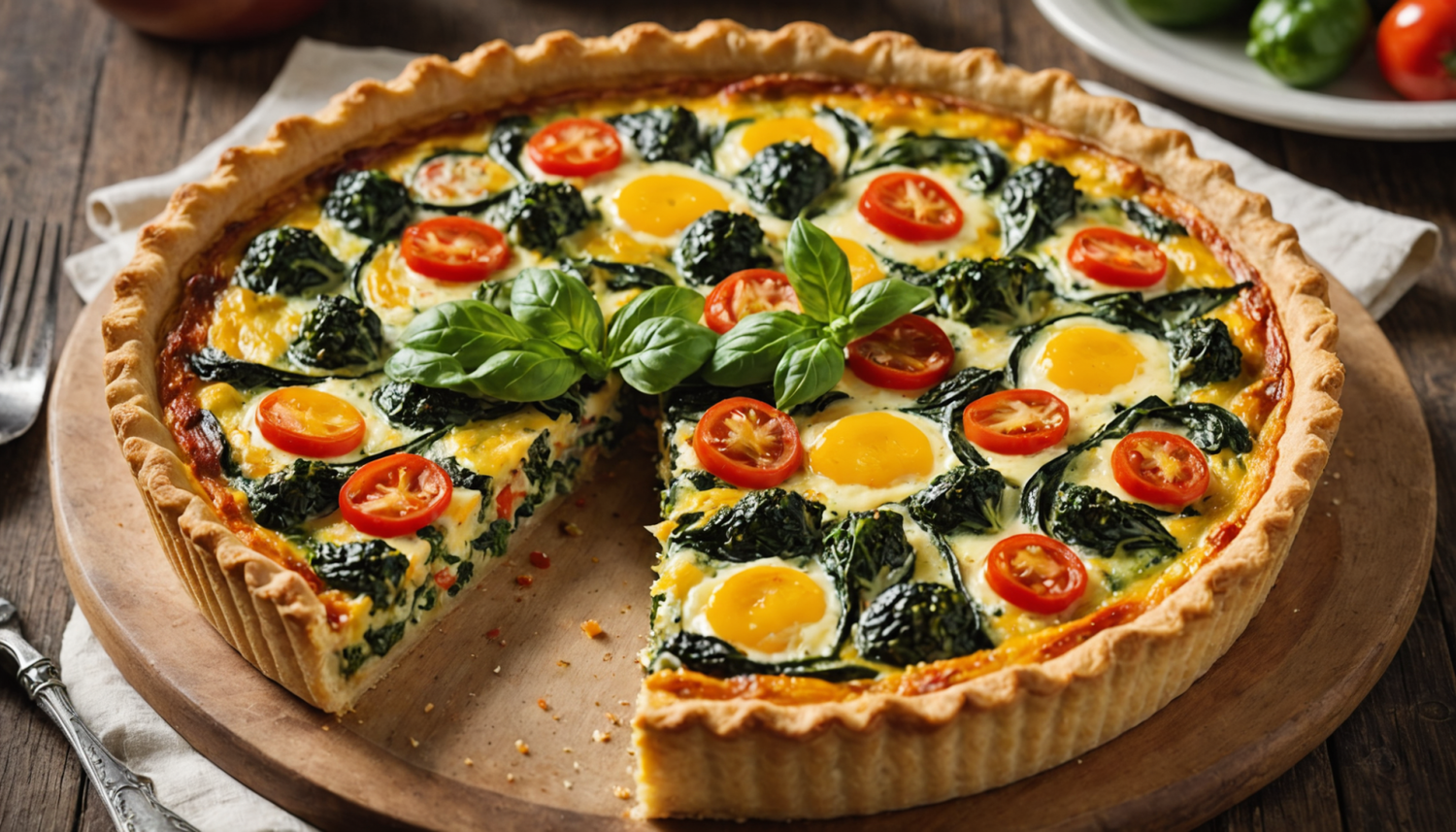
Personally, I love preparing it for the week's «batch cooking.» Just like with a good spinach quiche, this dish gains flavor from one day to the next and reheats wonderfully in the microwave or oven, saving your dinner on a busy Tuesday.
Comparison table
| Recipe | Key ingredients | Difference/advantage |
|---|---|---|
| Vegetable Lasagna (This recipe) | Eggplant, zucchini, béchamel | Lighter and more digestible than meat. |
| Meat Lasagna (Bolognese) | Minced meat (beef/pork), tomato | More intense and traditional flavor, more caloric. |
| Eggplant Parmesan | Fried eggplant, tomato, no pasta | No pasta carbohydrates, softer texture. |
| Spinach Cannelloni | Tubular pasta, spinach, ricotta | Rolled format, creamier and dairy filling. |
| Greek Moussaka | Eggplant, lamb meat, potato | Includes potato and spices like cinnamon. |
| Baked Pasta | Short pasta (penne), sauce, cheese | More informal, all mixed without neat layers. |
| Vegan Lasagna | Vegetables, vegetable béchamel, yeast | Dairy-free and egg-free, suitable for intolerances. |
Frequently asked questions (FAQ)
Share your experience
Cooking is for experimenting and sharing. Did you dare to change any vegetables? Did you add a spicy touch? Leave your comment and share your own little tricks! I'd love to know how it turned out for you and if your family liked it as much as mine.
Culinary glossary
- Roux: It is the cooked mixture of fat (butter) and flour that serves as a thickening base for sauces like béchamel.
- Brunoise: Cutting technique that consists of dicing vegetables into very small cubes, about 2 to 3 millimeters per side.
- Sauté: To cook a food over low heat in fat (oil or butter) without it taking on much color, so that it softens and releases flavor.
- Al dente: Pasta cooking point where it is cooked but maintains a slight firmness when bitten, it is not completely soft.
- Gratinate: Technique that consists of applying strong heat from above (in the oven) so that the top layer of cheese or sauce browns and becomes crispy.
I loved the combination of flavors in this ‘Vegetable Lasagna’. I followed the steps and it turned out perfectly the first time. What a great guide.
Very practical and tasty. I followed the steps and it turned out perfectly the first time.
This ‘Vegetable Lasagna’ looks incredible ❤️. I loved how clear the explanation is.