
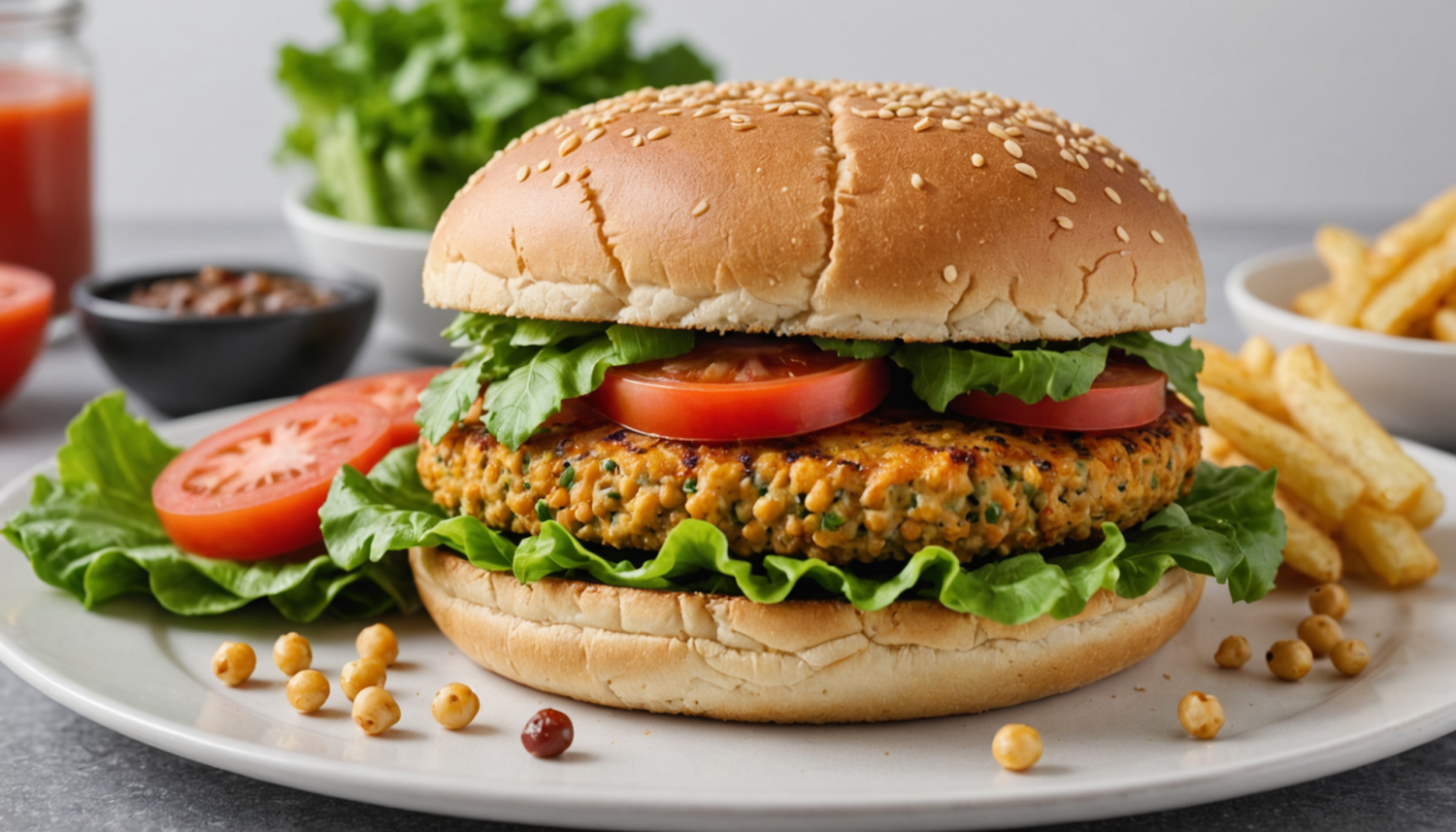
Chickpea Vegetarian Burger Recipe
Hello! How wonderful that you're joining me in the kitchen today. We're going to prepare a chickpea vegetarian burger which, although it might sound a bit strange at first if you're used to meat, I assure you it's an absolute delight. It's a fantastic way to include plant-based protein in your weekly menu without giving up the pleasure of eating with your hands. They turn out dense, flavorful, and with that crispy touch we love so much. Let's get to work!
Preparation time
Organization is key to enjoying cooking. Here are the estimated times so you don't get caught off guard.
- Preparation: 15 minutes
- Cooking: 10 minutes
- Total: 25 minutes
- Servings: 4 people
- Difficulty: Easy
Ingredients
For this recipe, we will look for fresh, quality ingredients. The combination of legumes with fruit and the nuts is what gives it that special magic.
- 500 g cooked chickpeas (can be canned, well rinsed, or leftovers from a stew)
- 2 tablespoons of olive oil
- 1 chopped onion
- 3 chopped celery stalks
- 1 chopped apple
- 60 g chopped almonds
- Salt to taste
- Ground black pepper to taste
- 2 tablespoons chickpea flour
- Fresh or dried basil (Optional)
- Extra chickpea flour (for light coating)
For assembly (suggested)
- Hamburger bun
- Sliced avocado
- Sliced cucumber
- Lamb's lettuce leaves
- Homemade mayonnaise or yogurt sauce
If you don't have chickpea flour, you can replace it with oat flour by crushing flakes at home, or breadcrumbs, although the texture will change slightly and it will no longer be suitable for coeliacs if you use wheat bread.
Utensils we will use
You don't need a professional kitchen for this to turn out great. With the basics you have in your drawers, we'll manage perfectly.
- Large bowl or wide salad bowl
- Sturdy fork or manual food mill
- Non-stick pan
- Sharp knife and cutting board
- Wooden spoon or spatula
- Flat plate (for the coating flour)
- Absorbent kitchen paper
Preparation
We're going to go step by step, without rushing but without pausing. The important thing here is to handle the dough gently so it doesn't fall apart.
We prepare the base and the sofrito
- Crushing the legume. Wash the chickpeas very well under the tap if they are canned to remove the preserving liquid and dry them a little. Put them in the large bowl and mash them with the fork or food mill. Don't aim for a fine baby puree; we want a rustic paste with some whole pieces to find textures when biting. Set this paste aside.
- Browning the onion. Place the pan over medium heat with the olive oil. Add the finely chopped onion (in small cubes) and let it sauté until it's transparent and starts to brown slightly.
- Incorporation of textures. When the onion has color, add the celery, apple, and almonds, all chopped into small pieces, to the pan. This step is vital for the flavor. Cook for a few minutes, stirring with a wooden spoon until the apple softens a little but doesn't fall apart.
- Seasoning. Add salt and pepper to taste to the vegetables in the pan. If you like an aromatic touch, now is the time to add the basil (optional).
- Combining the mixture. Pour all the contents of the pan (the sautéed vegetables and almonds) into the bowl where you have the mashed chickpeas. Add 2 tablespoons of chickpea flour. Mix everything very well with a spoon or with clean hands until you have a homogeneous and dense mixture.
Cooking and finishing
- Shaping the pieces. Divide the mixture into 4 equal parts. With your hands, form balls and gently flatten them to give them a burger shape. Compact the edges well so they don't crack.
- Light coating. Pass each burger, turning it over, through a plate with a little more chickpea flour. This will create a delicious outer crust and help prevent sticking. Shake off the excess.
- Heat and pan. Heat a little more oil in the pan over medium heat. It's important that the oil is hot before placing them, but not smoking.
- Cooking. Place the burgers in the pan. Cook for approximately 5 minutes per side. They should be golden and crispy on the outside. If you see them browning too quickly, lower the heat a little so that the heat reaches the center.
- Drained. Remove the burgers and place them on a plate with kitchen paper to remove any excess oil.
To finish and serve
Once the burgers have rested for a couple of minutes to settle their structure, it's time for the final assembly. If you're serving them on a plate, remove any burnt flour residue from the pan before plating. For the classic version, lightly toast the burger bun. Place a base of lamb's lettuce, the hot burger, and top with thin slices of cucumber, avocado, and onion to taste. A touch of homemade mayonnaise or yogurt sauce will give it the perfect juiciness. Serve them immediately while they are crispy on the outside.
Nutritional Information
Here are the approximate nutritional data per burger (not including the bun or extra sauces). It's a great option for conscious eating.
- Calories: 280 kcal
- Proteins: 12 g
- Fats: 14 g
- Carbohydrates: 30 g
- Fiber: 8 g
Remember that these values are estimates based on standard ingredients and may vary depending on the size of the apple or the amount of oil absorbed.
5 keys to make it perfect
Sometimes, small details make the difference between a burger that falls apart and a restaurant-quality one.
- Drying the chickpeas: If you use canned chickpeas, dry them very well with paper or a clean cloth before mashing. Excess moisture is the number one enemy of consistency.
- The size of the chop: Try to make the onion, celery, and apple a similar size (small brunoise). If there are very large pieces, the burger could break there when flipped.
- The pan temperature: If the oil is cold, the burger will absorb fat and become greasy. If it's too hot, the flour on the outside will burn and the center will remain cold. Medium heat is your best friend here.
- Don't move them so much: I know it's tempting to look at them, but leave them still for 5 minutes per side. They need to form a crust to stay together.
- Dough resting: If you have time, leave the formed dough in the fridge for about 20 minutes before cooking. The cold helps the flour hydrate and compact the mixture better.
When is it ideal to enjoy it?
This recipe for vegetarian burger is a wonderful wildcard. Personally, I love preparing them for Friday family dinners. It's that moment when we all want something tasty and fun, like «fast food,» but homemade and healthy. They are also great for taking in a container to work because they hold their shape well, or even for a summer barbecue if you place a griddle over the grill.
If you have children at home who resist legumes or vegetables, this presentation is usually foolproof. Being mixed with apple and almonds, the flavor is mild and they love the crunchy texture. If you're looking to vary, sometimes I prepare stuffed burgers with other vegetable ingredients to surprise them.
Comparison table
So you can see where our recipe stands against other options you might be considering, I've prepared this quick comparison.
| Recipe | Key ingredients | Difference/advantage |
|---|---|---|
| Chickpea Burger | Chickpeas, apple, almonds | Dense texture and crunchy sweet touch |
| Beef Burger | Minced meat, onion, cheese | Classic meaty flavor, heavier |
| Lentil Burger | Lentils, carrot, garlic | Softer and moister, dark color |
| Tuna Burger | Fresh tuna or can, egg, bread | Rich in Omega-3, marine flavor |
| Quinoa Burger | Cooked quinoa, bell pepper, oats | Granular texture, very light |
| Chicken Burger | Minced chicken, parsley, garlic | Low fat, neutral flavor |
| Tofu Burger | Firm tofu, soy sauce, spices | Neutral flavor that absorbs seasonings |
Frequently asked questions
Share your experience
Cooking is for experimenting and sharing. I would love to know how these burgers turned out for you. Did you dare to add the apple? Did you use any other special seasoning? Leave your comment and share your own tricks! It makes me very happy to read how you adapt recipes in your homes.
Culinary glossary
Sometimes we use words in cooking that we take for granted, but it's always good to review what they mean exactly so we don't get lost.
- Sweat: To cook a vegetable (like onion) in oil over low heat until it releases its water, softens, and becomes transparent, without burning.
- Binding agent: An ingredient or technique we use to bind or «stick together» the elements of a mixture. In this case, chickpea flour and the cooking water act as a binding agent.
- Brunoise: It is a type of vegetable cut into very small cubes, about 2 to 3 millimeters per side. Ideal for quick cooking and good integration.
- Plating: It is the art or action of aesthetically arranging food on the serving plate before bringing it to the table.
- Sear: To briefly cook a food over high heat so that an external crust forms, retaining the juices inside (although it is used more for meats, here we are looking for that crispy effect).

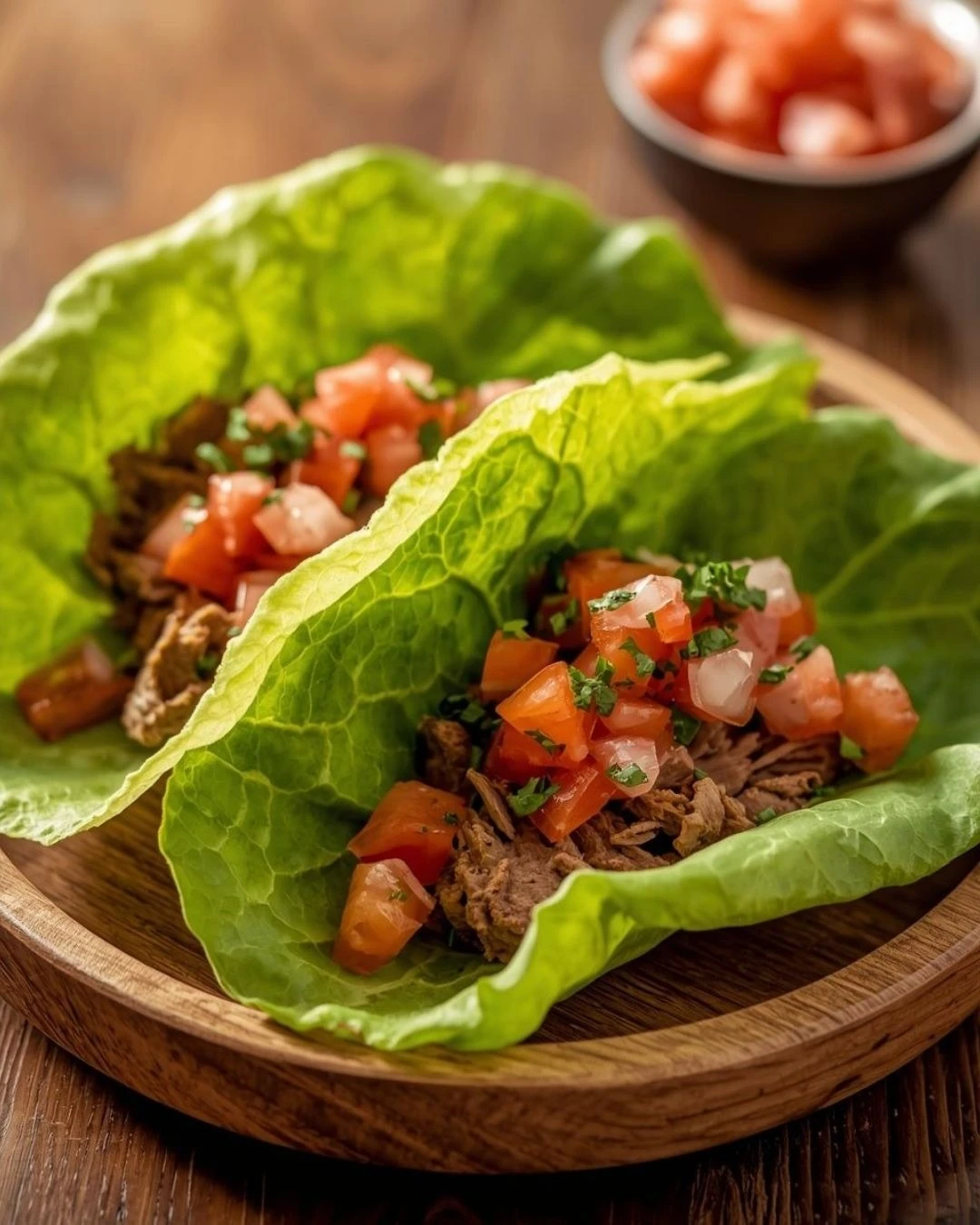
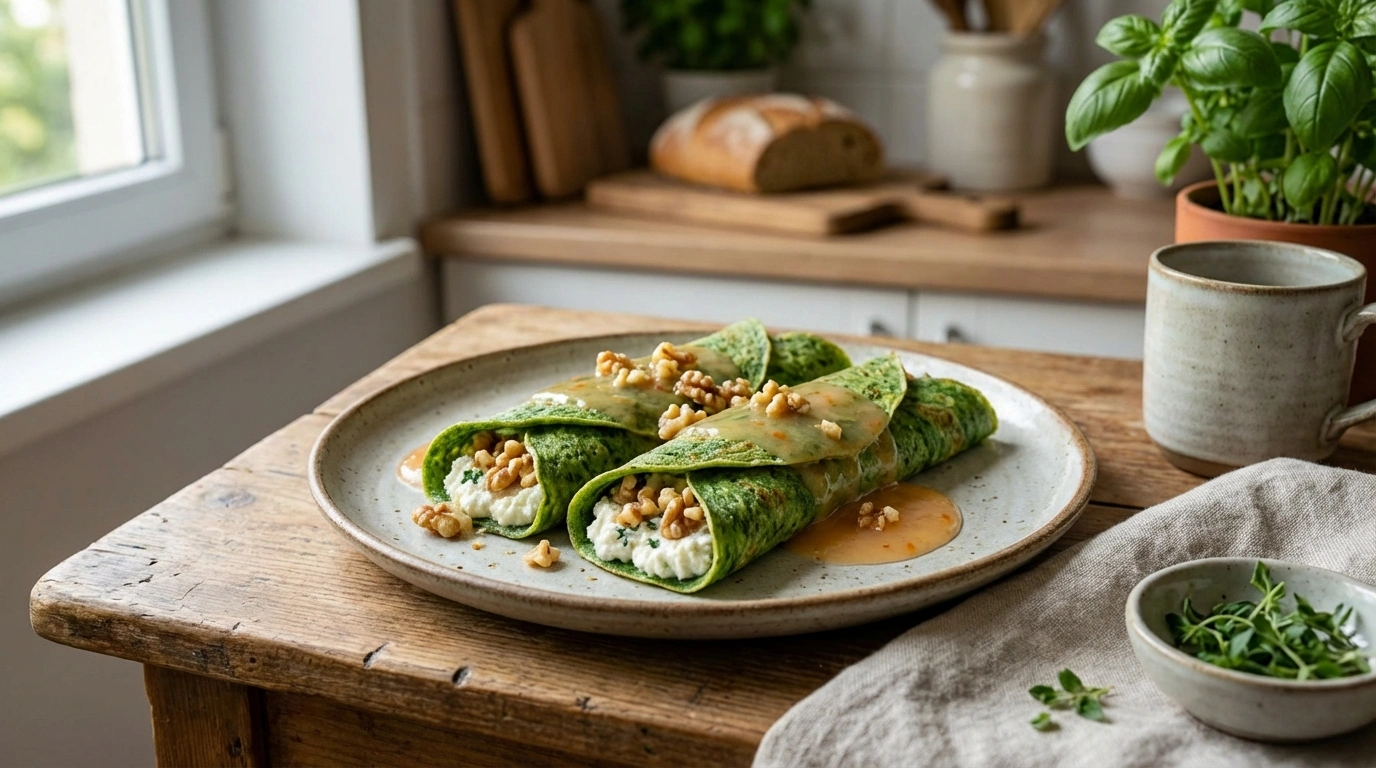
I tried this ‘Chickpea Vegetarian Burger’ today. The recipe is very well explained.
This ‘Chickpea Vegetarian Burger’ looks incredible.
What a delight! this ‘Chickpea Vegetarian Burger’. .