


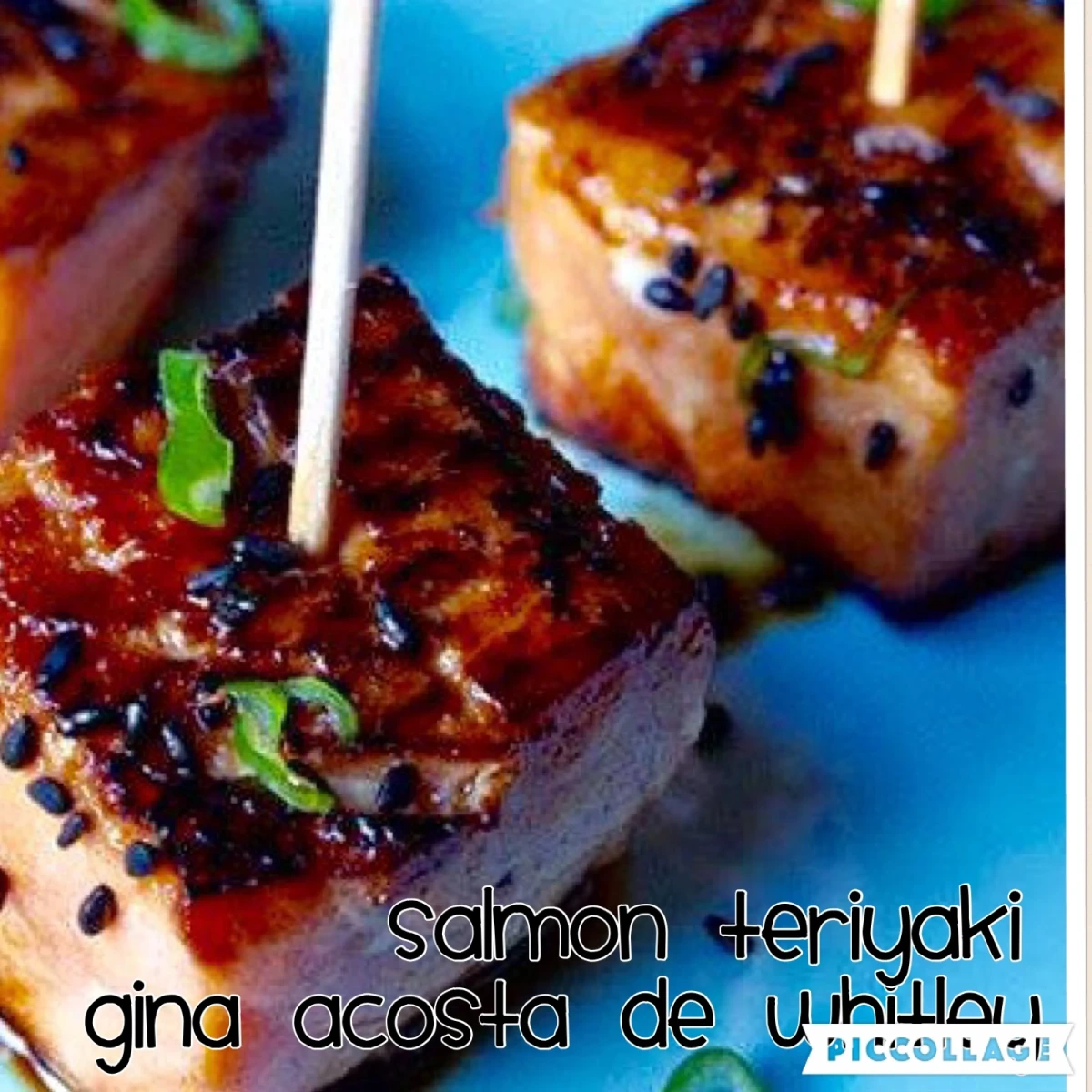
Teriyaki Salmon Appetizer Recipe
Preparing a good appetizer at home doesn't have to be a complex task or require endless hours in the kitchen. This preparation is based on transforming everyday ingredients into an exceptional bite, achieving a crispy texture on the outside and incredibly juicy on the inside. The essence of this dish lies in the exact balance between savory and sweet, a fundamental characteristic of Asian-inspired cuisine that has become indispensable on modern tables. Home cooking trends in 2026 especially value quick preparations that do not compromise nutritional quality or presentation, and this option perfectly meets those requirements.
The undisputed star here is salmon, a noble fish that provides healthy fats and a firm texture that withstands intense heat very well. By cutting it into cubes, the contact surface with the heat is maximized, which allows for the creation of a caramelized crust on each bite. This format is ideal when looking to serve the preparation as an appetizer, as it makes it easy for guests or family to enjoy it in small, manageable portions, without the need for formal knife and fork.
The key to success in this recipe is the homemade sauce. Gone are the days of relying on commercial bottles full of preservatives and artificial thickeners. Creating your own mixture in the kitchen guarantees absolute control over the amount of sodium and sugar, allowing you to adjust the nuances to the diners' preferences. By combining elements such as rice vinegar and fresh ginger, a subtle acidity and spiciness are achieved that cut through the natural richness of the fish, creating an experience on the palate that invites you to keep eating. It is a dish that demonstrates that the correct technique and understanding of ingredients can elevate a simple Tuesday dinner to a restaurant experience.
Understanding the reaction of sugars to heat is fundamental here. The honey and brown sugar present in the liquids not only sweeten, but are responsible for that characteristic shine, historically known in the Japanese style as «teri» (shine) and «yaki» (to grill or sear). When these sugars touch the hot pan, they reduce quickly, coating each piece of fish in a thick, aromatic layer. This process requires visual and olfactory attention, observing how the bubbles change size as the water evaporates and the flavors concentrate to the maximum.
In addition to its taste profile, this type of preparation fosters confidence in daily cooking. By mastering the exact cooking point of a delicate protein and understanding how to balance acidic, salty, and sweet liquids, doors are opened to experiment with other proteins or vegetables using the same base. It is a recipe that forgives minor errors, as long as the temperature is respected and the pan is not abandoned during the critical minutes of reduction. We will detail each phase to ensure a perfect result on the first attempt.
Preparation time
Time control is the best ally in home cooking. For this recipe, prior organization, known in the professional field as mise en place, makes the difference between a relaxed experience and a stressful moment in front of the stove. The total estimated time to bring this dish to the table is twenty-five minutes, an extremely efficient margin for a dish of this quality. This period is divided into two very clear phases that require different approaches from the cook.
Preparation phase: Approximately ten minutes of work are required on the cutting board and in the bowl. During this time, the main task is to portion the fish into uniform cubes. Uniformity is not an aesthetic whim; it is a technical necessity. If the pieces are of different sizes, the smaller ones will dry out and have a rubbery texture, while the larger ones will remain raw in the center. Additionally, these ten minutes include peeling and grating ginger and garlic, as well as measuring the liquids for the sweet and savory mixture. Having everything measured and mixed before turning on the heat prevents the fish from overcooking while searching for a forgotten ingredient in the pantry.
Cooking phase: Fifteen minutes are enough to transform the raw ingredients into the final dish. The first minutes are dedicated exclusively to browning the protein over medium-high heat. Here, a quick reaction on the surface is sought without the heat penetrating too deeply in the first moments. Once browning is achieved, the liquid mixture is introduced. The remaining minutes are an exercise in active patience, stirring gently so that the sugars reduce and thicken without burning. It is a quick process that demands constant presence next to the pan.
Portions and difficulty: The established quantities yield four portions, considering that it is served in small servings or accompanied by other complements. The difficulty is classified as simple, meaning that anyone, regardless of their previous experience, can achieve an optimal result by following the correct visual cues. No advanced cutting techniques or deep knowledge of complex meat cooking points are required, only mindful attention during the brief time the pan is on the heat.
The efficiency of these twenty-five minutes lies in not overlapping tasks that require the same attention. Mixing the liquids while the oil heats up is good practice, but trying to chop garlic while the fish is already browning often results in burnt garlic or overcooked protein. Respect for these times and their correct management ensure that the flavors develop properly and that the final texture is exactly as expected: firm to the bite, but melting softly on the palate.
Ingredients
Careful selection of ingredients is the foundation upon which the entire profile of this dish is built. It's not just about gathering components, but about understanding the chemical and gustatory function that each one brings to the pan.
Main protein: Necesitas 450 gramos de filete de salmón. Es preferible pedir un corte limpio y sin piel para facilitar el trabajo en casa. El salmón salvaje suele tener un color más intenso y un sabor más profundo, pero las opciones de criadero también funcionan perfectamente por su mayor contenido de grasa, que ayuda a mantener la jugosidad durante el dorado. Si utilizas pescado congelado, es imperativo dejarlo descongelar lentamente en el refrigerador desde la noche anterior y secarlo exhaustivamente con papel de cocina antes de cortarlo, ya que el exceso de agua impedirá que se forme la costra en la sartén.
Grasa de cocción: Una cucharada de aceite vegetal de sabor neutro es ideal. El aceite de girasol, canola o maíz soporta temperaturas altas sin humear rápidamente y no interfiere con los matices asiáticos. Se desaconseja el uso de aceite de oliva virgen extra en este paso inicial, ya que su sabor frutado y potente enmascararía la delicadeza del resto de los componentes y su punto de humo es demasiado bajo para el dorado vigoroso que buscamos.
Base salada: Media taza de salsa de soja baja en sodio. Utilizar la versión reducida en sal es fundamental porque la receta se va a reducir en el fuego. Si se usara la versión tradicional, al evaporarse el agua de la salsa durante la cocción, el resultado final sería abrumadoramente salado, arruinando el paladar. Para quienes buscan opciones sin gluten, el tamari es el sustituto directo que aporta la misma profundidad umami.
Aportes dulces: Se requiere una cucharada de azúcar moreno ligero y una cucharada de miel. El azúcar moreno aporta notas a melaza y ayuda a la rápida caramelización, mientras que la miel aporta viscosidad, logrando que el líquido se adhiera mejor a los trozos de carne. Esta combinación de dos azúcares diferentes crea una textura en el glaseado que no se consigue usando solo azúcar blanca.
Aromáticos y ácidos: Dos cucharadas de vinagre de arroz son necesarias para aportar la acidez que equilibra el dulzor. Si no se cuenta con él, el vinagre de sidra de manzana es un sustituto aceptable. Además, se incorpora media cucharadita de aceite de sésamo para perfumar; su sabor es muy invasivo, por lo que debe medirse con precaución. Se requiere también una cucharadita de jengibre fresco rallado y una cucharadita de ajo fresco rallado. Es crucial evitar el uso de ajo o jengibre en polvo, ya que carecen de los aceites esenciales vibrantes que otorgan frescura a la preparación. Como elemento opcional, una cucharadita de salsa Sriracha aporta un nivel de calor muy interesante que despierta las papilas gustativas.
Para los toques finales: Dos cebolletas cortadas finamente y dos cucharaditas de semillas de sésamo. Las cebolletas aportan un toque herbáceo y crujiente que contrasta con la textura suave y cocida del resto del plato, mientras que las semillas, preferiblemente tostadas previamente en una sartén seca durante unos segundos, aportan un sutil sabor a nuez y un atractivo visual clásico.
Utensils we will use
El equipamiento necesario para ejecutar esta preparación es básico y se encuentra en la gran mayoría de las cocinas domésticas. No es necesario invertir en herramientas profesionales; basta con saber utilizar correctamente lo que se tiene a mano para extraer el máximo provecho de cada acción.
Sartén amplia: El elemento más importante es una sartén grande que permita distribuir todos los cubos de salmón en una sola capa sin que se amontonen. Si los trozos están demasiado juntos, la temperatura de la sartén bajará drásticamente y el pescado comenzará a hervir en sus propios jugos en lugar de dorarse, arruinando la textura. Una sartén antiadherente es ideal para quienes buscan facilidad al momento de voltear las piezas sin riesgo de que se peguen. Si prefieres usar acero al carbono o hierro fundido, asegúrate de precalentarlo adecuadamente y de que la superficie esté bien lubricada para evitar desastres.
Bol de preparación: Un recipiente de tamaño mediano es esencial para integrar los líquidos y aromáticos de la marinada. Puede ser de vidrio, cerámica o acero inoxidable. Lo importante es que ofrezca suficiente espacio para batir con energía sin derramar el contenido, permitiendo que la miel y el azúcar se disuelvan completamente en los elementos líquidos antes de llevarlos al calor.
Herramientas de corte: A sharp knife and a stable cutting board. Raw fish is slippery and has delicate fibers. A dull knife will crush the flesh instead of cutting it, damaging the food's structure. For the board, make sure to place a damp cloth underneath it on the countertop; this simple adjustment will prevent the board from sliding while you work, preventing accidents.
Mixing and handling utensils: A small hand whisk or, failing that, a common fork, is necessary to emulsify the sauce ingredients. For handling the food in the pan, a silicone spatula or kitchen tongs are perfect. Tongs allow you to pick up each cube individually and turn it with millimeter precision, ensuring even browning on all sides. If you use non-stick pans, make sure your tongs have silicone tips to avoid scratching the surface.
Rallador: A fine grater is necessary for garlic and ginger. Microplane-style graters are excellent because they reduce these roots to an almost liquid purée that melts into the sauce without leaving fibrous pieces. If you don't have one, the homemade alternative is to chop everything as finely as possible with a knife and then crush the small pieces against the board using the knife blade and a pinch of salt, forming a rustic paste.
Preparation
The cooking process demands attention to visual and olfactory details. As we progress through each step, it is essential to rely on our senses more than on the clock, as the power of each stove and the thickness of each pan vary enormously in every home.
Preliminary organization step: Before approaching the heat, make sure you have the fish cut into bite-sized cubes, dry and ready. In your medium bowl, combine the low-sodium soy sauce, brown sugar, honey, rice vinegar, sesame oil, grated ginger, grated garlic, and, if you decided to use it, Sriracha. Whisk vigorously until you no longer feel the grainy texture of the sugar at the bottom of the bowl. This mixture should be within arm's reach next to the stove.
The initial browning: Place the large pan on the stove over medium-high heat and add the vegetable oil. Wait a few moments until the oil shines and moves lightly when tilting the pan; this is the sign that it is ready. Introduce the salmon cubes, making sure they all touch the bottom. Let them cook without moving for approximately two minutes. You will notice that the bottom edges change color, going from a translucent to an opaque pink hue. At this point, use your tongs or spatula to carefully turn each piece. Continue cooking on all sides until you notice a light browning and the inside is almost cooked to the touch, but still slightly tender in the center. If you feel the pan is smoking too much, lower the heat a little.
The incorporation of liquids: With the fish already browned, pour the contents of your bowl directly into the pan. Instantly, you will hear a strong sizzle and the aroma of ginger and garlic will fill the kitchen. Reduce the heat to a medium level. At this stage, the liquid will begin to evaporate, concentrating the sugars. Use a spoon to collect the liquid from the edges and constantly baste the fish pieces. This continuous glazing is vital for them to acquire that characteristic shine and absorb all the nuances of the liquid without drying out inside.
The exact point of thickness: Continue cooking and observing. After a few minutes, you will notice that the bubbles forming on the surface of the pan become larger and take longer to break. When you pass the spatula across the bottom, it should leave a furrow that takes a second to close again. This is the unequivocal sign that the reduction has reached its optimal point of thickness. The fish should be enveloped in a dense, shiny layer. Turn off the heat immediately to stop the cooking; the residual heat will finish setting the juices.
To finish and serve, remove the pan from the heat source and immediately sprinkle the chopped scallions and sesame seeds over it, taking advantage of the final steam for them to adhere. If desired, you can separate the pieces and serve them on a neutral base. Serve hot to enjoy the contrast between the dense glaze and the tenderness of the internal flesh. Accompany it with freshly made white rice or arrange the pieces on a central platter with small chopsticks if the occasion is informal and festive. In case you have an extensive dinner and want to start with something different, an excellent idea is to serve a risotto de mariscos to maintain the seafood theme on the menu.
Nutritional Information
Understanding the nutritional profile of what we bring to the table is a fundamental aspect of conscious modern cooking. Each portion of this preparation provides an interesting balance of macronutrients, designed to satisfy the appetite without causing heaviness, ideal for integration into balanced and dynamic diets. The main energy comes from high-quality fats and proteins of high biological value. A serving of this dish contains approximately three hundred and ten kilocalories, a fairly moderate number considering the richness and depth experienced on the palate.
El aporte proteico es el pilar de la receta. Al consumir una porción, se obtienen alrededor de veinticuatro gramos de proteínas. Estas son esenciales para el mantenimiento de la estructura muscular y proporcionan una sensación de saciedad prolongada, lo que evita los picos de hambre poco después de comer. El pescado utilizado es mundialmente reconocido por la calidad de sus fibras musculares, que el cuerpo humano asimila con gran eficiencia.
En cuanto a las grasas, cada porción aporta cerca de catorce gramos. Es vital comprender que la mayoría de estos lípidos son insaturados, provenientes directamente de los aceites naturales del pescado y, en menor medida, del aceite de sésamo utilizado en el aderezo final. Estas son las grasas que la nutrición contemporánea fomenta consumir, alejándose del estigma negativo que las grasas tenían en décadas pasadas.
El contenido de carbohidratos ronda los dieciséis gramos por ración. Este número proviene casi exclusivamente de los azúcares añadidos en la reducción, es decir, la miel y el azúcar moreno. Estos elementos son responsables de la caramelización y textura espesa de los líquidos, aportando energía de rápida absorción. El nivel de fibra dietética es mínimo, cercano a medio gramo, derivado únicamente del ajo, el jengibre y las guarniciones como la cebolleta. Por esta razón, siempre se recomienda combinar la preparación con vegetales al vapor o ensaladas frescas que complementen esta carencia.
Por último, es importante mencionar que estos valores son estimaciones aproximadas basadas en una distribución equitativa de los ingredientes en cuatro porciones iguales. Variables como la cantidad de reducción que queda en la sartén y no se sirve, o la diferencia en el porcentaje graso natural de distintos cortes de pescado, pueden alterar ligeramente estos números en la práctica casera diaria.
5 keys to make it perfect
Lograr la excelencia en un plato aparentemente sencillo depende casi por completo de la atención a pequeños detalles durante el proceso de manipulación y cocción. La primera clave fundamental es el tamaño uniforme de los cortes. Cuando divides el filete, debes esforzarte por lograr dados del mismo tamaño. Si omites este paso y dejas pedazos irregulares, los más pequeños se deshidratarán rápidamente y adquirirán una textura correosa, mientras que los gruesos mantendrán un centro frío y crudo. Un cuchillo bien afilado es tu mejor herramienta para lograr cortes precisos sin desgarrar las delicadas fibras de la proteína.
La segunda clave radica en la temperatura inicial de la sartén. El aceite debe estar suficientemente caliente antes de introducir cualquier alimento. Si colocas los dados en una superficie tibia, estos absorberán la grasa y comenzarán a hervir lentamente, perdiendo la oportunidad de desarrollar esa codiciada costra dorada exterior que sella los jugos en su interior. La paciencia de esperar unos minutos extra hasta que el aceite ondule sutilmente marca la diferencia entre una textura blanda y una textura profesionalmente sellada.
La tercera regla de oro es evitar añadir sal extra a la proteína en crudo. En la mayoría de las preparaciones de carnes, salpimentar previamente es casi obligatorio, pero aquí es un error garrafal. La base líquida que preparamos con soja ya contiene una concentración de sodio muy elevada. Si añades sal al principio, al momento en que los líquidos se reduzcan y concentren sus sabores, el resultado final será incomiblemente salado. Confía en el condimento que aporta la mezcla.
El cuarto punto se centra en el manejo del glaseado y su espesor. A veces, la humedad residual del pescado puede hacer que los líquidos tarden en reducirse de manera natural. Si notas que han pasado varios minutos y la mezcla sigue estando líquida como el agua, el consejo práctico es retirar temporalmente los trozos de carne para evitar que se sobrecocinen. Deja que el líquido hierva solo en la sartén hasta que logre la consistencia de un jarabe ligero. Si prefieres un método más rápido, puedes añadir una mezcla de dos cucharadas de agua fría combinadas con una cucharadita de maicena; al verter esto y revolver, el líquido espesará en segundos.
La quinta y última clave es el reposo. Al igual que con cualquier otra carne asada o a la plancha, los jugos internos necesitan unos instantes para redistribuirse tras ser expuestos a un calor agresivo. Una vez que apagas el fuego y aplicas las cebolletas, espera un par de minutos antes de llevar el bocado a la boca. Este breve lapso asegura que, al morder, la humedad se mantenga en el centro y no se derrame en el plato, logrando una experiencia sensorial redonda y reconfortante. Si te sobra algo de tiempo y quieres preparar un menú completo, puedes explorar opciones ligeras para iniciar, como un ceviche fresco, que limpia el paladar antes de los tonos dulces de nuestro plato principal.
When is it ideal to enjoy it?
La versatilidad de este aperitivo es uno de sus mayores atractivos, adaptándose con gracia a una amplia variedad de situaciones y formatos de alimentación. Por su naturaleza, que equilibra matices dulces y salados con un bocado tierno, resulta una opción brillante para las reuniones de fin de semana. Cuando recibes invitados en casa, ofrecer pequeños cuencos con estos dados glaseados acompañados de palillos de madera transforma instantáneamente el ambiente de la sala, aportando un toque de sofisticación informal. Funciona maravillosamente como un rompehielos culinario mientras se preparan los platos principales, manteniendo a los comensales satisfechos pero sin llegar a llenarlos en exceso.
En el contexto del día a día, esta preparación se convierte en una aliada inestimable para las cenas familiares rápidas. Después de una jornada agotadora, la idea de pasar horas frente a la estufa suele ser poco atractiva. Este plato permite ofrecer una comida reconfortante, de aspecto elaborado y de alto valor nutricional, en apenas veinticinco minutos. Servido generosamente sobre una cama de arroz blanco al vapor o fideos de arroz, el glaseado sobrante de la sartén impregna los carbohidratos, creando un plato principal completo y satisfactorio que encanta tanto a adultos como a los más jóvenes del hogar.
Otra ocasión estelar para esta receta es su aplicación en la preparación de comidas semanales o meal prep. La vida moderna exige organización, y estos dados glaseados se recalientan sorprendentemente bien sin perder excesiva calidad, a diferencia de otras preparaciones de mariscos que pueden volverse gomosas. Para aprovecharlo en la oficina o durante la semana, basta con distribuir porciones en recipientes herméticos junto a una base de granos y vegetales al vapor, como brócoli o tirabeques. Al calentarlo suavemente en el microondas, los aromas de ajo y jengibre vuelven a cobrar vida.
Incluso en temporadas cálidas, este plato mantiene su relevancia. Como aperitivo frío, los sabores de la reducción se asientan y se vuelven aún más pronunciados. Se puede disfrutar a temperatura ambiente sobre hojas de lechuga fresca a modo de tacos ligeros, lo que aporta una textura crujiente y refrescante que contrasta con la intensidad de la carne. La acidez sutil del vinagre de arroz destaca especialmente cuando el plato no está humeante, demostrando que su arquitectura de sabores está diseñada para funcionar sin importar la estación del año o la temperatura de servicio.
Para garantizar que las sobras mantengan su esplendor, el almacenamiento adecuado es vital. Los recipientes de vidrio herméticos son la mejor opción, ya que no absorben olores y permiten visualizar el contenido. Al guardarlo en el refrigerador, se mantiene en condiciones óptimas durante un máximo de cuatro días. Al momento de reutilizarlo, siempre es recomendable añadir un par de gotas de agua antes de aplicar calor, lo que ayuda a aflojar los azúcares cristalizados del glaseado, devolviéndole su textura melosa original sin secar el interior de la proteína.
Glosario culinario práctico
Para movernos con soltura en la cocina casera, es útil familiarizarse con ciertos términos técnicos que aparecen frecuentemente en recetas de este estilo. Conocer su significado simplifica las instrucciones y nos ayuda a entender el propósito detrás de cada acción que realizamos frente a los fogones.
Sear: Este término hace referencia a la técnica de exponer un alimento, generalmente una proteína, a un calor elevado durante un corto periodo de tiempo. El objetivo no es cocinar el interior del alimento, sino provocar una rápida reacción en la superficie que genere una costra dorada. Esta costra mejora enormemente la apariencia visual, aporta sabores profundos a tostado y ayuda a proteger la textura interna durante el resto del proceso de cocción.
Reduce: Es el proceso de espesar y concentrar el sabor de una mezcla líquida mediante ebullición o fuego lento prolongado. A medida que el calor evapora el agua contenida en la mezcla, los azúcares, las sales y los compuestos aromáticos se vuelven más densos y potentes. En el contexto de los glaseados, una reducción correcta transforma líquidos ligeros en salsas con textura de jarabe que recubren los alimentos uniformemente.
Grate: Consiste en desmenuzar un ingrediente sólido en fragmentos minúsculos frotándolo contra una superficie áspera y perforada. A diferencia de picar con cuchillo, rallar ingredientes como el ajo o las raíces aromáticas rompe intensamente sus células estructurales, liberando una cantidad significativamente mayor de jugos y aceites esenciales. Esto asegura que el sabor se distribuya de manera homogénea en las mezclas sin dejar trozos perceptibles al masticar.
Cubes: Referido al corte, implica dividir un alimento en trozos geométricos lo más parecidos posible a un cuadrado tridimensional. Más allá de la estética, la importancia de este corte radica en la cocción uniforme; al tener todos los lados de dimensiones similares, el calor penetra a la misma velocidad desde todas las direcciones, asegurando que el centro alcance su punto exacto al mismo tiempo en todas las piezas de la sartén.
Thicken: Es la acción de aumentar la densidad o viscosidad de un líquido. Puede lograrse de manera natural mediante la técnica de reducción mencionada anteriormente, o de manera artificial mediante la adición de agentes aglutinantes como la maicena disuelta en agua fría. Un líquido correctamente espesado debe tener la capacidad de aferrarse a la superficie de los alimentos en lugar de escurrirse rápidamente hacia el fondo del plato.

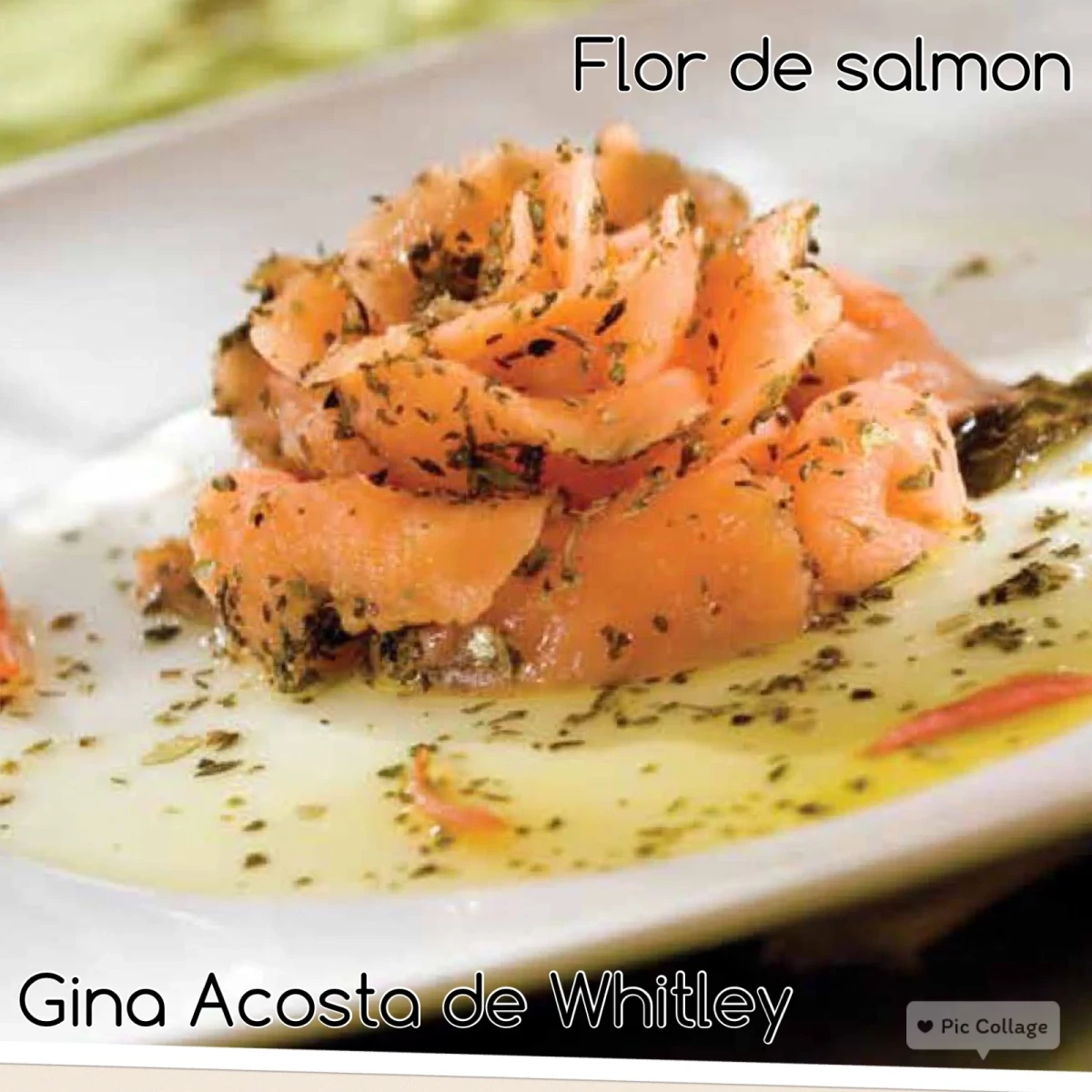
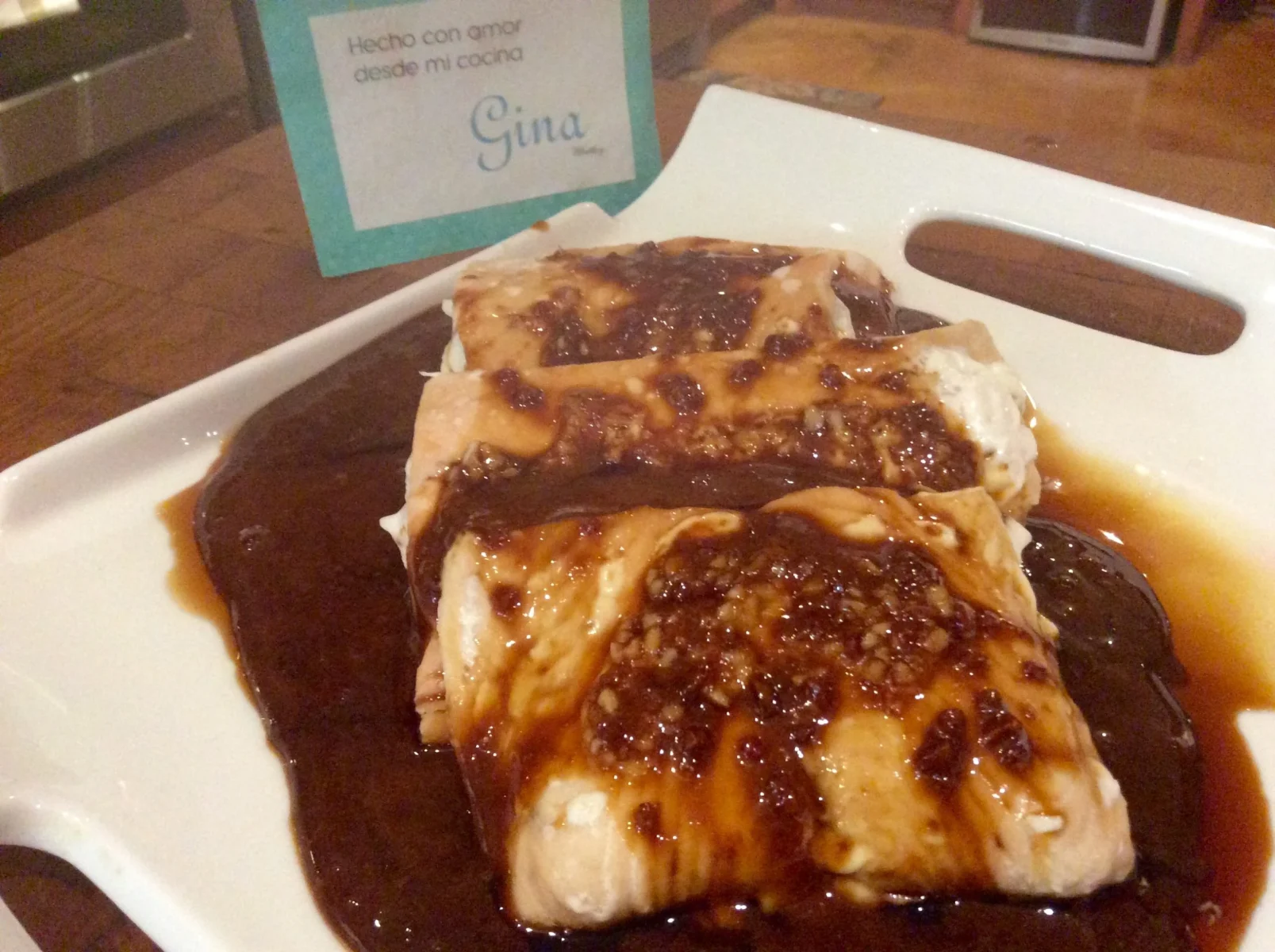
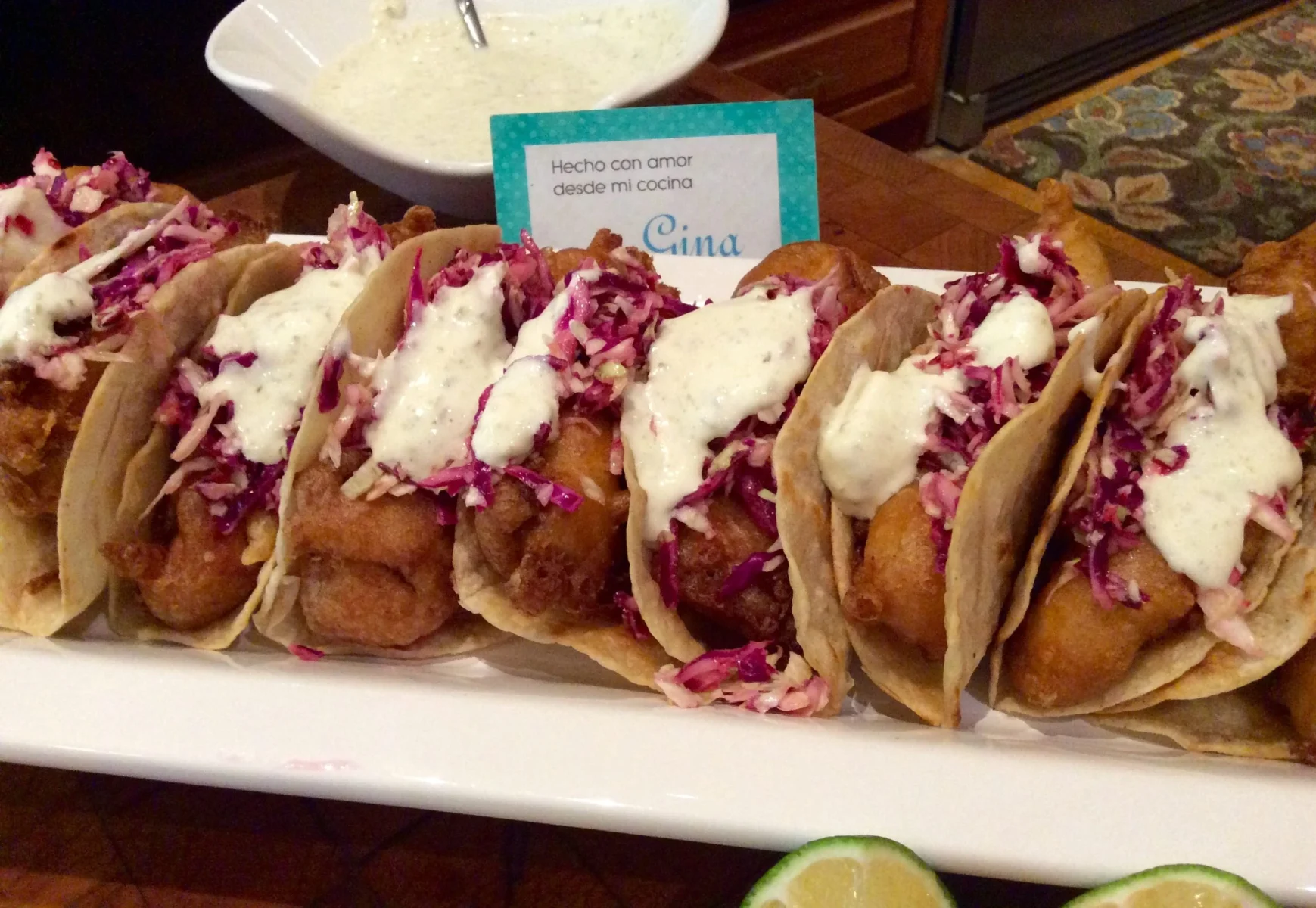
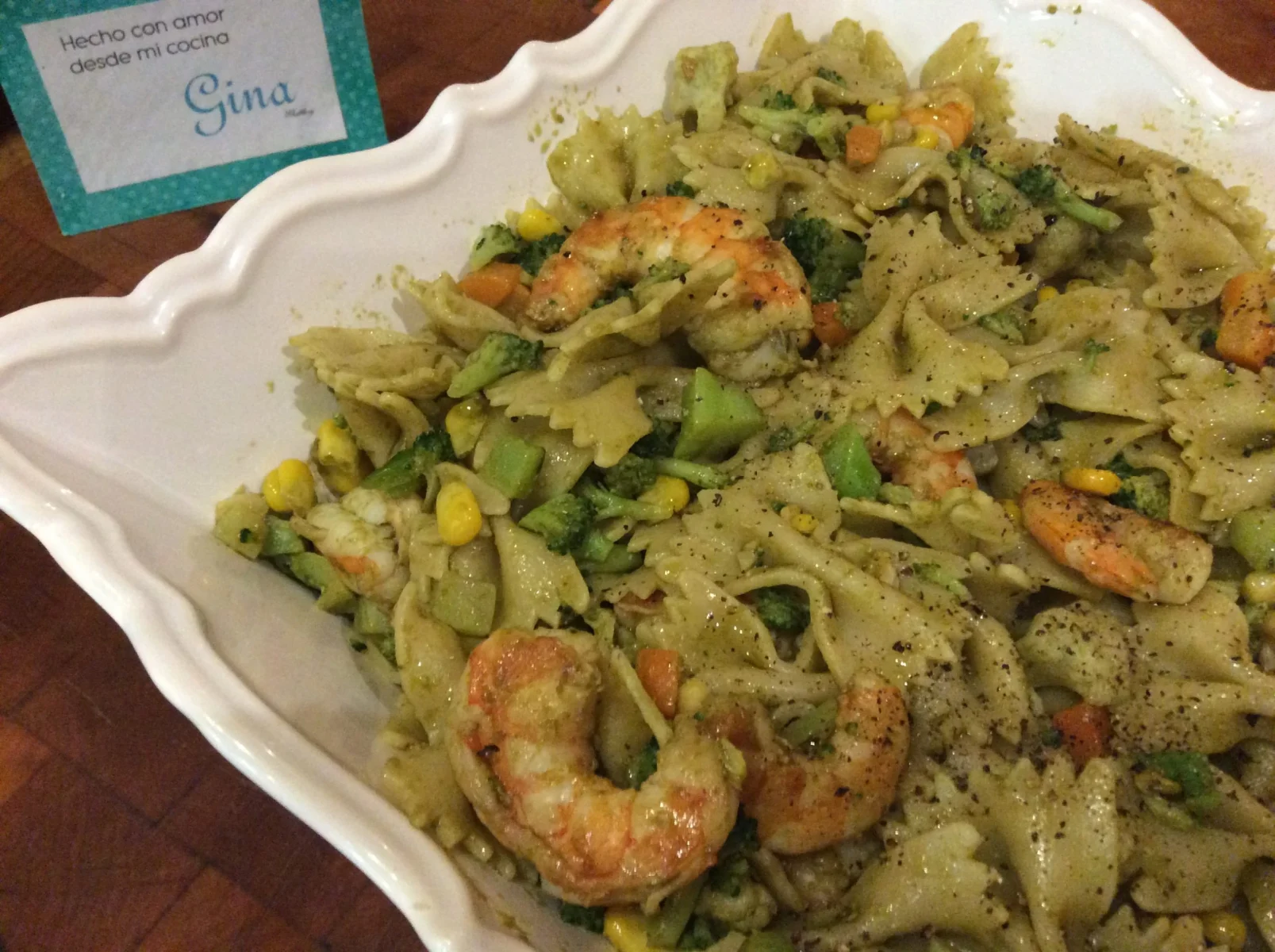



I loved the combination of flavors. I made it for dinner and everyone was happy. highly recommended.
Super recipe this ‘Salmon Teriyaki Appetizer’. I made it with the ingredients I had and it worked perfectly.
We loved the result of this ‘Salmon Teriyaki Appetizer’. It saved me time and was delicious.