

Red Wine Brisket Recipe: The secret to tender and juicy meat
Hello! We're going to prepare a dish that transforms a tough cut of meat into something so tender you'll barely need a knife. This stew is pure love: time, gentle heat, and a rich sauce that envelops everything. It's perfect for when you want to impress without being stuck in the kitchen all day.
Preparation time
Getting organized is half the battle in the kitchen, so here are the estimated times for you to plan your day without rushing.
- Preparation: 20 minutes
- Cooking: 3 hours and 30 minutes
- Total: 4 hours and 20 minutes
- Servings: 6 to 8 people
- Difficulty: Intermediate
Ingredients
To achieve that deep flavor and melt-in-your-mouth texture, we need fresh, quality ingredients. Don't worry, everything can be found at the market.
For the meat and searing
- 1 piece of beef brisket, approximately 2.7 kg (6 pounds), preferably the flat cut
- 2 tablespoons kosher salt (if using fine table salt, use only half)
- 2 teaspoons freshly ground black pepper
- 60 ml vegetable or mild olive oil
For the stew and sauce
- 2 large yellow onions
- 3 large celery stalks
- 2 large carrots
- 1 whole head of garlic
- 60 ml tomato paste
- 30 ml beef broth paste or concentrate (low sodium if possible)
- 750 ml of red wine dry (an inexpensive Cabernet Sauvignon works perfectly)
- 240 ml water
- 2 sprigs fresh rosemary
- 8 sprigs fresh thyme
- 3 dried bay leaves
If you can't find beef broth paste, you can substitute the water with a very concentrated homemade or cubed beef broth, but watch the salt. If you prefer not to use alcohol, substitute the wine with the same amount of additional beef broth and add a tablespoon of balsamic vinegar for acidity. In case you have leftover carrots and want to use them for another meal, you could try making some honey and thyme glazed carrots as a side dish another day.
Utensils we will use
You don't need industrial equipment for this; what you have in your drawers is more than enough. The important thing is the size of the pot.
- A large oven-safe pot or a deep roasting pan (roaster type)
- Large cutting board
- Well-sharpened chef's knife
- Long kitchen tongs (to avoid burning yourself when flipping the meat)
- Wooden spoon or heat-resistant spatula
- Heavy-duty aluminum foil
- A large colander
- A medium bowl
- Kitchen paper towels
Preparation
Preparation and seasoning of the meat
Pat the piece of meat very dry with paper towels; this is vital for it to brown and not steam. Season both sides generously with salt and pepper. If you have time, you can let it rest like this in the refrigerator overnight, but if not, do it just before cooking.
- Thoroughly dry the meat on all sides.
- Spread the salt and pepper, pressing with your hand so it adheres.
- Thoroughly dry the meat on all sides.
- Spread the salt and pepper, pressing with your hand so it adheres.
Searing the piece
Place your large pot or pan over two stove burners on medium-high heat. Add the oil and wait for it to be hot (it will start to shimmer). Carefully place the meat. Let it brown deeply without moving it for a few minutes on each side. We are looking for a dark brown color, not gray.
- Brown 4-5 minutes per side until you see a dark crust.
- Use tongs to hold the meat on its side and also sear the fatty edges.
- Remove the meat to a tray and set it aside.
- Brown 4-5 minutes per side until you see a dark crust.
- Use tongs to hold the meat on its side and also sear the fatty edges.
- Remove the meat to a tray and set it aside.
Sautéing vegetables
Lower the heat to medium. In the same fat released by the meat (if it's too much, remove some; if there's not enough, add a drizzle of oil), add the onions, carrots, and celery cut into large, coarse pieces. We don't need fine cuts here.
- Sauté for 6-8 minutes, stirring occasionally.
- Wait for the onion to start looking translucent and the edges to brown.
- Sauté for 6-8 minutes, stirring occasionally.
- Wait for the onion to start looking translucent and the edges to brown.
Flavor concentration
Stir in the tomato paste and beef broth paste. Stir constantly for a couple of minutes. You will see the tomato paste change from a bright red to a darker brick color; this removes acidity and deepens the flavor.
- Cook the pasta with the vegetables for 3 minutes.
- Watch that the bottom doesn't burn.
- Cook the pasta with the vegetables for 3 minutes.
- Watch that the bottom doesn't burn.
Deglazing and creating the liquid
Pour in the water and scrape the bottom of the pot with the wooden spoon to lift all those stuck bits (the «fond»). That's where all the flavor from searing is. Cut the garlic head in half horizontally and add it along with the rosemary, thyme, and bay leaf.
- Scrape the bottom well while the water bubbles.
- Add the herbs and garlic.
- Scrape the bottom well while the water bubbles.
- Add the herbs and garlic.
Slow baking
Return the meat to the pot, arranging it among the vegetables. Pour the entire bottle of red wine over and around the meat. The liquid doesn't have to cover it completely, but it should reach at least halfway. Cover the pot tightly with aluminum foil (double layer if thin).
- Preheat the oven to 150°C (300°F).
- Place the covered pot in the center of the oven.
- Cook for approximately 3 to 3.5 hours.
- The meat will be ready when, upon piercing it with a fork in the center, it goes in and out smoothly as if it were butter (internal temperature approx. 90-93°C).
- Preheat the oven to 150°C (300°F).
- Place the covered pot in the center of the oven.
- Cook for approximately 3 to 3.5 hours.
- The meat will be ready when, upon piercing it with a fork in the center, it goes in and out smoothly as if it were butter (internal temperature approx. 90-93°C).
Resting and finishing the sauce
Remove the meat from the pot and place it on a clean cutting board. Cover it with foil and let it rest for a mandatory 30 minutes. Meanwhile, strain the cooking liquid into a smaller pot, pressing the vegetables to extract all the juice, then discard them.
- Let the fat from the liquid settle for a few minutes and remove any excess oil floating on top with a spoon.
- Boil the strained liquid over medium-high heat for 10-15 minutes to reduce and thicken slightly.
- Taste the sauce and adjust salt if necessary.
- Let the fat from the liquid settle for a few minutes and remove any excess oil floating on top with a spoon.
- Boil the strained liquid over medium-high heat for 10-15 minutes to reduce and thicken slightly.
- Taste the sauce and adjust salt if necessary.
To finish and serve
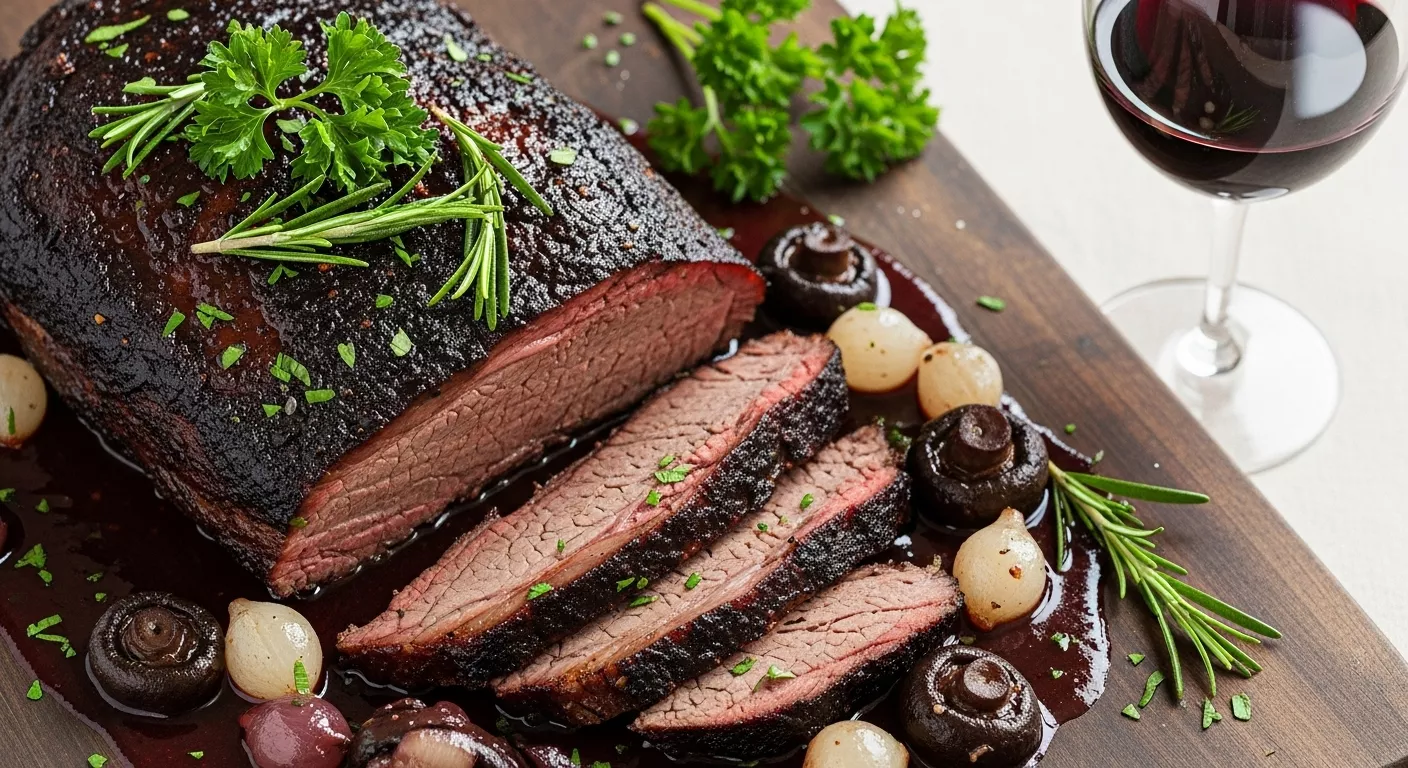
Once the meat has rested and the fibers have relaxed, place it on the board. It is crucial that you cut the slices against the grain (the natural lines of the meat) to ensure that each bite is tender. Cut slices approximately half a centimeter thick. Place them in a deep serving dish and generously bathe them with the hot red wine sauce. This dish cries out for a creamy accompaniment, such as mashed potatoes or soft polenta. If you have leftover shredded meat the next day, you could use it to prepare a beef salpicón refreshing cold.
Nutritional Information
Here's an approximate breakdown of what this dish provides per serving, so you can keep it in mind for your weekly planning.
- Calories: 550 kcal
- Proteins: 45 g
- Fats: 28 g
- Carbohydrates: 12 g
- Fiber: 2 g
Note: Values are estimates based on a standard serving including the sauce and may vary depending on the type of wine and the amount of fat you decide to remove.
5 keys to make it perfect
Even with simple recipes, there are small details that make the difference between a good dish and a memorable one. Here I share my secrets for this brisket.
- Searing is non-negotiable: Many people skip this step or do it in a hurry. Take your time. That dark crust that forms at the beginning is what will give complexity to the final sauce. If the meat looks gray, it needs more time.
- Patience with the oven: Don't try to speed up the process by raising the temperature. The connective tissue of this cut needs time and low temperature (150°C) to transform into gelatin and give that unctuous texture. If you rush it, it will be tough.
- Degreasing the sauce: Brisket releases a lot of fat. If you don't remove the excess from the surface of the sauce before reducing it, the final result can feel heavy on the palate. A trick is to let the liquid cool a bit; the fat rises and is easier to remove.
- Cutting against the grain: You may have cooked the meat perfectly, but if you cut it with the grain, it will feel chewy when masticating. Observe the direction of the lines in the meat and cut perpendicular to them (forming a T with the knife and the grain).
- Better the next day: Like many stews, this dish gains flavor with rest. If you can cook it a day before, store it in its juice in the refrigerator. When gently reheated, the flavors will have married wonderfully.
When is it ideal to enjoy it?
This Wine Brisket is the king of weekend family gatherings or festive celebrations. Its «slow cooking» nature allows you to put it in the oven and forget about it while you attend to your guests or enjoy a glass of wine. It is especially comforting in the autumn and winter months, when the body craves dishes with warmth and substance.
It is also a fantastic option for dinners of New Year or Christmas if you are looking for an alternative to traditional turkey or loin. Being a dish that yields a lot and is quite filling, it works wonderfully for large tables where you want everyone to be satisfied without having to cook five different dishes.
Comparison table
Sometimes we confuse stews or look for alternatives. Here I show you how our brisket compares to other slow-cooked classics.
| Recipe | Key ingredients | Difference/advantage |
|---|---|---|
| Brisket in Wine (Our recipe) | Beef brisket, red wine, aromatics | Intense flavor and melt-in-your-mouth texture, ideal for slicing. |
| Brasato al Barolo | Lean meat, Barolo wine, spices (clove) | Italian style, uses a specific wine and more aromatic spices. |
| Beef Bourguignon | Beef cubes, mushrooms, bacon | It is a stew with pieces of meat and garnishes within the sauce. |
| Ropa Vieja | Beef flank, peppers, tomato | The meat is completely shredded and has a more acidic Latin touch. |
| Classic Pot Roast | Any roasting cut, potatoes, broth | More homemade and simple, it usually includes potatoes cooked in the same juice. |
| Short Ribs (Loaded Rib) | Bone-in rib, wine, herbs | More fat and gelatin due to the bone, more potent flavor but less meat. |
| Pulled Pork (Pork) | Pork shoulder, barbecue sauce | Pork meat, sweeter and smokier flavor, completely shredded texture. |
Frequently asked questions (FAQ)
Share your experience
Cooking is for experimenting and sharing. Did you dare to prepare it for a special dinner? Did you add your personal touch with a different herb? Leave your comment and share your own little tricks! I'd love to read how it turned out for you and if your family liked it as much as mine.
Culinary glossary
To help you move like a fish in water in the kitchen, here I explain some terms we used today.
- Sear: Briefly cook the meat over high heat to create a golden crust on the outside without cooking the inside, enhancing the flavor.
- Deglaze: Add liquid (wine, water, broth) to the hot pot to dissolve food bits stuck to the bottom and incorporate them into the sauce.
- Fond: These are the brown, stuck-on bits left at the bottom of the pot after searing meat or vegetables. It's pure flavor gold!
- Reduce: Boil a liquid over medium or high heat to evaporate the water, causing the sauce to thicken and the flavor to concentrate.
- Marbling: The intramuscular fat (the white streaks) within red meat. In brisket, this is what melts and keeps it juicy.


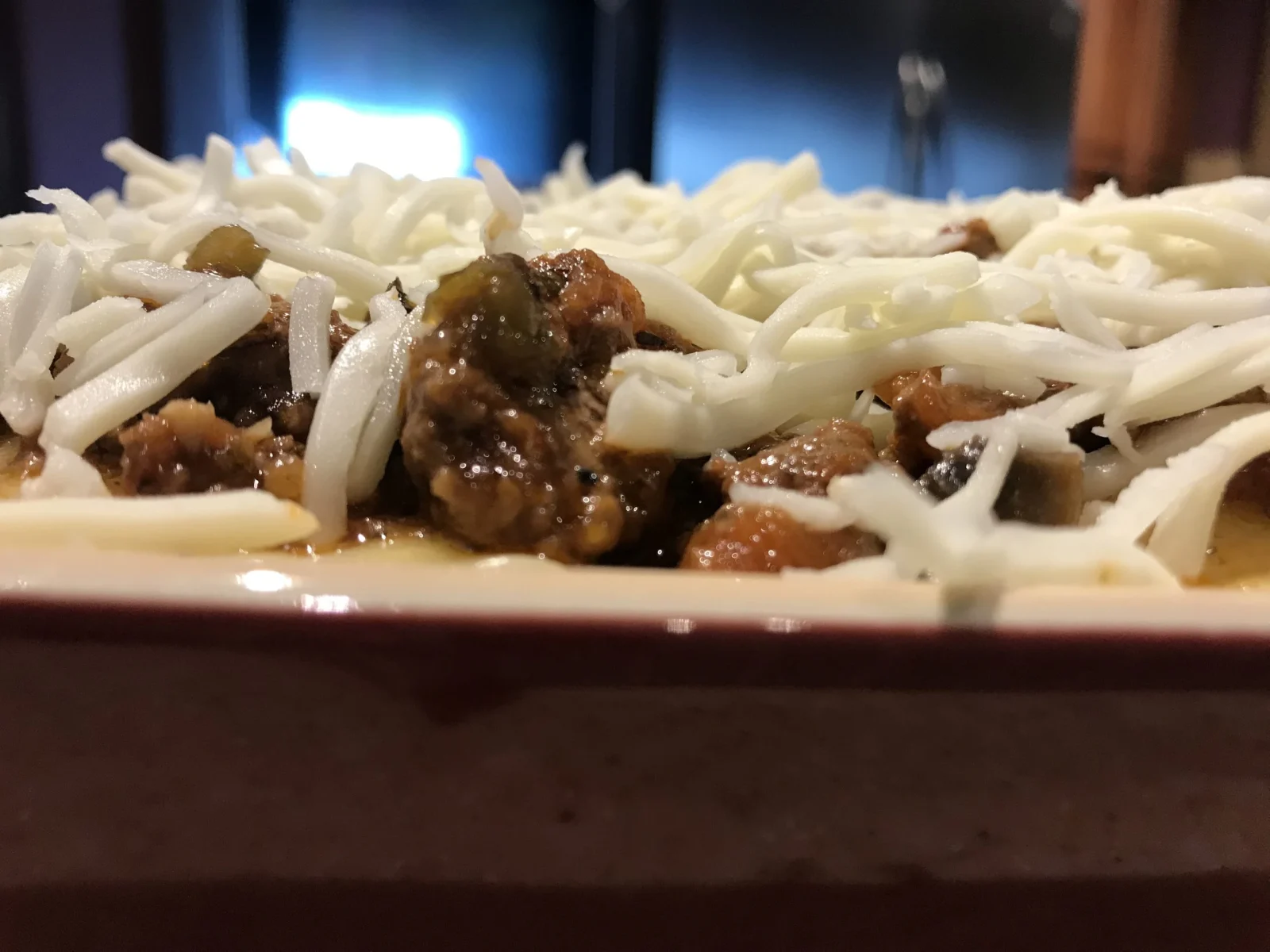
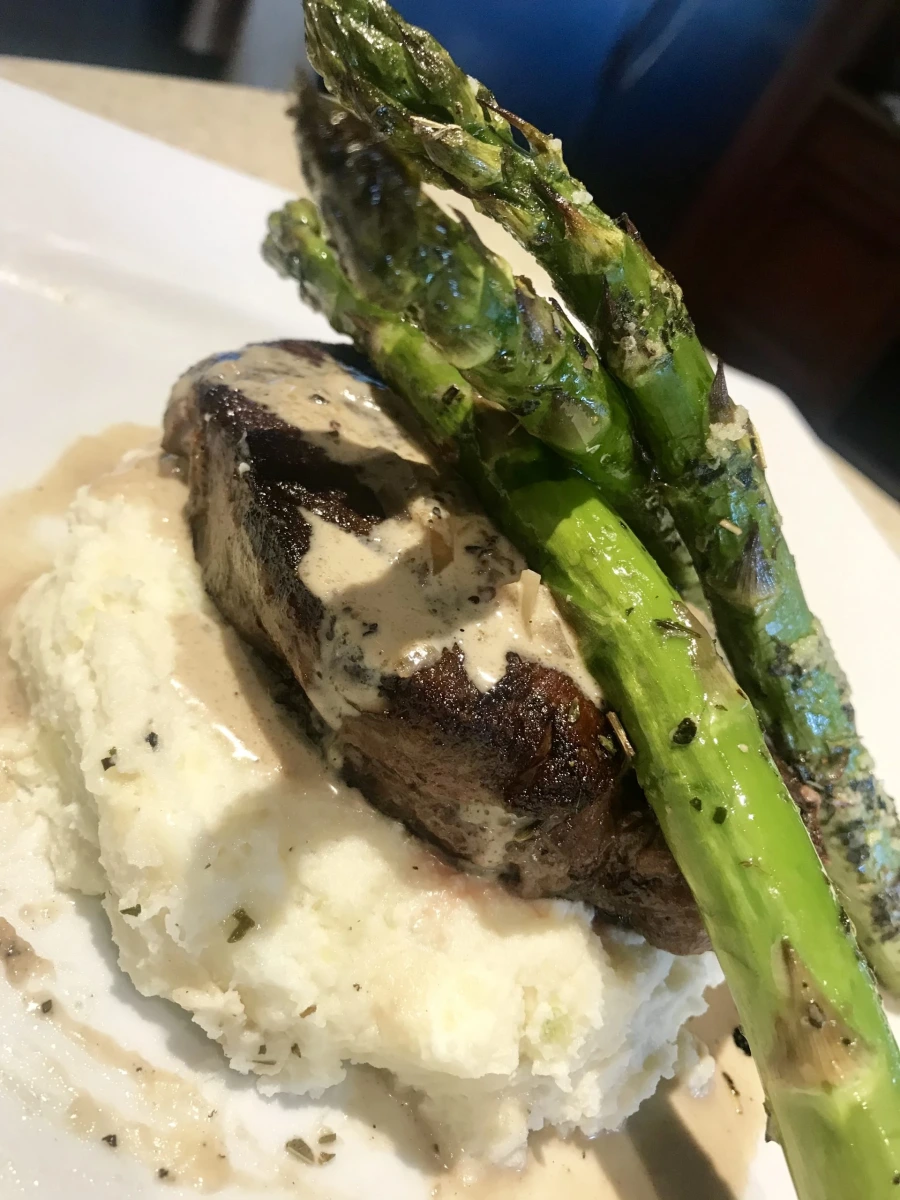
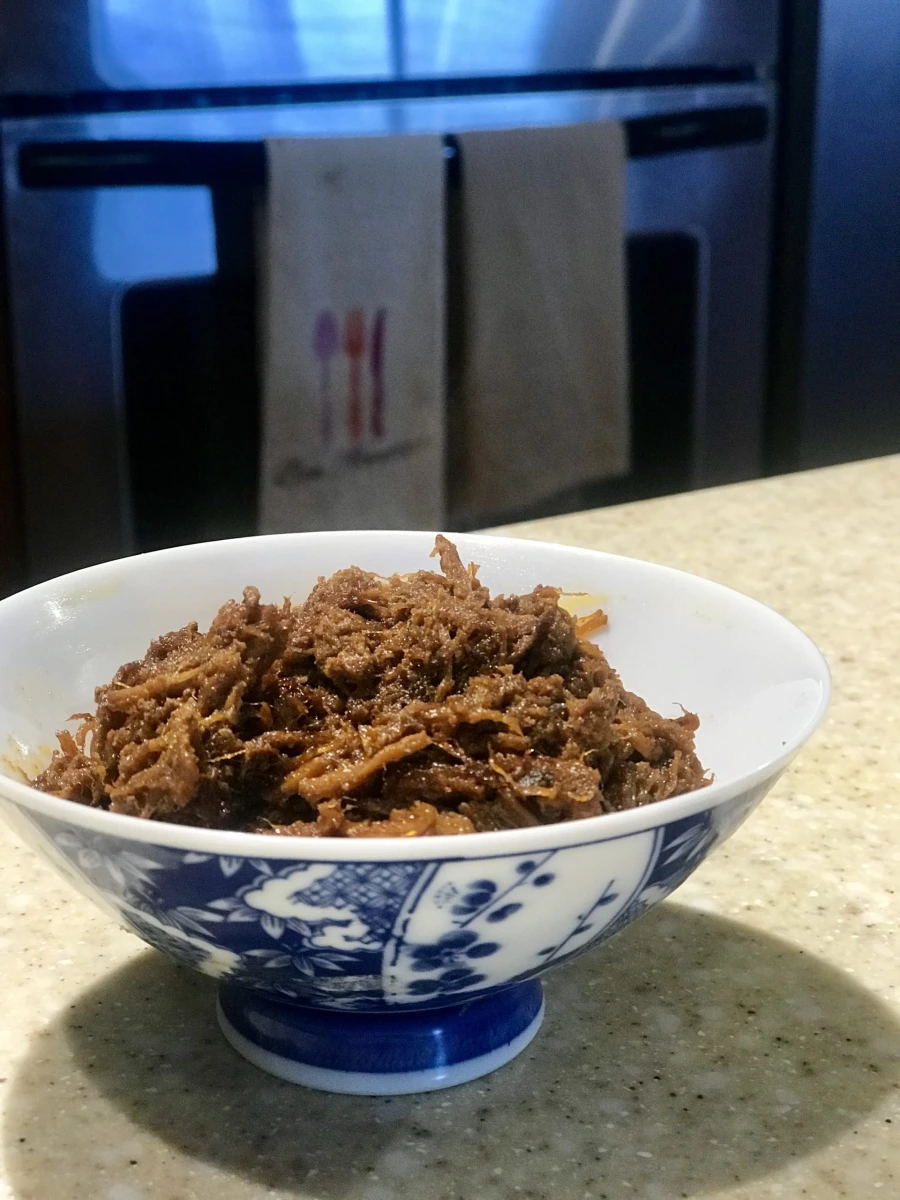
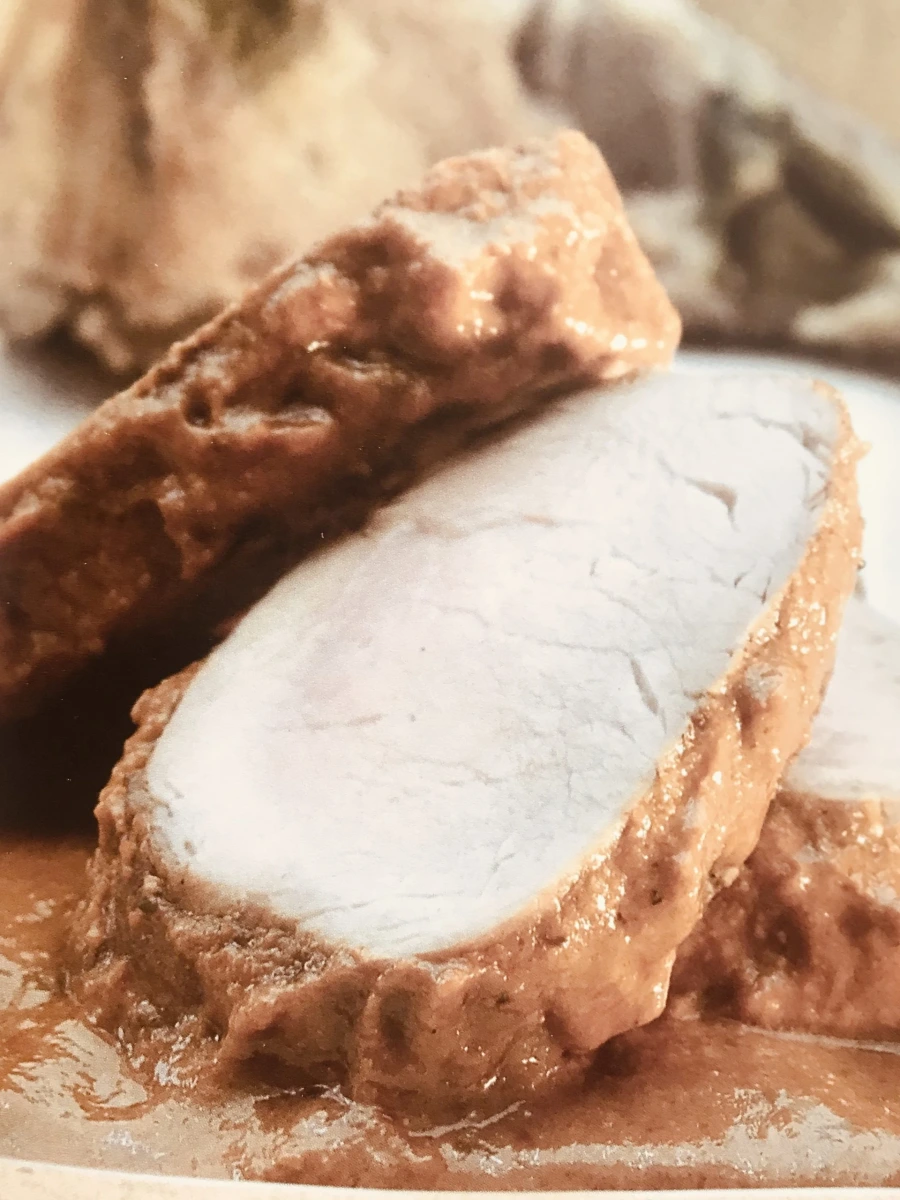

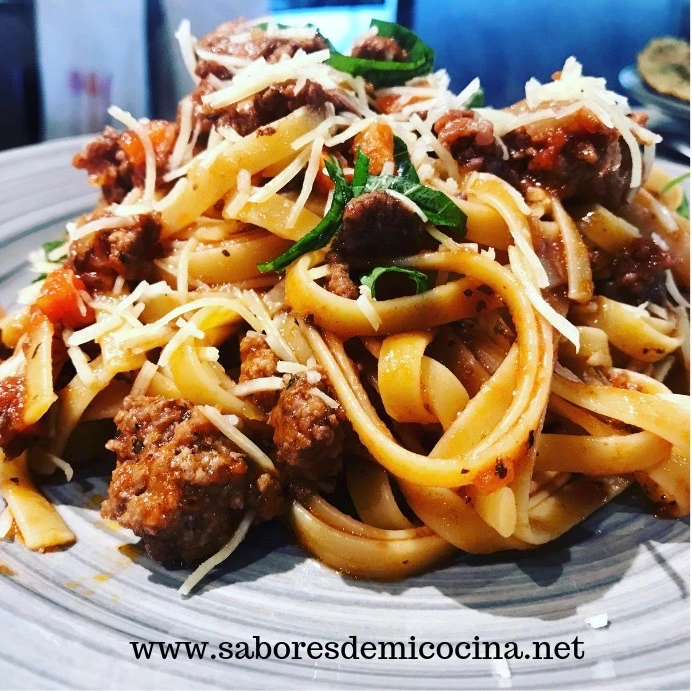

It looks too perfect!.. I made the recipe taking advantage of getting everything super cheap in the lidl offers this week..
I prepared it as is . I added a touch of lemon and it was luxurious.
Impeccable texture and flavor . I added a touch of lemon and it was luxurious.
What a great idea this ‘Brisket in wine’ . it turned out delicious, thanks for the tips.