


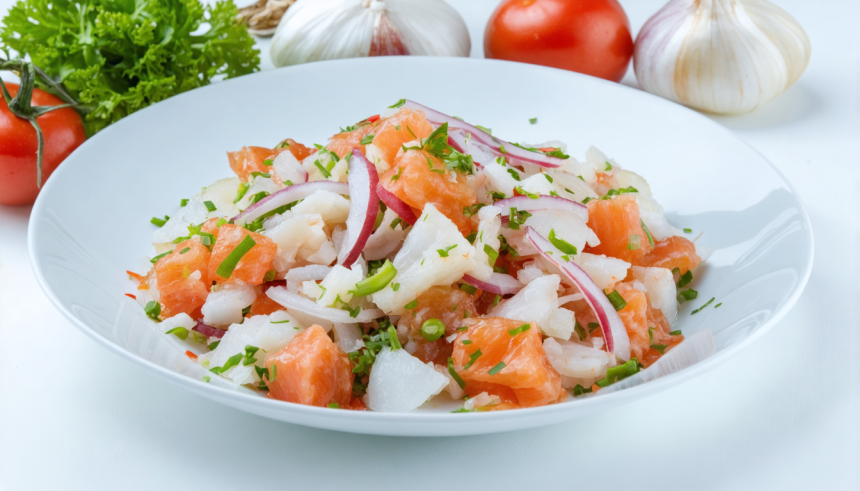
Sierra Ceviche Recipe, Our Style
Hello! What a joy to have you here to prepare together an absolute classic from the Mexican Pacific coasts. Today we are going to work with sierra, a fish with an intense flavor and firm texture that, when prepared «ground» or scraped and cured with lime, transforms into a refreshing experience full of nuances. It's ideal for those days when the heat is on and we're looking for something light but with a lot of character.
- Sierra Ceviche Recipe, Our Style
- Preparation time
- Ingredients
- Utensils we will use
- Preparation
- Fish preparation
- The curing process
- Vegetable preparation
- Draining (Optional)
- Flavor Integration
- Final resting
- To finish and serve
- Nutritional Information
- 5 keys to make it perfect
- When is it ideal to enjoy it?
- Comparison table
- Frequently asked questions
- Share your experience
- Culinary glossary
Preparation time
Getting organized is key to enjoying stress-free cooking. Here are the estimated times so you can plan your culinary session calmly.
- Preparation: 25 minutes
- Cooking: 40 minutes (lime curing time)
- Total: 1 hour 5 minutes
- Servings: 4 people
- Difficulty: Easy
Ingredients
The magic of this dish lies in the freshness of its components. We don't need to complicate things, just look for quality at the market.
- 500 grams of sierra fish pulp (finely ground or scraped)
- 1 cup of lime juice (freshly squeezed, seedless)
- 2 medium carrots (finely grated)
- 1 red onion medium (diced into very small cubes)
- 3 serrano chilies (finely chopped, amount to taste)
- 1 small bunch of cilantro (washed, disinfected, and chopped)
- Sea salt (to taste)
- Ground black pepper (to taste)
- 1 teaspoon dried oregano (optional, for aroma)
- Corn tostadas (for serving)
- Mayonnaise (for the tostada base)
- Avocado (for garnish)
For substitutions
If fresh sierra is difficult to find in your area, you can use another firm, lean fish like mackerel or even tilapia, although the flavor will change slightly. If you prefer to avoid traditional mayonnaise, an avocado puree base works wonderfully.
Utensils we will use
You don't need professional equipment to achieve a restaurant-quality result; these basics you surely have at home will be enough.
- A large glass or ceramic bowl (avoid metal so it doesn't react with the lemon)
- Stable cutting board
- Well-sharpened chef's knife
- Box grater or hand grater (for the carrot)
- Lime squeezer
- Large mixing spoon
- Kitchen paper towels
Preparation
Let's enjoy the process step by step. Cooking is about patience and care, so follow these instructions to get the perfect texture.
Fish preparation
Place the sierra pulp in the glass bowl. If you bought it whole, be sure to scrape the meat with a spoon to separate it from the skin and bones, obtaining an almost ground texture. With a fork, spread the fish well across the bottom of the container to ensure no large blocks of meat remain stuck together.
The curing process
Pour the lemon juice over the fish until completely covered. Add a generous pinch of salt and mix well. Salt helps denature the protein along with the acid. Cover the bowl and refrigerate it. Let it rest for 30 to 40 minutes. You'll know it's ready when the meat changes from a translucent, pinkish hue to an opaque, firm white color.
Vegetable preparation
While the fish «cooks» in the lemon, take the opportunity to prepare the vegetables. Grate the carrot as finely as possible; this adds sweetness and a great contrasting crunchy texture. Dice the red onion and serrano chilies into tiny cubes (brunoise); we want them to integrate into every bite and not dominate by size.
Draining (Optional)
Once the fish is cured, remove it from the refrigerator. There are two schools of thought here: those who leave all the juice and those who prefer a drier ceviche. If you prefer it «dry» (Colima style or seco), lightly strain the excess lemon juice, leaving only what's necessary to maintain moisture. If you like it soupy, skip this step.
Flavor Integration
Incorporate the grated carrot, chopped onion, and serrano chili into the bowl with the fish. Mix with folding movements so everything is evenly distributed. Add the chopped cilantro at the end to maintain its freshness and vibrant green color. Season with black pepper and, if you decided to use it, rub the dried oregano between your palms when adding it to release its essential oils.
Final resting
Let the complete mixture rest for about 10 more minutes in the refrigerator before serving. This allows the flavors of the vegetables to permeate the fish and unify.
To finish and serve
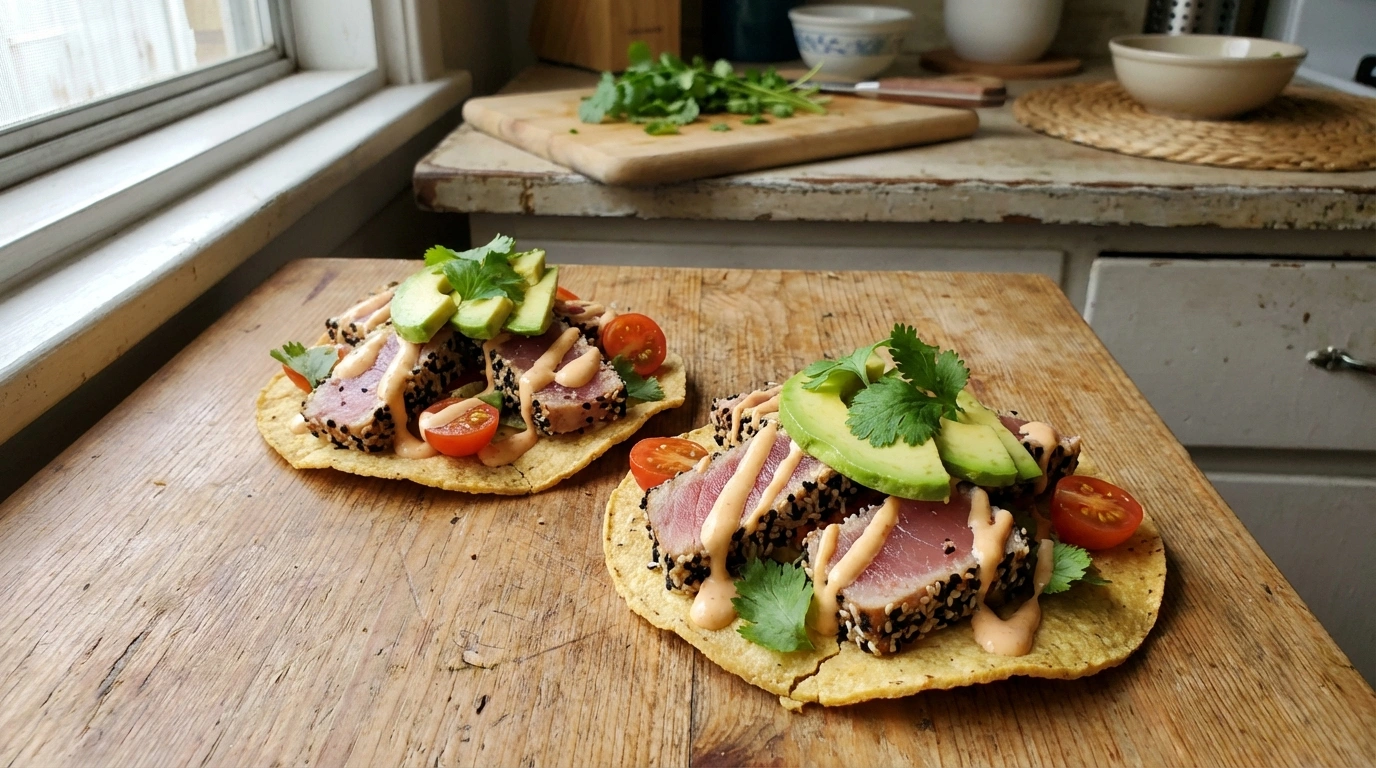
Before bringing it to the table, taste a little and adjust the seasoning; sometimes the carrot absorbs salt and an extra touch is necessary. For classic plating, take a crispy tostada and spread a thin layer of mayonnaise (this step is traditional in Sinaloa and Nayarit and creates an impermeable barrier so that the tostada doesn't get soggy as quickly). Place a generous portion of ceviche on top and crown with a few slices of fresh avocado. If you like to experiment, you can accompany it with a watermelon and cucumber agua fresca to balance the acidity.
Nutritional Information
- Calories: 180 kcal
- Proteins: 22 g
- Fats: 6 g
- Carbohydrates: 8 g
- Fiber: 2 g
Note: The values presented are approximations per serving of ceviche (not including tostadas or mayonnaise) and may vary depending on the size of the ingredients used.
5 keys to make it perfect
Over the years I have learned that small details make a big difference between a good ceviche and a memorable one. Here I share my secrets.
1. The quality of the lime is non-negotiable.
Avoid bottled lime juice. The metallic or artificial taste will ruin the fish. Use green limes, small and heavy for their size; this indicates they are full of juice. When squeezing them, do not press them all the way to the end to prevent bitter oils from the peel from falling into your preparation.
2. The cut of the fish.
Unlike a ceviche classic cubed ceviche, sierra ceviche requires the meat to be finely scraped or ground. This allows for much faster and more uniform «cooking» in lime, creating that pasty but pleasant texture that characterizes it. If you leave it in large pieces, the center will remain raw and fibrous.
3. Control acidity with carrots.
Many people are surprised to see carrots in ceviche, but their function is vital. The natural sweetness of the carrot balances the aggressiveness of the lime and the spiciness of the serrano chili. Do not omit it; if you don't like to see it, grate it so finely that it almost disappears, but let it contribute its flavor.
4. Always cold temperature.
Warm ceviche loses its charm and food safety. Keep the fish in the refrigerator at all times when you are not handling it. You can even place your bowl over a larger one with ice while mixing the ingredients if your kitchen is very hot.
5. The order of factors does alter the product.
Never add cilantro at the beginning along with pure lime. The acid will «burn» the leaves, turning them dark and wilted. Cilantro always goes at the end, just before serving, to provide that fresh herbal aroma we seek. If you are interested in exploring other green textures, I recommend seeing how they are handled in the green scallop ceviche.
When is it ideal to enjoy it?
Sierra Ceviche is the king of informal outdoor gatherings. Its fresh nature makes it the star dish for hot summer or spring days. It's the perfect appetizer for a family meal in the garden or an afternoon on the terrace with friends.
In Mexico, it's very traditional to consume it during Lent, but honestly, its flavor is so addictive that any weekend is a good excuse. Being a dish that yields a lot (thanks to the vegetables), it's ideal when you have several guests and don't want to spend hours in front of a hot stove. Additionally, when served on tostadas, it works perfectly as «finger food» where everyone prepares their own to their liking. If you're looking for something more sophisticated for dinner, you might prefer a salmon ceviche, but for relaxed «Sunday lounging,» sierra is unbeatable.
Comparison table
It's common to confuse ceviche or aguachile styles. Here I show you how our recipe today differs from other delicious options you might consider.
| Recipe | Key ingredients | Difference/advantage |
|---|---|---|
| Sierra Ceviche (This recipe) | Ground fish, grated carrot, lots of lemon | Fine and smooth texture, ideal for tostadas with mayonnaise. |
| Peruvian Ceviche | Large cubed fish, tiger's milk, cancha corn | Larger cuts, quick and spicy marinade with chili. |
| Red Aguachile | Raw shrimp, chile de árbol/piquín, cucumber | Much spicier and more liquid, seafood is butterflied. |
| Soy Ceviche | Textured soy, tomato, cilantro | Economical vegetarian option that mimics fish texture. |
| Shrimp Ceviche with Mango | Cooked or cured shrimp, diced mango | Sweet-sour tropical flavor, very different from the savory profile of sierra. |
| Beet and Tuna Ceviche | Smoked tuna, cooked beet | Earthy and smoky flavor, firmer texture and intense color. |
| Return to Life | Seafood mix (octopus, oyster, shrimp), ketchup sauce | It's a cocktail with sweet red sauce, not a pure acidic cure. |
Frequently asked questions
Share your experience
The kitchen is a living laboratory, and nothing would please me more than to know how this recipe turned out for you. Did you dare to make it spicier? Or perhaps you discovered a secret ingredient that elevates it to the next level? Don't keep those details to yourself.
Leave your comment below and share your own tips or variations. I'd love to read you and learn from your seasoning!
Culinary glossary
- Cure: A cold chemical process where acid (usually from lemon or vinegar) denatures the fish proteins, changing their texture and color as if cooked.
- Brunoise: A technique for cutting vegetables into very small cubes, approximately 2 to 3 mm per side.
- Sierra: A blue fish from the mackerel family, very common in the Mexican Pacific, prized for its firm flesh and pronounced flavor.
- Plating: The act of arranging food on the plate (or tostada) aesthetically before presenting it to the diner.
- Desflemar: The process of softening the strong flavor of onion, usually by soaking it in water with salt or lemon before use.



We loved the result of this ‘Sierra Style Ceviche’. It was a total hit with my family. I loved it, I'll repeat it soon.
I tried it today . I loved how clear the explanation is. what a good guide.
This ‘Sierra-Style Ceviche’ was delicious at home . I loved how clear the explanation is. it earned a place in my recipe book.