
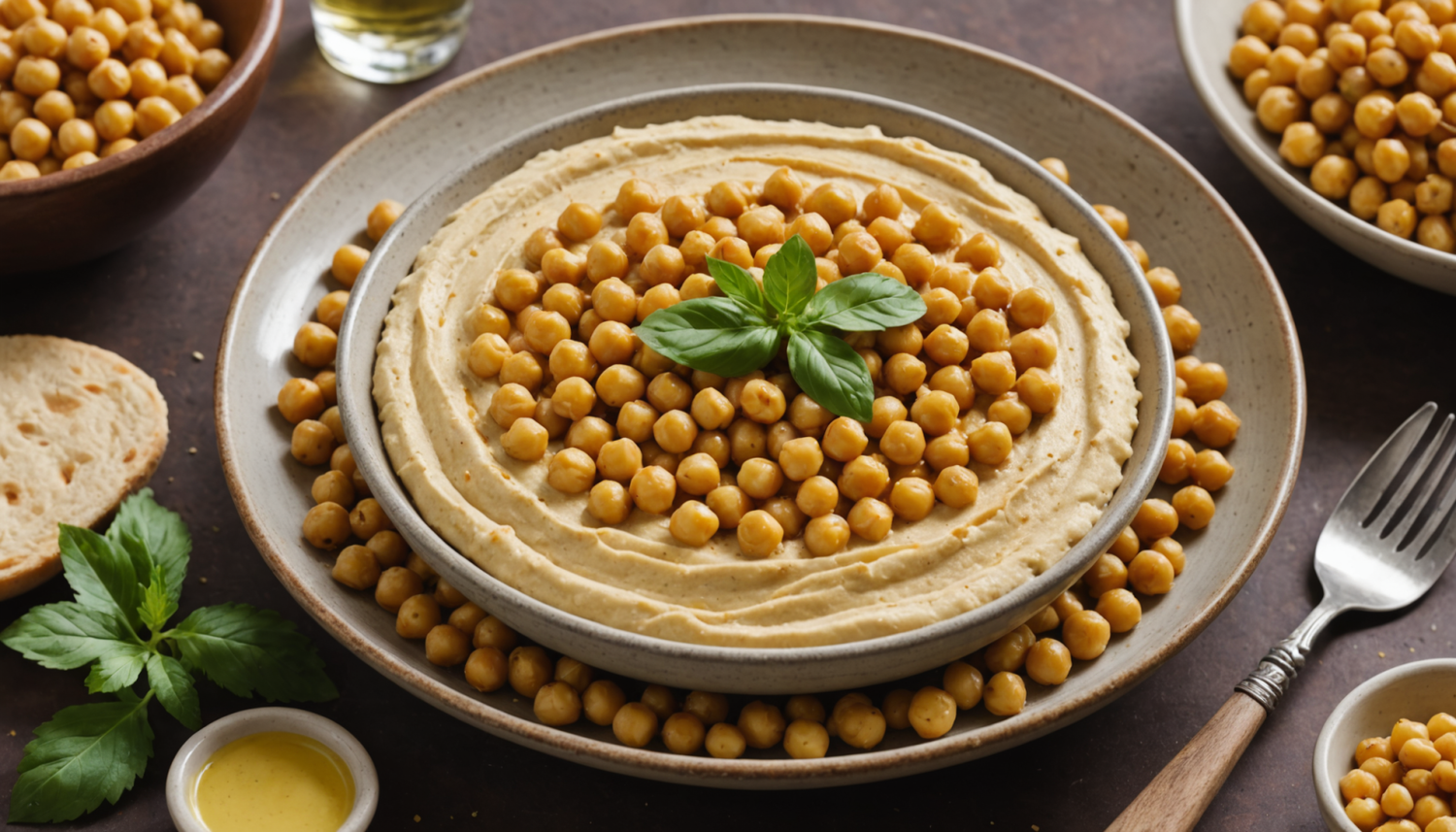
Creamy Chickpea Hummus Recipe
Hello! We're going to prepare one of those recipes that never fail and that we always want to have in the refrigerator. It's a classic hummus, with that silky texture we love so much, perfect for a healthy snack or for spreading on anything you can think of.
Preparation time
To organize ourselves well, here is the breakdown of times. Remember that pre-soaking is key for good digestion and texture.
- Preparation: 15 minutes (plus soaking time)
- Cooking: 60 to 90 minutes
- Total: 1 hour and 45 minutes (approx., not counting overnight soaking)
- Servings: 4 to 6 people
- Difficulty: Easy
Ingredients
Here is the exact list of what we will need. These are basic ingredients that you probably already have in your pantry or can find in any market.
- 2 cups chickpeas (dried, for soaking)
- 2 cloves of garlic
- 1 bay leaf
- 1 tablespoon of tahini (sesame paste)
- Juice of half a lemon
- ½ teaspoon cumin
- Olive oil
- Pepper
- Salt
- 1 tablespoon baking soda (for cooking)
Possible substitutions
If you're missing an ingredient, don't worry, home cooking adapts. If you don't have tahini (sesame paste), you can use a tablespoon of sesame oil or even a tablespoon of unsweetened peanut butter, although the flavor will vary slightly. If you don't have dried chickpeas and use canned ones (although I recommend dried for this recipe), make sure to wash them very well to remove excess sodium. If you're looking for more inspiration on how to make this base preparation, you can check out this guide on homemade hummus that complements what we are doing here.
Utensils we will use
We don't need sophisticated equipment, what you have at home is enough to achieve a spectacular result.
- Large bowl (for soaking)
- Medium pot
- Strainer
- Food processor or blender
- Silicone spatula or spoon
- Cutting board and small knife
- Manual juicer (optional, or your hands)
Preparation
Follow these steps calmly. The secret to good hummus is not rushing, but treating the product well, especially during cooking and peeling.
- Initial soak. Place the 2 cups of chickpeas in a large bowl and cover them with plenty of water (they grow quite a bit). Let them soak overnight, ideally about 12 hours.
- Washing and draining. The next day, you will see that they have doubled in size. Drain them in a colander and rinse them well under the tap with cold water to clean them.
- Cooking with aromatics. Put the chickpeas in the pot with clean water that generously covers them. Add the bay leaf for flavoring and the tablespoon of baking soda. Bring the pot to medium-high heat.
- Checking for doneness. Cook until they are very soft. The baking soda helps soften the skin and the legume. If you see foam on the surface, remove it with a spoon. Cook until one easily falls apart when squeezed.
- Peeling (The texture trick). Once cooked, drain them and let them cool a bit. Here comes the step that makes all the difference: remove the skin from the chickpeas by gently rubbing them or pinching them one by one. Without the skin, the cream is much smoother.
- Base processing. Place the chickpeas (already peeled and warm) in the food processor or blender. Do it in batches if your appliance is small. Blend a little to break up the grain.
- Emulsion and flavor. Add the 2 cloves of garlic (you can remove the central germ if it repeats on you), the tablespoon of tahini, the juice of half a lemon, the ½ teaspoon of cumin, salt and pepper to taste.
- Creamy final texture. Begin processing while adding the olive oil in a thin stream. If you notice the mixture is too dense, here's a secret: add a splash of very cold water or a couple of ice cubes while blending. This aerates the mixture and makes it incredibly pale and creamy.
To finish and serve
Once you have that silky and uniform texture, taste and adjust the salt or lemon if necessary. Transfer it to a deep plate or a nice bowl. With the back of a spoon, make some grooves or spirals on the surface. Drizzle with a good stream of extra virgin olive oil and sprinkle a little sweet paprika or more cumin on top for decoration. This dish is the king of snacking, and it's fantastic if you serve it with some toast with tomato or warm pita bread. It's important to serve it at room temperature or slightly cool, but not ice cold, to appreciate all the nuances.
Nutritional Information
Hummus is an excellent source of energy and nutrients. Here are the estimated values for a standard serving.
- Calories: 170 kcal
- Proteins: 8 g
- Fats: 9 g
- Carbohydrates: 15 g
- Fiber: 6 g
Note: Values are approximate and may vary depending on the amount of oil or tahini you use in the final preparation.
5 keys to make it perfect
Sometimes we follow the recipe to the letter and feel like something is missing. With these tips, your hummus will go from «good» to «unforgettable.».
1. The power of baking soda
Do not omit baking soda in the cooking water. This ingredient raises the pH of the water, which helps break down the pectin in the chickpeas faster. The result is a much smoother and less grainy puree than if you only boiled them with salt.
2. Patience with the skins
I know that peeling chickpeas one by one or rubbing them under water might seem tedious, but it's the technical difference between a rustic hummus and a fine restaurant one. If you're in a hurry, you can skip it, but if you're looking to impress, take those extra 10 minutes.
3. The ice water
When we emulsify fats (oil and tahini) with solids, temperature matters. Ice-cold water or ice at the end of processing «shocks» the mixture and helps the fats emulsify better, giving that whiter color and a light mousse texture.
4. Tahini quality
Tahini is pure sesame paste. Make sure to stir the jar well before using it, as the oil often separates and stays on top, leaving a hard paste at the bottom. Using that hard paste can make your preparation bitter. We need the fluid cream.
5. The order of factors
Some cooks prefer to process the garlic with the lemon first and let it rest for a few minutes before adding it to the chickpeas. This softens the pungency of raw garlic, making it milder to the palate, ideal if you have guests sensitive to strong flavors.
When is it ideal to enjoy it?
This dish is an absolute wildcard in modern 2025 cuisine, where we seek versatility and health. It's ideal for a summer afternoon with friends, serving as a centerpiece surrounded by fresh vegetable sticks. It also works wonderfully as a light lunch if you accompany it with a fresh salad, for example, one chickpea and cucumber salad that plays with the textures of the same legume. It's perfect for Sunday «Meal Prep,» as it keeps very well for several days in the fridge and saves you quick weeknight dinners.
Comparison table
Sometimes we confuse spreads or look for alternatives if we want to vary the menu. Here I show you how our hummus compares to other popular options from the Mediterranean and Middle East.
| Recipe | Key ingredients | Difference/advantage |
|---|---|---|
| Hummus (This recipe) | Chickpeas, Tahini, Lemon | Creamy texture and high in plant-based protein. |
| Baba Ganoush | Roasted eggplant, Tahini, Garlic | Smoky flavor and more fibrous texture, lower in calories. |
| Tzatziki | Greek yogurt, Cucumber, Dill | Much fresher and lighter, dairy-based. |
| Guacamole | Avocado, Lime, Cilantro | Different fats, fruity flavor, and no cooking required. |
| Muhammara | Roasted Peppers, Walnuts | Sweet and spicy flavor, intense red color. |
| Skordalia | Potato or Bread, Garlic, Oil | Very intense garlic flavor, dense puree texture. |
| Lentil Pâté | Cooked Lentils, Spices | More earthy flavor and dark color, alternative to chickpeas. |
If you like the idea of trying other textures similar to the eggplant we mentioned in the table, I encourage you to try making a baba ganoush eggplant dip, it's the smoky cousin of our hummus.
Frequently asked questions (FAQ)
Share your experience
Cooking is for experimenting and sharing. I'd love to know if you dared to try the ice trick or if you gave it your own personal touch with a different spice. If, in addition to this classic, you like intense vegetable flavors, you might be interested in accompanying your table with some cauliflower steaks for a complete meal.
Leave your comment and share your own tips!
Culinary glossary
So you don't get lost with any terms while cooking, here I briefly explain some words we used today.
- Tahini: It is a paste made 100% from ground sesame seeds. It is unctuous and has an intense and slightly bitter flavor, fundamental in Middle Eastern cuisine.
- Emulsify: It is the process of mixing two liquids that normally do not combine well, such as water and oil, achieving a homogeneous and creamy mixture by beating vigorously.
- Process: To use an appliance (processor or blender) to crush food until it becomes powder, paste, or cream.
- Point: Refers to the exact moment a food is ready. In the case of chickpeas, the «point» is when they are tender and fall apart when pressed.
- Chickpea: A round, yellowish legume, rich in protein and fiber, the main base for hummus and many traditional stews.

It was delicious at home. I made it for dinner and everyone was happy. Thanks for sharing.
What a great idea this ‘Chickpea Hummus’ is. I made it for dinner and everyone was happy.
Impeccable texture and flavor .