
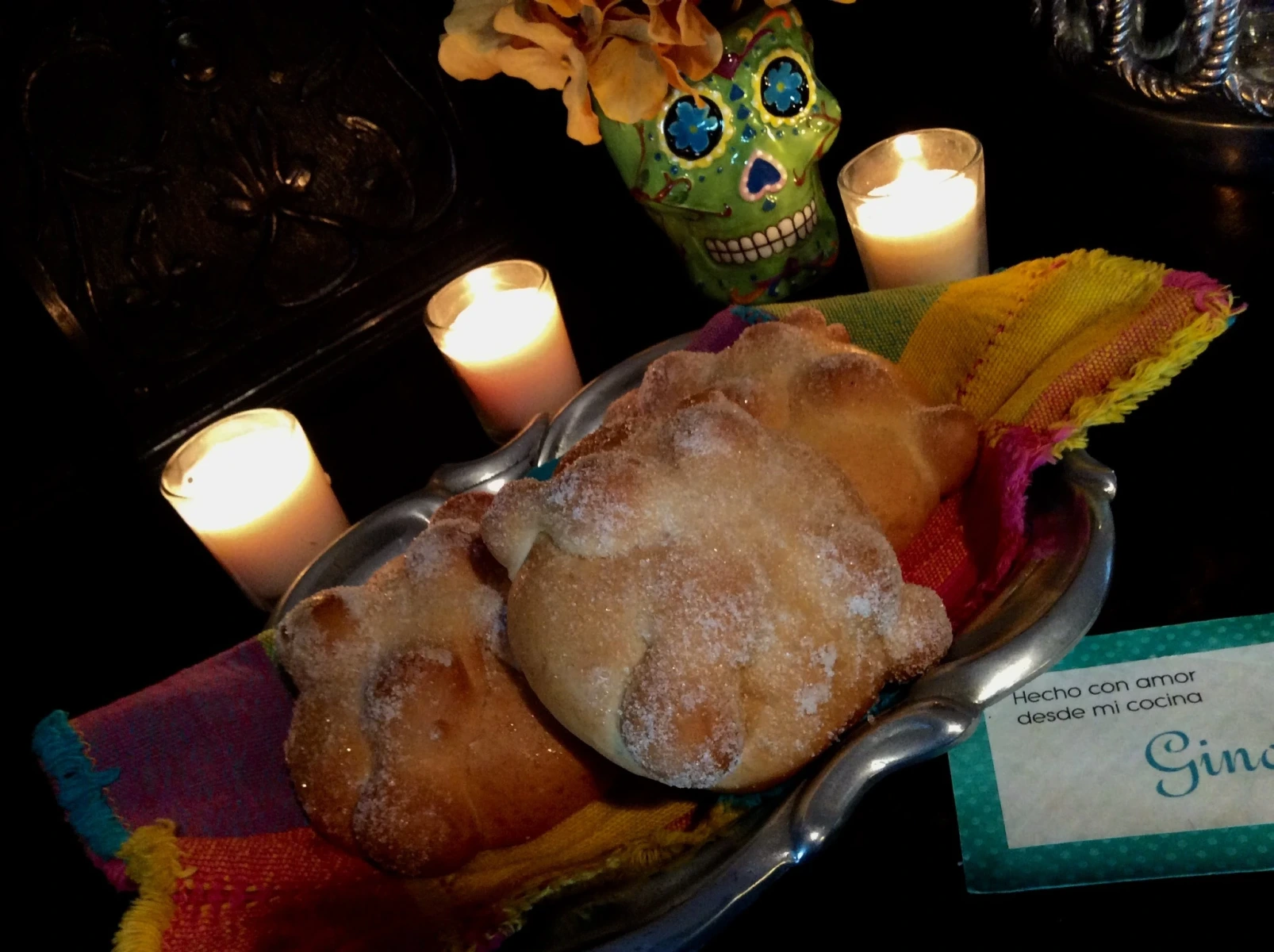
Day of the Dead Recipe: A celebration full of Mexican symbols and traditions
Hello! In this tour, you will discover the most emblematic elements of the Day of the Dead, a tradition that unites families to honor their departed loved ones. This event is characterized by its colorful altars, unique flavors like the Bread of the Dead, and profound symbols like the Catrina and the Skulls. Additionally, you will learn how to prepare some of the essential dishes that are part of this very special festivity.
Preparation time
To organize and prepare your own tribute on Dia de Muertos, we recommend carefully organizing every detail and taking into account the preparation times for traditional dishes and elements.
- Preparation: 60 minutes to set up the altar and prepare pan de muerto
- Cooking: 90 minutes for the bread and other traditional dishes
- Total: 2 hours and 30 minutes
- Servings: Enough for 6 people
- Difficulty: Intermediate
Ingredients for the altar and traditional dishes
For the altar
- Cempasúchil flowers (marigold)
- Candles (preferably in the shape of skulls or a cross)
- Vibrantly colored papel picado
- Copal (resin to burn as incense)
- Pure water in a glass or pitcher
- Salt in a small amount or in the shape of a cross
- Photos of deceased loved ones
- Deceased's favorite food and drink
To prepare the Bread of the Dead
- 500 g of wheat flour
- 100 g sugar
- 100 g of butter
- 3 eggs
- 10 g of fresh yeast
- 100 ml of warm milk
- Orange zest
- 1 pinch of salt
- Granulated sugar for decorating
For other traditional dishes
If you don't find cempasúchil flower, you can use natural or artificial orange flowers that provide a similar color. If you don't have fresh yeast, active dry yeast works well dissolved in warm milk with sugar.
Utensils we will use
- Large container or mixing bowl
- Knife and cutting board
- Domestic oven or a wood-fired oven
- Measuring spoons and cups
- Round baking dish for bread
- Teaspoons for stirring ingredients
- Sieve for sifting flour
Preparation of the Bread of the Dead and altar setup
1. Preparation of the Bread of the Dead dough
- Activate the yeast
- Dissolve the fresh yeast in warm milk with a teaspoon of sugar, let it rest for 10 minutes until it forms foam.
- Dissolve the fresh yeast in warm milk with a teaspoon of sugar, let it rest for 10 minutes until it forms foam.
- Mix dry ingredients
- Sift the flour with the pinch of salt into a large bowl.
- Add the sugar, orange zest, and mix.
- Sift the flour with the pinch of salt into a large bowl.
- Add the sugar, orange zest, and mix.
- Incorporate wet ingredients
- Add the eggs, melted butter, and yeast mixture.
- Mix everything until a homogeneous and slightly sticky dough forms.
- Add the eggs, melted butter, and yeast mixture.
- Mix everything until a homogeneous and slightly sticky dough forms.
- Knead and let rest
- Knead for 10 minutes on a clean surface until elastic.
- Cover with a cloth and let rest for 1 hour in a warm place until it doubles in size.
- Knead for 10 minutes on a clean surface until elastic.
- Cover with a cloth and let rest for 1 hour in a warm place until it doubles in size.
2. Shaping the Bread of the Dead
- Shape
- Divide the dough into two parts for the body and bones.
- Form a large ball and with the other dough create strips that simulate bones, place them decoratively on the ball.
- Divide the dough into two parts for the body and bones.
- Form a large ball and with the other dough create strips that simulate bones, place them decoratively on the ball.
- Second proofing
- Let the formed piece rest for another 30 minutes so it grows a little more.
- Let the formed piece rest for another 30 minutes so it grows a little more.
- Bake
- Preheat the oven to 180ºC (350ºF).
- Bake for 30-40 minutes until golden brown and sounds hollow when tapped.
- Preheat the oven to 180ºC (350ºF).
- Bake for 30-40 minutes until golden brown and sounds hollow when tapped.
3. Decorate and finish
- Brush and sugar
- Immediately after taking it out of the oven, brush with melted butter and sprinkle granulated sugar to give it texture and flavor.
- Immediately after taking it out of the oven, brush with melted butter and sprinkle granulated sugar to give it texture and flavor.
4. Set up the altar de muertos
- Assemble levels
- Place the altar levels with the photographs, candles, papel picado, and flowers of marigold.
- Place the altar levels with the photographs, candles, papel picado, and flowers of marigold.
- Place the offerings
- Arrange the bread of the dead, favorite drinks, and other foods that the deceased loved, as in the recipe for black mole empanadas or the Veracruz tamales.
- Arrange the bread of the dead, favorite drinks, and other foods that the deceased loved, as in the recipe for black mole empanadas or the Veracruz tamales.
- Add significant symbols
- Don't forget the glass of water, salt, the copal to purify and show the way to souls, along with figurines of Skeletons y Skulls of sugar.
- Don't forget the glass of water, salt, the copal to purify and show the way to souls, along with figurines of Skeletons y Skulls of sugar.
To finish and serve
Enjoy the bread of the dead still warm accompanied by hot chocolate or atole, ideal for this cool season. The altar must be kept clean and watched over during the days of celebration to honor ancestors with respect. Remember that each element has a special meaning and all together create an atmosphere of remembrance and love.
Nutritional information for Pan de Muerto per serving
- Calories: 320 kcal
- Proteins: 6 g
- Fats: 12 g
- Carbohydrates: 45 g
- Fiber: 2 g
Approximate values per serving for a standard-sized bread.
7 practical tips for an authentic Dia de Muertos celebration
- Take care of the order and reserve your ingredients in advance — The bread of the dead and flowers are essential, especially in 2025 when demand increases.
- Use brightly colored papel picado — It represents the fragility of life and brings joy to the altar.
- Incorporate candles in the shape of skulls or crosses — They are symbols of guidance for souls.
- Don't forget the water on the altar — Represents purification and the basic need of spirits.
- Decorate with fresh marigold flowers — Their aroma and color attract spiritual visitors.
- Include relevant objects for the deceased — Such as toys, tools, or anything they loved in life.
- Keep the altar clean and in a quiet place — This creates a respectful and harmonious sacred environment.
When is it ideal to enjoy Dia de Muertos?
Day of the Dead is best enjoyed during the first days of November, specifically the 1st and 2nd, coinciding with All Saints' Day and All Souls' Day. It is a perfect time to gather the family, remember loved ones, and combine tradition with moments of joy and togetherness. This festivity is also ideal in autumn when the cool weather invites sharing traditional dishes like pan de muerto and hot drinks.
Furthermore, the festivity allows for respectful celebration, remembering that death is a natural part of life. It is a time to reflect, celebrate memory, and strengthen emotional bonds through remembrance and togetherness.
Comparison of recipes and traditions similar to Dia de Muertos
| Recipe | Key ingredients | Difference/advantage |
|---|---|---|
| Day of the Dead | Pan de muerto, Marigold, Offerings | Celebration with altars, offerings, and very rich cultural symbols |
| Halloween | Costumes, pumpkins, sweets | Focused on costumes and children's activities, less traditional |
| All Saints’ Day | Candles, cemetery visits, masses | More sober and religious, less colorful and festive |
| Obon Festival (Japan) | Lanterns, dance, water rituals | Focus on the return of spirits, different cultural context |
| All Saints' Day (Spain) | Flowers, prayers, altars | Focused on Catholic tradition with less presence of popular elements |
| Day of the Faithful Departed (Guatemala) | Typical foods, cemetery visits, music | Similar but with fewer artistic and more religious elements |
| Saint Andrew's Day (Mexico) | Marzipan, sweets, indigenous rituals | Regional tradition with particular rites, less national |
5 keys to make the Dia de Muertos altar perfect
- Careful selection of photos — Choose clear and meaningful images for memory.
- Balance of the elements — Place flowers, candles, food, and objects harmoniously.
- Use of authentic papel picado — Add color and symbolism through these delicate cutouts.
- Include freshly baked Pan de Muerto — It is the heart of the offering and must be fresh and well-presented.
- Be careful with candles — Place them in safe locations to avoid accidents and ensure they are lit throughout the night.
2 key historical moments for the origin of Dia de Muertos
- Mesoamerican Indigenous Roots
More than 3,000 years ago, the Aztec, Mayan, and other cultures of Mesoamerica had rituals to honor the dead, whom they believed returned at certain times of the year. This deep relationship with death allowed them to develop many symbols and practices that are now part of the Day of the Dead.
- Fusion with Spanish colonization
In the 16th century, with the arrival of the Spanish, Catholic elements were incorporated, such as All Saints' Day and All Souls' Day, and mixed with pre-Hispanic traditions, giving rise to the current celebration, especially observed between November 1st and 2nd.
Symbolism of the main elements of Dia de Muertos
- Marigold (Cempasúchil) — Guide souls with its color and aroma.
- Skulls — Remember the cycle of life and death with joy.
- Bread of the Dead — Represent the union between the living and the dead through food.
- Candles — To illuminate the path of souls.
- Perforated paper — To symbolize the fragility of life.
- Offerings — To show love to ancestors with their favorite things.
These symbols form a common language that unites families and communities in celebration, deepening the meaning and special atmosphere surrounding this tradition.
Exploring flavors with the Pan de Muerto recipe and traditional delicacies
The Bread of the Dead is more than a sweet bread; it is a tangible representation of the connection between those who are present and those who are no longer. In Oaxaca, its version includes sugar paste figures in the shape of skulls, giving it a unique character. In other places, it is made with dough bones on top of the bread sprinkled with sugar.
Sharing it with a cup of atole or hot chocolate enhances its flavor and the complete experience. In addition, other traditional recipes such as Jalisco-style birria or the roasted pumpkin complement the banquet offered to loved ones.
Preserving tradition with respect and joy on Dia de Muertos
Respect for traditions in the Day of the Dead is fundamental to keeping its essence alive. Therefore, it is important to maintain solemnity when visiting cemeteries or preparing altars, avoiding touching other people's offerings or sitting on graves. It should also be understood that this holiday is not a Mexican Halloween, but an ancestral celebration with deep roots and unique meanings.
Encouraging sharing this experience with family or friends, learning about each symbol, each recipe, and each rite, makes this celebration continue to grow in Mexico and the world. Every detail, from the candles to the flowers of marigold, contributes to creating an atmosphere that honors the life and memory of those who preceded us.


Excellent tips, although I saw the pan de muertos at Comercial Mexicana for only 60 pesos, it's good to know how to prepare them from home, of course, there are many other offers for this Day of the Dead. https://www.ofertero.mx/comercial-mexicana/
I prepared it exactly as it is for ‘Day of the Dead’ ✨. the recipe is very well explained. super recommended.
This ‘Day of the Dead’ was delicious at home.