


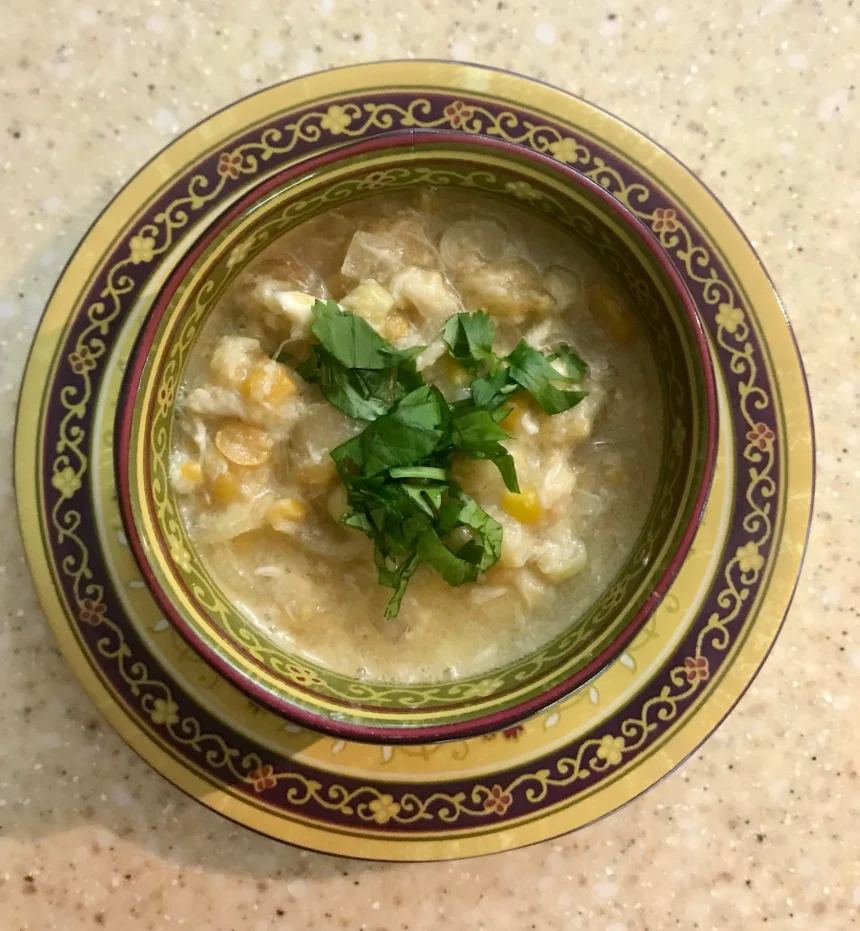
Egg Drop Soup Recipe: The Easiest and Silkiest Egg Soup
Hello! Let's prepare one of my favorite soups for those moments when we need something comforting in record time. This classic recipe, with its characteristic silky egg ribbons floating in a flavorful broth, is the definition of «comfort food» and is ready in the blink of an eye.
- Egg Drop Soup Recipe: The Easiest and Silkiest Egg Soup
- Preparation time
- Ingredients
- Utensils we will use
- Step-by-step preparation of Egg Drop Soup
- Prepare the aromatic base and the eggs
- Heat and season the broth
- Thicken the soup (The secret to the texture)
- Create the egg ribbons (The crucial step)
- To finish and serve
- Nutritional Information
- 5 keys to make it perfect
- When is it ideal to enjoy it?
- Comparative table of Asian soups
- Frequently asked questions (FAQ)
- Share your experience
- Culinary glossary
Preparation time
Getting organized is key in the kitchen, and the best thing about this dish is that it's extremely fast. Here's the breakdown so you know exactly how long it will take you to have the table set:
- Preparation: 2 minutes
- Cooking: 8 minutes
- Total: 10 minutes
- Servings: 4 people
- Difficulty: Easy
Ingredients
- 2 or 3 large eggs (preferably free-range for better color)
- 3 cups of broth chicken (approximately 750 ml)
- 2 cloves of garlic
- 1 teaspoon fresh grated ginger (Optional, but recommended for aroma)
- 1 teaspoon salt (adjust to taste)
- ¼ teaspoon white pepper
- 1 teaspoon sesame oil
- 2 scallions or green onions (green part only)
- 1½ tablespoons of cornstarch (corn starch)
- 3 tablespoons cold water (to dissolve the cornstarch)
- A pinch of turmeric or yellow food coloring (Optional, only if you want a very intense yellow color like in restaurants)
To substitute ingredients
If you don't have homemade or liquid chicken broth, you can replace it with water and use good quality chicken broth powder or cubes (preferably from Asian brands for a more authentic flavor). If you don't have fresh ginger, a pinch of ground ginger works, although fresh adds more vibrancy. If you lack cornstarch, you can use potato starch, although the texture will vary slightly.
Utensils we will use
- Medium pot
- Small bowl (for beating the eggs)
- Another small bowl or glass (for the cornstarch mixture)
- Fork or hand whisk
- Kitchen knife and cutting board
- Wooden spoon or spatula for stirring
- Ladles for serving
Step-by-step preparation of Egg Drop Soup
Prepare the aromatic base and the eggs
- Wash the scallions well and cut the green part into thin slices. Set aside for the end.
- Peel and finely chop the garlic cloves. If you use ginger, grate it now.
- In a small bowl, break the eggs. Add a pinch of salt.
- Lightly beat the eggs with a fork. We don't want to make foam, just mix yolk and white. Set aside.
- In another glass, mix the cornstarch with the 3 tablespoons of cold water until there are no lumps (this is the «slurry»).
- Wash the scallions well and cut the green part into thin slices. Set aside for the end.
- Peel and finely chop the garlic cloves. If you use ginger, grate it now.
- In a small bowl, break the eggs. Add a pinch of salt.
- Lightly beat the eggs with a fork. We don't want to make foam, just mix yolk and white. Set aside.
- In another glass, mix the cornstarch with the 3 tablespoons of cold water until there are no lumps (this is the «slurry»).
Heat and season the broth
- Place the pot over medium-high heat and pour in the chicken broth.
- Add the minced garlic, ginger (if using), salt, and white pepper.
- Let the liquid come to a boil.
- If you want that vibrant restaurant yellow color, add the pinch of turmeric now.
- Place the pot over medium-high heat and pour in the chicken broth.
- Add the minced garlic, ginger (if using), salt, and white pepper.
- Let the liquid come to a boil.
- If you want that vibrant restaurant yellow color, add the pinch of turmeric now.
Thicken the soup (The secret to the texture)
- Once the broth boils, reduce the heat to medium-low to maintain a gentle simmer.
- Stir the water and cornstarch mixture again (it tends to settle) and gradually pour it into the pot while stirring the broth.
- Continue cooking and stirring until the soup thickens slightly. It should have body, but not be a thick cream.
- Once the broth boils, reduce the heat to medium-low to maintain a gentle simmer.
- Stir the water and cornstarch mixture again (it tends to settle) and gradually pour it into the pot while stirring the broth.
- Continue cooking and stirring until the soup thickens slightly. It should have body, but not be a thick cream.
Create the egg ribbons (The crucial step)
- This is the most important moment. Reduce the heat to minimum. The broth should not be bubbling vigorously, just hot and still.
- With one hand, stir the soup slowly in circles to create a gentle «swirl» effect.
- With the other hand, pour the egg beaten in a thin, steady stream over the moving broth.
- Stop stirring for a few seconds to allow the egg to cook and form those silky ribbons.
- Then, gently stir once more to separate the large ribbons.
- This is the most important moment. Reduce the heat to minimum. The broth should not be bubbling vigorously, just hot and still.
- With one hand, stir the soup slowly in circles to create a gentle «swirl» effect.
- With the other hand, pour the egg beaten in a thin, steady stream over the moving broth.
- Stop stirring for a few seconds to allow the egg to cook and form those silky ribbons.
- Then, gently stir once more to separate the large ribbons.
To finish and serve
Turn off the heat immediately to prevent the egg from overcooking and becoming tough; we are looking for a tender texture. Add the sesame oil at the end so its aroma does not evaporate with the intense heat. Serve the soup quickly piping hot in individual bowls and garnish with the onion fresh chopped scallions on top. If you want an extra touch of flavor, you can accompany it with spicy glazed wings for a complete Asian-inspired menu.
Nutritional Information
- Calories: 90 kcal
- Proteins: 5 g
- Fats: 3 g
- Carbohydrates: 10 g
- Fiber: 0.2 g
Note: Values are approximate estimates per serving and may vary depending on the brand of broth or the size of the eggs used.
5 keys to make it perfect
Although it is a simple recipe, there are small technical details that differentiate a normal homemade soup from one with restaurant quality. Here I share my secrets to season and execute this dish with mastery:
1. Temperature control is vital: Never pour the egg when the broth is furiously boiling. If the water is too agitated, the egg will break into tiny particles and the broth will look cloudy instead of having defined ribbons. The broth should be very hot but «calm».
2. The swirling technique: By creating a constant circular motion in the soup before pouring the egg, you help it stretch naturally in the liquid. Do not pour all the egg at once in the center; do it in a thin stream while the liquid spins.
3. Do not overbeat the eggs: If you beat the eggs until frothy before adding them, the texture will be too airy and spongy. We want to mix the yolk and white, but maintaining a certain density so that the strands have body.
4. The order of factors does alter the product: Always thicken the soup with cornstarch before before adding the egg. Broth with a little more viscosity helps suspend the egg and give it that floating, elegant appearance. If you add the cornstarch afterwards, you will break the egg strands when stirring.
5. White pepper is irreplaceable: Unlike black pepper, white pepper has a more earthy and pungent profile that is characteristic of Chinese cuisine. In addition, it maintains the clean and clear aesthetic of the broth without black specks.
When is it ideal to enjoy it?
This soup is extremely versatile. It is easy easy to digest, which makes it the number one option when someone at home feels a bit under the weather or has an upset stomach; it's like a warm hug for the body. It's also perfect for those cold winter nights when we need to warm up quickly.
Thanks to its speed, it is ideal for a light weekday dinner when you arrive tired from work and don't want to spend hours cooking. It can serve as an elegant first course before a more substantial main dish, or even as a savory breakfast. If you're looking to vary your hot appetizers, this soup competes in comfort with classic options like a rich French-style onion soup, although our egg version is prepared in a fraction of the time.
Comparative table of Asian soups
Sometimes we confuse soup names on restaurant menus. Here's a guide to help you identify what makes our Egg Drop Soup unique compared to other popular options. If you like creamy but vegetable textures, you might also be interested in trying a creamy cauliflower soup, but let's focus now on Asian variants.
| Recipe | Key ingredients | Difference/advantage |
|---|---|---|
| Egg Drop Soup (Egg Soup) | Egg, chicken broth, cornstarch | Mild flavor, silky texture, and faster preparation. |
| Wonton Soup | Dumplings (filled dough), clear broth, bok choy | Contains pasta filled with meat or shrimp, it's more filling. |
| Hot & Sour Soup | Vinegar, chili, tofu, mushrooms, bamboo | Intense flavor, spicy and sour, with many more chunks. |
| Miso Soup | Miso paste, dashi, tofu, seaweed | Fermented soy base, umami flavor very distinct from chicken. |
| Corn and Chicken Soup | Creamed sweet corn, shredded chicken, egg | Sweeter and thicker, similar to a cream of corn but Chinese style. |
| Ramen (Shoyu/Miso) | Alkaline noodles, complex broth, varied toppings | Complete main dish with noodles, requires hours of cooking. |
| Tom Yum | Lemongrass, kaffir lime, galangal, shrimp | Thai, very aromatic, citrusy and spicy, without thickeners. |
Frequently asked questions (FAQ)
Share your experience
Cooking is for experimenting and sharing. I'd love to know how this soup turned out for you. Did you achieve perfect egg strands on the first try? Did you add any extra ingredients like corn or chicken? Leave your comment and share your own tricks! Sometimes, the best tips come from the community.
Culinary glossary
So you can move like a fish in water in the kitchen, here I explain some terms we have used or that are relevant to this technique:
- Slurry: It is the technical name (in English, but widely used in professional kitchens) for the mixture of a starch (like cornstarch) with a cold liquid. It is used to bind or thicken hot sauces and soups without forming lumps.
- Egg threads: It refers to the shape that beaten egg takes when cooked instantly in a hot liquid while being stirred, creating thin ribbons instead of a solid block.
- To bind/thicken: The action of thickening a liquid (sauce, cream, or broth) using a thickening agent such as starch, flour, egg yolk, or cream.
- Simmer point (Simmer): It is when the liquid is hot and has small bubbles gently breaking the surface, but it is not boiling violently. It is essential for cooking delicate foods like egg in this soup.
- Season: The art of adjusting the flavor of a dish with salt, pepper, spices, or herbs to enhance its natural qualities. In this soup, the balance between white pepper and sesame oil is key.






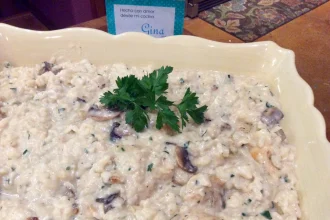
It turned out delicious at home. super easy to follow, ideal for beginners.
Very practical and tasty this ‘Egg Drop soup’. I took it to a meeting and it flew off the table.