


Eggs Benedict Recipe: The Luxury Breakfast at Home
Hello! Today we are going to prepare one of those dishes that seem reserved only for hotel restaurants, but which you can actually master perfectly in your own kitchen. Eggs Benedict are the dream combination of textures: the crispiness of toasted English muffin, the smoky flavor of Canadian bacon, the creaminess of a perfectly poached egg, and, of course, that silky hollandaise sauce that brings it all together. It's the star dish of American cuisine to start the day with energy and a sophisticated touch.
Preparation time
Getting organized is key for everything to come out hot at the same time. Here are the estimated times for you to plan your morning without rushing.
- Preparation: 15 minutes
- Cooking: 15 minutes
- Total: 30 minutes
- Servings: 2 people (2 eggs per person)
- Difficulty: Intermediate
Ingredients
The quality of the ingredients makes a difference in this dish, especially the eggs, which should be as fresh as possible to facilitate poaching.
For the Hollandaise Sauce
- 3 large egg yolks (at room temperature)
- 150 g unsalted butter
- 1 tablespoon fresh yellow lemon juice
- 1 pinch fine salt
- 1 pinch cayenne pepper or paprika (optional)
For the Eggs and Assembly
- 4 large eggs (very fresh)
- 2 «English Muffin» style breads (or thick sliced bread if you can't find them)
- 4 slices of Canadian bacon or good quality cooked ham
- 1 tablespoon white vinegar (for the egg water)
- Chopped chives or parsley for garnish
- Extra butter for toasting the bread
If you can't find Canadian bacon, you can substitute it with serrano ham lightly pan-fried or even crispy bacon, although it will slightly change the traditional flavor profile. If you're looking for inspiration to accompany this dish with other morning options, you can check out some ideas for a complete brunch that complement your table.
Utensils we will use
You don't need professional equipment, but having these tools on hand will greatly facilitate the emulsion and poaching process.
- Medium pot (for boiling water)
- Glass or metal bowl (that fits over the pot for a double boiler)
- Whisk (manual)
- Large frying pan
- Skimmer
- Serrated knife (for the bread)
- Small bowls (one for each egg to poach)
Preparation
The secret here is coordination. We'll make the sauce first and keep it warm, then the ham and bread, and finally the eggs, which wait for no one.
Clarify the butter (Preliminary step)
Melt the butter in a small pot over low heat without letting it boil violently. You will see a white foam separate on the surface and a milky whey at the bottom. Remove the foam with a spoon and carefully pour the golden, transparent fat into a container, discarding the white liquid at the bottom. This gives us a more stable sauce.
Prepare the base of the Hollandaise Sauce
Place a pot with two fingers of water over medium-low heat until it starts to generate steam (without boiling vigorously). In the glass bowl, put the egg yolks and lemon juice. Whisk vigorously with the balloon whisk off the heat for one minute until they foam and turn a pale yellow color.
Emulsify the sauce in a double boiler
Place the bowl over the pot with steam (make sure the water does not touch the bowl). Continue whisking non-stop so that the yolks do not curdle like scrambled eggs. When you notice the yolks thickening and gaining body, start adding the clarified butter in a very thin stream, drop by drop at first, without stopping whisking. Once integrated, add the salt and cayenne. Remove from heat and set aside in a warm place (near the stove, not over direct heat).
Prepare the base and the meat
Cut the buns in half. In a pan over medium heat with a little butter, toast the buns on the inside until golden and crispy. Remove them. In the same pan, quickly cook the slices of Canadian bacon or ham, just to warm them up and give them a light golden color.
Poach the eggs (The key technique)
Fill the medium pot with water (about 10 cm deep) and bring it to a boil. When it boils, lower the heat to minimum; we are looking for a very gentle simmer, just a few bubbles at the bottom. Add the vinegar. Break each egg into a small individual bowl (this prevents the yolk from breaking when it falls into the water). With a spoon, make a gentle swirl in the water and slide the egg into the center. Cook for 3 to 4 minutes for a liquid yolk and set white. Remove with a slotted spoon and let excess water drain on absorbent paper.
To finish and serve
Assembly must be quick so that it arrives hot at the table. Place two halves of toasted bread on each plate with the crumb side up. On each bread, arrange a slice of hot Canadian bacon. Very carefully, place a poached egg on top of the ham. Finally, generously spoon the warm hollandaise sauce, letting it cover the egg and drip down the sides. Sprinkle with chopped chives or an extra touch of paprika for color. Serve immediately; this dish does not tolerate waiting. If you like to experiment with eggs for breakfast, you can also try other ways to enjoy poached eggs on toast.
Nutritional Information
Here is the approximate breakdown per serving (considering two eggs assembled per person). Remember that these are estimated values and may vary depending on the size of the bread or the amount of sauce you use.
- Calories: 650 kcal
- Proteins: 28 g
- Fats: 45 g
- Carbohydrates: 32 g
- Fiber: 2 g
Note: Daily percentage values are based on a 2000-calorie diet. Sodium content will depend on the type of ham used.
5 keys to make it perfect
Although the recipe seems simple, there are small technical details that separate acceptable Eggs Benedict from memorable ones. Pay attention to these points to ensure success.
1. The butter temperature is vital. When making hollandaise, if the butter is boiling when incorporated into the yolks, it will cook the egg and the sauce will «break» (you will see lumps and separated oil). If it is too cold, it will not emulsify well and will be greasy. Ideally, the butter should be warm, around 50°C, similar to body temperature but a little warmer to the touch.
2. Vinegar is not for flavor. We add vinegar to the poached egg water for a chemical reason: it helps coagulate the egg white proteins faster. This prevents the white from dispersing throughout the pot forming white «threads» and helps the egg maintain a round, compact shape. Don't worry, it won't leave an acidic taste if you drain the egg well.
3. Dry the egg before assembling. This is a very common mistake. Taking the egg out of the water and placing it directly on the bread will result in soggy and unpleasant bread. Briefly resting the egg on kitchen paper or a clean cloth removes excess water, ensuring that the hollandaise sauce adheres to the egg and does not slip off due to residual water.
4. Controlling the heat of the bain-marie. The water below should never touch the bowl above. If it does, the heat will be too direct and you'll have scrambled eggs instead of sauce. Additionally, the steam should be gentle; if there's too much pressure, the heat rises suddenly. Patience and a steady arm are your best allies.
5. The freshness of the egg. The older an egg is, the more liquid its white becomes. A very fresh egg has a dense, gelatinous white that sticks to the yolk. If you use old eggs for poaching, they will spread out in the water. If you don't have farm-fresh eggs, you can use the trick of lightly straining them with a slotted spoon before adding them to the water to remove the most watery part of the white.
When is it ideal to enjoy it?
Eggs Benedict are the undisputed king of Sunday brunch or late weekend breakfasts. It's a hearty dish, rich in fats and proteins, so it works best when you have time to sit down, eat calmly, and perhaps don't plan a heavy meal until well into the afternoon. It's not a quick Tuesday breakfast before work.
They are also perfect for special occasions like Mother's Day, anniversaries, or festive mornings like Christmas or New Year, where we want to treat the family to something that feels luxurious and elaborate. Its richness combines wonderfully with a fresh mimosa, freshly squeezed orange juice, or a strong black coffee to cut through the richness of the hollandaise sauce.
Comparison table
It's very common to confuse Eggs Benedict with other famous variants that change only one or two ingredients. Here's a quick guide so you know exactly what to order or prepare next time.
| Recipe | Key ingredients | Difference/advantage |
|---|---|---|
| Eggs Benedict | Canadian bacon / Cooked ham | The classic and original version, a salty and creamy balance. |
| Eggs Royale | Smoked salmon | More intense sea flavor, softer and silkier texture. |
| Eggs Florentine | Sautéed Spinach | Vegetarian option, lighter and with an earthy touch. |
| Eggs Sardou | Creamed artichokes and spinach | Originally from New Orleans, very rich and complex. |
| Eggs Neptune | Crab meat | Coastal gourmet version, sweet and savory at the same time. |
| Huevos Rancheros | Corn tortilla and red sauce | Spicy and Mexican profile, nothing to do with hollandaise sauce. |
| Avocado Toast | Mashed avocado | Fresher and healthier, without the butter load of the sauce. |
Frequently asked questions (FAQ)
Share your experience
Cooking is for experimenting and sharing. Did you dare to prepare them? I would love to know how those poached eggs turned out for you, if you achieved the emulsion on the first try, or if you decided to change the ham for salmon or spinach. Leave your comment below and share your own findings or doubts! Sometimes, the best tricks come from home kitchens.
Culinary glossary
To move with ease through the recipe, here is the meaning of some terms we have used.
- Emulsion
- It is the mixture of two liquids that normally do not combine (like fat and water/vinegar). In this case, we manage to unite them by beating vigorously to create an creamy sauce and stable.
- Poach (or scald)
- A gentle cooking technique where food is submerged in hot liquid without coming to a strong boil. The goal is to cook delicately, maintaining shape and tenderness.
- Clarify
- Process of melting butter to separate the pure fat from milk solids and water. Allows cooking at higher temperatures without burning and gives finer textures.
- Bain-marie
- Method for gently heating or cooking delicate foods using the steam from boiling water beneath a container, without the fire directly touching the food.
- Nappe
- To cover a food with a sauce thick enough to adhere and not completely run off, creating a uniform and shiny layer.




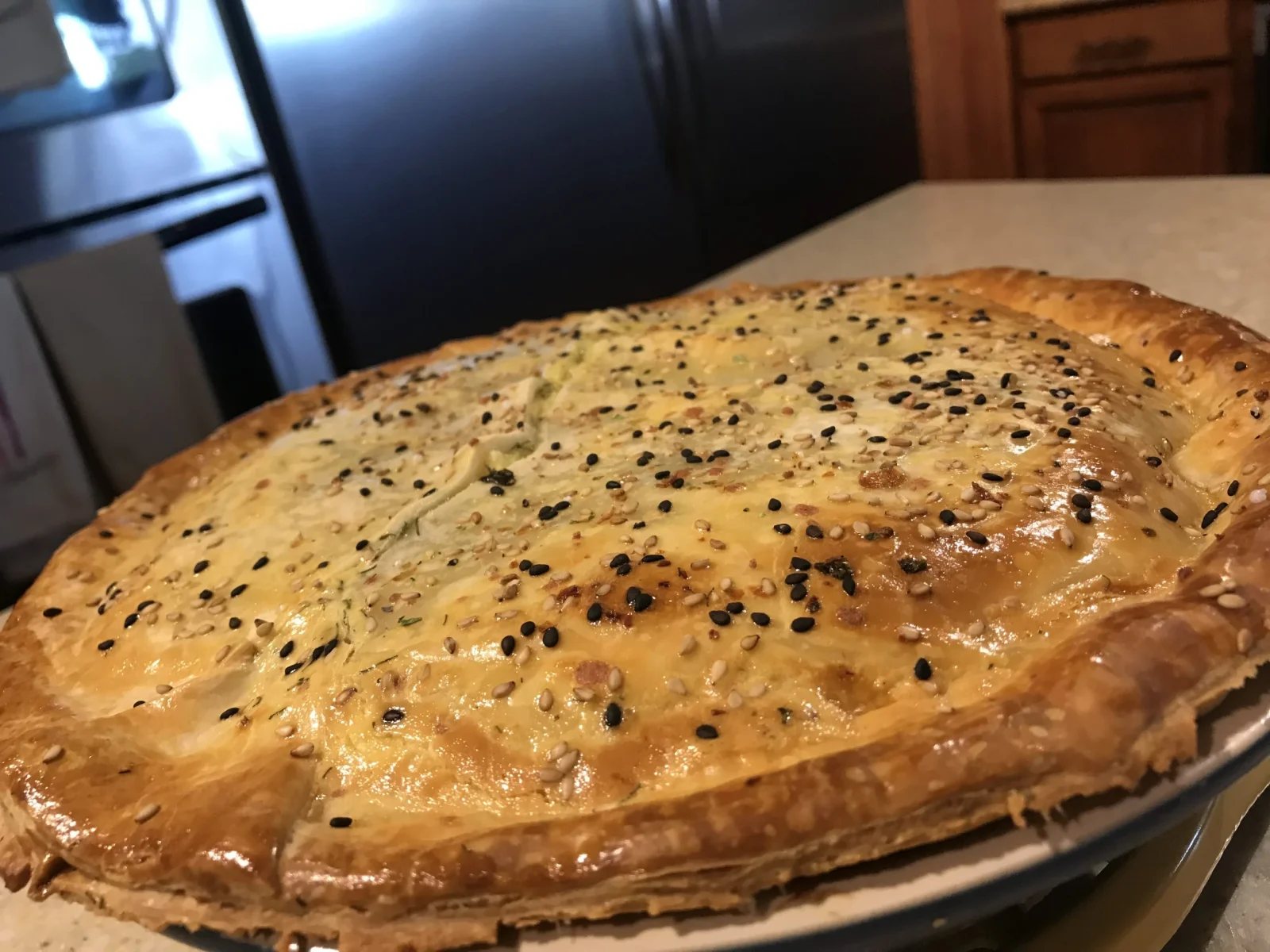
What a delight! this ‘Eggs Benedict’. I prepared it yesterday and it turned out spectacular.
Very practical and tasty this ‘Eggs Benedict’ ✨. it reminded me of a version I tried on a trip.
We loved the result of this ‘Eggs Benedict’.