


Receta de Labneh
¡Hola! Vamos a preparar la clásica receta de labneh, una delicia que transforma un ingrediente básico en una maravilla para compartir. La esencia de este plato radica en concentrar el sabor y la textura, creando un untable perfecto. Con muy poco esfuerzo, tendrás un resultado fantástico para tus comidas.
Comprender la naturaleza de esta preparación es adentrarse en las técnicas más antiguas de conservación de alimentos. En muchas regiones del mundo, especialmente en el entorno mediterráneo, la leche fresca era un recurso muy valioso que necesitaba ser preservado en los climas cálidos. La solución fue crear un producto fermentado que, al perder gran parte de su agua, podía resistir más tiempo sin estropearse. Hoy en día, en pleno 2026, seguimos utilizando exactamente el mismo principio básico en nuestras cocinas porque el resultado es insuperable. Al retirar el suero, lo que queda es la grasa y la proteína puras, dando lugar a un untable increíblemente creamy y denso que sirve de lienzo en blanco para multitud de sabores. Esta técnica no requiere calor, ni batido excesivo, ni aditivos químicos. Solo depende del tiempo, la gravedad y la sal.
El proceso químico detrás de esta receta es fascinante y muy simple de observar en casa. Al agregar sal a la base láctea, se produce un cambio en la estructura de las proteínas. La sal extrae la humedad hacia el exterior, lo que facilita que el líquido se separe de la parte sólida. Este líquido, de un tono amarillento y ligeramente translúcido, es el suero. Contiene agua, algo de lactosa y minerales, pero carece de la riqueza que buscamos para el resultado final. A medida que las horas pasan, la masa sólida se vuelve más firme y compacta. Es importante entender este proceso porque te da el control absoluto sobre el producto final. Si lo dejas poco tiempo, tendrás una consistencia similar a una crema espesa. Si lo dejas el tiempo máximo, obtendrás una textura casi moldeable, perfecta para hacer pequeñas esferas conservadas en aceite. Entender el «porqué» de este proceso de drenaje te permite adaptar la receta a tus necesidades exactas sin depender de tiempos rígidos.
Integrar este tipo de preparaciones en la cocina diaria aporta un gran valor tanto gastronómico como nutricional. Muchas personas buscan opciones más puras para sus desayunos o meriendas, huyendo de los productos ultraprocesados. Preparar tu propio untable en casa garantiza que conoces cada ingrediente involucrado. No hay espesantes artificiales, ni conservantes ocultos. Además, al partir de un lácteo vivo, conservas intactos los microorganismos beneficiosos que se desarrollan durante la fermentación inicial. Estos elementos son muy apreciados hoy en día y convierten a esta receta traditional en un pilar fundamental para quienes buscan mantener una alimentación consciente. La versatilidad de este untable permite que sustituya a cremas comerciales en sándwiches, tostadas o como base para tartas saladas, elevando la calidad de cualquier plato en el que se utilice.
Preparation time
La planificación de esta receta requiere entender que el trabajo real es mínimo, pero la paciencia es fundamental. El tiempo de preparación activa es de tan solo 20 minutos. Durante estos minutos, te encargarás de disponer los utensilios, mezclar la base con la sal y preparar el sistema de filtrado. Es un proceso mecánico muy rápido que no exige habilidades complejas ni una gran concentración. Una vez que la mezcla está suspendida o colocada sobre el colador, tu trabajo termina y comienza el trabajo de la naturaleza y la gravedad. Este es el momento en que la cocina trabaja sola por ti, un concepto muy liberador cuando tienes una agenda ocupada.
El tiempo de cocción, que en este caso se traduce estrictamente en tiempo de reposo y drenaje, oscila entre los 12 y los 24 minutos, aunque en realidad hablamos de horas. Para una consistencia suave, ideal para untar en pan o usar como base de un dip ligero, 12 horas son suficientes. Si buscas una textura mucho más firme, deberás extender este reposo hasta las 24 horas. El tiempo total, por lo tanto, variará en función de tus preferencias personales y del uso que le vayas a dar al producto final. Las porciones resultantes de esta receta están calculadas para aproximadamente una taza y media de producto terminado, lo que equivale a unas seis porciones moderadas para compartir en una mesa. En cuanto a la dificultad, se clasifica como sencilla, ya que no hay exposición al fuego, ni cortes precisos, ni técnicas de emulsión que puedan salir mal. Solo se necesita esperar.
Organizar los tiempos es clave para disfrutar del proceso sin estrés. Un buen consejo es preparar el sistema de filtrado por la tarde o noche. De esta manera, el drenaje principal ocurre mientras duermes. A la mañana siguiente, ya tendrás una consistencia base lista para ser evaluada. Si aún la notas demasiado líquida, simplemente la dejas continuar su proceso durante el resto del día. Esta adaptabilidad hace que la receta se ajuste a cualquier rutina, sin exigir que estés pendiente de un reloj o de una alarma. Observar cómo el suero se acumula lentamente en el recipiente inferior es la mejor señal visual de que todo está funcionando correctamente. No intentes acelerar el proceso presionando la masa, ya que esto forzaría a la parte sólida a atravesar la tela, resultando en una pérdida de producto y una textura final menos uniforme.
Es importante destacar que el entorno influye en el tiempo de reposo. En zonas muy cálidas, es imperativo realizar el drenaje dentro del refrigerador para evitar que la acidez se dispare y el producto adquiera un sabor demasiado fuerte. El frío ralentiza ligeramente la extracción del suero, por lo que las 24 horas suelen ser la norma cuando se filtra en la nevera. Por el contrario, en climas fríos o durante el invierno, el proceso a temperatura ambiente sobre el fregadero de la cocina puede ser un poco más rápido y seguro, desarrollando matices de sabor más complejos. Conocer tu entorno y adaptar el tiempo de reposo a estas variables térmicas es el secreto para dominar esta técnica a la perfección, logrando siempre el equilibrio ideal entre acidez y cremosidad.
Ingredients
Para la base de esta receta, la calidad de los componentes es innegociable, ya que al ser tan pocos, cada uno aporta un porcentaje vital al resultado. Necesitas un recipiente de 32 onzas, o el equivalente a 4 tazas, de yogurt natural entero. Es fundamental que sea de leche entera. La grasa es la responsable de aportar la estructura y la sensación rica en el paladar. Si usas una versión desnatada, el resultado será acuoso, carecerá de cuerpo y la textura final será arenosa en lugar de untuosa. Al no tener grasas que estabilicen las proteínas durante el drenaje, el producto se vuelve frágil. Asegúrate también de que no contenga azúcares añadidos, saborizantes ni espesantes artificiales como gelatinas o almidones. Estos aditivos retienen el agua y formarán un bloque gomoso que no drenará el suero correctamente.
El segundo ingrediente esencial es la sal, concretamente 1 cucharadita de sal común o sal marina fina. Evita las sales gruesas, ya que no se disolverán de manera uniforme en la base láctea fría. La función de la sal aquí es doble. Por un lado, sazona el interior de la masa, realzando la acidez natural y creando un perfil de sabor profundo y equilibrado. Por otro lado, actúa como un motor osmótico. Al integrarse, rompe levemente las membranas y ayuda a empujar el agua hacia el exterior, acelerando y facilitando la separación del suero. Sin la sal, el drenaje sería mucho más lento y correrías el riesgo de que la masa se agriara demasiado antes de alcanzar la firmeza deseada. Es un ingrediente activo que trabaja durante todas las horas de reposo.
Para acompañar y servir, los ingredientes opcionales marcan la diferencia en la presentación. Necesitarás aceite de oliva virgen extra de buena calidad. Este aceite no solo aporta un contraste de sabor frutado y ligeramente picante, sino que también actúa como una barrera protectora si decides guardar el untable por unos días, sellando la superficie y evitando la oxidación. Además, puedes incorporar hierbas frescas o secas, y diversas especias. El tomillo, el orégano, la menta seca o mezclas tradicionales son excelentes opciones. Estas adiciones no se mezclan en el interior durante el drenaje, sino que se esparcen por encima en el momento de llevar el plato a la mesa, garantizando que sus aceites esenciales se mantengan frescos y no interfieran con la química del filtrado.
En caso de no contar con una versión natural entera estándar, puedes sustituirlo por la variante griega. Si haces este cambio, debes tener en cuenta que el proceso de preparación requerirá un ajuste en los tiempos. La variante griega ya ha pasado por un proceso previo de filtrado industrial, por lo que tiene menos agua desde el principio. Al usarlo, el tiempo de reposo se reducirá significativamente. Probablemente, en tan solo 8 a 10 horas alcances una textura extremadamente densa. Es una excelente opción si tienes prisa, pero ten en cuenta que el rendimiento en volumen será menor, y la textura final puede resultar ligeramente menos elástica que cuando se parte de una base convencional no filtrada.
Utensils we will use
Para llevar a cabo esta técnica milenaria en una cocina moderna, no necesitas equipamiento complejo, pero sí los utensilios correctos para facilitar la separación de líquidos y sólidos. El primer elemento indispensable es un bol o tazón amplio. Su función es servir de recolector para el suero que goteará durante horas. Debe ser lo suficientemente profundo para que, a medida que el líquido se acumule, no llegue a tocar la base del colador. Si el suero toca la masa nuevamente, el proceso de drenaje se detendrá y la parte inferior quedará empapada, arruinando la consistencia homogénea que estamos buscando. Un tazón de cristal o acero inoxidable es ideal, ya que no retiene olores y es fácil de limpiar tras el proceso.
El segundo utensilio vital es un colador de malla media o fina. Este colador actuará como el soporte estructural de nuestra preparación. Debe tener un tamaño adecuado para contener las 4 tazas de la mezcla sin que se desborde, y su forma debe encajar de manera estable sobre el bol recolector. Si usas un colador demasiado pequeño, la masa quedará amontonada, lo que dificultará que el líquido del centro logre salir, resultando en bordes secos y un núcleo acuoso. La estabilidad es crucial, ya que el conjunto deberá reposar sin moverse, a menudo dentro del refrigerador, donde pequeños golpes accidentales podrían volcar todo el sistema si el colador no asienta bien sobre el bol.
Para contener la masa y permitir que solo pase el líquido, utilizaremos una tela de quesero. Esta tela de algodón de trama abierta es perfecta porque retiene los sólidos finos mientras deja fluir el agua libremente. Antes de usarla, es recomendable enjuagarla bajo el grifo y exprimirla bien para eliminar cualquier rastro de polvo o pelusa propia del tejido. En caso de no contar con una tela de quesero, puedes sustituirla por filtros de café grandes o varias capas de toallas de papel de cocina muy resistentes. Es fundamental que el papel que elijas no tenga aromas añadidos, ya que la grasa de la leche absorbe los olores ambientales con extrema facilidad, y un papel perfumado arruinaría irremediablemente el sabor de tu preparación.
Finalmente, necesitarás una espátula de silicona o una cuchara grande para manipular la mezcla. La silicona es especialmente útil porque te permite rebañar bien los bordes del recipiente original y esparcir la masa de manera uniforme sobre la tela o el papel. Cuando termine el tiempo de reposo, esta misma espátula te ayudará a despegar con cuidado la masa compacta de la tela, asegurando que no desperdicies nada del producto terminado. La manipulación suave y precisa que permite una espátula flexible es ideal para no romper la textura lograda tras tantas horas de espera paciente.
Preparation
Preparación del equipo de filtrado
Lava bien el bol y el colador bajo el grifo y seca todo meticulosamente. Toma la tela de quesero y extiéndela sobre el colador, asegurándote de que los bordes sobresalgan generosamente por los lados. Esto es importante para poder atarla después. Si estás usando papel absorbente resistente o filtros de café, forra el interior del colador solapando las piezas para que no queden huecos por donde la mezcla pueda escapar. Coloca el colador forrado de manera firme sobre el bol profundo, comprobando que haya una distancia de al menos cinco centímetros entre el fondo del colador y la base del bol.
Mezclado de la base láctea
Vuelca las 4 tazas de base láctea en un recipiente limpio y amplio. Añade la cucharadita de sal fina esparciéndola por toda la superficie. Con la ayuda de la espátula o unas varillas, remueve con movimientos envolventes y constantes durante aproximadamente un minuto. El objetivo es que la sal se disuelva por completo y se distribuya de manera homogénea. Sabrás que está listo cuando la textura se vea lisa y brillante. Es crucial no batir en exceso para no introducir aire en la mezcla, simplemente queremos que la sal alcance cada rincón para que el drenaje sea parejo en toda la masa.
Proceso de drenaje
Vierte la mezcla suavemente en el centro del colador forrado. Usa la espátula para nivelar la superficie, creando una capa de grosor uniforme; esto garantiza que el líquido drene por igual. A continuación, toma los bordes sobrantes de la tela o el papel y dóblalos hacia el centro, cubriendo por completo la masa superior. Si usas tela y prefieres el método tradicional suspendido, junta las cuatro esquinas, haz un nudo firme y cuelga el hatillo del grifo del fregadero o del mango de una cuchara de madera apoyada sobre un bol profundo.
Reposo y control de textura
Lleva todo el conjunto al refrigerador si tu cocina es cálida, o déjalo a temperatura ambiente si el clima es fresco y buscas un sabor más intenso. Deja reposar sin mover ni apretar la masa. Durante las primeras horas, notarás un goteo rápido y constante de líquido amarillento. A partir de las 12 horas, revisa la consistencia abriendo ligeramente la tela superior; si la notas firme pero untable, está lista. Si prefieres una textura más sólida, vuelve a cubrir y deja reposar hasta completar las 24 horas. Evita la tentación de presionar la masa para acelerar el proceso, ya que la paciencia es la clave para una textura sedosa.
To finish and serve
Cuando hayas alcanzado el punto de consistencia deseado, retira con cuidado el hatillo del colador. Abre la tela y, utilizando la espátula, transfiere la masa compacta a un recipiente limpio, despegándola suavemente de los bordes para no perder nada. En este punto, remueve la masa con firmeza durante unos segundos para devolverle la suavidad y eliminar posibles marcas de la tela, asegurando que quede perfectamente lisa. Sirve en un plato llano o cuenco bajo, haciendo pequeños surcos en la superficie con el dorso de una cuchara. Riega generosamente con aceite de oliva, permitiendo que se acumule en los surcos, y espolvorea las hierbas aromáticas de tu preferencia. Acompáñalo con pan plano tostado o vegetales frescos crujientes para crear un contraste de texturas ideal.
Nutritional Information
Entender el perfil nutricional de esta receta es fundamental para valorar por qué se considera una opción tan healthy y recomendable para la dieta diaria. A través del proceso de drenado, el volumen total del ingrediente original se reduce, lo que significa que los nutrientes restantes se concentran. Esto altera el equilibrio de macronutrientes en comparación con el lácteo del que partimos. Para una porción estándar de aproximadamente 100 gramos, que equivale a unas tres o cuatro cucharadas colmadas, se estima un aporte de 250 kcal. Esta densidad energética proviene principalmente de la concentración de grasas y proteínas puras, convirtiendo a este untable en una fuente de energía sostenida que evita los picos de insulina que suelen provocar los desayunos ricos en carbohidratos refinados.
En cuanto al contenido de proteínas, una porción aporta cerca de 10 g. Las proteínas lácteas, como la caseína, son de alto valor biológico, lo que significa que contienen todos los aminoácidos esenciales que nuestro cuerpo necesita para la reparación muscular y el mantenimiento de los tejidos. Esta alta concentración proteica es la razón por la que este plato genera una sensación de saciedad prolongada, siendo ideal para evitar los antojos entre comidas. Por otro lado, las grasas se sitúan en torno a los 6 g por porción. Al usar una base entera, estas grasas son naturales y esenciales para la absorción de vitaminas liposolubles como la vitamina D y la A, además de ser el vehículo principal que transporta los sabores en nuestro paladar.
El nivel de carbohidratos se reduce drásticamente durante el drenaje, situándose por debajo de los 4 g por porción. La mayor parte de los azúcares naturales de la leche, concretamente la lactosa, son hidrosolubles. Esto significa que cuando el suero se filtra y gotea hacia el bol inferior, se lleva consigo la mayor parte de la lactosa. Por esta razón, el resultado final es mucho más tolerable para personas con sensibilidades digestivas leves a este azúcar. La fibra, como es propio de los alimentos de origen animal puro, es de 0 g, por lo que se recomienda encarecidamente acompañar esta preparación con vegetales crudos, semillas o panes integrales para obtener un plato nutricionalmente completo.
Es indispensable mencionar el valor de los probióticos presentes en este alimento vivo. Al no someter la mezcla a ningún proceso de cocción térmica después de su elaboración inicial, las bacterias beneficiosas que transformaron la leche continúan activas. Estas cepas contribuyen directamente a mantener el equilibrio de la flora intestinal, mejorando la digestión y fortaleciendo el sistema inmunológico local. Todos los valores nutricionales mencionados son estimaciones promedio por porción, ya que la composición final siempre variará ligeramente dependiendo de la marca comercial específica que elijas como base y del tiempo exacto que dejes drenar el suero, lo cual afectará el nivel de concentración de los nutrientes.
5 keys to make it perfect
El éxito de esta receta radica en el control de detalles muy sutiles que marcan la diferencia entre un resultado mediocre y un untable excepcional. La primera clave es la selección exhaustiva de la base láctea. Nunca debes usar variedades que contengan gelatinas, pectinas o almidones modificados en su lista de ingredientes. Estos estabilizantes industriales están diseñados precisamente para retener el agua dentro de la estructura de la masa. Si intentas filtrar un producto con estos aditivos, el agua no logrará escapar, la tela se obstruirá casi de inmediato y terminarás con una pasta pegajosa y de sabor plano. Leer las etiquetas y asegurar que los únicos ingredientes sean leche y fermentos lácticos es el paso más crítico de toda la receta.
La segunda clave es la integración correcta de la sal antes de comenzar el filtrado. Muchos cometen el error de espolvorear la sal solo por encima una vez que la masa ya está drenada. Esto no funciona. La sal debe disolverse en toda la matriz líquida desde el principio. Al hacerlo, se desencadena una reacción química que facilita la expulsión del suero de manera uniforme desde el centro hasta los bordes. Si la omites en este paso inicial, el tiempo de espera se duplicará y el núcleo del untable quedará desabrido, careciendo del contraste que hace brillar la acidez natural del plato.
La tercera clave hace referencia al control de la temperatura durante el reposo. La temperatura ambiente es ideal si vives en un clima donde el termómetro no supera los 20 grados Celsius. En estas condiciones, el drenaje es rápido y el sabor se desarrolla con una ligera acidez muy agradable. Sin embargo, si tu cocina es cálida, la fermentación se acelerará de manera descontrolada, agriando la masa excesivamente. En estos casos, el refrigerador es tu mejor aliado. Aunque el frío ralentiza el goteo del suero obligándote a esperar un poco más, garantiza un entorno seguro donde la crema espesará de manera constante, manteniendo un perfil de sabor suave y lechoso.
La cuarta clave es la elección y preparación del material de contención. La tela de quesero es insuperable, pero debe estar impecablemente limpia y, sobre todo, libre de olores. Nunca laves esta tela con suavizantes para la ropa ni con detergentes perfumados. La grasa láctea absorbe los aromas ambientales como una esponja. Un residuo de detergente floral arruinará todo tu esfuerzo en cuestión de horas. Lávala siempre con agua hirviendo y un jabón neutro sin aroma. Si decides usar papel absorbente, verifica tocándolo con los dedos húmedos que no se desintegre fácilmente; de lo contrario, acabarás comiendo trozos de papel incrustados en tu preparación.
La quinta y última clave es dominar el punto final mediante la manipulación posterior. Una vez que retiras la masa de la tela, es normal que la superficie externa esté un poco más seca y que mantenga las marcas del tejido. Para lograr la textura verdaderamente sedosa que define a este plato, debes transferirlo a un bol limpio y removerlo con energía usando una espátula durante unos veinte segundos. Esta fricción mecánica rompe las pequeñas grumosidades superficiales y unifica toda la masa, dándole ese aspecto brillante y suave que lo hace tan apetecible antes de proceder al emplatado final.
When is it ideal to enjoy it?
Integrar esta preparación en tus rutinas de comida abre un abanico de posibilidades gastronómicas asombroso. Es el elemento central de cualquier comida estilo mezze o picoteo informal. Cuando tienes invitados en casa durante los meses de verano, encender el horno suele ser la última opción que apetece. En estas ocasiones familiares o reuniones con amigos en la terraza, presentar un cuenco profundo de este untable frío, coronado con un buen chorro de aceite dorado y hierbas, se convierte en el entrante perfecto. No requiere fuego de último minuto y se puede mantener preparado con días de antelación, lo que te permite relajarte y disfrutar de la compañía sin estrés en la cocina.
Más allá de los eventos sociales, es un aliado extraordinario para el día a día. En el desayuno, sustituye brillantemente a la mantequilla o a los quesos crema industriales. Untado sobre una rebanada de pan de masa madre tostado y acompañado de unas rodajas finas de pepino o un poco de tomate rallado, proporciona un inicio del día lleno de energía limpia y saciante. Además, su perfil neutro con un ligero toque ácido lo hace compatible con sabores dulces. Si decides omitir la sal y los aditivos salados en el emplatado final, puedes acompañarlo con miel, nueces picadas y frutas frescas, obteniendo un postre rico en proteínas que no resulta empalagoso.
Como acompañamiento en platos principales, su función es equilibrar sabores intensos. Funciona maravillosamente bien para refrescar el paladar cuando se sirve junto a carnes muy especiadas o asados potentes. Es el contrapunto ideal para integrar con recetas ricas en texturas y aromas tostados, como unas buenas berenjenas asadas con especias. El contraste de temperaturas entre la verdura caliente y la cold cream eleva el plato a otro nivel. De igual forma, si estás planeando una tabla de salsas vegetales, servirlo junto a un dip de berenjena ahumado crea una sinergia de sabores mediterráneos inigualable, donde la cremosidad del lácteo suaviza el ahumado de la hortaliza.
Su capacidad de conservación lo hace muy práctico para el concepto de «batch cooking» o preparación de comidas por adelantado. Una vez finalizado el proceso de filtrado, si lo guardas en un recipiente hermético limpio en la zona más fría del refrigerador, se mantendrá en perfectas condiciones por más de una semana. Esta durabilidad te asegura tener siempre a mano un recurso nutritivo para improvisar una cena ligera o enriquecer una ensalada rápida cuando el tiempo apremia. La practicidad, sumada a su increíble perfil de sabor, justifica con creces el mínimo esfuerzo requerido para elaborarlo de manera casera.
Culinary glossary
A lo largo de las instrucciones hemos mencionado varios términos que, aunque comunes en ciertas regiones, merecen una explicación clara para que cualquier cocinero aficionado pueda dominar la técnica con confianza. El primer término es el suero. Se trata del líquido translúcido y amarillento que se separa de la parte sólida de la leche cuando esta se corta o se filtra. En esta receta, es el subproducto que gotea hacia el bol inferior. Aunque nosotros lo descartamos del untable para ganar densidad, el suero es rico en minerales y se puede guardar para añadir a masas de pan o batidos, evitando así el desperdicio en la cocina.
The term filtrar o drenar hace referencia a la acción física de pasar una mezcla por un material poroso que permite el paso de los líquidos pero retiene los sólidos. En nuestra preparación, la tela de quesero actúa como barrera física. La eficacia del filtrado depende del tamaño de los poros del material y de la densidad de la mezcla inicial. Es una técnica pasiva, lo que significa que no aplicamos fuerza mecánica como el prensado, sino que confiamos en el peso natural de la masa y en la fuerza de la gravedad para realizar la separación.
La palabra Mezze describe un estilo de comida tradicional en el este del Mediterráneo y el Medio Oriente. No es una receta en sí, sino una forma de presentar y consumir los alimentos. Consiste en servir múltiples platos pequeños, fríos y calientes, pensados para compartir en el centro de la mesa acompañados de pan plano. En este contexto, los untables, las ensaladas de hierbas y los vegetales asados se combinan libremente, creando una experiencia comunitaria donde no hay un plato principal definido, sino una gran variedad de sabores complementarios.
The fermentación láctica es el proceso biológico inicial que transforma la leche líquida en una masa densa y ácida. Ocurre cuando se introducen cultivos de bacterias específicas en la leche tibia. Estas bacterias consumen los azúcares naturales (lactosa) y los convierten en ácido láctico. Este ácido cambia el pH del entorno, lo que hace que las proteínas se agrupen y solidifiquen, creando la estructura base que luego nosotros nos encargamos de filtrar y concentrar aún más con el uso de la sal y el tiempo.
Por último, el concepto de punto de consistencia se refiere al nivel exacto de espesor o firmeza que se busca en una preparación antes de darla por finalizada. En recetas que dependen de la reducción de líquidos o del filtrado, el punto no se mide con un reloj estricto, sino a través de señales sensoriales visuales y táctiles. Alcanzar el punto de consistencia adecuado significa saber observar cuándo la masa ha perdido suficiente humedad para mantener su forma en el plato, pero retiene la suficiente elasticidad para ser untada sin romperse.
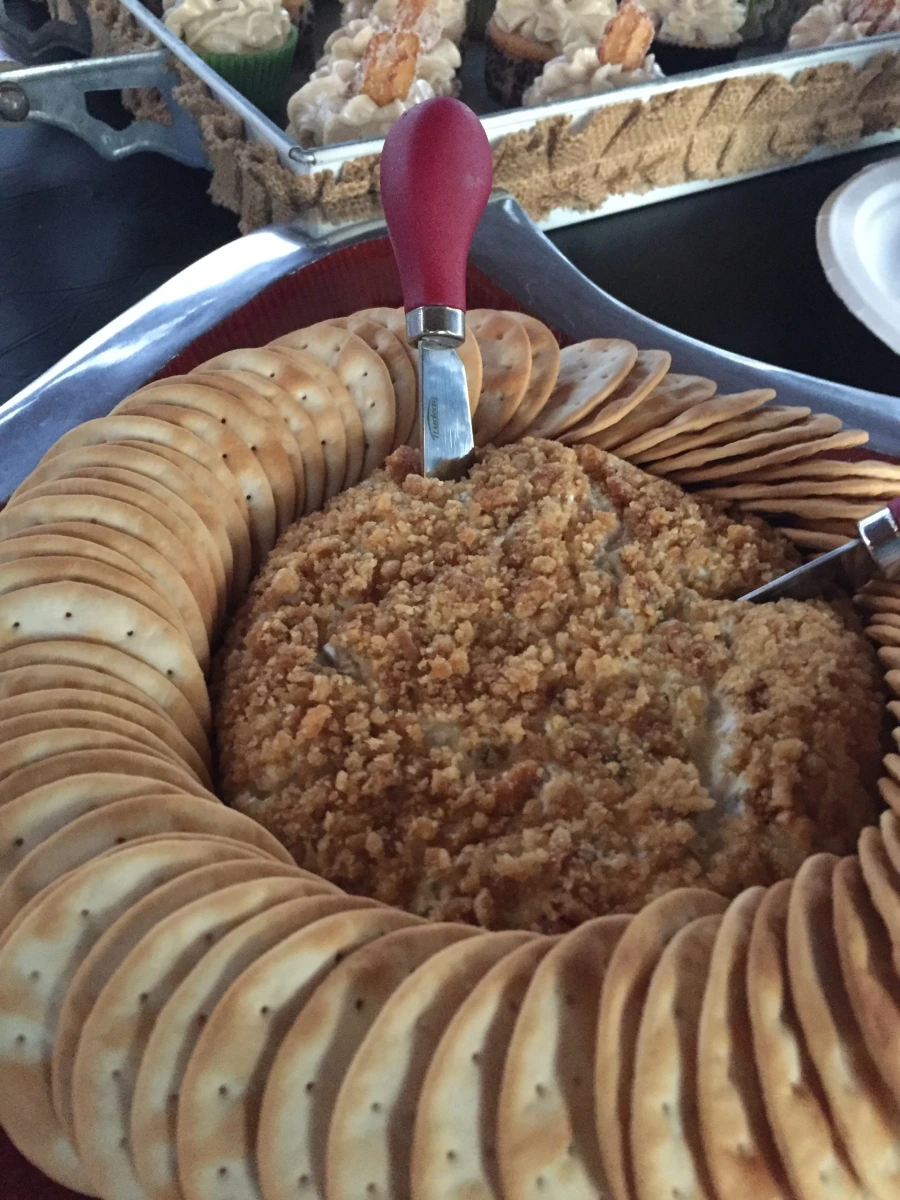


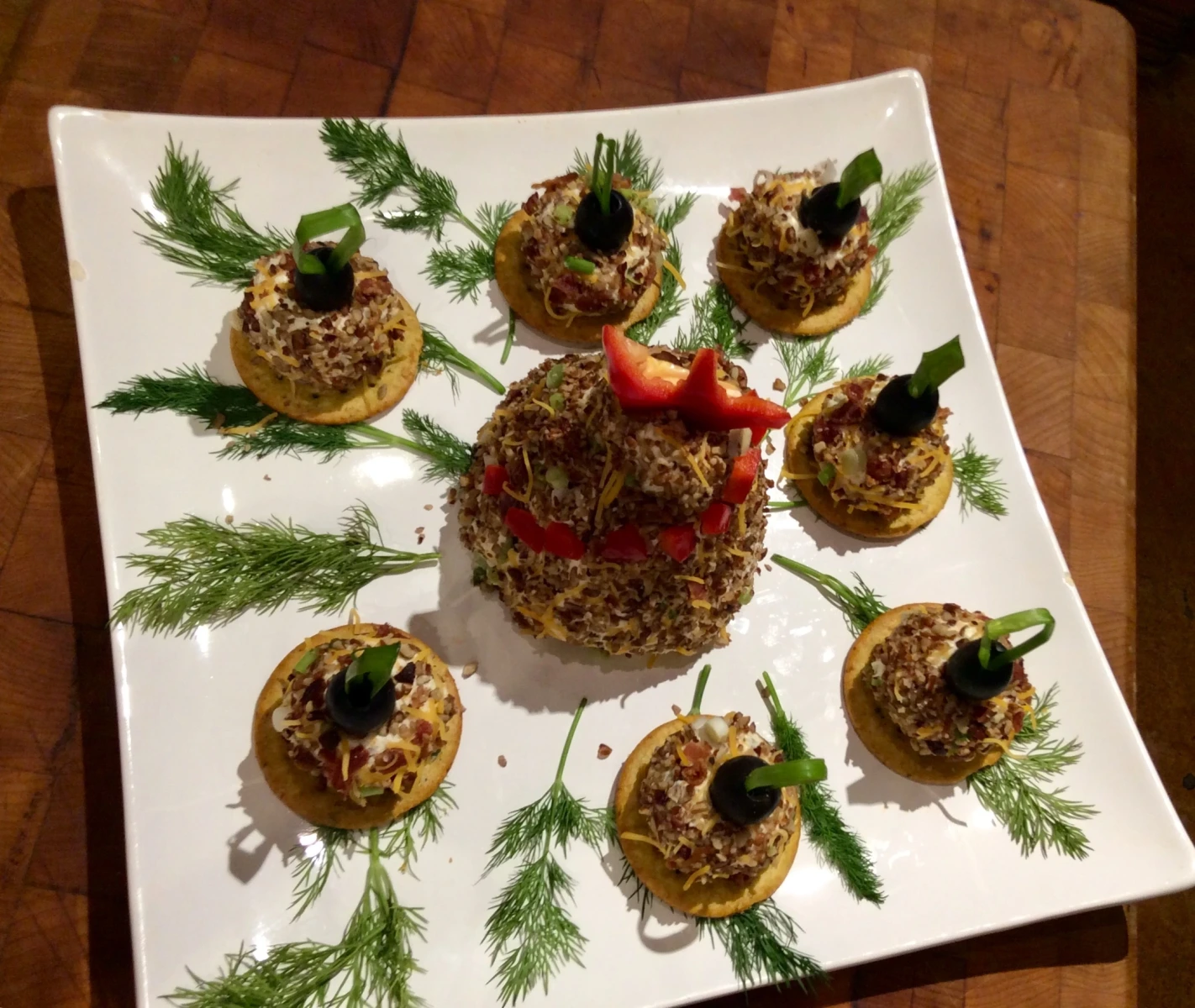

It turned out better than I expected. It reminded me of a version I tried on a trip. Next time I'll make it with freshly ground pepper.
It was delicious at home. I took it to a meeting and it flew off the table. Super recommended .
Super recipe this ‘Labneh’. I took it to a meeting and it flew off the table.