
Homemade Guava Paste Recipe: tradition and natural flavor
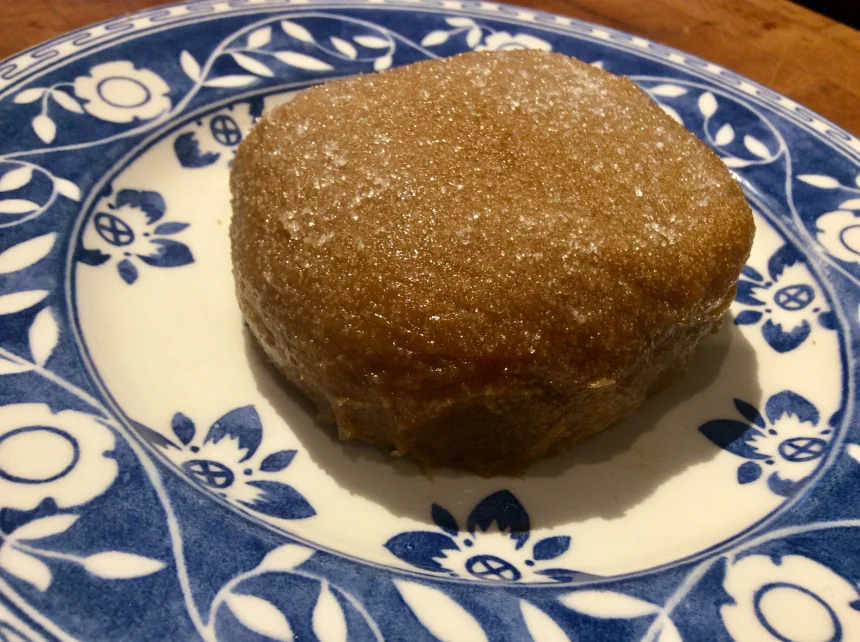
Hello! Let's prepare together an authentic guava paste, that traditional Mexican sweet that is pure heart and fruit flavor. It's a noble recipe that, with a little patience, will reward you with a firm texture and a perfect sweetness to accompany a good piece of cheese or simply enjoy by the bite.
Preparation time
To organize ourselves well, here is the breakdown of the time we will invest in this delight. Remember that the magic of this sweet lies in the resting period.
- Preparation: 20 minutes
- Cooking: 45 minutes
- Resting: 24 hours
- Servings: 10 – 12 servings
- Difficulty: Intermediate
Ingredients
For this guava preserve, the quality of the fruit is vital. We look for guavas at their perfect point, neither too green nor overripe, to take advantage of all their natural pectin.
- 1 kilo of guava (preferably ripe but firm)
- 750 grams of standard sugar
- 2 tablespoons freshly squeezed lime juice
- Water (as needed to cover the fruit)
For the mold
- A little neutral vegetable oil or cooking spray
If it's difficult to get fresh guava in your area, you could try with guavas in syrup, but keep in mind that you will have to drastically reduce the amount of sugar and the final result will be a little less firm than with the tropical fruit natural.
Utensils we will use
We don't need sophisticated equipment, but we do need tools that make our work easier and protect us from the heat, as the mixture tends to splatter a bit when it thickens.
- Deep pot (stainless steel or copper preferably)
- Blender
- Fine mesh strainer
- Wooden spoon or heat-resistant silicone spatula
- Cutting board and sharp knife
- Rectangular mold (glass or metal)
- Cling film (kitchen plastic wrap)
Step-by-step preparation
The preparation of this artisanal sweet requires care and constant attention to the heat. Don't rush, enjoy the aroma that will fill your kitchen.
1. Fruit preparation
- Cleaning and cutting: Wash the guavas very well under cold running water. Remove the ends (the «belly button» and the stem) and cut them in half. There's no need to peel them, the skin adds color and texture.
- First cooking: Place the guava halves in the pot and cover them with water. Bring to medium heat. When the water comes to a boil, count exactly 5 minutes. We only want to soften them slightly, not break them down. Remove from heat.
2. Processing and filtering
- Blending: Drain the guavas (you can reserve a little of the cooking water in case the blender gets stuck, but try to use as little as possible). Blend the fruit until you get a uniform and smooth paste.
- Straining: This step is crucial for a fine ate. Pass the mixture through a fine-mesh strainer, pressing with a spoon to separate the pulp from the seeds. Discard the seeds.
3. Cooking the paste
- Cooking with sugar: In the clean pot, pour the strained guava pulp and add the sugar. Turn the heat to medium. It is very important to stir constantly with a wooden spoon, preferably in figure-eight or circular motions, to prevent it from sticking to the bottom. Cook like this for 20 minutes.
- Pectin activation: After 20 minutes, add the two tablespoons of lemon juice. The lemon acid is fundamental; it reacts with the guava pectin and sugar to achieve the correct gelling. Continue cooking and stirring for another 15 minutes.
- Ate point: You'll know it's ready when the mixture has thickened considerably, has a darker and shinier color, and when you pass the spoon across the bottom of the pot, the bottom is clearly visible and the mixture takes time to come together again (the famous «Moses» path").
To finish and serve
Immediately after turning off the heat, carefully pour the hot mixture into the mold previously lightly greased or lined with kitchen plastic (this facilitates unmolding). Smooth the surface with a spatula. Now comes the hardest part: waiting. Let it cool at room temperature in a cool, dry place and allow it to rest for a whole day (24 hours). This resting is vital for it to lose excess moisture and achieve that perfect cutting consistency. Once firm, unmold onto a board, cut into cubes or slices, and it's ready to serve.
If you have leftover fruit or want to try another delicious variant, I recommend trying this cold guava pie which also makes the most of this fruit's flavor.
Nutritional Information
Here is an estimate of what this sweet provides per serving. Remember that it is an energetic food due to its sugar content.
- Calories: 180 kcal
- Proteins: 1 g
- Fats: 0.5 g
- Carbohydrates: 45 g
- Fiber: 3 g
Note: Values are approximate and may vary slightly depending on the size of the guavas and the brand of sugar used.
5 keys to make it perfect
Making guava paste has its science, and these details make the difference between a thick jam and a professional-cut ate.
1. Fruit ripeness:
Using guavas at their optimal point of ripeness guarantees the highest natural pectin content. If they are too green, it will be acidic and hard; if they are too ripe, it will have less gelling power.
2. The role of lemon:
Never omit the lemon juice. It's not just for flavor; it's the chemical catalyst. Without adequate acidity, the gel structure will not form correctly, and the ate will be chewy or soft.
3. Thick-bottomed pot:
Sugar burns easily. A thick-bottomed or copper pot distributes heat evenly, allowing for constant water evaporation without burning the mixture in specific spots.
4. Patience with the heat:
Cooking over medium-low heat is better than rushing the cooking. We need to evaporate moisture slowly to concentrate the solids without over-caramelizing the sugar prematurely.
5. Uncovered resting:
When letting it rest for 24 hours, do not cover it hermetically while it is hot, as condensed steam will fall onto the ate and ruin the surface, creating mold or soft spots. You can cover it with a fine mesh or cheesecloth to protect it from insects while it breathes.
When is it ideal to enjoy it?
This Mexican dessert is incredibly versatile. It is the undisputed king of cheese boards at family gatherings or dinners with friends; the combination of sweet with a Manchego cheese or cream cheese is unbeatable. It is also perfect for national holidays or Christmas as an edible gift made with love.
On summer afternoons, a cold piece of ate is refreshing. Furthermore, it is a star ingredient during the Three Kings' Day season; many use it to decorate the rosca. If you like traditional sweets with similar textures, you might be interested in knowing how to make Tabasco-style papaya candy, another gem of our gastronomy.
Comparison table
Sometimes we confuse ate with other sweets. Here I show you the differences so you know exactly what we are cooking compared to other market options.
| Recipe | Key ingredients | Difference/advantage |
|---|---|---|
| Guava Paste | Guava, sugar, lemon | Solid texture for cutting, intense and natural flavor. |
| Guava Jam | Guava, sugar, water (larger quantity) | It is spreadable and much softer, it does not hold its shape. |
| Guava Jelly | Guava juice (pulp-free), sugar | Transparent and gelatinous, without the fruit fiber. |
| Quince Paste | Quince, sugar | More floral flavor and grainier texture than guava. |
| Guava Rolls | Guava, sugar, cajeta/nut | More elastic and usually filled, different drying process. |
| Bocadillo (Colombia) | Ripe guava, panela/sugar | Very similar, often wrapped in banana leaves. |
| Guava Halves | Guava in halves, syrup | The fruit retains its original shape, served in its juice. |
Frequently asked questions (FAQ)
Share your experience
Cooking is for experimenting and sharing. I'd love to know how your guava paste. turned out. Did you achieve that firm texture on the first try? Did you pair it with any special cheese? Leave your comment and share your own little tricks so we can all learn more!
Culinary glossary
So that you have no doubt, here I explain some terms we use today:
- Pectin: Natural fiber present in fruits (especially in the skin and seeds) that, when cooked with sugar and acid, forms a gel structure, allowing jams and fruit pastes to thicken.
- To gel: The process by which a liquid mixture transforms into a gel or soft solid upon cooling, thanks to the action of pectin or other gelling agents.
- Reduce: To cook a liquid preparation over low heat so that the water evaporates, thus concentrating the flavors and thickening the consistency.
- Syrup: Syrup that results from dissolving sugar in water and cooking it over heat until it thickens; in this case, it forms together with the fruit juice.
- Unmold: The action of removing a preparation (such as fruit paste, jellies, or cakes) from the container where it took shape, ensuring it comes out whole and without breaking.



This ‘Guava Fruit Paste’ looks incredible. I made it for dinner and everyone was happy.
It was delicious at home. I prepared it yesterday and it was spectacular.
This ‘Guava Fruit Paste’ turned out better than I expected. .