
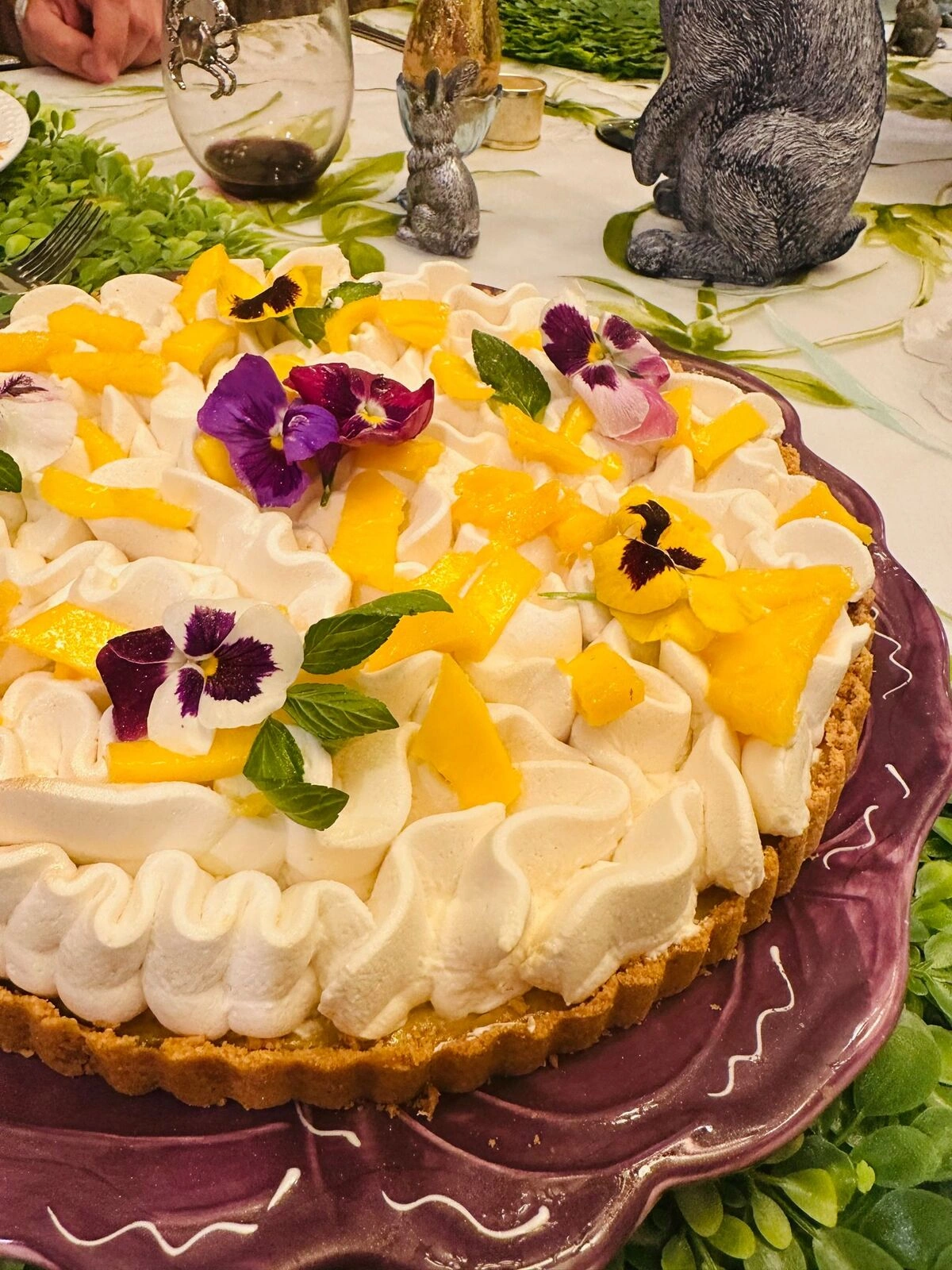
Recipe for Creamy and Tropical Mango Pie
Hello! We are going to prepare one of my favorite seasonal desserts. This pie combines a crispy and buttery base with a smooth filling full of natural fruit flavor. It's that kind of dessert that brightens any table and, although it seems elaborate, it's quite forgiving if you follow the steps calmly. The final texture is silky and the mango flavor shines on its own.
Preparation time
Organization is key in the kitchen, so here are the estimated times so you don't get rushed.
- Preparation: 30 minutes
- Cooking: 50 minutes
- Total: 1 hour 20 minutes (plus cooling time)
- Servings: 8 people
- Difficulty: Intermediate
Ingredients
For this recipe, we will look for fresh ingredients. The quality of the mango is what will define the success of our sweet.
For the base (shortcrust pastry)
- 250 g all-purpose wheat flour
- 125 g unsalted butter (very cold, cut into cubes)
- 60 g white sugar
- 1 pinch of salt
- 1 medium egg
- 2 or 3 tablespoons of ice water (only if necessary)
For the mango filling
- 3 large ripe mangoes (Manila or Ataulfo type are ideal for having less fiber)
- 1 can (370 g) of condensed milk
- 1 bar (190 g) of cream cheese (at room temperature)
- 3 whole eggs
- 1 teaspoon vanilla extract
- 1 tablespoon of cornstarch (cornflour)
For garnish (Optional)
- 1 extra mango cut into slices or cubes
- Leaves of fresh mint
- Whipped cream
If you can't find fresh mango because it's not in season, you can substitute it with frozen mango pulp. Make sure to thaw it completely and drain any excess water before using it so as not to water down the filling. If you have leftover fruit or want a lighter version for another day, you could check out how to make some mango cheesecake cups that use similar ingredients but without an oven.
Utensils we will use
You don't need industrial equipment, what you have in your drawers is enough to achieve a result of baking quality baking.
- Pie or tart pan (about 22-24 cm in diameter)
- Blender or food processor
- A large bowl for mixing the dough
- Wooden rolling pin
- Fork
- Wax paper or parchment paper
- Something to weigh down for baking (can be raw beans or rice if you don't have ceramic pie weights)
- Silicone spatula (scraper)
- Cooling rack
Preparation
We are going to divide the process so you don't get overwhelmed. First we will make the crispy base and then we will take care of the creamy filling. Follow the step-by-step and you'll see how well it turns out.
Preparation of the base (Dough)
- Mix the dry ingredients: In a large bowl, place the flour, sugar, and pinch of salt. Mix it a little with your hand or a spoon.
- Incorporate the butter: Add the cold butter in cubes. With your fingertips, quickly rub the butter into the flour. We are looking for a texture like wet sand or coarse crumbs. Do not knead too much; we don't want the butter to melt from the heat of your hands.
- Bring the dough together: Add the egg and mix gently. If you feel the dough isn't coming together and crumbles a lot, add the ice water, tablespoon by tablespoon, until you can form a compact ball.
- Cold rest: Wrap the dough ball in plastic film or store it in a clean bag. Refrigerate for 20 minutes. This helps the dough relax and makes it easier to roll out, and it will also hold its shape better when bake.
- Roll out and line: Take out the dough, lightly flour your work surface, and roll it out with a rolling pin until you have a circle slightly larger than your mold. Cover the mold with the dough, adjusting the corners well without stretching it (if you stretch it, it will shrink in the oven).
- Pre-baking (Blind baking): Preheat the oven to 180°C (medium heat). Prick the bottom of the dough several times with a fork. Place a piece of parchment paper over the dough and put raw beans (or whatever weight you use) on the paper. Bake like this for 15 minutes. This prevents the base from puffing up or remaining raw due to the filling liquid.
- Cool slightly: Remove from the oven, carefully remove the weight and paper. Let it cool down a bit while you make the filling.
- Mix the dry ingredients: In a large bowl, place the flour, sugar, and pinch of salt. Mix it a little with your hand or a spoon.
- Incorporate the butter: Add the cold butter in cubes. With your fingertips, quickly rub the butter into the flour. We are looking for a texture like wet sand or coarse crumbs. Do not knead too much; we don't want the butter to melt from the heat of your hands.
- Bring the dough together: Add the egg and mix gently. If you feel the dough isn't coming together and crumbles a lot, add the ice water, tablespoon by tablespoon, until you can form a compact ball.
- Cold rest: Wrap the dough ball in plastic film or store it in a clean bag. Refrigerate for 20 minutes. This helps the dough relax and makes it easier to roll out, and it will also hold its shape better when bake.
- Roll out and line: Take out the dough, lightly flour your work surface, and roll it out with a rolling pin until you have a circle slightly larger than your mold. Cover the mold with the dough, adjusting the corners well without stretching it (if you stretch it, it will shrink in the oven).
- Pre-baking (Blind baking): Preheat the oven to 180°C (medium heat). Prick the bottom of the dough several times with a fork. Place a piece of parchment paper over the dough and put raw beans (or whatever weight you use) on the paper. Bake like this for 15 minutes. This prevents the base from puffing up or remaining raw due to the filling liquid.
- Cool slightly: Remove from the oven, carefully remove the weight and paper. Let it cool down a bit while you make the filling.
Filling preparation
- Prepare the mango: Peel the mangoes and remove all the pulp. Make sure not to leave any fibrous parts attached to the pit.
- Blend ingredients: In the blender cup, put the mango pulp, cream cheese (which should be soft so it integrates well), condensed milk, eggs, vanilla, and cornstarch.
- Process: Blend everything at medium speed until you get a homogeneous, smooth, and bright yellow mixture. There should be no large pieces of fruit or cheese lumps.
- Pour: Carefully pour this mixture over your pre-baked crust. Use the spatula to scrape out everything left in the bowl.
- Prepare the mango: Peel the mangoes and remove all the pulp. Make sure not to leave any fibrous parts attached to the pit.
- Blend ingredients: In the blender cup, put the mango pulp, cream cheese (which should be soft so it integrates well), condensed milk, eggs, vanilla, and cornstarch.
- Process: Blend everything at medium speed until you get a homogeneous, smooth, and bright yellow mixture. There should be no large pieces of fruit or cheese lumps.
- Pour: Carefully pour this mixture over your pre-baked crust. Use the spatula to scrape out everything left in the bowl.
Final baking
- Bake: Put the pie back in the oven, maintaining the temperature at 180°C.
- Cooking time: Bake for 35 to 45 minutes.
- Doneness: You'll know it's ready when the edges look firm and slightly golden, but the center still jiggles a little like jelly if you move the pan. Don't wait for it to be completely firm in the center, because it will finish setting as it cools. If you overcook it, the filling can crack.
- Bake: Put the pie back in the oven, maintaining the temperature at 180°C.
- Cooking time: Bake for 35 to 45 minutes.
- Doneness: You'll know it's ready when the edges look firm and slightly golden, but the center still jiggles a little like jelly if you move the pan. Don't wait for it to be completely firm in the center, because it will finish setting as it cools. If you overcook it, the filling can crack.
To finish and serve
Once out of the oven, place the pan on a wire rack and let it cool completely to room temperature. This step is vital for the filling to set. Afterward, refrigerate it for at least 2 hours before slicing; it tastes much more delicious and fresh. When serving, you can decorate the surface with fresh mango slices arranged in a fan or simply place some cubes in the center with a few mint leaves for contrast. Serve each slice cold. If you like to experiment with tropical flavors, you'll love to know that this fruit filling technique is very versatile, similar to what we would do with a mango and passion fruit ice cream for hot days.
Nutritional Information
Here are the approximate nutritional facts per slice, considering we divide the pie into 8 equal parts.
- Calories: 380 kcal
- Proteins: 7 g
- Fats: 18 g
- Carbohydrates: 48 g
- Fiber: 2 g
Note: Values are estimates based on standard ingredients. They may vary depending on the size of the mangoes or the dairy brands you use at home.
5 keys to make it perfect
Sometimes we follow the recipe to the letter and something doesn't add up. Here are my secrets to ensure success.
1. Butter temperature is sacred
For the crust, the butter must be very cold. If it melts while you're working with it, the dough will be hard instead of crispy. If you feel it's very hot in your kitchen, put your hands in cold water and dry them before touching the dough.
2. Choose the right mango
Avoid very fibrous mangoes (like the petacón or Tommy mango if they are not ripe). Manila or Ataulfo mangoes are the kings for baking because their pulp is pure cream and you won't have annoying «strings» in every bite.
3. Don't skip the blind baking
I know it's lazy to pre-bake the crust, but if you put the liquid filling on the raw dough, the bottom will be watery and pasty. Those 15 minutes beforehand make the difference between a mediocre pie and an excellent one.
4. The wobbly center
Many people think the pie is raw because the center moves. Remember it contains egg and cheese; as it cools, the structure hardens. Taking it out when it still «dances» a little in the middle guarantees that creamy texture we're looking for.
5. Let it rest
Don't try to unmold or cut the pie when it's hot. It will crumble. The patience of letting it cool and rest in the refrigerator is what will allow you to get those perfect, picture-worthy slices.
When is it ideal to enjoy it?
This mango pie is the king of summer. Its profile creamy but fruity makes it less heavy than a chocolate cake, making it perfect for ending an outdoor family meal or a weekend barbecue. It works wonderfully as a birthday dessert if the birthday person doesn't like traditional frosted cakes.
It's also a fantastic option to bring when you're invited to someone's house for dinner. It transports easily in its own mold and, since it's served cold, you don't need to borrow the host's oven to heat it. Pair it with an American coffee or unsweetened iced tea to balance the sweetness.
Comparison table
Sometimes we get confused among so many delicious desserts. Here I'll help you differentiate this pie from other popular options so you can choose the best one for your occasion.
| Recipe | Key ingredients | Difference/advantage |
|---|---|---|
| Mango Pie (This one) | Fresh mango, cream cheese, condensed milk | Perfect balance between fresh fruit and baked creamy texture. |
| Mango Cheesecake (No-bake) | Cream cheese, gelatin, Maria cookies | Doesn't use egg or oven, more gelatinous and firm texture. |
| Lemon Pie | Lemon juice, condensed milk, cookies | Much more acidic and citrusy, often no-bake. |
| Fruit Tartlet | Pastry cream, variety of fruits, glaze | The fruit goes on top raw, not integrated into a baked cream. |
| Mango Mousse | Egg whites or whipping cream, pulp | Airy and foamy texture, served in a glass, no crust. |
| Mango Strudel | Puff pastry or phyllo dough, mango pieces | It's hot, crispy, and the fruit is in pieces, not in cream. |
| Mango Ice Cream | Cream, milk, a lot of sugar | Totally frozen, ideal for extreme heat but melts quickly. |
Frequently asked questions (FAQ)
Share your experience
I would love to know how this tropical dessert turned out for you. Did you add any personal touches like shredded coconut or change the crust to cookies? Cooking is for experimenting and sharing. Leave your comment and share your own tricks so we can all learn new ways to enjoy mango!
Culinary glossary
So you don't have any doubts if you're new to cooking, here I explain some terms we used today.
- Blind bake: It's the technique of baking a pie crust without filling, placing weight on top (beans, rice) so that it doesn't puff up or the edges don't sink before adding the liquid filling.
- Sandy texture: It refers to the texture we look for when mixing flour and cold butter. It should look like wet beach sand, with small lumps, not yet a smooth dough.
- Set: It is the process by which a liquid (like our egg and milk filling) becomes solid or semi-solid due to heat or cold.
- Shortcrust pastry: A type of pie crust that is fragile and crispy (it «breaks» easily when eaten) due to its high fat content and minimal kneading.
- Creaming: To beat a fatty ingredient (like cream cheese or butter) until it has a smooth, even, and fluffy consistency, similar to a cream.




I tried it today. the recipe is very well explained.
We loved the result of this ‘Mango Pie’. it was a total success with my family. perfect for Sunday.