



Mostachon Recipe
Hello! We are going to prepare a spectacular dessert that combines the crispiness of meringue with the smoothness of cream and the freshness of fruit. It originated in Monterrey and transforms simple ingredients into a perfect centerpiece for outdoor gatherings or family celebrations.
- Mostachon Recipe
- Preparation time
- Ingredients
- Utensils we will use
- Preparation
- 1. Prepare the mold and oven
- 2. Beat the egg whites to stiff peaks
- 3. Incorporate the dry ingredients
- 4. Baking and cooling
- 5. Prepare the topping cream
- To finish and serve
- Nutritional Information
- 5 keys to make it perfect
- 1. Extreme bowl cleanliness
- 2. Ingredient temperature
- 3. Find the exact point
- 4. Gentle manual movements
- 5. The fresh fruit rule
- When is it ideal to enjoy it?
- Comparison table
- Culinary glossary
- Share your experience
This dessert has a structure unique that completely separates it from traditional cakes. By not using flour, the whipped egg white base forms a golden exterior crust. This crust acts as the facade of the dish, protecting an interior that remains soft and slightly elastic.
When assembling it, the white cream does not only function as an ornament visual. It is a element fundamental that adds moisture to the bite and balances the natural sweetness of the meringue. The fresh fruit we place on top serves as decoration and adds a necessary acidic note.
Cutting a slice reveals a design reminiscent of architecture ancient. The irregular edges of the baked meringue form a kind of cornice rustic. The cream rests on it like a molding fluid that seals all the flavors.
Every detail visual is designed to make your mouth water long before the first bite. It is a truly classic that easily survives the passage of trends. In 2026, returning to homemade and honest preparations is more valuable than ever to bring the family together.
Preparation time
Time in the kitchen is divided between the direct action of your hands and the patience needed for ingredients to respond. Organizing these minutes well makes the difference between stress and enjoyment.
- Preparation: 25 minutes
- Cooking: 35 minutes
- Total: 60 minutes
- Servings: 12
- Difficulty: Intermediate
Understanding resting times avoids frustrations when baking. Meringue requires slow cooking to dry properly and achieve that chewy center. Removing it from the heat too early leaves the inside raw and the base will collapse.
Cooling time is a mandatory step, not an optional suggestion. If you place the whipped cream on the still-warm base, all the dairy will melt in seconds. Plan your baking day in advance to give the dessert the rest it deserves.
While the oven does its work, you can take the opportunity to get ahead on other steps. Washing bowls, chopping fresh fruit, and having the cream ready optimizes your workflow. Home cooking is about enjoying the process without unnecessary rush.
Ingredients
For the dough
- Egg whites at room temperature: 6 units
- Granulated white sugar: 1 cup
- Vanilla extract: 1 teaspoon
- Chopped pecan: 1 cup
- Crumbled Maria cookies: 1 cup
For the cream
- Cream cheese smoothed: 225 grams
- Very cold whipping cream: 1 cup
- Powdered sugar: half a cup
- Vanilla extract: 1 teaspoon
To assemble
- Mixed fresh fruit (strawberries, grapes, kiwi): 2 cups
If you don't have pecans, you can replace them with walnuts or chopped almonds. If you use Maria cookies, you can swap them for gluten-free vanilla cookies, making sure to crush them to the same size so as not to alter the final texture.
Egg whites are the real foundation of this recipe. They need to be at room temperature to be able to retain as much air as possible when beaten. Granulated white sugar dissolves homogeneously and gives the meringue its physical stability.
The cookies add body to the mixture and absorb extra moisture during baking. Nuts add natural fats and that unmistakable crunch everyone looks for. Just like when you prepare a tres leches cake, choosing good quality ingredients ensures a superior result.
Utensils we will use
Having the right tools greatly facilitates the handling of delicate mixtures like meringue. Industrial equipment is not necessary, but very clean and specific instruments are needed so as not to ruin the texture.
- Large glass or metal bowl
- Electric mixer (handheld or stand)
- Silicone spatula
- Springform cake pan (or regular pan with crossed parchment paper)
- Sharp knife and cutting board
- Small strainer or sieve
A glass or metal bowl is absolutely mandatory for whipping egg whites. Plastic containers retain microscopic films of grease that prevent the egg from rising. A flexible silicone spatula allows you to scrape the sides and make folding movements with total precision.
If you don't have a springform pan at home, don't worry. You can use a traditional round pan by covering the bottom and sides with long, crossed strips of baking paper. By pulling the edges of the paper upwards, you'll be able to remove the base without it breaking.
An electric mixer saves a lot of physical effort, especially for reaching the stiff peak stage of the egg. You don't need professional pastry bags or complicated piping tips. A simple large spoon is perfect for spreading the cream and giving it that rustic and cozy look.
Preparation
1. Prepare the mold and oven
- Preheat the oven: Preheat to 175°C to ensure a stable temperature.
- Line the bottom: Place baking paper on the base of your springform pan.
Parchment paper prevents major disasters when unmolding the crispy crust. It is important not to grease the sides of the pan under any circumstances. The meringue needs dry walls to be able to climb and gain height without slipping.
2. Beat the egg whites to stiff peaks
- Start beating: In the clean bowl, beat the egg whites at medium speed.
- Add the sugar: When you see soft peaks, incorporate the sugar spoon by spoon.
- Achieve the shine: Continue beating until very stiff and glossy peaks are formed, and add the vanilla.
This step completely defines the texture of the final dessert. The sugar should fall like a very fine rain to give it time to dissolve. If you add it all at once, you will crush the air bubbles and the mixture will be flat.
3. Incorporate the dry ingredients
- Add the crunch: Pour the quartered cookie pieces and chopped walnuts over the meringue.
- Mix carefully: Use the spatula with upward motions.
Here the softness of your hands is vital to not lose the volume achieved. Scrape the bottom of the bowl, lift the mixture and let it fall gently onto itself. Mixing forcefully hardens the base, something similar to what happens when over-kneading a box of cookies.
4. Baking and cooling
- Vierte en el molde: Arrange the mixture and lightly smooth the surface with the spatula.
- Bake: Leave in the oven for 30 to 35 minutes until a golden tone is noticed.
- Cool inside: Turn off the oven, open the door a little and leave the base there until it cools.
You'll know it's ready when the surface feels dry to the touch with your finger. Abrupt temperature changes cause deep cracks in the crust. Resting inside the turned-off oven prevents this thermal shock.
5. Prepare the topping cream
- Soften the cheese: Beat the cream cheese at room temperature until lumps are eliminated.
- Add the flavor: Integrate the sifted powdered sugar and vanilla extract.
- Whip the cream: In another bowl, beat the whipping cream until it forms firm peaks.
- Combine the mixtures: Incorporate the whipped cream into the cream cheese gently using the spatula.
The heavy cream needs to be very cold, almost at freezing point, to whip correctly. In contrast, the cream cheese should be soft to avoid leaving annoying white chunks. By combining both, you get a silky and very stable topping.
To finish and serve
Una vez que la base esté completamente fría, pasa un cuchillo fino por el borde interior y retira el aro del molde con cuidado. Pasa el disco de merengue a tu plato de presentación definitivo. Extiende toda la crema por la superficie de manera irregular, creando ondas naturales con la cuchara. Acomoda las frutas frescas, previamente lavadas y muy secas, justo antes de anunciar el postre. Sírvelo inmediatamente cortando con un cuchillo grande pasado por agua caliente para obtener rebanadas perfectas.
Nutritional Information
Conocer lo que aporta cada alimento nos ayuda a integrar los postres dentro de un estilo de vida equilibrado. Este plato ofrece un balance interesante entre las grasas del fruto seco y la proteína pura del huevo.
- Calories: 285 kcal
- Proteins: 4 g
- Fats: 15 g
- Carbohydrates: 32 g
- Fiber: 1 g
Nota: Los valores presentados son estimaciones aproximadas por porción individual de la receta.
Las grasas presentes provienen en gran medida de las nueces, aportando energía sostenida y textura. Las claras de huevo contribuyen con proteína de alto valor biológico sin sumar colesterol adicional. Esto aligera considerablemente la carga digestiva en comparación con pasteles repletos de mantequilla.
El nivel de carbohidratos es necesario para lograr la estabilidad física de la espuma del merengue. La fruta fresca decorativa no solo embellece, sino que aporta fibra y frescura que limpian el paladar. Es el mismo principio de contraste que usamos al preparar un beet and avocado tartare.
Disfrutar de un buen trozo en compañía no tiene por qué generar remordimientos si moderamos las porciones. Al final del día, la cocina hecha en casa siempre será más transparente con los ingredientes que la bollería industrial.
5 keys to make it perfect
Incluso las recetas más sencillas tienen pequeños secretos que garantizan el éxito. Prestar atención a estos cinco detalles técnicos evitará que tu postre colapse o pierda su magia en el último minuto.
1. Extreme bowl cleanliness
Cualquier rastro microscópico de grasa es el enemigo número uno de las claras de huevo. Lava tu tazón y las varillas de la batidora con agua muy caliente y un poco de vinagre blanco antes de empezar. Seca todo con toallas de papel nuevas en lugar de trapos de cocina que puedan tener residuos de aceite.
2. Ingredient temperature
Las leyes de la química en la cocina son estrictas con las temperaturas. Las claras montan mucho más rápido y con mayor volumen si se encuentran a temperatura ambiente. Por el contrario, la crema para batir exige un frío intenso, por lo que es recomendable meter su tazón al congelador unos minutos antes.
3. Find the exact point
Busca que los picos de merengue se sostengan firmes hacia arriba al levantar las varillas de la batidora. Si bates de más, la mezcla pierde su brillo, se vuelve porosa y el resultado será seco. Si bates de menos, la masa no tendrá la fuerza para sostener el peso de la nuez y colapsará en el horno.
4. Gentle manual movements
Al integrar la galleta y la nuez, tu mano debe moverse como si dibujara la letra «J» en el tazón. Corta por el centro, toca el fondo, levanta la masa y gira el recipiente un cuarto de vuelta. Con la misma paciencia que requiere un honey nut cheesecake, la técnica manual dictará lo aireado del bocado.
5. The fresh fruit rule
Toda fruta suelta líquidos naturales al cortarla, especialmente las fresas y los kiwis. Si colocas la decoración muchas horas antes del evento, esos jugos oxidarán y mancharán la crema blanca. Seca muy bien los trozos con papel absorbente y decora justo cuando los platos estén listos para salir a la mesa.
When is it ideal to enjoy it?
Este postre brilla con luz propia durante las tardes cálidas de verano y en las largas reuniones de fin de semana. Es el cierre ideal para comidas sustanciosas o parrilladas, ya que no deja una sensación de pesadez en el estómago. En las regiones del norte de México, ninguna buena barbacoa familiar termina sin que alguien saque una rebanada de la nevera.
La temporada natural de las fresas marca el momento más tradicional para prepararlo, ofreciendo el mejor balance de acidez. Sin embargo, su enorme versatilidad permite adaptarlo a los ingredientes que encuentres en cualquier época del año. En invierno, utilizar una mezcla de zarzamoras y un sutil toque de canela le otorga un aire elegante y muy festivo.
Armarlo se convierte rápidamente en un evento donde los más jóvenes de la casa quieren participar colocando la fruta. Servirlo con una taza de té negro caliente o un café de olla resalta maravillosamente las notas tostadas de la nuez pecana. Es un postre diseñado para compartirse al centro de la mesa, provocando charlas largas y sonrisas auténticas.
Comparison table
Para comprender mejor qué hace tan especial a esta preparación, vale la pena mirar cómo se sitúa junto a otros postres populares. Aunque comparten ingredientes base, la técnica y los añadidos cambian por completo la experiencia en boca.
| Recipe | Key ingredients | Diferencia o ventaja |
|---|---|---|
| Mostachón | Claras, nuez, galleta María | Mezcla texturas crujientes con un interior masticable gracias a la galleta horneada. |
| Pavlova | Claras, azúcar, almidón | Es mucho más ligera y frágil, con un centro parecido al malvavisco. |
| Dacquoise | Claras, harina de almendra | Se hornea en capas finas y crujientes, usadas normalmente como base para pasteles franceses. |
| No-bake cheesecake | Queso crema, base de galleta | La galleta va cruda con mantequilla, resultando en un bloque denso y muy cremoso. |
| Merengón tradicional | Claras, azúcar, fruta | No lleva nuts ni galleta en la masa, siendo exclusivamente dulce y crujiente. |
| Pastel de Tres Leches | Bizcocho, mezcla láctea | Usa harina y yemas, logrando una textura de esponja totalmente mojada. |
| Tartaleta de frutas | Masa quebrada, crema pastelera | Su base es de galleta dura de mantequilla y usa yemas para espesar su crema central. |
Culinary glossary
Para moverte por la cocina con total confianza, es fundamental entender el vocabulario que describen los procesos físicos. Estos términos aparecen constantemente en la repostería clásica y dominarlos te dará mucha libertad creativa.
Stiff peaks
Es la primera etapa crucial del batido, donde las claras de huevo pierden su color amarillento y se tornan blancas y muy espumosas. En este punto, la mezcla recuerda a la espuma de afeitar, pero aún no tiene estructura firme. Es el momento exacto para comenzar a incorporar el azúcar granulada para iniciar la estabilización física.
Firm peaks
Ocurre cuando apagas la batidora, levantas el batidor y la porción de mezcla atrapada en él mantiene su forma erguida sin doblarse hacia abajo. El aspecto visual es sumamente brillante, casi perlado, y la textura es densa. Alcanzar este nivel garantiza que el aire atrapado soporte el peso posterior de la nuez y la galleta.
Folding motion
Es la técnica manual empleada para integrar ingredientes secos y pesados dentro de una espuma ligera sin desinflarla. Consiste en hundir la espátula por el borde del recipiente, tocar el fondo y levantar la masa plegándola sobre sí misma suavemente. Requiere un ritmo calmado, rotando el tazón en cada vuelta para una mezcla pareja.
Unmold
Es la acción física de retirar un producto horneado de su recipiente sin romper su estructura exterior. En bases con alto contenido de azúcar, siempre se recomienda pasar un cuchillo de hoja fina por todo el perímetro antes de abrir el cerrojo del molde. Hacerlo en caliente suele terminar en piezas agrietadas o rotas.
Assemble
Se refiere al proceso de batir vigorosamente una crema rica en grasas para atrapar burbujas de aire en su red molecular. Al hacerlo, el líquido duplica su volumen y adquiere una firmeza capaz de sostenerse por sí misma. Es indispensable que el lácteo esté bien frío para que la fricción del batidor no derrita la estructura lograda.
Share your experience
La cocina es para experimentar y compartir. ¡Deja tu comentario y comparte tus propios ajustes con la comunidad! Cada hogar termina desarrollando su propia versión que se ajusta a los gustos de su mesa.
Tal vez descubriste que un toque de ralladura de naranja en la crema le da un brillo especial, o prefieres sustituir las uvas por rodajas de durazno fresco. El aprendizaje detrás de los fogones nunca es estático, y leer los resultados de otras cocinas nos inspira a encender el horno nuevamente.
Si durante la preparación surge alguna duda técnica sobre el batido o el horneado, escríbela abajo para que podamos revisarla juntos. Hornear en casa es un acto de cariño honesto, y su valor se multiplica cuando intercambiamos ideas y consejos de manera abierta.




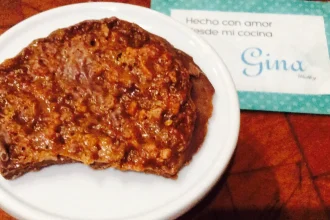
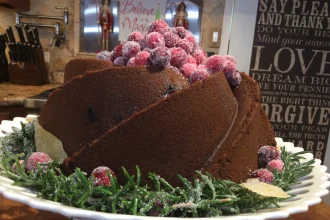
Excelente receta…uno de mis postres favoritos, gracias por compartir!!!!
Sencilla y deliciosa . me salió deliciosa, gracias por los tips.
Quedó mejor de lo que esperaba.
Me sorprendió el sabor esta de ‘Mostachon’ . la hice con los ingredientes que tenía y funcionó perfecto. añadí una ensalada ligera y elevó el sabor .