


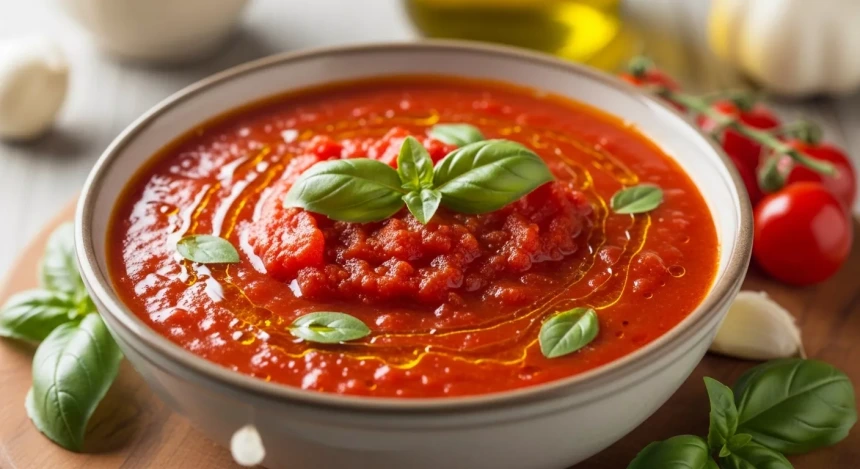
Authentic and Irresistible Marinara Sauce Recipe
Hello! Let's prepare together a marinara sauce that will completely transform your pasta dishes. This recipe captures the essence of Southern Italy: vibrant, red, and with an intense flavor of tomato fresh, without unnecessary complications. It's much faster than ordering takeout and the result is infinitely superior to any supermarket option.
Preparation time
Organization is key in the kitchen. Here's the breakdown so you know exactly how much time you need to set aside for this delight.
- Preparation: 5 minutes
- Cooking: 20 minutes
- Total: 25 minutes
- Servings: 3.5 cups (enough for 500g of pasta)
- Difficulty: Easy
Ingredients
For this recipe, the quality of the ingredients is 90% of the success. Since there are few elements, each one must shine.
- 1 can (28 ounces / 800g) of whole peeled tomatoes (preferably San Marzano D.O.P.)
- 1/4 cup of olive oil extra virgin
- 7 cloves of garlic, peeled and thinly sliced
- 1 small whole dried chili or a pinch of red bell pepper (peperoncino)
- 1 teaspoon kosher salt (or to taste)
- 1 large sprig of basil fresh (with stem)
- 1/4 teaspoon dried oregano (Optional)
Substitutions
If you can't find certified San Marzano tomatoes, look for good quality canned pear or plum tomatoes; they are meatier and have less water. In case you don't have basil fresh, you can rely solely on the oregano, although the fresh aroma is irreplaceable.
Utensils we will use
You don't need sophisticated equipment, but the choice of container is an important technical trick here.
- Large, wide pan (not a deep pot)
- Medium bowl
- Sharp knife and cutting board
- Wooden spoon or spatula
- Your own hands (clean) for crushing
Preparation
Follow these steps carefully. The magic of this sauce lies in managing the temperature and the exact time for the garlic to perfume the oil without burning.
- Preparation of the tomatoes. Pour the canned tomatoes into a medium bowl. With clean hands, crush them into irregular but small pieces. Pour 1 cup of water into the empty can, shake it to collect all residual juices from the tomato and reserve that liquid.
- Oil infusion. Place the large pan over medium heat. Add the olive oil and heat. When the oil is hot, add the slices of garlic.
- The garlic point. This moment is critical: as soon as the garlic starts to sizzle and dance in the oil, without letting it brown (if it burns, it will bitter the sauce), carefully add the crushed tomatoes. Immediately after, incorporate the reserved tomato water.
- Seasoning. Add the dried chili (or flakes), the oregano (if you decide to use it) and salt. Stir gently to integrate everything.
- The herb technique. Place the sprig of basil whole (stem and leaves) on the surface of the sauce, as if it were a floating flower. Let it wilt slightly with the steam and then push it to submerge it in the sauce.
- Cooking and reduction. Maintain cooking over a low but constant heat. The sauce should bubble cheerfully. Cook until the sauce has thickened and you see the oil on the surface acquire an intense orange color. This will take approximately 15 minutes. If you use oregano, taste the sauce at 10 minutes and adjust the salt if necessary.
To finish and serve
Once the sauce has that thick and shiny consistency, remove the pan from the heat. It is essential to fish out and discard the sprig of basil and the whole chili (if you used it), as they have fulfilled their mission of flavoring. Now your sauce is ready to cover a good parmesan chicken breast or simply mix it with your pasta favorite freshly cooked. Serve it hot and enjoy the immediate aroma.
Nutritional Information
Here are the estimated values per serving so you have a clear reference of what you are consuming.
- Calories: 94 kcal
- Proteins: 1 g
- Fats: 8 g
- Carbohydrates: 6 g
- Fiber: 2 g
Note: The values shown are estimates based on available ingredients and standard preparation. They should not be considered a substitute for professional nutritionist advice.
5 keys to make it perfect
As a private chef, I've noticed that small details make the difference between a red sauce and a great marinara. Here I share my secrets.
1. Use a skillet, not a tall pot.
Many make the mistake of using a deep pot. For this quick recipe, we want the water to evaporate quickly to concentrate the flavor of the tomato while cooking. The wide surface of the skillet facilitates this rapid evaporation, achieving a thick texture in less time.
2. Crush by hand.
Forget the blender or food processor. By breaking the tomatoes with your hands, you achieve an unparalleled rustic texture. The blender introduces air and can turn the sauce a pale orange color and foamy texture that we don't want here.
3. Respect for garlic.
The garlic burnt is the number one enemy of marinara sauce. Don't try to brown it; we just want it to «sweat» its flavor into the oil. If you see it turning dark brown, it's better to start over with fresh oil, or your sauce will have a bitter undertone that's difficult to correct.
4. Basil at the end or on top.
The herbs fresh like the basil they are delicate. By adding the whole branch and letting it infuse gently instead of chopping it and boiling it from the start, we extract its essential oils without «cooking» the chlorophyll flavor. It's like making tea inside the sauce.
5. Quality oil.
Since we use a generous amount (1/4 cup), the flavor of the olive oil will be very present. Use one that you like to taste raw; it will provide creaminess and unify the acidity of the tomato.
When is it ideal to enjoy it?
The marinara sauce is the «little black dress» of the kitchen: it combines with almost everything and is perfect for any occasion. It is ideal for those weeknights when time is short but you don't want to sacrifice quality, as it is made in the time it takes for the water of the pasta to boil and cook. It is also fantastic for Sunday family meals, serving as a base for more elaborate dishes like a lasagna classic, bringing freshness between layers of cheese and pasta.
Comparison table
It is common to confuse Italian red sauces. Here I show you how our marinara differs from other popular options.
| Recipe | Key ingredients | Difference/advantage |
|---|---|---|
| Marinara Sauce (This recipe) | Tomato, garlic, olive oil, basil | Quick cooking, no meat, fresh tomato flavor. |
| Bolognese Sauce (Ragù) | Ground meat, soffritto (celery/carrot), wine, milk | Very long cooking (hours), meaty and heavy texture. |
| Pomodoro Sauce | Tomato, onion, basil, medium cook | Softer and thicker, the tomato breaks down more. |
| Arrabbiata Sauce | Tomato, a lot of garlic, peperoncino (chili) | Intensely spicy, it's the «angry» version of marinara. |
| Puttanesca Sauce | Tomato, olives, capers, anchovies | Salty, powerful, and umami flavor, without cheese. |
| Vodka Sauce | Tomato, heavy cream, vodka, onion | Creamy, pink, and more caloric. |
| Amatriciana Sauce | Guanciale (pork), tomato, pecorino cheese | Smoky and fatty flavor due to the cured pork. |
Frequently asked questions (FAQ)
Share your experience
Cooking is for experimenting and sharing. I would love to know how this recipe turned out for you, if you decided to add your personal touch, or what dish you paired it with. Leave your comment and share your own little tricks to inspire other home cooks!
Culinary glossary
To help you navigate the kitchen like a fish in water, here I clarify some terms we used today.
- San Marzano: A variety of tomato Italian, famous for its elongated shape, sweet flavor, and low acidity, considered the gold standard for sauces.
- Reduce: To cook a liquid preparation over low heat so that the water evaporates, thickening the sauce and concentrating its flavors.
- Sear: Although today we are not searing meat, it refers to quickly cooking the surface of a food at high temperature to create a crust.
- Kosher (salt): A type of salt with a coarser grain and no additives like iodine, preferred by chefs because it is easier to control with the fingers when seasoning.
- D.O.P.: Protected Designation of Origin. Certifies that a product (like tomatoes) truly comes from a specific region and follows traditional methods.





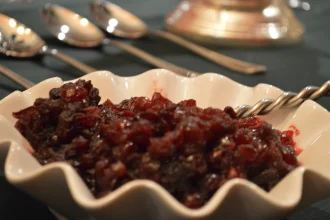
This ‘Marinara Sauce’ turned out better than I expected. It was very yielding and perfect for sharing.
It was delicious at home .
I tried it today. I'll make it again this weekend. It's really worth it. .