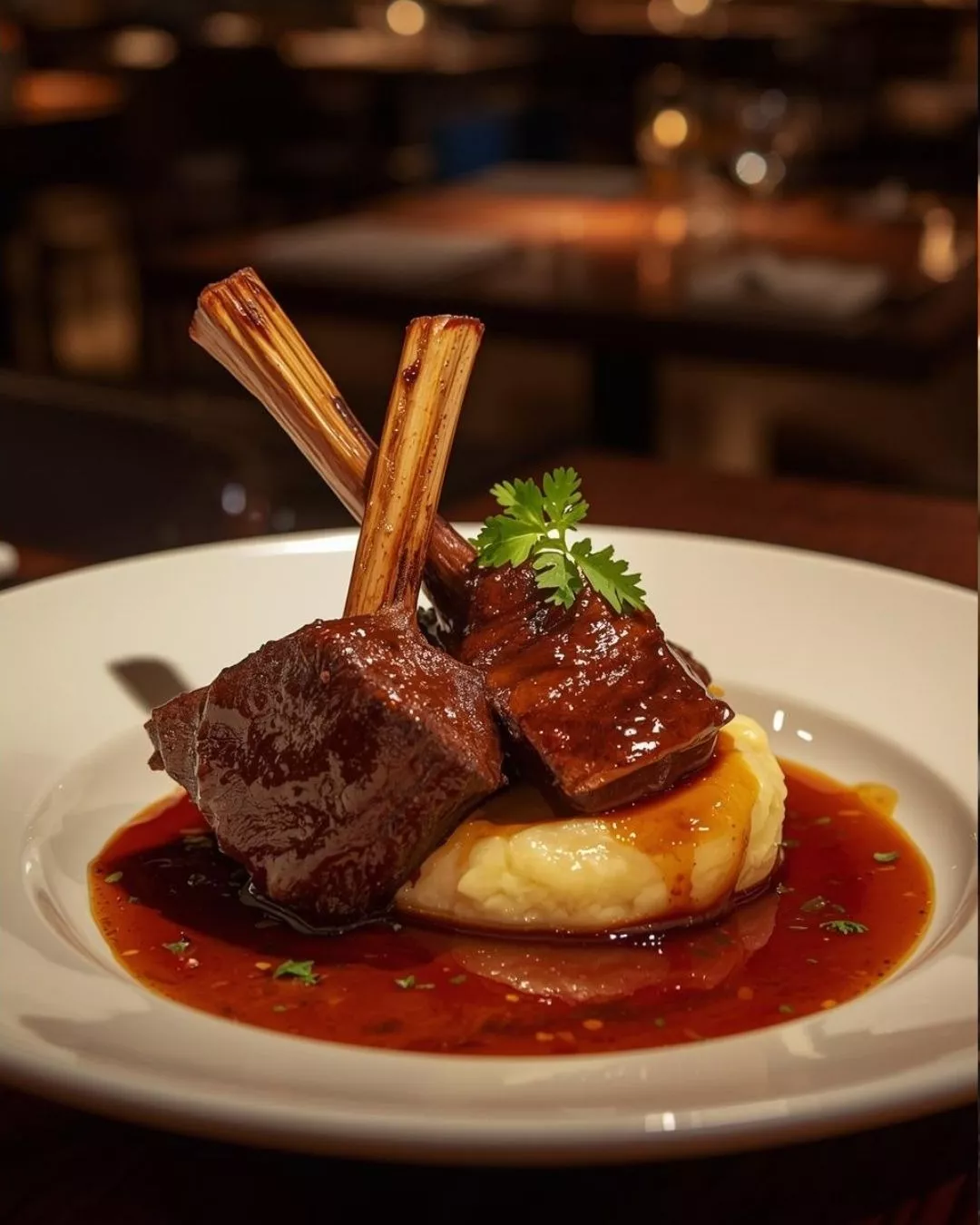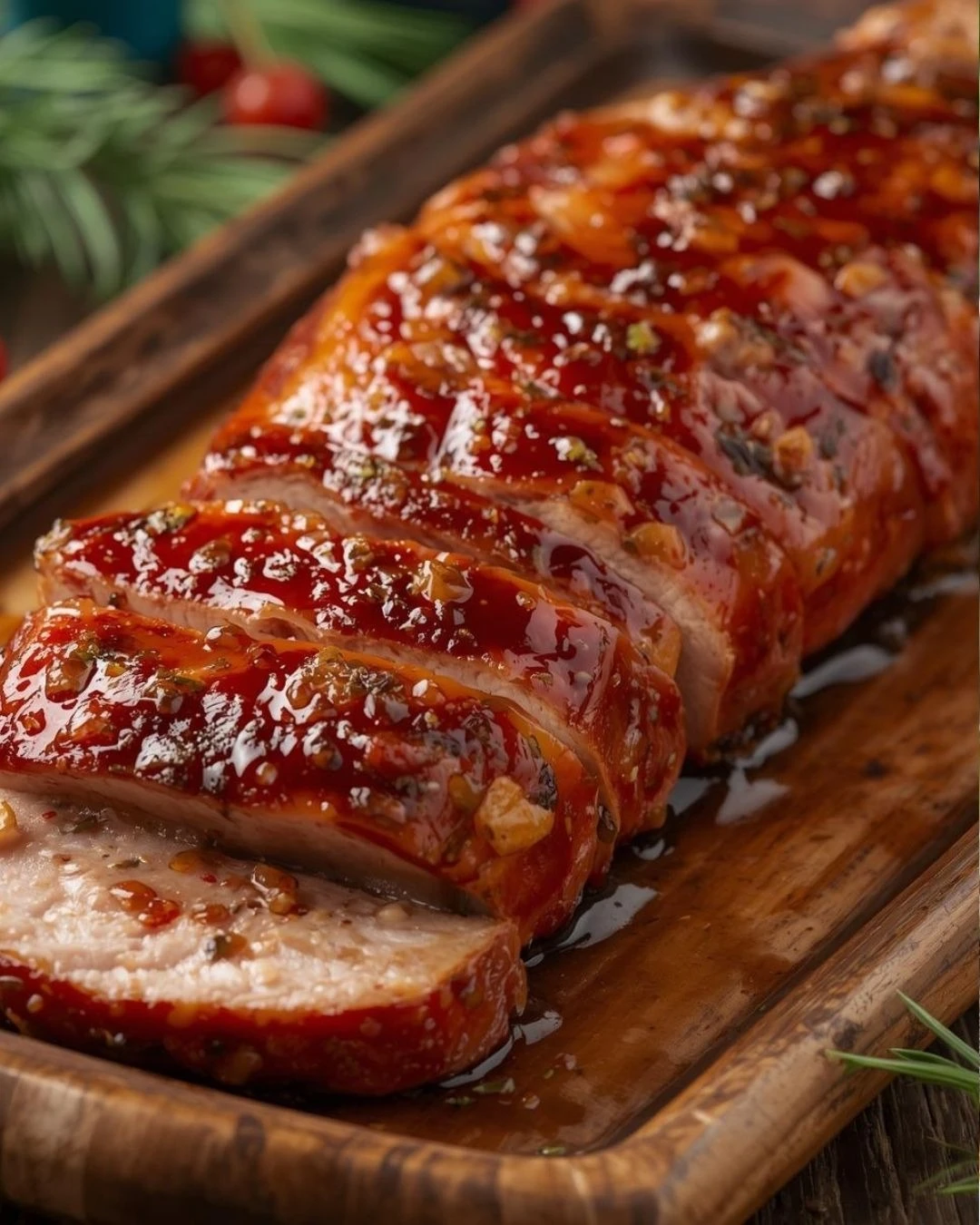


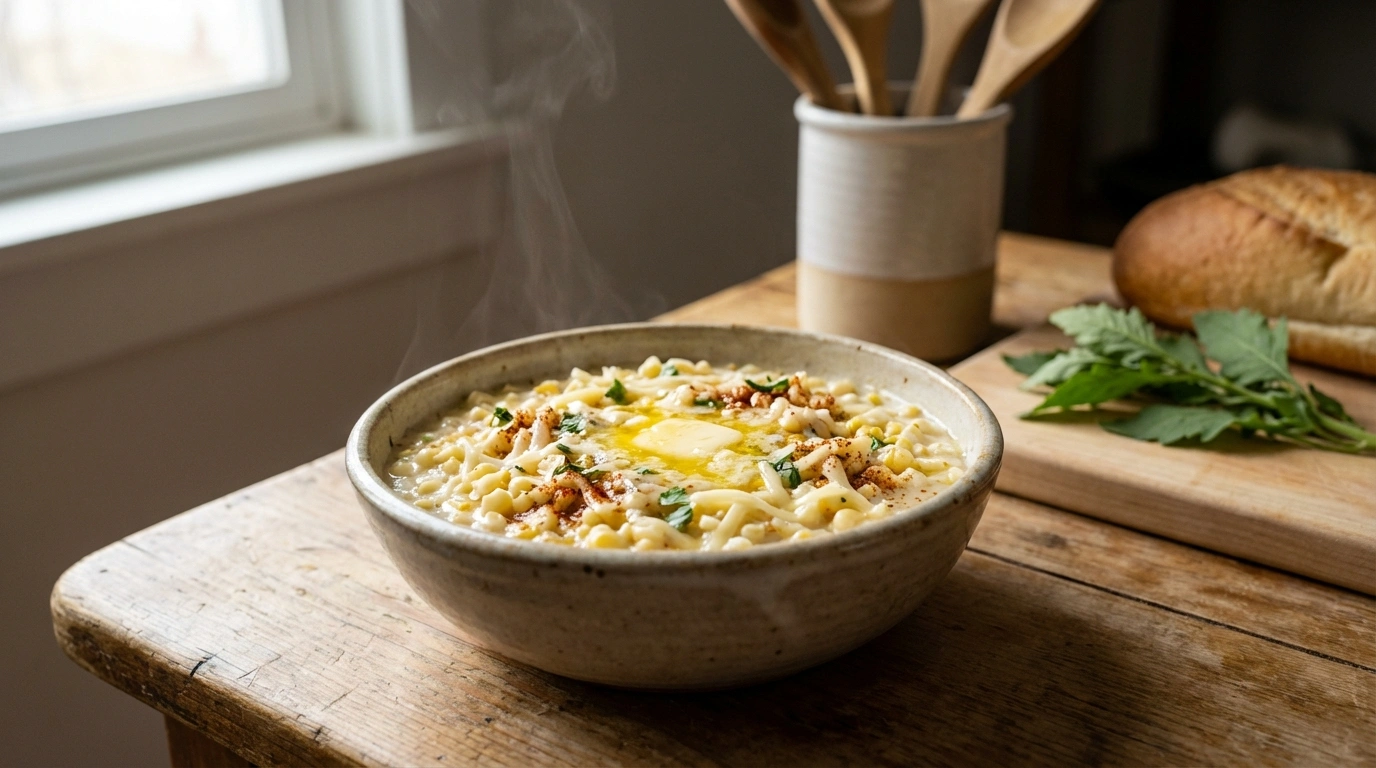

Recipe for Short Rib in Tamarind and Pasilla Sauce over Creamy Cauliflower Puree with Rosemary Oil
Enjoying a dish that combines slow cooking and deep flavors is always a pleasure. This Short Rib in tamarind and pasilla chili sauce is complemented by a smooth and creamy cauliflower puree with rosemary oil, highlighting the essence of Mexican gastronomy with modern and simple touches to prepare at home.
Preparation time
To better organize the preparation of this dish, which requires patience and detail, take into account these key times:
- Preparation: 30 minutes
- Cooking: 3 hours
- Total: 3 hours and 30 minutes
- Servings: 4
- Difficulty: Intermediate
Ingredients
For the short rib
- 1 kg beef short rib
- 1 white onion
- 3 cloves of garlic
- 1 bay leaf
- Salt to taste
- Pepper to taste
- Enough water to cover
For the tamarind and pasilla chili sauce
- 4 dried pasilla chilies
- 1/2 onion
- 1 clove of garlic
- 1 tablespoon piloncillo or brown sugar
- 1/2 cup beef broth
- 1 tablespoon of apple cider vinegar
- 1 tablespoon oil
- Salt to taste
- 2 tablespoons tamarind paste or concentrate
For the creamy cauliflower puree
- 1 medium cauliflower
- 1/2 cup heavy cream
- 50 ml of milk
- 2 tablespoons rosemary oil (olive oil infused with rosemary)
- Salt to taste
- Pepper to taste (optional)
If you can't find pasilla chili, you can substitute it with ancho chili, which also provides a sweet flavor with some intensity. For the puree, if you don't have heavy cream, an alternative is whole milk and a little more butter to achieve the desired creamy texture.
Utensils we will use
- Large pot or Dutch oven with lid
- Skillet
- Cutting board
- Sharp knife
- Strainer
- Blender or food processor
- Wooden spoon or spatula
- Large mixing bowl
- Food processor or mill (optional for the puree)
Preparation
1. Short rib preparation
- Cleaning and seasoning:
- Wash the ribs under the tap to remove any residue and pat dry with paper towels.
- Season generously with salt and pepper on all sides.
- Wash the ribs under the tap to remove any residue and pat dry with paper towels.
- Season generously with salt and pepper on all sides.
- Searing the meat:
- Heat the pot with a little oil over medium-high heat.
- Sear each rib on all sides until it turns a deep golden color; this helps to retain the juices during slow cooking.
- Remove and set aside on a plate.
- Heat the pot with a little oil over medium-high heat.
- Sear each rib on all sides until it turns a deep golden color; this helps to retain the juices during slow cooking.
- Remove and set aside on a plate.
- Prepare the base broth:
- In the same pot, add the whole onion, peeled garlic cloves, and bay leaf.
- Cover with enough water to cover the ribs.
- Add salt and pepper to taste.
- In the same pot, add the whole onion, peeled garlic cloves, and bay leaf.
- Cover with enough water to cover the ribs.
- Add salt and pepper to taste.
- Slow cooking:
- Reintroduce the ribs into the pot.
- Cover and cook over very low heat for 3 hours or until the meat is tender and easily falls off the bone.
- It is essential not to rush this step; the creamy texture is achieved with patience.
- Reintroduce the ribs into the pot.
- Cover and cook over very low heat for 3 hours or until the meat is tender and easily falls off the bone.
- It is essential not to rush this step; the creamy texture is achieved with patience.
2. Tamarind and pasilla chili sauce preparation
- Prepare the chili:
- Lightly roast the pasilla chilies on a griddle or dry pan, just until they brown slightly, to intensify their aroma.
- Remove the seeds to prevent the sauce from being too spicy.
- Place the chilies in hot water for 10 minutes to hydrate and soften them.
- Lightly roast the pasilla chilies on a griddle or dry pan, just until they brown slightly, to intensify their aroma.
- Remove the seeds to prevent the sauce from being too spicy.
- Place the chilies in hot water for 10 minutes to hydrate and soften them.
- Blend the sauce:
- In the blender, add the hydrated chilies, half an onion, a garlic clove, piloncillo or brown sugar, tamarind paste, beef broth, and the tablespoon of vinegar.
- Blend until a homogeneous mixture is obtained.
- Strain to remove any skin or seed remnants, achieving a smooth texture.
- In the blender, add the hydrated chilies, half an onion, a garlic clove, piloncillo or brown sugar, tamarind paste, beef broth, and the tablespoon of vinegar.
- Blend until a homogeneous mixture is obtained.
- Strain to remove any skin or seed remnants, achieving a smooth texture.
- Cook the sauce:
- Heat the oil in a pan over medium heat.
- Pour in the strained sauce and cook for 15 to 20 minutes, until it begins to thicken and gain body.
- Season with salt to taste.
- Heat the oil in a pan over medium heat.
- Pour in the strained sauce and cook for 15 to 20 minutes, until it begins to thicken and gain body.
- Season with salt to taste.
3. Cauliflower puree with rosemary oil preparation
- Prepare the cauliflower:
- Separate the cauliflower into small florets.
- Wash them well to remove dirt or residue.
- Separate the cauliflower into small florets.
- Wash them well to remove dirt or residue.
- Cook the cauliflower:
- Place the florets in a pot with salted water and boil until very tender when pricked, approximately 15 minutes.
- Drain well.
- Place the florets in a pot with salted water and boil until very tender when pricked, approximately 15 minutes.
- Drain well.
- Blend the puree:
- In the blender or food processor, place the hot cauliflower along with the whipping cream and milk.
- Process until a smooth and creamy texture is obtained; if it is too thick, add a little milk.
- In the blender or food processor, place the hot cauliflower along with the whipping cream and milk.
- Process until a smooth and creamy texture is obtained; if it is too thick, add a little milk.
- Season with rosemary oil:
- Add salt to taste and the rosemary oil.
- Mix everything until well combined and the puree is aromatic.
- Add salt to taste and the rosemary oil.
- Mix everything until well combined and the puree is aromatic.
To finish and serve
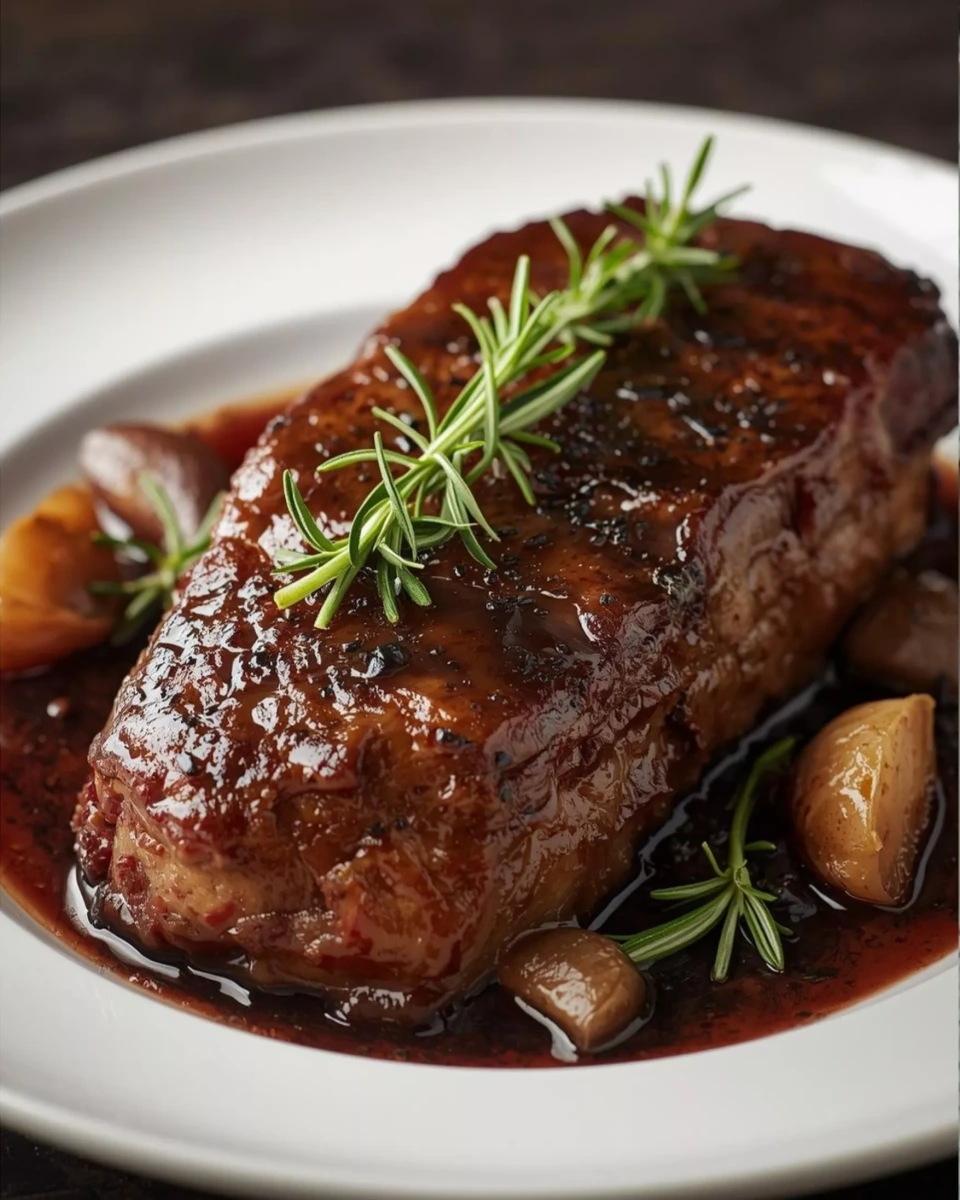
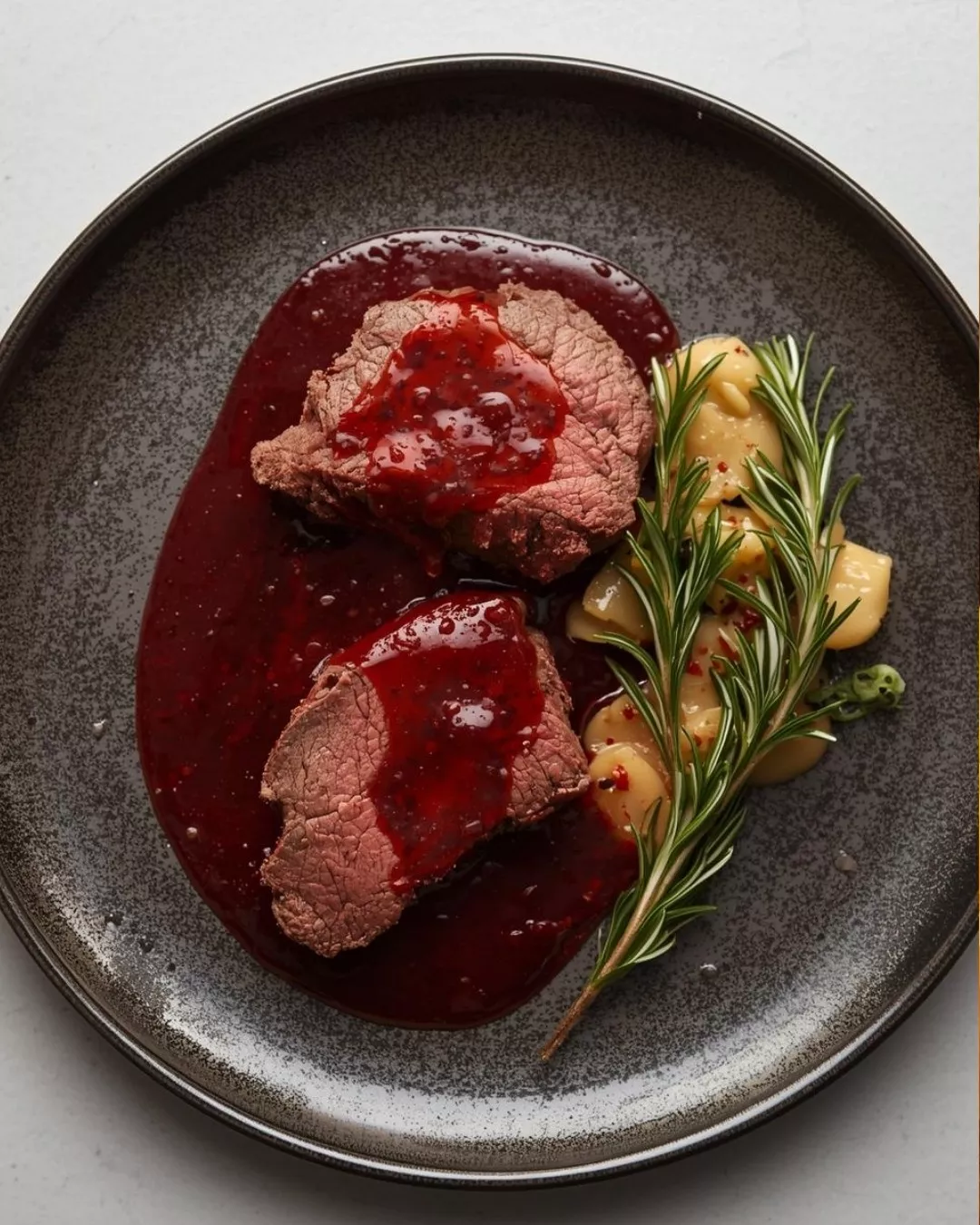
Carefully remove the ribs from the pot and shred them with a fork. Place a base of the creamy puree on the plate, then the shredded meat and generously coat with the tamarind and pasilla sauce so that each bite has a balance of sour and sweet flavors. Finish with an extra drizzle of rosemary oil to enhance the aroma and serve hot. This dish pairs very well with young red wines like this elegant rib-eye.
Nutritional Information
- Calories: 650 kcal
- Proteins: 45 g
- Fats: 30 g
- Carbohydrates: 28 g
- Fiber: 5 g
These values are approximate per serving and may vary depending on cooking techniques and ingredient brands.
5 keys to make it perfect
To achieve a Short Rib in tamarind and pasilla sauce that impresses, it is fundamental to understand certain details that make a difference.
- Patience in slow cooking: Cooking over low heat for several hours allows the short rib to soften, fall apart, and absorb the flavor of the seasonings. Forcing this stage can make the meat tough.
- Proper sealing: Browning the meat over medium-high heat before cooking helps preserve the juices and adds texture and toasted flavor.
- Sauce preparation: Always hydrate the pasilla chilies to soften their flavor and avoid bitterness. Straining the sauce ensures a fine and elegant texture.
- Purée adjustment: The cauliflower purée should be creamy but not liquid. The addition of rosemary oil adds freshness and aroma without masking the main dish.
- Season at the end: Adjust salt and pepper at the end of cooking to prevent them from becoming too concentrated, especially in the sauce.
When is it ideal to enjoy it?
This dish is ideal for special occasions such as family dinners, gatherings with friends, or celebrations where you want to offer a gourmet dish easy to prepare at home but with that elegant and deep touch of flavor. Its slow cooking and intense flavor make it perfect for autumn and winter, when comforting and creamy meals are craved. Furthermore, it is a perfect resource to present on festive dates without complications.
Comparison table
| Recipe | Key ingredients | Difference/advantage |
|---|---|---|
| Short Rib in Tamarind and Pasilla Sauce | Short rib, tamarind, pasilla chili, cauliflower purée, rosemary oil | Sweet and sour sauce complemented with creamy purée, traditional with a modern touch |
| BBQ Ribs Bourbon Glazed | Ribs, bourbon sauce, spices | Sweet and smoky flavor, classic American style |
| Brisket in Wine | Brisket, red wine, spices | Cooked in wine, intense and juicy flavor different from tamarind sauce |
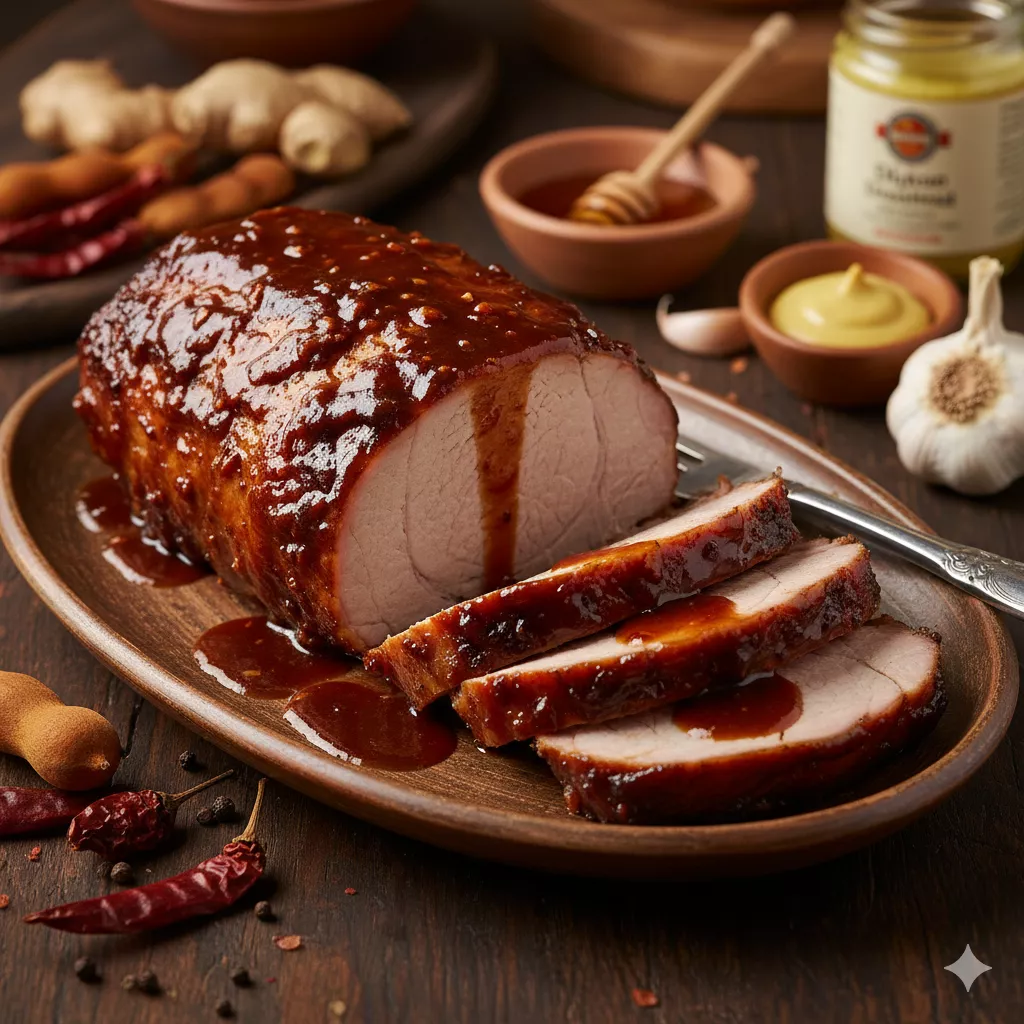
| Pork loin glazed pork with tamarind and pasilla chili | Pork loin, tamarind, pasilla chili | Use of pork instead of beef, similar sweet-spicy flavor |
| Rib-eye whole smoked | Rib-eye, smoking wood, spices | Smooth texture and direct smoky flavor, different cooking and presentation |
| Jalisco-style Birria traditional | Mixed meats, guajillo chili, spices | Preparation in intense broth, different type of chili and flavor |
| Honey and Soy Ribs | Ribs, honey, soy sauce | Sweet-salty flavor, Asian influence in the marinade |
Share your experience
Cooking is for experimenting and sharing. After preparing this Short Rib in tamarind and pasilla chili sauce over creamy cauliflower puree with rosemary oil, we invite you to tell us how it turned out, what details worked best for you, and if you tried any ingredient or technique variations. Sharing your learnings enriches the experience of everyone who enjoys Mexican gastronomy with a homemade and accessible approach.
Culinary glossary
- Short rib (Short rib): Bone-in beef cut, ideal for slow cooking due to its texture and flavor.
- Slow cooking: Technique of cooking food at low temperature for several hours to achieve tenderness.
- Pasilla chili: Dried chili, with a mild flavor, between sweet and slightly earthy, typical of Mexico.
- Cauliflower puree: Creamy preparation that substitutes mashed potatoes, using cooked and mashed cauliflower.
- Rosemary oil: Olive oil infused with fresh rosemary to flavor dishes.