



The aromatic and cultural legacy of Mexican cuisine
When we think of the gastronomy of Mexico, it's impossible not to evoke that immediate explosion of aromas that floods markets and grandmothers' kitchens. It's not simply about mixing ingredients at random, but a millenary heritage that has managed to fuse pre-Hispanic tradition with influences from other continents. The spices are, without a doubt, the common thread that weaves the identity of dishes that are now Intangible Cultural Heritage of Humanity. As we delve into this world, we discover that every powder, seed, or bark tells a story of trade, rituals, and a deep connection with the earth.
It's fascinating to observe how, in the midst of 2026, we continue to value ancestral techniques such as tatemado or the use of the molcajete to release the essential oils of these seasonings. Mexican cuisine does not seek to hide the flavor of the main ingredient, but rather to elevate it through layers of complexity. Here, the seasoning is not an accessory; it is the very soul of the stew. Understanding this is the first step to stop cooking «Mexican-flavored food» and start truly cooking as it is done in this country, respecting the timings and combinations that have endured for centuries.
The fusion of two worlds on your palate
The current richness of our pantry is due to miscegenation. Before the arrival of the Spanish, the Mayan and Aztec civilizations already dominated the use of vanilla, achiote, and an immense variety of chilies. However, the arrival of the Nao de China and trade with Europe introduced ingredients such as cinnamon, the clove and the pepper black, which found a second home in Mexican soil. This integration was so profound that today it is difficult to imagine a mole poblano without the presence of Asian spices or an adobo without the Mediterranean touch of oregano, albeit with its own local variants.
To master these flavors, you must lose your fear of experimenting with intensity. Unlike other cuisines that seek extreme subtlety, here we seek character. A good dish should awaken the senses, and for this, it is vital to know not only which spice to use, but also when to add it. Some require being lightly toasted to awaken, while others, like aromatic herbs fresh ones, should be added at the end to maintain their vibrancy.
The green gold: Epazote and indispensable herbs
If there is one herb that defines the rustic and authentic flavor of the center and south of the country, it is epazote. Many foreigners find it challenging at first due to its potent profile, which oscillates between notes of mint, citrus, and an almost petroleum or turpentine background, but for us, it is irreplaceable. Its use goes beyond flavor; it is the obligatory dance partner for black beans and esquites, not only for the taste it provides but also for its carminative properties that aid digestion. Cooking pot beans without a sprig of epazote is, simply put, leaving the dish incomplete.
But the green spectrum doesn't end there. Hoja santa, also known as acuyo or momo, is another gem that deserves a place of honor. With its large, velvety, heart-shaped leaves, it provides a complex flavor reminiscent of anise and eucalyptus. It is common to use it to wrap tamales or fish, creating a natural package that steams the aroma directly into the protein. Just like when we prepare some garlic mushrooms with herbs, the secret is in balance; these leaves are potent and must be used wisely so as not to overpower the rest of the ingredients.
Cilantro and Pápalo: Pungent freshness
Although the cilantro is not endemic, Mexico adopted it with such fervor that today it is omnipresent in salsas, tacos, and broths. It provides that fresh, lemony note that cuts through the fat of meats like carnitas or barbacoa. However, its wild and truly native «cousin» is pápalo or pápaloquelite. Its leaves, which resemble butterfly wings, have a much more intense and penetrating flavor. It is generally consumed raw at taqueria tables, and it is said to help balance blood pressure and digestion. It is an acquired taste that, once loved, is eagerly sought in every bite.
The color of the earth: Achiote and red magic
Let's travel mentally to the Yucatán peninsula, where the cuisine is tinged with red and orange thanks to achiote. Known as the Mayan condiment, these hard, intensely red seeds come from the Bixa orellana shrub. They are not used alone; their magic happens when they are ground and mixed with citrus (generally sour orange) and other spices to form a paste or recado. The flavor of achiote is earthy, slightly smoky, peppery, and with a very subtle sweet touch. It is the fundamental base of cochinita pibil and tacos al pastor, dishes that are national emblems.
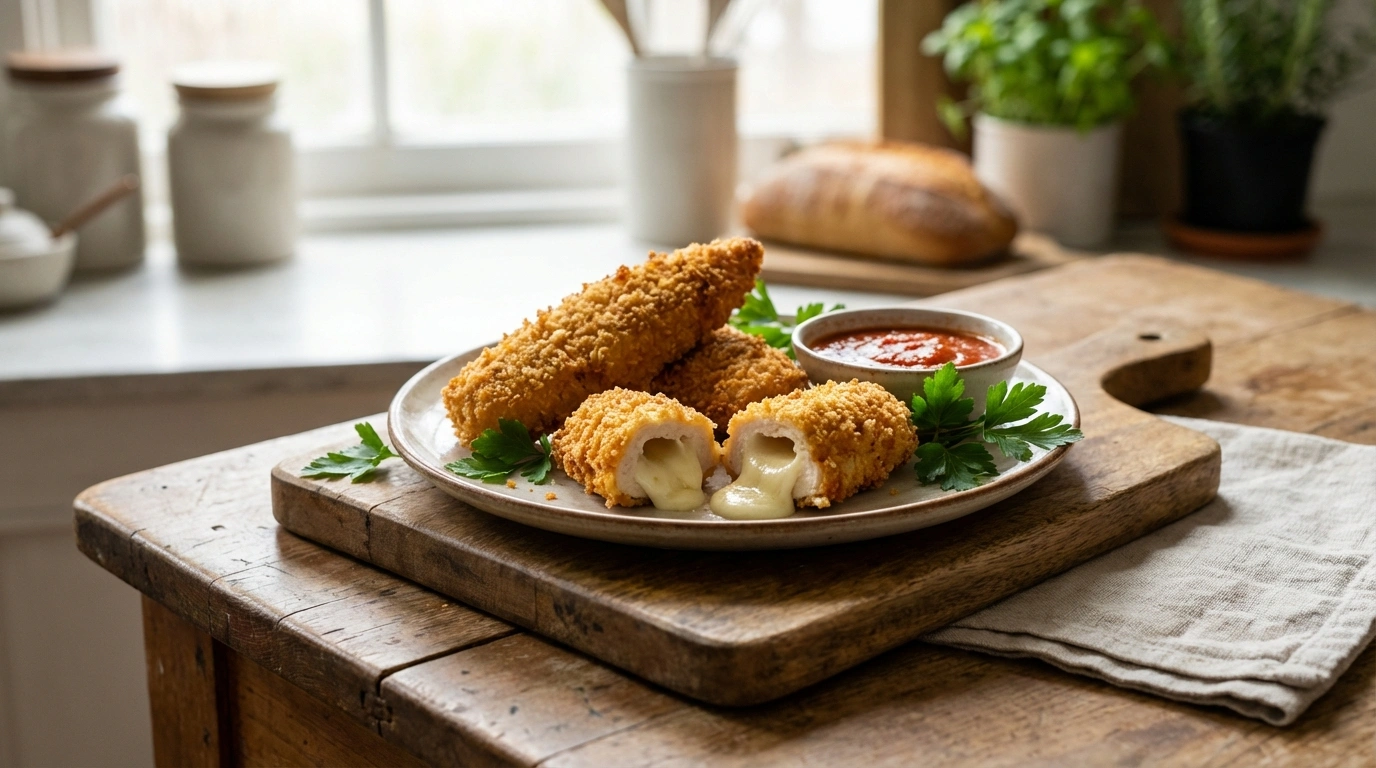
Achiote not only adds flavor but also fulfills a crucial aesthetic function. In our culture, food enters through the eyes, and that vibrant color is a promise of flavor. Additionally, it acts as a natural preservative and meat tenderizer. If you don't have access to ready-made paste, you can make your own mixture by grinding the seeds with garlic, oregano, and vinegar. It is a laborious process, but the result is a marinade that transforms simple chicken or pork into a real feast. You could try this technique in a recipe for marinated chicken strips, substituting cumin with achiote paste to give it a Yucatecan twist.
Sweetness and warmth: Vanilla and cinnamon
We often make the mistake of relegating vanilla and cinnamon exclusively to the world of baking, but in Mexican cuisine, these spices play a vital role in savory dishes. Papantla vanilla, a designation of origin that fills us with pride, is an orchid whose cured fruit offers an unparalleled floral and woody aroma. The Aztecs used it to flavor their cacao drink, xocolatl. Today, adding a few drops of real vanilla extract or scraping a pod into a seafood sauce or a fruity mole brings a sophistication that few ingredients achieve.
On the other hand, the cinnamon we preferably use is the Ceylon variety, known as true cinnamon, which is distinguished by its thin, brittle layers and its sweeter and more complex flavor than the Cassia variety. It is indispensable in café de olla, atoles, and classic desserts like a comforting spiced fruit compote. However, its hidden starring role is in moles and adobos, where it adds warmth and rounds out the spicy flavors of dried chilies, creating a perfect harmony on the palate.
Allspice: The flavor of Tabasco and potent spices
There is a spice that often confuses novices because its flavor seems to be a mix of many others. We are talking about allspice, also called Tabasco pepper, Jamaica pepper, or «allspice» in English. Despite its name, it is not a true pepper (of the genus Piper), but a dried berry from a tree native to Mesoamerica. Its flavor profile combines notes of clove, cinnamon y nutmeg, all in a single small, rough sphere. It is fundamental in Veracruz and Yucatecan cuisine, used in both meat stews and baking.
Alongside it, we find the use of cloves and black pepper. Cloves are extremely potent; their presence must be subtle, barely one or two «cloves» are enough to perfume an entire sauce or a pickle without making it bitter. These «hot» spices are essential for recados and moles. By combining them, we achieve that characteristic depth that makes you close your eyes when you taste the first bite of a well-made stew. If you like to experiment with complex aromatic profiles, I suggest you try how these spices transform simple vegetables, such as in an aromatic roasted cauliflower, where the pre-roasting technique is key.
Cumin and Oregano: The adopted favorites
The cumin is a spice that divides opinions and must be handled with respect. Although it arrived from the Old World, it has become deeply integrated into northern Mexican cuisine and Tex-Mex style dishes. Its flavor is earthy, musky, and very invasive. A common mistake is to overuse it, which ends up overshadowing other ingredients. The key is to use it in moderation and, preferably, to toast the whole seeds before grinding them to soften its aggressiveness and highlight its nutty notes.
For its part, the oregano we use in Mexico is not the same as the typical Mediterranean oregano you put on pizza. Mexican oregano is a different plant (Lippia graveolens), a relative of lemon verbena, which gives it a more citrusy, intense profile with licorice notes. It is the inseparable companion of pozole; rubbing the dried leaves between your hands just before dropping them into the hot broth releases their essential oils in a spectacular way. It is also crucial in pickled jalapeño peppers and carrots, providing that herbal note that balances the acidity of the vinegar.
The Chili: The king of Mexican spices
We cannot talk about spices in Mexico without mentioning the chili, although technically it is a fruit. In its dried version, chili behaves like a spice, providing color, texture, aroma, and, of course, heat. The variety is immense: from the deep and mellow flavor of the ancho chili and the mulato, up to the bright and aggressive heat of the chile de árbol or the unmistakable smokiness of the chipotle and morita chiles. Each one has a distinct personality and a specific use.
The secret to using dried chiles as master spices lies in the pre-treatment: cleaning them, removing the seeds and veins (if less heat is desired), and lightly toasting them on a comal without burning them, as this will make the sauce bitter. Then they are rehydrated in hot water before grinding them. This basic technique is the heart of marinades, moles, and sauces. Capsaicin, the component that provides the heat, not only delights the palate but also releases endorphins, which is why eating spicy food becomes an almost addictive and comforting pleasure.
Techniques and preservation for the modern cook
To get the most out of your Mexican spices, forget the jars that have been in the back of your pantry for years. Spices lose potency over time. The ideal is to buy them whole and in small quantities. A molcajete (volcanic stone mortar) or a coffee grinder dedicated exclusively to spices are vital tools in your kitchen. Grinding pepper, cloves, or cumin just before using them makes an enormous difference in the final result of your dishes.
Finally, remember that cooking is intuition and balance. There is no rigid formula for a mole or a marinade; each family has its «secret.» I invite you to smell, taste, and adjust. If you feel your stew lacks depth, perhaps a touch of nutmeg or an extra pinch of oregano might be the solution. Mexican cuisine is generous and allows for creativity, as long as the essence of its ingredients is respected. Dare to create your own blends and keep this rich and diverse culinary tradition alive.




Thank you very much. How can I log in?
This ‘Spices in Mexico’ looks incredible . it was a total hit with my family.
I prepared it exactly as this one from ‘Spices in Mexico’ . super easy to follow, ideal for beginners.
This ‘Spices in Mexico’ looks incredible . it was very yielding and perfect for sharing. I added a touch of chili and it elevated the flavor.