

Thai Salad Recipe with Peanut Dressing
¡Hola! Vamos a preparar un plato que combina texturas crujientes con un perfil de sabor profundo y muy equilibrado. La esencia de esta preparación radica en la frescura de sus componentes y en una salsa espesa que une todo de manera armónica, dándole un giro interesante a las comidas de todos los días con ingredientes que puedes encontrar fácilmente en el mercado.
El tiempo estimado para tener todo listo es muy accesible para cualquier cocinero en casa. Hablamos de una preparación que toma exactamente 20 minutos de principio a fin. No tenemos tiempo de cocción en el fuego, ya que todos los elementos se consumen en su estado crudo y natural. Por lo tanto, el tiempo total invertido en la cocina será de esos mismos 20 minutos. Con las cantidades que vamos a manejar, obtendrás 4 porciones generosas, ideales para compartir o guardar. La dificultad de esta receta es totalmente sencilla, pensada para que no requieras técnicas complejas ni años de práctica para lograr un resultado excelente.
Entender el propósito de una salad como esta es fundamental para dominar la cocina casera. Muchas veces, los platos basados únicamente en hojas o verduras crudas pueden resultar monótonos o carentes de estructura. El secreto de la cocina inspirada en la gastronomía thaí es precisamente el balance. No se trata solo de mezclar cosas en un tazón, sino de construir capas de sabor. Cada elemento cumple una función técnica y gustativa. La base fibrosa proporciona volumen y resistencia al masticar, lo que genera saciedad y permite que la preparación soporte salsas pesadas sin colapsar ni volverse una masa blanda.
La hidratación de los componentes también juega un papel crucial. Al no aplicar calor, conservamos intacta la estructura celular del repollo y la zanahoria. Esto significa que el agua natural de las verduras se mantiene dentro de ellas hasta el momento de morderlas. Para que esto funcione, el exterior de estas verduras debe estar recubierto por un medio graso y ácido que contraste con esa agua interior. Es aquí donde la técnica de ensamble toma relevancia. Un plato crudo requiere tanta atención al detalle como un guiso de larga cocción. El corte, la temperatura de los componentes y el momento exacto de la mezcla determinarán si obtienes un resultado opaco o brillante.
Cuando trabajamos con preparaciones frías, el frío tiende a apagar un poco los sabores. Por eso, los perfiles aromáticos deben ser ligeramente más pronunciados de lo habitual. La sal, el ácido y el dulzor necesitan estar un tono más arriba cuando los pruebas por separado, porque al unirse con el volumen neutro de los vegetales, todo se equilibra. Este principio te servirá no solo para esta receta, sino para cualquier preparación similar que decidas emprender en tu cocina diaria.
La organización, conocida en el entorno profesional como la puesta a punto, te garantizará cumplir con esos 20 minutos de tiempo total. Si intentas lavar, cortar y medir mientras vas mezclando, el proceso se vuelve caótico. Lo ideal es destinar los primeros diez minutos exclusivamente a dejar todos los insumos limpios, medidos y dispuestos sobre tu mesa de trabajo. Los siguientes diez minutos serán pura ejecución y ensamble. Esta forma de trabajar te da claridad mental y evita errores comunes, como olvidar un ingrediente clave o agregar el doble de sal por distracción.
Al final, lo que buscamos es que te sientas con total confianza en tu propia cocina. Comprender por qué mezclamos ciertos ingredientes te da la libertad de adaptar la receta a tu entorno, a tu clima y a lo que tengas disponible en tu despensa, siempre manteniendo la técnica base que asegura el éxito del plato.
Ingredients
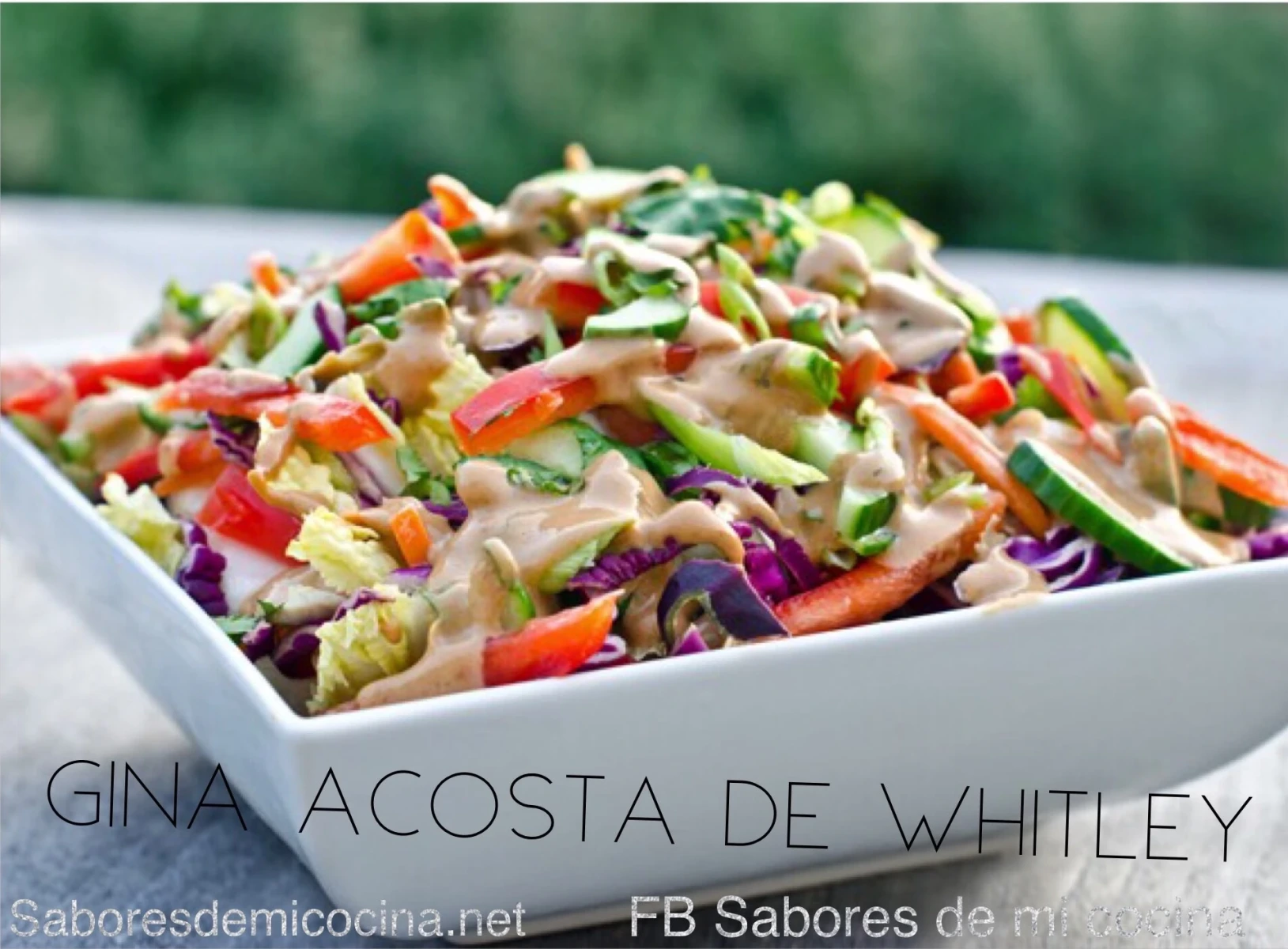
Los insumos de esta receta se dividen en dos grandes bloques: la base vegetal y la salsa que aportará el carácter. Para la base de vegetales, utilizaremos 1 ½ taza de repollo morado, el cual debe estar picado finamente. Este repollo aporta una textura muy firme y un color oscuro que contrasta visualmente con el resto del plato. También necesitaremos 1 ½ taza de repollo verde, igualmente picado finamente. Mezclar ambos tipos de repollo no es solo un tema de color; el repollo verde tiende a ser ligeramente más dulce y con un contenido de agua distinto, lo que genera un contraste sutil pero importante en la mordida.
Continuando con la base, requerimos 2 cebollas cambray, las cuales deben estar bien picadas. De estas cebollas utilizaremos tanto la parte blanca, que aporta un sabor más agudo, como los tallos verdes, que brindan un aroma herbáceo muy particular. Sumaremos 3 zanahorias, que irán ralladas. La zanahoria aporta un dulzor terroso indispensable y su textura rallada permite que se entrelace con los hilos finos del repollo. Además, usaremos ⅓ de taza de cilantro bien picado. El cilantro es un pilar aromático; sus hojas frescas cortan la pesadez de cualquier grasa que añadamos después. Para el toque final de la base, incluiremos cacahuates tostados al gusto. Este cacahuate entero o ligeramente troceado es el responsable del crujido final que hace que el plato sea dinámico.
Para el segundo bloque, que es la salsa, el ingrediente principal es ½ taza de crema de cacahuate. Esta crema actúa como el cuerpo y el aglutinante del dressing. Aportará la grasa necesaria para transportar los sabores por todo el paladar. Necesitaremos también ¼ de taza de vinagre de arroz. Este vinagre tiene una acidez muy suave y un trasfondo ligeramente dulce, ideal para preparaciones en frío. Agregaremos 3 cucharadas de salsa soya, que será nuestra única fuente de sal en la receta y aportará profundidad y color oscuro.
Para perfumar, usaremos 1 cucharadita de aceite de ajonjolí. Es fundamental respetar esta medida pequeña, ya que su sabor tostado es extremadamente invasivo y puede opacar al resto si nos excedemos. Añadiremos 3 cucharadas de jugo de limón para un toque cítrico que corta la grasa de la crema, y 1 cucharada de miel de abeja para equilibrar la acidez y el salado. Para el fondo especiado, integraremos 1 cucharadita de jengibre molido, que da un calor sutil en la garganta. De manera opcional, puedes agregar 2 cucharaditas de sriracha o tu salsa picosa de preferencia si disfrutas de un nivel de picor más elevado.
Si en tu despensa te falta alguno de estos elementos, hay formas sencillas de sustituirlos sin alterar la esencia de la receta. En caso de no contar con vinagre de arroz, puedes reemplazarlo por vinagre de manzana, aunque notarás un perfil un poco más frutal. Si no consigues cebolla cambray, una red onion común picada en cubos muy pequeños hará el trabajo perfectamente. Si la miel de abeja no es una opción, el jarabe de maple o incluso azúcar blanca disuelta previamente en el jugo de limón funcionarán para aportar ese dulzor equilibrante.
Es importante destacar que el jengibre molido puede sustituirse por jengibre fresco rallado. De hecho, si usas jengibre fresco, la preparación ganará mucha más potencia aromática, solo asegúrate de rallarlo muy fino para que no queden fibras molestas en la salsa. El éxito de estos componentes radica en que todos se encuentren a temperatura ambiente, especialmente la crema de maní, para facilitar su integración.
Utensils we will use
Para esta receta utilizaremos herramientas básicas que todos solemos tener en casa. La técnica no exige equipamiento especializado, pero elegir el utensilio correcto para cada paso facilita enormemente el proceso y garantiza que las texturas queden en su punto óptimo.
El primer elemento indispensable es un tazón grande, también conocido como bol. Este recipiente debe ser lo suficientemente amplio como para contener todos los vegetales cortados y dejar al menos una tercera parte de espacio libre hacia el borde. Ese espacio libre es crucial porque nos permite mover y levantar los ingredientes al momento de incorporar la salsa, evitando que todo se derrame sobre la mesa. Si intentas mezclar en un recipiente ajustado al ras, terminarás compactando los vegetales y rompiéndolos, perdiendo la estructura de la preparación. Si no tienes un tazón grande de metal o vidrio, una olla amplia y limpia funciona perfectamente como alternativa casera.
El segundo conjunto vital es una tabla de cortar firme y un cuchillo de chef afilado. La tabla debe ser estable. Un consejo práctico para evitar que la tabla se resbale es colocar un paño húmedo o una toalla de papel mojada debajo de ella; esto genera fricción y la fija a la superficie, dándote total seguridad al cortar. El cuchillo necesita estar bien afilado. Cuando trabajamos con ingredientes como el repollo o el cilantro, un cuchillo sin filo no corta, sino que machaca las fibras. Esto provoca que los vegetales liberen sus jugos en la tabla y se oxiden rápidamente, dándoles un aspecto marchito. Un corte limpio garantiza un vegetal fresh y crujiente por más tiempo.
Para la preparación de la salsa, necesitaremos un tazón pequeño o mediano. En este caso, el tamaño reducido ayuda a que los ingredientes líquidos y espesos se encuentren en un área concentrada, lo que facilita su unión. Junto con este tazón, utilizaremos un batidor de globo pequeño. Las varillas de alambre del batidor son la mejor herramienta para romper la densidad de la crema de maní y forzarla a unirse con los líquidos. Al batir enérgicamente, introduces aire y creas una emulsión estable.
Si no cuentas con un batidor de globo, no te preocupes, hay alternativas. Un tenedor común es la herramienta de reemplazo perfecta. Solo requerirá un poco más de tiempo y movimiento de muñeca para lograr la misma textura homogénea. Otra opción muy práctica en el hogar es usar un frasco de vidrio con tapa hermética (como los de mermelada vacíos). Colocas todos los ingredientes líquidos y la crema dentro, cierras bien y agitas con fuerza durante un minuto. El impacto contra las paredes del frasco hace el mismo trabajo que un batidor.
Finalmente, necesitaremos unas pinzas de cocina o, en su defecto, dos cucharas grandes, y un colador si prefieres lavar tus vegetales bajo el chorro de agua. Las pinzas son ideales para levantar los vegetales desde el fondo del tazón grande, asegurando que la salsa que suele decantar se redistribuya por todas las hojas. Este movimiento de levantar y soltar es mucho más gentil que revolver en círculos con una cuchara de madera, lo cual podría magullar los cortes finos que hemos realizado.
Preparation
El proceso de elaboración se divide en etapas claras para garantizar el orden y la limpieza en tu cocina. Comenzaremos con la etapa dedicada a los vegetales, que requiere atención al detalle en los cortes para asegurar la mejor textura posible.
Paso 1: Lavado y preparación de los vegetales. Lava bajo el grifo el repollo morado, el repollo verde, las zanahorias, las cebollas cambray y el cilantro. Seca todo muy bien con papel absorbente o un paño de cocina limpio. Es vital que no quede humedad residual, ya que el agua repele los medios grasos y diluiría el sabor final. Una vez secos, toma los repollos y retira el corazón duro del centro. Procede a cortarlos en tiras muy finas, de aproximadamente 2 a 3 milímetros de grosor. Este corte delgado permite que la hoja se ablande ligeramente sin perder su resistencia. Pela las zanahorias y rállalas con la parte gruesa de un rallador común. Corta las cebollas cambray en rodajas finas, utilizando tanto el bulbo blanco como el tallo verde. Finalmente, pica el cilantro finamente, incluyendo los tallos tiernos que aportan mucho sabor. Coloca todos estos vegetales en tu tazón grande y reserva.
Paso 2: Elaboración de la salsa agridulce. En el tazón pequeño, vamos a construir el elemento que da cohesión al plato. Comienza colocando la media taza de crema de maní. Si está muy sólida, puedes entibiarla unos segundos para relajarla. Agrega el vinagre de arroz, la salsa soya, el jugo de limón y la miel de abeja. Estos líquidos ayudarán a disolver la pasta. Incorpora el jengibre molido y el aceite de ajonjolí. Si decidiste usar sriracha para un toque spicy, este es el momento de agregarla. Con tu batidor o tenedor, comienza a mezclar desde el centro hacia afuera con movimientos constantes. Al principio parecerá que la mezcla se corta o se separa, pero sigue batiendo hasta que logres una consistencia fluida, brillante y de color uniforme. La señal de punto exacta es cuando levantas el batidor y la salsa cae en un hilo continuo y espeso.
Paso 3: Integración de los componentes. Vierte la salsa recién preparada directamente sobre los vegetables que reservaste en el tazón grande. Utilizando tus pinzas o dos cucharas grandes, comienza a mezclar con movimientos envolventes. Introduce las pinzas por los bordes del tazón, llega hasta el fondo y levanta la mezcla hacia el centro. Repite este movimiento varias veces. Es fundamental que cada tira de repollo y cada hilo de zanahoria quede cubierto por la salsa. Si notas que la mezcla está muy rígida, continúa moviendo un par de minutos; la sal de la soya comenzará a relajar las fibras del repollo, haciendo que el volumen baje ligeramente y todo se integre de forma más natural. No agregues los nuts en este momento.
To finish and serve
Una vez que todos los componentes vegetales están perfectamente cubiertos, prueba un bocado pequeño para verificar el balance. Si sientes que necesita más acidez, unas gotas extra de limón son suficientes; si le falta profundidad, un toque mínimo de soya corregirá el perfil. Justo en el instante antes de llevar el plato a la mesa, esparce los cacahuates tostados por encima e incorpóralos con un par de movimientos suaves. Agregarlos al final asegura que mantengan su textura dura y no se ablanden con la humedad de la salsa. Sirve la preparación inmediatamente, montando porciones altas en platos individuales para darle volumen visual, y acompáñala con fideos de arroz o una proteína a la plancha si buscas un menú más contundente.
Nutritional Information
Entender lo que aporta esta receta nos ayuda a planificar mejor nuestras comidas en casa. Los datos que revisaremos a continuación son valores estimados por porción, calculados considerando que la receta se divide en cuatro partes iguales. No buscamos hacer afirmaciones médicas, sino ofrecerte una visión clara de la composición del plato para que sepas cómo funciona dentro de tu alimentación diaria.
El valor energético aproximado es de 350 kcal por porción. Estas calorías provienen de una combinación muy balanceada de fuentes vegetales. La energía en este plato no es de rápida absorción, lo que significa que proporciona una sensación de saciedad prolongada gracias a la estructura de sus componentes. Las calorías son simplemente la medida de la energía que el alimento nos entrega para realizar nuestras actividades diarias, y en este caso, vienen acompañadas de una alta densidad de nutrientes.
En cuanto a las proteínas, estimamos unos 10 g por porción. Gran parte de esta proteína es aportada por la crema y los trozos de maní, así como por la salsa de soya. Aunque es una cantidad moderada para un plato principal, es una excelente base si decides acompañarla con otra fuente de proteína. Los frutos secos y las leguminosas (como la soya) son ingredientes muy valiosos en la cocina casera porque ofrecen una textura densa y un sabor profundo que eleva la percepción del plato.
El contenido de grasas ronda los 22 g. Es importante detallar que casi la totalidad de estos lípidos provienen de fuentes vegetales, específicamente de los cacahuates y del aceite de ajonjolí. Estas grasas cumplen una función culinaria vital: transportan los compuestos aromáticos del jengibre y el cilantro hacia nuestras papilas gustativas. Sin esta cantidad de grasa, el plato se sentiría acuoso y los sabores desaparecerían rápidamente de la boca. Además, este medio graso ayuda a emulsionar los líquidos, dándole a la salsa esa textura sedosa que cubre cada corte de repollo de manera uniforme.
Los carbohidratos se calculan en unos 25 g por porción. La mayor parte de estos provienen de los repollos, la zanahoria y la miel utilizada en la salsa. Estos vegetales de raíz y hojas densas contienen carbohidratos complejos que se descomponen lentamente. El ligero dulzor de la miel equilibra el perfil agudo del vinagre y la soya, demostrando que en la cocina, los carbohidratos también actúan como reguladores del sabor general.
Finalmente, el aporte de fibra es de aproximadamente 7 g por porción. El repollo crudo es estructuralmente muy fibroso. Esta fibra es la que nos exige masticar varias veces antes de tragar, lo cual ralentiza el proceso de comer y permite disfrutar más los sabores. Al mantener los ingredientes crudos, evitamos que las fibras se rompan por la acción del calor, conservando esa firmeza característica que hace de este plato una opción vibrante y dinámica en el paladar.
5 keys to make it perfect
Para asegurar que esta preparación tenga un resultado óptimo cada vez que la elabores en casa, es fundamental prestar atención a ciertos detalles técnicos. No se trata de pasos extra, sino de comprender cómo se comportan los ingredientes cuando interactúan entre sí.
La primera clave radica en la uniformidad del corte. Cuando picamos el repollo y rallamos la zanahoria, el objetivo no es solo estético. Si tienes trozos muy gruesos mezclados con otros muy delgados, la distribución de la salsa será irregular. Los trozos gruesos sabrán a verdura cruda sin aliño, mientras que los hilos delgados quedarán saturados y salados. Un corte parejo de unos pocos milímetros asegura que cada bocado tenga exactamente la misma proporción de vegetales y salsa. Tómate tu tiempo con el cuchillo; la paciencia en la tabla de picar se traduce directamente en la calidad del resultado final.
La segunda clave es la temperatura y textura del aglutinante principal. La crema de maní puede volverse muy rígida si la guardas en el refrigerador. Intentar emulsionar una cold pasta y dura con líquidos a temperatura ambiente como el vinagre o el jugo de limón resultará en una mezcla grumosa y cortada. Asegúrate de que la crema esté a temperatura ambiente, maleable y suave. Si notas que está muy compacta, colócala en un recipiente resistente al calor y sumérgelo en agua tibia por unos minutos antes de intentar mezclarla. Esto relajará sus grasas naturales y permitirá una unión impecable con los demás elementos.
La tercera clave es la técnica del secado de las hojas. Después de lavar el cilantro y los repollos, retirar toda el agua visible es un paso que no se puede omitir. El agua de lavado actúa como un escudo invisible sobre las hojas. Dado que nuestra salsa tiene un alto contenido de grasa, si encuentra agua en la superficie del vegetal, simplemente resbalará y se irá al fondo del tazón. Usar un paño limpio y seco para presionar suavemente los ingredientes hasta eliminar la humedad superficial asegura que la salsa se adhiera como un barniz sobre cada tira de repollo.
La cuarta clave se enfoca en la frescura y el manejo del elemento crujiente. Los frutos secos, al estar expuestos al aire o a la humedad de la despensa, tienden a perder su firmeza y se vuelven rancios. Para despertar sus aceites esenciales y recuperar su textura quebradiza, un consejo práctico es pasarlos por una sartén seca a fuego medio durante un par de minutos antes de usarlos, moviéndolos constantemente. Este breve paso de calor realza su sabor tostado y garantiza que el contraste de texturas en el plato sea pronunciado y agradable.
La quinta y última clave es el control del tiempo al momento de aderezar. La sal presente en la soya actúa como un agente osmótico, es decir, extrae el agua del interior de las células vegetales hacia el exterior. Si mezclas todo con horas de anticipación, la sal de la salsa deshidratará el repollo y la zanahoria, creando un charco de líquido en el fondo del recipiente y dejando las verduras blandas. Por esta razón, el ensamble final debe ocurrir en los minutos previos a sentarse a la mesa, garantizando así una estructura firme en cada bocado.
When is it ideal to enjoy it?
Este plato brilla en situaciones donde se requiere una preparación ágil, refrescante y con un impacto visual fuerte. Por su naturaleza libre de cocción, es una opción sumamente práctica para los días cálidos o las cenas de verano, donde encender la estufa o el horno resulta incómodo. Su perfil de sabores intensos lo hace perfecto para compartir en reuniones familiares o con amigos, funcionando excelente como un centro de mesa colorido que invita a los comensales a servirse. Además, debido a la firmeza de sus componentes, es una receta que soporta muy bien el transporte. Si mantienes la salsa en un frasco separado, puedes llevar los vegetales cortados al trabajo, a un día de campo o a una celebración al aire libre, y simplemente mezclar todo en el momento, obteniendo un resultado como recién hecho.
Al analizar cómo encaja esta preparación en nuestro repertorio, resulta muy útil realizar una comparativa con otras recetas similares para entender sus ventajas y el momento adecuado para elegir cada una.
Si comparamos nuestra receta base con una clásica ensalada de col tradicional (coleslaw), notaremos diferencias muy marcadas en el perfil de sabor y la ligereza. Mientras que la versión tradicional utiliza mayonesa y azúcar blanca como aglutinantes, generando un perfil lácteo, dulce y pesado, nuestra propuesta se apoya en aceites vegetales, vinagre de arroz y soya. Esto resulta en una ventaja clara: una sensación mucho menos pesada en el estómago, con un retrogusto cítrico y salado que limpia el paladar en lugar de saturarlo. Es ideal cuando buscas acompañar carnes asadas sin sumar pesadez al menú.
Otra excelente comparación se da con preparaciones de la misma región, como la Asian cucumber salad. Ambas comparten el uso de vinagre de arroz y soya, pero difieren profundamente en la textura y el volumen. La preparación a base de pepino es altamente hidratante y de estructura muy frágil, ideal como una entrada ligera que se consume casi como un encurtido rápido. En cambio, nuestro plato, al utilizar repollo y zanahoria, ofrece una ventaja de resistencia. Requiere masticación, genera mayor saciedad y puede sostener el peso de una crema espesa, lo que la convierte en una guarnición mucho más robusta o incluso en un plato principal ligero.
Finalmente, si buscamos opciones con perfiles aromáticos fuertes, podemos observar platos como las Cumin chicken strips with purple cabbage salad. Aquí, aunque se utiliza el mismo vegetal base, la temperatura y la técnica de especiado cambian la experiencia. Las tiritas de pollo aportan calor directo y un perfil terroso y ahumado por el comino. La ventaja de nuestra preparación fría es la inmediatez y el frescor absoluto. No dependemos de coordinar tiempos de cocción de proteínas; todo se prepara en frío, destacando un perfil agridulce y vibrante que resulta sumamente tasty y refrescante sin el tiempo de espera frente al fuego.
Culinary glossary
En el proceso de cocinar en casa, es común encontrarnos con términos que pueden parecer complejos, pero que describen acciones muy sencillas y lógicas. Entender este lenguaje nos da seguridad al interpretar cualquier receta.
Emulsify: Es la acción de unir dos líquidos que por naturaleza no se mezclan, como el agua y el aceite. En nuestra cocina diaria, logramos esto al agitar o batir vigorosamente una grasa (como la pasta de maní o el aceite de ajonjolí) junto con un líquido (como el jugo de lemon o el vinagre). La fuerza mecánica divide la grasa en gotas minúsculas que quedan suspendidas en el líquido, creando una textura cremosa, uniforme y estable que no se separa a simple vista.
Julienne: Se trata de un tipo de corte muy clásico en el que se seccionan los vegetales para obtener tiras alargadas y muy finas, similares a cerillas o fósforos. Es fundamental para ingredientes duros como el repollo o la zanahoria, ya que al cortarlos tan finos, rompemos la rigidez estructural del vegetal, haciéndolo mucho más fácil de masticar crudo y permitiendo que absorba mejor las salsas y aliños que lo acompañan.
Dress: Más allá de ser un simple verbo, significa sazonar y dar carácter a un conjunto de ingredientes, generalmente crudos. Implica recubrir los elementos con una mezcla que contenga sal, acidez, dulzor y grasa. El objetivo es equilibrar los sabores naturales de las verduras para que el resultado final sea armónico. Un buen aliño debe adherirse a los ingredientes sin ahogarlos en líquido.
Cambray: Es un término utilizado para identificar a las cebollas que se cosechan antes de que su bulbo crezca por completo. Se caracterizan por tener un bulbo blanco muy pequeño y tallos verdes largos y tiernos. Su sabor es mucho más suave y menos picante que el de una cebolla madura, lo que las hace perfectas para consumirse crudas en preparaciones frescas sin que su intensidad invada el paladar o deje un retrogusto excesivo.
Toast: Acción de aplicar calor seco a un ingrediente, usualmente semillas, especias o frutos secos, utilizando una sartén sin aceite o la bandeja del horno. Este breve proceso evapora la humedad residual del ingrediente y activa sus aceites esenciales, lo que potencia su aroma natural y devuelve una textura profundamente crujiente que se pierde durante el almacenamiento en la alacena.
Share your experience
La cocina es para experimentar y compartir. Una vez que domines esta base, te darás cuenta de que las posibilidades de adaptación son infinitas según lo que dicte tu paladar. ¡Deja tu comentario y comparte tus propios ajustes! Cuéntanos si cambiaste el tipo de vinagre, si añadiste otra verdura crujiente, o cómo te fue logrando esa textura cremosa perfecta. Aprender de lo que sucede en diferentes cocinas nos enriquece a todos y nos da nuevas ideas para seguir disfrutando del proceso de cocinar en casa.








I was surprised by the flavor of this ‘Thai Salad with peanut dressing’.
Simple and delicious, this ‘Thai Salad with peanut dressing’. I added a touch of lemon and it turned out great.
I prepared it exactly as is. .