
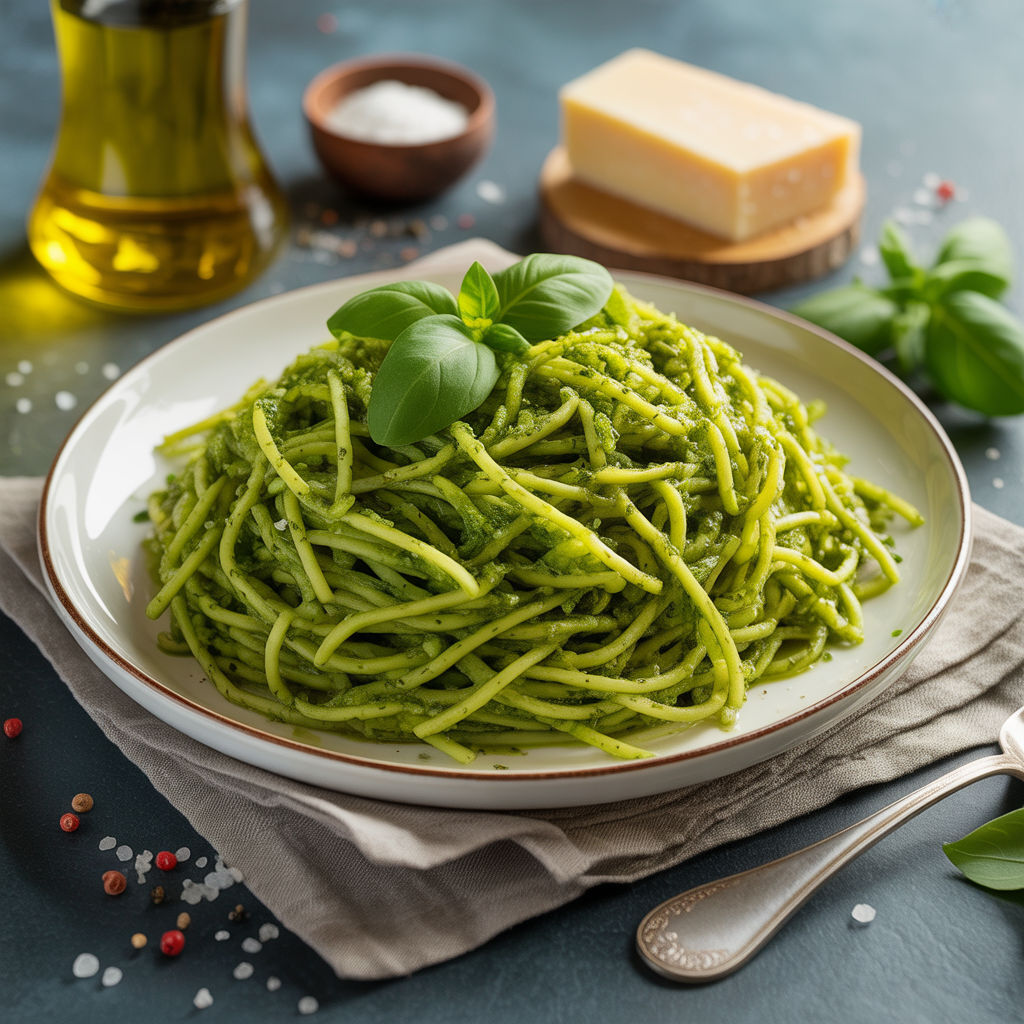
Zucchini Noodle Recipe with Homemade Pesto
Hello! Let's prepare together one of my favorite options for a light and delicious meal. These zucchini noodles with homemade pesto are fresh, full of aroma, and perfect for taking care of yourself without sacrificing flavor. It's a vibrant dish, very Italian in its essence but modern, which you'll have ready in minutes and will make you feel great.
Preparation time
Here's the exact breakdown so you can organize your time in the kitchen without stress:
- Preparation: 15 minutes
- Cooking: 5 minutes
- Total: 20 minutes
- Servings: 2-3 people
- Difficulty: Easy
Ingredients
- 2 large zucchinis, preferably long and firm
- Water for boiling
- Salt to taste
- 1 cup fresh basil
- 1/2 cup pine nuts
- 1/2 cup grated cheese (can be Parmesan)
- 3 tablespoons extra virgin olive oil
- 1 clove of garlic
- Pepper to taste
Optionals
- Chili flakes (optional for a spicy touch)
If you don't have pine nuts, you can replace them with walnuts or peeled almonds. If you make this change, I suggest lightly toasting the walnuts or almonds in a dry pan for a couple of minutes to awaken their essential oils before processing them.
Utensils we will use
- Medium pot for boiling water
- Pasta strainer
- Blender or food processor
- Large frying pan
- Vegetable spiralizer (or a grater / potato peeler if you don't have one)
- Kitchen knife and cutting board
- Bowl or medium bowl
- Spatula or wooden spoon
Preparation
For the pesto
- Washing and preparation of leaves. Wash the basil leaves under the tap with cold water and dry them very well with kitchen paper or a lettuce spinner. It is vital that they are dry so that the pesto does not become watery.
- Process the dry ingredients. In the blender or food processor cup, first place the peeled garlic clove, pine nuts, and grated cheese.
- Incorporate the basil and liquids. Add the fresh basil leaves, a pinch of salt, pepper to taste, and the 3 tablespoons of extra virgin olive oil.
- Mix until emulsified. Process at medium speed until a homogeneous and creamy sauce is obtained. If you notice it's struggling to blend, you can stop, scrape down the sides with a spatula, and process again. Adjust the salt if you deem it necessary.
For the zucchini noodles
- Make the noodles. Wash the zucchini well and cut off the ends. Using a spiralizer, turn the zucchini into long strips or ‘zoodles’. If you use a grater or peeler, make long strips along the vegetable.
- Boil the water. Place the pot over high heat with water and a little salt. Wait for it to come to a vigorous boil.
- Blanch the noodles. Introduce the zucchini noodles into the boiling water. Cook for only 2-3 minutes. We are looking for them to be tender but firm, not mushy.
- Drain and stop cooking. Carefully pour the noodles into the colander and immediately run them under cold water or submerge them in a bowl with water and ice. This stops the cooking and maintains that bright green color. Drain off any excess water very well.
To finish and serve
Heat the pan over medium heat with a drop of oil. Sauté the drained noodles for just a minute to warm them up. Add the pesto we prepared and mix with enveloping movements until each noodle is coated with that salsa verde and aromatic. Serve immediately in deep plates. You can decorate with a little more grated cheese on top or some whole pine nuts for a crunchy texture. Enjoy this recipe!
Nutritional Information
- Calories: 200 kcal
- Proteins: 8 g (estimated)
- Fats: 18 g (estimated)
- Carbohydrates: 6 g (estimated)
- Fiber: 3 g (estimated)
Note: Nutritional values are approximations per serving and may vary depending on the specific brands of ingredients used, especially cheese and oil.
5 keys to make it perfect
Making this recipe simple dish shine like a restaurant meal depends on small details. Here I share my secrets to elevate these noodles:
1. The freshness of the basil is non-negotiable.
The soul of a good pesto homemade resides in its leaves. Avoid basil that is wilted or has black spots. If you can, buy the whole plant and cut the leaves just before preparing the sauce. When washing them, make sure to dry them gently but thoroughly; residual water dilutes the intense flavor of the oil and herb.
2. Lightly toast the pine nuts.
Although the base recipe uses raw pine nuts, a chef's trick is to toast them in a dry pan over low heat for 2 or 3 minutes, moving them constantly. This releases the natural oils from the nut and adds a much deeper and more complex nutty flavor to the final pesto.
3. Control the moisture of the zucchini.
The zucchini is a vegetable with very high water content. After blanching and cooling them, take an extra moment to drain them well. If the noodle releases too much water on the plate, the pesto will dilute and lose its creamy texture. You can even gently dry them with paper towels before mixing them with the sauce.
4. The cheese cut matters.
If you have the possibility, buy a whole piece of cheese and grate it yourself on the spot. Pre-grated cheeses often contain anti-caking agents that can affect the sauce's texture. Freshly grated cheese melts and integrates better with the oil and basil, creating a silkier emulsion.
5. Do not cook the pesto.
Pesto is a raw sauce. Never add it to the pan while the heat is very high or for too long. Excessive heat oxidizes the basil, turning it dark and bitter. The key is to mix it with the hot noodles off the heat or with residual heat, just to warm it.
When is it ideal to enjoy it?
This dish of noodles vegetables is a culinary chameleon, but it shines especially on certain occasions. It is the perfect choice for summer or spring lunches, when the body craves fresh and light food that doesn't leave you feeling heavy to continue with your day. Being a dish healthy and low in carbohydrates, it is ideal for weeknight dinners where you seek to nourish yourself well without complications.
It is also a fantastic option to surprise at gatherings with friends who follow specific diets, whether vegetarian or gluten-free (keto friendly). In this 2026, where we prioritize both well-being and energy, serving a colorful dish full of vitamins demonstrates care and attention towards your guests. It works very well as a first course before a fish or as a single dish if you add some extra protein.
Comparison table
Sometimes we can get confused with so many options of pasta and vegetables. Here I show you how our main recipe compares with other popular alternatives so you can choose the best option according to your craving.
| Recipe | Key ingredients | Difference/advantage |
|---|---|---|
| Zucchini noodles with pesto (Main) | Zucchini, basil, pine nuts, cheese | Very low in carbohydrates and crispy texture |
| Pesto Pasta Genoese | Wheat pasta, basil, pine nuts, cheese | More caloric and heavy, traditional flavor |
| Pasta Primavera with vegetables | Short pasta, broccoli, carrot, cream | Includes creamy dairy and variety of cooked vegetables |
| Caprese Salad with Pasta | Cold Pasta, tomato, mozzarella, basil | Served completely cold, ideal for picnic |
| Zucchini Noodles with Tomato Sauce | Zucchini, marinara sauce, oregano | More acidic and red flavor, without nuts |
| Zucchini Lasagna | Zucchini slices, meat/ricotta, tomato | Baked dish, much more elaborate and long time |
| Carrot Spaghetti with Pesto | Carrots, pesto, seeds | Harder texture and sweeter flavor than zucchini |
Frequently asked questions (FAQ)
Share your experience
Cooking is for experimenting and sharing. I'd love to know how these noodles turned out for you. Did you dare to swap the pine nuts for walnuts? Did you add a spicy touch? Leave your comment below and share your own little tricks to enrich our community!
Culinary glossary
- Spiralizer: Kitchen utensil designed to cut firm vegetables into long, thin strips, mimicking the shape of spaghetti.
- Emulsify: Process of mixing two liquids that normally do not easily combine (such as basil water and oil) to create a creamy sauce and unified.
- Blanch: Brief cooking technique in boiling water, followed by rapid cooling, used to slightly soften the food without fully cooking it.
- Rectify: To taste the preparation almost at the end and adjust the seasonings (salt, pepper, acidity) to balance the flavor.
- Al dente: Term Italian that describes the cooking point of pasta or vegetables when they are tender on the outside but retain some firmness when bitten.

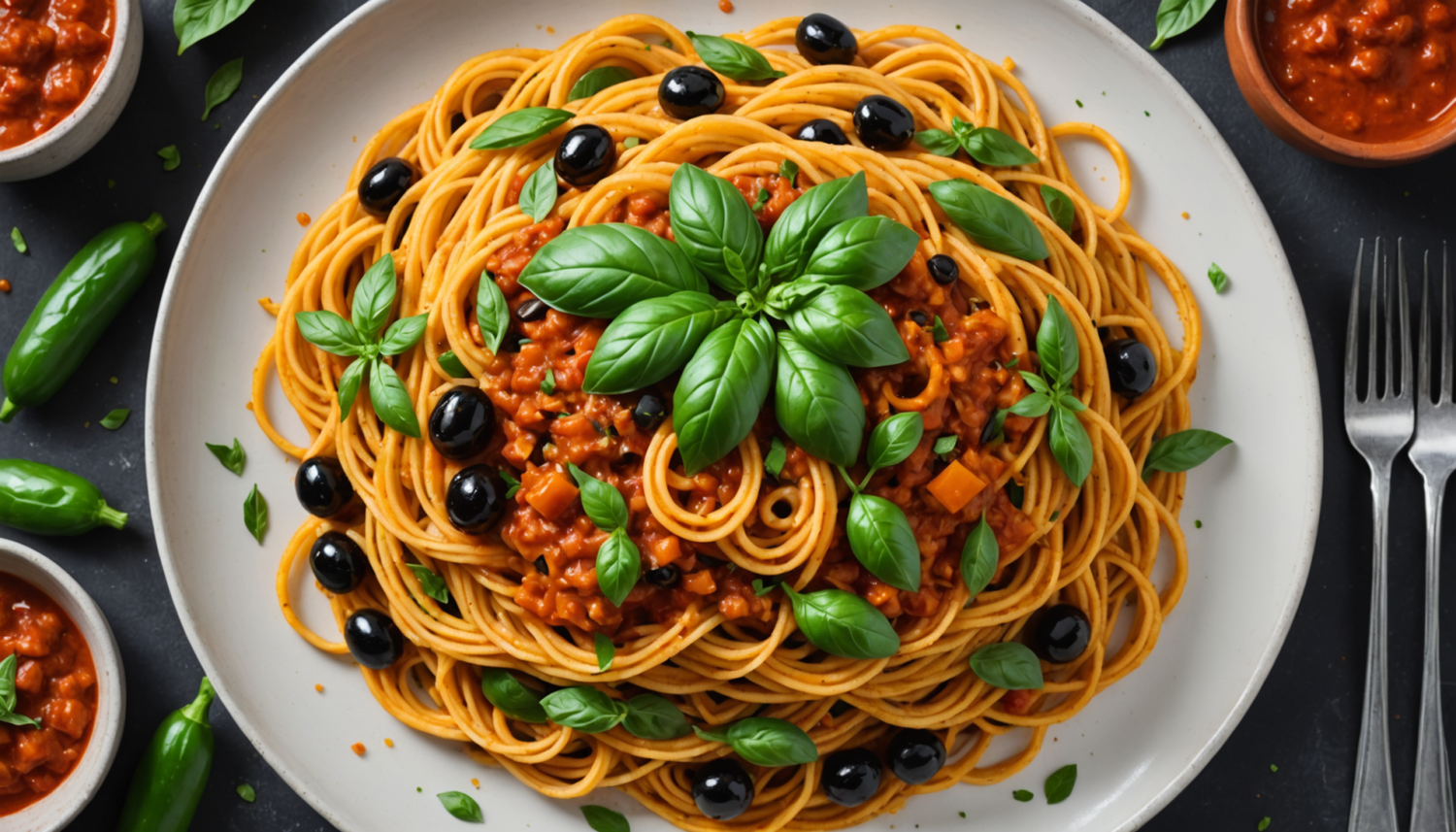
I prepared it exactly as ‘Zucchini noodles with homemade pesto’. It was a total success with my family. We all loved it.
Perfect for sharing this ‘Zucchini noodles with homemade pesto’. I made it for dinner and everyone was happy. Next time I will make it with cherry tomatoes.