
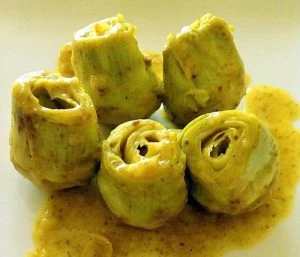
Artichokes in White Wine Recipe
Hello! Let's prepare one of those recipes that make you look good without complicating your life. This recipe artichoke with white wine recipe is pure Spanish cuisine: simple, full of flavor and perfect for taking advantage of seasonal vegetables. The result is a tender and aromatic dish that comforts the body.
Preparation time
Getting organized is key in the kitchen, and for this stew, the most important thing is cleaning the vegetables. Here are the estimated times:
- Preparation: 20 minutes
- Cooking: 25 minutes
- Total: 45 minutes
- Servings: 4 people
- Difficulty: Intermediate (due to artichoke cleaning)
Ingredients
For this dish to shine, we need fresh produce. Don't complicate things, these are items we usually have in the pantry to achieve that authentic and traditional flavor.
- 8 fresh artichokes (medium or large)
- 3 cloves of garlic
- 150 ml of white wine dry
- 1 lemon (juice and half for rubbing)
- 1 tablespoon of wheat flour (optional, for thickening)
- 4 tablespoons extra virgin olive oil
- 1 sprig of fresh parsley
- Salt to taste
- Ground black pepper
- Water (as needed)
If you can't find fresh artichokes, you can use canned or frozen artichoke hearts, although the cooking time will be much shorter (about 10 minutes). If you are a lover of this vegetable, you will surely love to try this too spinach and artichoke dip which is a delight.
Utensils we will use
We don't need sophisticated equipment, just the basics you have in your everyday kitchen.
- Cutting board
- Sharp kitchen knife (paring or chef's knife type)
- Large bowl (for the lemon water)
- Wide pot or deep pan with lid
- Wooden spoon or spatula
- Manual juicer (or your own hands for the lemon)
Preparation
The secret to good artichokes is to clean them fearlessly. Let's go step by step so they turn out perfect and without tough leaves.
- Prepare the acid bath
- Fill the large bowl with cold water.
- Squeeze the lemon juice into the water and also add the squeezed peels. Add a sprig of parsley (grandma's trick to boost the antioxidant). This will prevent the artichokes from turning black when cut.
- Fill the large bowl with cold water.
- Squeeze the lemon juice into the water and also add the squeezed peels. Add a sprig of parsley (grandma's trick to boost the antioxidant). This will prevent the artichokes from turning black when cut.
- Clean the artichokes
- Remove the outer leaves with your hands. You should be generous in removing leaves until you see that the base has a pale yellow and tender color.
- Cut off the tip of the artichoke (approximately 2-3 cm) to remove the thorny or hard parts of the remaining leaves.
- Peel the stem with a knife, removing the fibrous green layer until the white center is left. Do not cut it, the stem is delicious.
- Cut the artichoke in half or in quarters, depending on the size, and remove the central fuzz if it has any.
- Immediately, submerge the pieces in the bowl with water and lemon.
- Remove the outer leaves with your hands. You should be generous in removing leaves until you see that the base has a pale yellow and tender color.
- Cut off the tip of the artichoke (approximately 2-3 cm) to remove the thorny or hard parts of the remaining leaves.
- Peel the stem with a knife, removing the fibrous green layer until the white center is left. Do not cut it, the stem is delicious.
- Cut the artichoke in half or in quarters, depending on the size, and remove the central fuzz if it has any.
- Immediately, submerge the pieces in the bowl with water and lemon.
- Sauté the aromatics
- Peel and chop the garlic cloves into thin slices or very small pieces, according to your taste.
- Place the pot over medium heat with the olive oil.
- Add the garlic and let it dance and brown gently without burning (if they burn, they become bitter).
- Peel and chop the garlic cloves into thin slices or very small pieces, according to your taste.
- Place the pot over medium heat with the olive oil.
- Add the garlic and let it dance and brown gently without burning (if they burn, they become bitter).
- Cook the vegetable base
- Drain the artichokes well from the water and dry them a little with kitchen paper to prevent splashing.
- Add them to the pot with the garlic. Turn up the heat a little and sauté for 3-4 minutes so they brown slightly and absorb flavor.
- Add salt and pepper to taste.
- Drain the artichokes well from the water and dry them a little with kitchen paper to prevent splashing.
- Add them to the pot with the garlic. Turn up the heat a little and sauté for 3-4 minutes so they brown slightly and absorb flavor.
- Add salt and pepper to taste.
- Create the white wine sauce
- If you decide to use flour for a thicker sauce, sprinkle it now over the artichokes and stir for 1 minute so that the flour cooks and loses its raw taste.
- Pour the white wine. Turn the heat to maximum for 2 minutes so that the alcohol evaporates and only the aromatic essence remains.
- Add a splash of water (or vegetable broth if you have some) until half of the artichokes are covered.
- If you decide to use flour for a thicker sauce, sprinkle it now over the artichokes and stir for 1 minute so that the flour cooks and loses its raw taste.
- Pour the white wine. Turn the heat to maximum for 2 minutes so that the alcohol evaporates and only the aromatic essence remains.
- Add a splash of water (or vegetable broth if you have some) until half of the artichokes are covered.
- Slow cooking
- Lower the heat to medium-low, cover the pot and let cook for 15 to 20 minutes.
- The exact time will depend on the size and freshness of the vegetable. They will be ready when, upon piercing the heart with the tip of a knife, it goes in smoothly as if it were butter.
- Lower the heat to medium-low, cover the pot and let cook for 15 to 20 minutes.
- The exact time will depend on the size and freshness of the vegetable. They will be ready when, upon piercing the heart with the tip of a knife, it goes in smoothly as if it were butter.
To finish and serve
Once the artichokes are tender and the sauce has reduced to your liking, remove from heat. Sprinkle fresh chopped parsley on top for color and freshness. Serve immediately, very hot. You can accompany them with some diced Serrano ham on top if you want a salty contrast, or simply with a good piece of bread to dip in that wonderful sauce. If you have leftover parsley or are looking for fresh ideas to accompany, an orzo, chicken and artichoke salad can be an excellent inspiration for using similar ingredients.
Nutritional Information
This dish is an excellent example of healthy and light, ideal for maintaining balance in our daily diet.
- Calories: 180 kcal
- Proteins: 4 g
- Fats: 10 g
- Carbohydrates: 12 g
- Fiber: 6 g
Note: Values are approximate estimates per serving and may vary depending on the size of the artichokes or the amount of oil used.
5 keys to make it perfect
Sometimes, small details make the difference between a normal dish and a spectacular one. Here are my secrets for this stew.
- Freshness rules: When buying, squeeze the artichoke. If the leaves crunch or «sing» when pressed, it's fresh. If it's soft, the result will not be the same.
- Don't throw away the stems: Many people cut them and throw them away, but the inside of the stem is the sweetest and most tender part of the plant. Just make sure to peel them well.
- The flour tip: Using a teaspoon of flour (a technique called velouté quick) helps to bind the wine and oil sauce, preventing them from separating on the plate.
- Avoid oxidation: Don't delay between peeling and placing in lemon water. Artichokes oxidize (turn black) in a matter of minutes upon contact with air.
- Quality wine: Don't use a «cooking» wine that you wouldn't drink in a glass. If the wine is bad, the stew will have an acidic or flat aftertaste. A Verdejo or a Sauvignon Blanc work great.
If you're interested in learning more about how wine transforms dishes, I recommend taking a look at this authentic Italian recipe where wine plays a fundamental role.
When is it ideal to enjoy it?
Artichokes in wine sauce are incredibly versatile. In this 2026, where we seek to return to nature, this dish fits perfectly as a light weeknight dinner because it is digestive and comforting. It also works wonderfully as a first course for a Sunday family meal or even as an elegant side dish for a baked fish.
Being a stew vegetable, it's not heavy. It's ideal for transition seasons, like autumn or spring, when the body craves something warm but not excessively caloric. If you're planning a complete menu and are looking for a cold starter to contrast, you could consider some ham, mango, and arugula rolls before serving this hot dish.
Comparison table
It's normal to confuse certain preparations or look for variations. Here I help you differentiate this recipe from other popular options.
| Recipe | Key ingredients | Difference/advantage |
|---|---|---|
| Artichokes in White Wine (This recipe) | Artichoke, white wine, garlic | Light and aromatic sauce, ideal for dipping bread. |
| Artichokes with Ham | Artichoke, Serrano ham, onion | Saltier and with animal protein contribution. |
| Jewish-style Artichokes | Artichoke, potato, broth | It's a more soupy and hearty stew. |
| Baked Artichokes | Artichoke, oil, pepper | Drier and crispier texture, without sauce. |
| Roman-style Artichokes | Artichoke, spearmint, parsley | Typical of Italy, long cooking in oil and water. |
| Artichoke Cream | Artichoke, cream/milk, potato | Crushed texture, eaten with a spoon. |
| Battered Artichokes | Artichoke, egg, flour, oil | Crispy fried, more caloric. |
For those who enjoy trying different textures and sauces, experimenting with a Greek yogurt dip can be a fresh alternative to accompany artichokes if you decide to bake or fry them instead of stewing them.
Frequently asked questions (FAQ)
Share your experience
Cooking is for experimenting and sharing. I'd love to know how these artichokes turned out for you. Did you add your own touch? Perhaps a little chili pepper for some spice or some toasted pine nuts at the end. Leave your comment and share your own little tricks! I'm very excited to read how each household adapts the recipe.
Culinary glossary
- Heart: The central and inner part of the artichoke, the most tender and valued, which remains after removing all the hard outer leaves.
- Oxidation: A chemical reaction that occurs when the inside of the artichoke comes into contact with air, turning dark brown. It is prevented with acid (lemon).
- Sauté: To cook a food slowly in fat (oil) without letting it brown excessively, so that it releases its juices.
- Reduce: To boil a sauce or liquid over high heat so that the water evaporates, thus concentrating the flavor and thickening the texture.
- Sear: To briefly cook the surface of a food over high heat to create a crust and keep the juices inside, although with vegetables it is used to impart a toasted flavor.



Highly recommended recipe, exquisite and very healthy, at this time white wine is also very cheap in the lidl brochures so there's no excuse not to eat healthy
Very practical and tasty this ‘Artichokes in White Wine’. it saved me time and was delicious.
This ‘Artichokes in White Wine’ was delicious at home. I made it with the ingredients I had and it worked perfectly. highly recommended.
Impeccable texture and flavor this ‘Artichokes in White Wine’.