


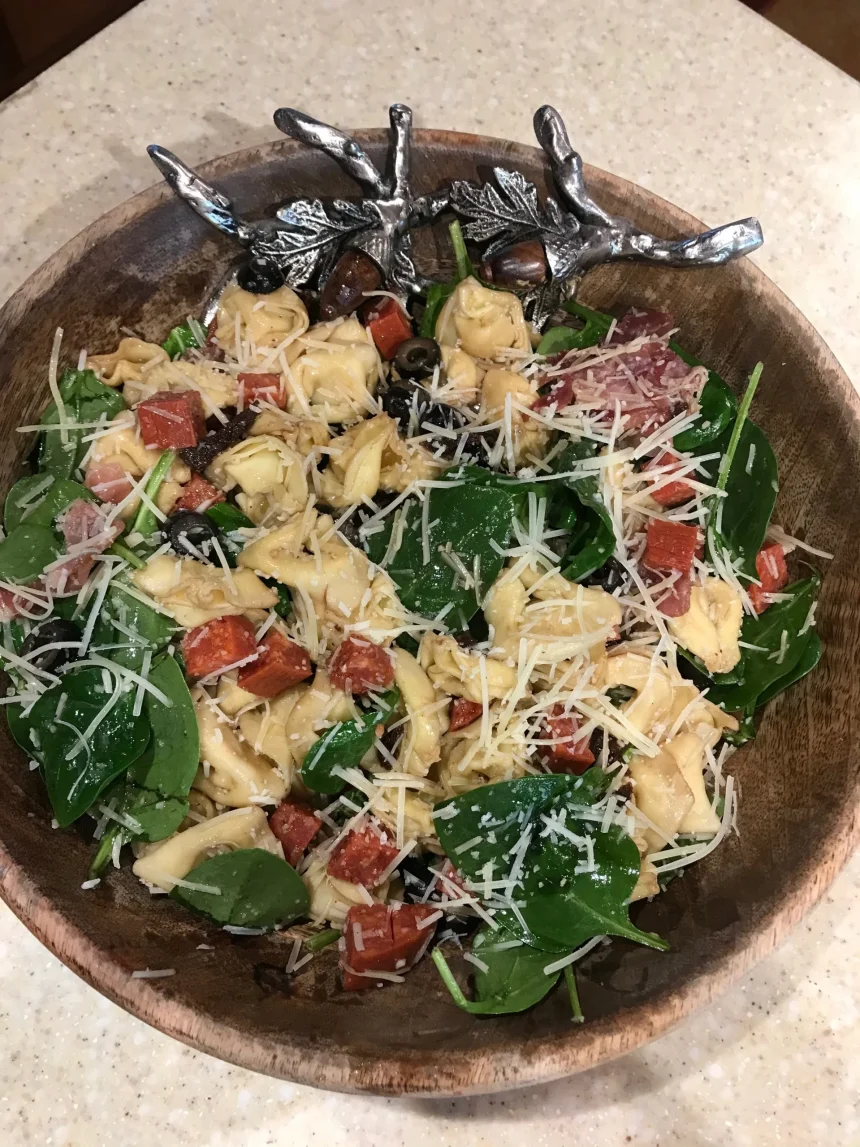
Hindu Style Shrimp Recipe
Hello! We're going to prepare some shrimp that will transport you straight to Asia with their aroma. The essence of this dish is the balance between warm spices and the creaminess of coconut, achieving seafood tender and full of flavor. It's a perfect recipe to break away from the routine without complicating your life in the kitchen.
- Hindu Style Shrimp Recipe
- Preparation time
- Ingredients
- Utensils we will use
- Preparation
- Cleaning and marinating
- Preparation of the curry base
- Sauce creation and final cooking
- To finish and serve
- Nutritional Information
- 5 keys to make it perfect
- When is it ideal to enjoy it?
- Comparison table
- Frequently asked questions (FAQ)
- Share your experience
- Culinary glossary
Preparation time
Getting organized is key to enjoying stress-free cooking. Here's the time breakdown for you to plan your meal:
- Preparation: 15 minutes
- Cooking: 15 minutes
- Total: 30 minutes
- Servings: 4 people
- Difficulty: Easy
Ingredients
To achieve that authentic flavor of Indian cuisine, we will respect the exact list of ingredients. Don't worry, these are elements that add a lot of character to the dish.
For the shrimp
- 500 g shrimp or prawns
- 2 tsp turmeric
- Salt
For the curry
- 2 tbsp vegetable oil
- 1 cinnamon stick
- ½!– /wp:list-item –>
- 3 cloves garlic minced, chopped or finely grated
- ½ tsp chili flakes (adjust to taste)
- 3 tsp curry powder
- 1 tsp ground coriander seeds (Optional)
- 2 tsp chili powder or hot paprika
- 2 tomatoes peeled and finely chopped
- 200 ml water
- 150 ml coconut cream
- Salt
To serve
- 8 basil leaves (try to use small leaves)
- 4 tbsp vegetable oil
Note on substitutions: It is vital to use coconut cream and not coconut milk, as we are looking for thickness and creaminess; milk is too liquid for this sauce. If you can't find red onion, the white one works, although the purple one adds a special sweetness when caramelized. If you don't have chili flakes, you can omit them if you prefer less spice, similar to how we would do in some coconut shrimp softer. If fresh prawns are not available, make sure frozen ones are completely thawed and dry before use.
Utensils we will use
You don't need professional equipment for this dish, your household basics are enough:
- Large frying pan or medium pot (for the curry)
- Small frying pan (for frying the basil)
- Sharp knife
- Cutting board
- Wooden spoon or spatula
- Bowl (for marinating the shrimp)
- Kitchen paper towels
Preparation
Follow this step-by-step guide so your Indian-style shrimp are cooked to perfection. The secret is in the cooking order.
Cleaning and marinating
- Cleaning the shrimp. Wash the shrimp under the tap. Remove the shell and, with a small knife, make a shallow cut along the back to remove the black vein (intestine). Rinse them again to ensure they are clean.
- Drying and initial seasoning. Dry the shrimp very well with paper towels; this is crucial so they absorb the flavor and don't release extra water. Put them in a bowl and mix them with 2 teaspoons of turmeric and a pinch of salt until they are well coated with yellow color. Set them aside.
Preparation of the curry base
- Flavoring the oil. Place the large frying pan over medium heat. Add 2 tablespoons of vegetable oil. Incorporate the cinnamon stick and chili flakes. Stir constantly for 1 minute. You'll notice the oil starting to smell good; we are «waking up» the spices.
- Sauté the onion. Add the finely chopped red onion. Cook for about 4 to 5 minutes, stirring occasionally, until you see it is golden and tender.
- Incorporate garlic and powdered spices. Add the garlic cloves (minced or chopped) along with the curry powder, coriander seed powder (if using), and chili powder or paprika. Stir constantly for exactly 1 minute. Be careful here: if you stop stirring, the garlic or spice powder can burn and make the preparation bitter, something that would never happen in a well-made garlic shrimp dish, but here there are more dry elements.
Sauce creation and final cooking
- Tomato cooking. Add the peeled and chopped tomatoes to the pan. Mix well so they absorb the sofrito.
- Sauce formation. Pour in the 200 ml of water. Lower the heat a little and let it simmer slowly. You should wait until the mixture has thickened again and the tomato has almost completely disintegrated. If you notice that the tomato was very green and is still hard, you can add an extra splash of water to give it more cooking time until it breaks down.
- Shrimp cooking. When you have a thick and aromatic tomato base, add the reserved shrimp and the 150 ml of coconut cream. Mix everything gently. Add salt to taste and taste the sauce.
- Key time. Let the curry boil for only 3 minutes. It is essential not to exceed this time to prevent the shrimp from becoming rubbery.
To finish and serve
While the curry rests for one minute off the heat, preheat the small pan with 4 tablespoons of oil over medium heat. When hot, add the basil leaves (do it in small batches). Be careful because they can splatter. Fry them for a few seconds until crispy, remove them and place them on absorbent paper. Serve the curry piping hot in deep plates, ideally accompanied by basmati rice or white rice to absorb the hot sauce. Garnish with fried basil leaves for a crispy and aromatic touch.
Nutritional Information
Here's an estimate of the nutritional values per serving for you to consider the balance of your meal:
- Calories: 350 kcal
- Proteins: 25 g
- Fats: 22 g
- Carbohydrates: 12 g
- Fiber: 3 g
Note: Values are approximate and may vary depending on the brand of coconut cream used and the size of the shrimp.
5 keys to make it perfect
As a chef, I've noticed that small details make a big difference between a normal dish and a memorable one. Here are my keys for this curry:
- Always raw shrimp: Never use pre-cooked shrimp for this recipe. When cooked again in the sauce, they will inevitably dry out. We need them to be raw so they can absorb the flavor while cooking for those magical 3 minutes.
- Mise en place (Everything in its place): This recipe is quick. Once you start sautéing, there's no time for chopping. Have the onion, garlic, and spices measured and ready in bowls before turning on the heat. This way you avoid burning the garlic while you look for the tomato.
- The difference between milk and cream: I insist on coconut cream. The can usually has a solid part on top and a liquid part at the bottom; use the thick part. This gives body to the sauce without having to reduce it for hours.
- Toasting the spices: The step of heating the cinnamon and chili in oil is not a whim. Heat activates the essential oils of dry spices, releasing aromas you wouldn't get if you simply boiled them in water.
- Salt control: Seafood absorbs salt quickly. Salt the shrimp at the beginning and adjust the sauce only at the end, just when you add the coconut cream, to achieve the perfect balance.
When is it ideal to enjoy it?
This dish of Indian-style shrimp it's incredibly versatile. It's perfect for a Friday night dinner when you want something special but are tired of cooking for hours. Its warmth makes it ideal for cold or rainy days, as the spices comfort the body. It also works wonderfully for a Sunday family meal if you want to surprise with something different from the classic roast beef. When served with rice, it yields quite a bit, which makes it practical if you have unexpected guests.
Comparison table
Sometimes we get confused with so many types of curry and shrimp preparations. Here's how this recipe compares to other popular ones so you can choose the best option according to your craving:
| Recipe | Key ingredients | Difference/advantage |
|---|---|---|
| Indian Style Shrimp (This recipe) | Turmeric, Curry powder, Coconut cream | Thick and very aromatic sauce, quick cooking. |
| Teriyaki Shrimp | Soy sauce, Sugar, Ginger | Sweet and savory flavor, Japanese style, no cream. |
| Green Curry Thai | Green curry paste, Thai basil, Coconut milk | More herbaceous, fresh, and generally spicier. |
| Shrimp Tikka Masala | Yogurt, Garam Masala, Tomato | Yogurt and tomato base, more toasted spices. |
| Shrimp Moqueca | Dendê oil, Peppers, Coconut milk | Brazilian style, palm and pepper flavor. |
| Garlic Shrimp | Lots of garlic, Chili, Olive oil | Without creamy sauce, pure garlic and seafood flavor. |
| Shrimp Gumbo | Dark roux, Celery, Okra | Cajun style, thick and dark stew, very seasoned. |
Frequently asked questions (FAQ)
Share your experience
Cooking is for experimenting and sharing. I'd love to know if you dared to try this recipe at home. Did you like the spice level? Did you serve it with rice or try it with naan bread? Leave your comment below and share your own tips so we can all keep learning!
Culinary glossary
- Devein: The process of removing the shrimp's intestine, which looks like a dark vein along its back, to clean it and improve its flavor.
- Curry: In this context, it refers to a powdered spice blend (masala) that usually contains turmeric, cumin, coriander, fenugreek, and chilies.
- Turmeric: Intense yellow powdered spice, coming from a root, which provides vibrant color and a mild earthy flavor.
- Mise en place: French term meaning «everything in its place». It refers to having all ingredients measured, peeled, and cut before starting to cook.
- Sautéing: To cook a food (like onion or garlic) over low or medium heat in oil until tender and its flavor is released, without necessarily browning it much.





I tried it today. It was very yielding and perfect for sharing. With toasted walnuts it was even better.
I prepared it exactly as is. I loved how clear the explanation is. It earned a place in my recipe book.