

Shrimp and Mango Ceviche with Avocado Recipe
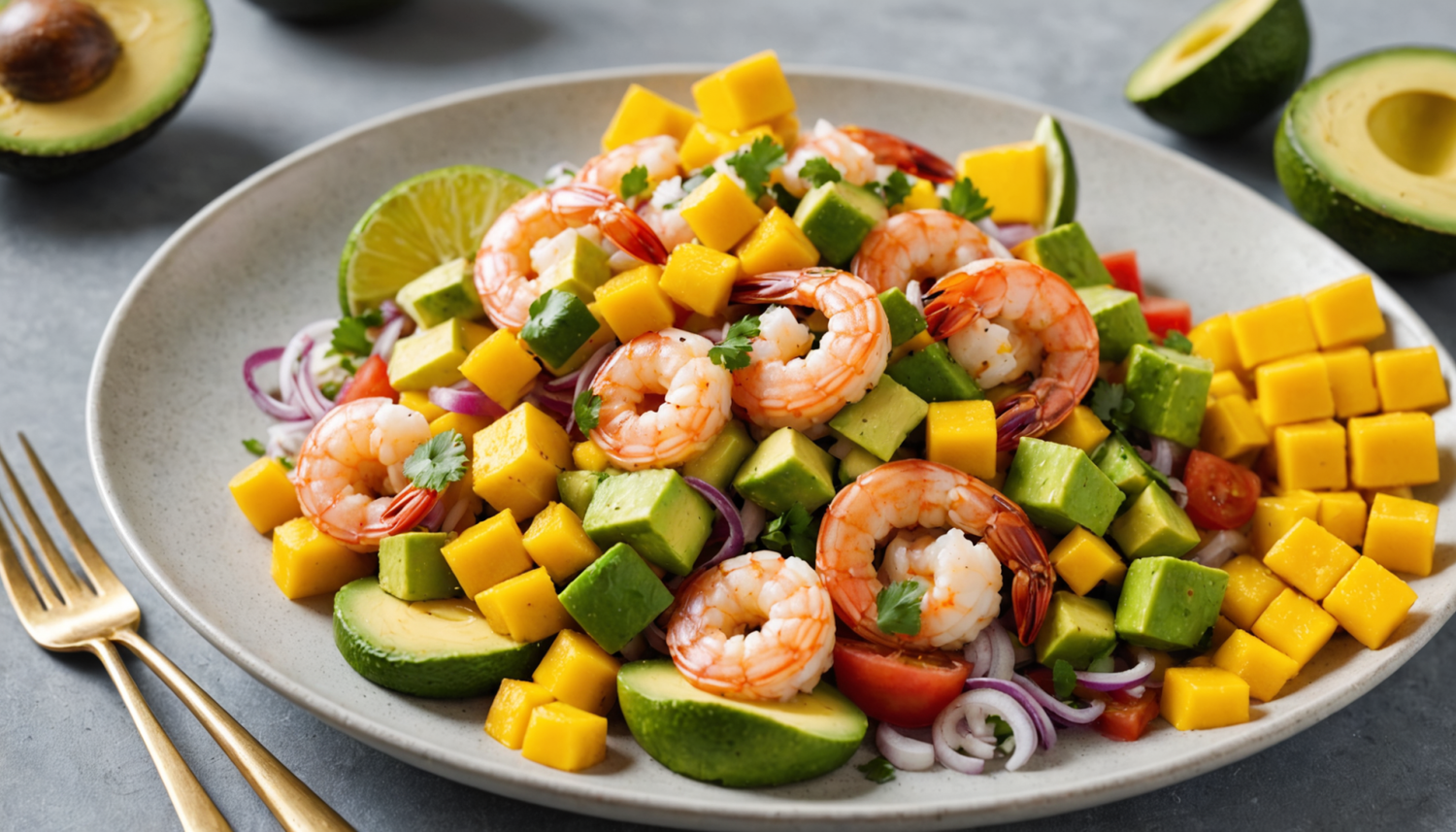
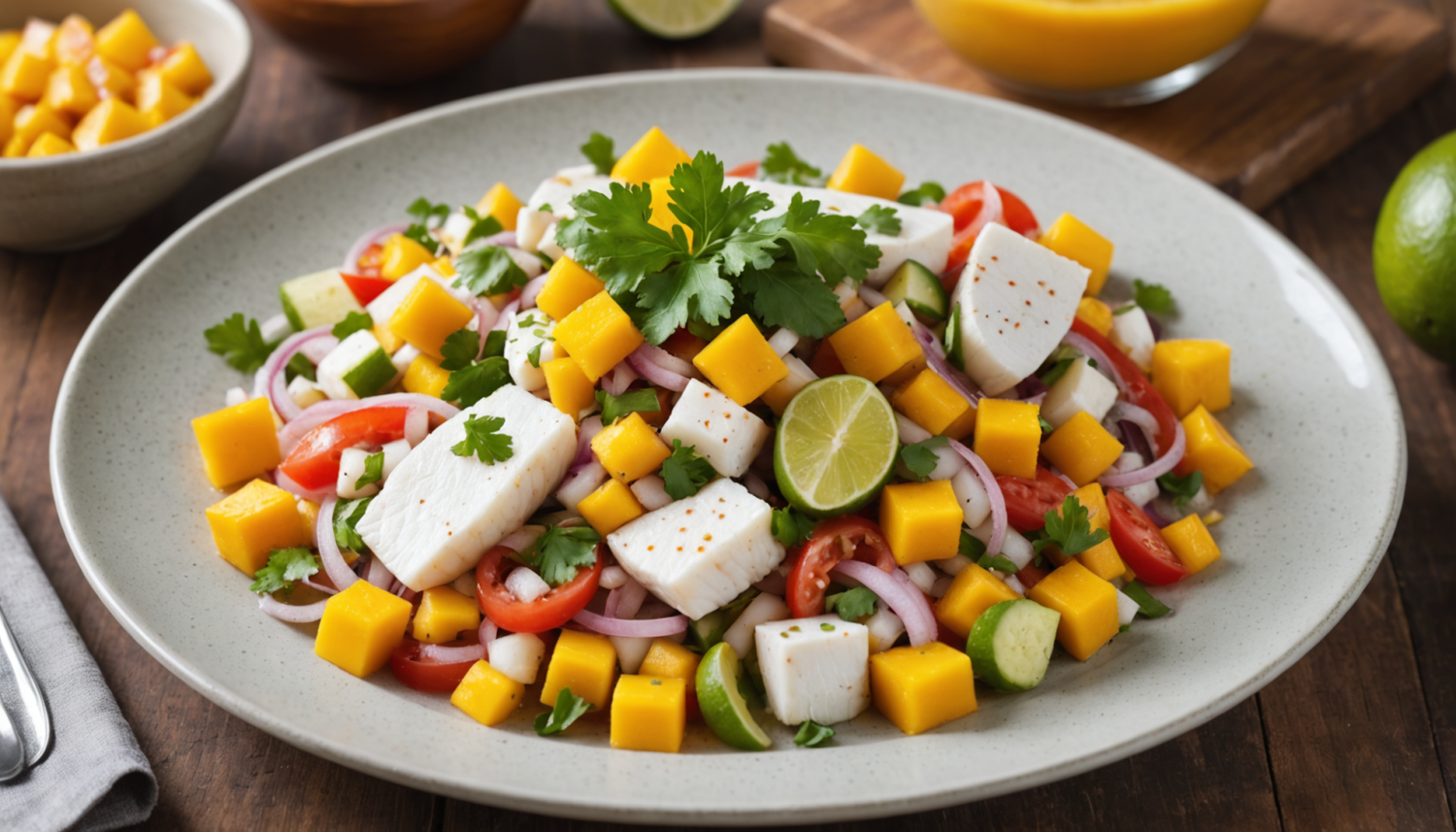
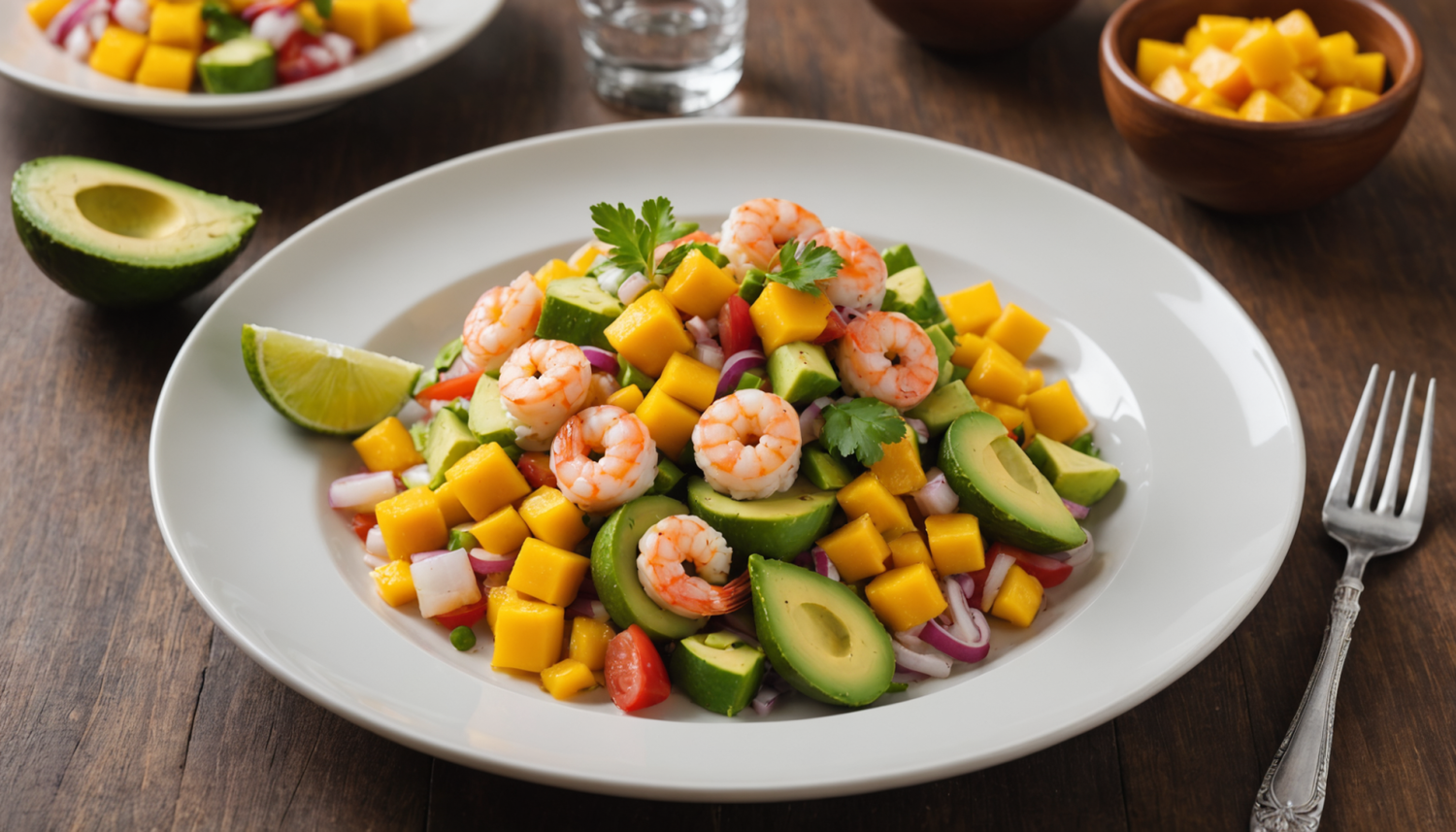
Hello! How wonderful that you're encouraged to prepare this vibrant and lively dish. Today we're going to work together on a tropical and absolutely delicious version of the classic Ecuadorian ceviche. The combination of the natural sweetness of mango with the firm texture of shrimp and the creaminess of the avocado creates a perfect balance that awakens all the senses. It's an recipe ideal for when you're looking for something fresh, light, but with a lot of personality. You don't need to be an expert for it to turn out spectacular, just follow the step-by-step with care.
This dish stands out for being an explosion of colors and flavors on the palate. Unlike other ceviches that rely exclusively on acidity, here we play with the sweet-sour contrast thanks to mango and orange. Furthermore, it's a nutritious and quick option, perfect for those hot days or when you simply want to treat yourself to something special without spending hours in front of the stove. If you've ever tried a similar shrimp and mango ceviche, you'll know it's a safe bet.
Preparation time
Organizing is key in the kitchen. Here's the time breakdown so you can plan your culinary session stress-free and enjoy the process:
- Preparation: 25 minutes
- Cooking: 0 minutes (we will use already cooked shrimp)
- Marinade: 30 to 60 minutes
- Total: 1 hour and 25 minutes (including resting time)
- Servings: 4 people
- Difficulty: Easy
Ingredients
For this shrimp ceviche, the quality of the ingredients is fundamental. Look for fruits at their perfect ripeness to get the best result.
Substitutions and Notes
If you can't find fresh chilies, you can use a little chili paste or simply omit them if you prefer it not to be spicy; in that case, a small chopped sweet pepper will add color without the heat. If you don't have avocado oil, a mild olive oil works, although it will slightly change the flavor profile. In case you don't have it shrimp on hand, you could draw inspiration from techniques used for the sierra ceviche, although the «cooking» times in lemon would vary drastically.
Utensils we will use
You don't need sophisticated equipment; your basic home kitchen tools are more than enough to achieve a restaurant-quality result.
- Stable cutting board
- Well-sharpened chef's knife
- A large glass or ceramic bowl (avoid metal so it doesn't react with the acid)
- A medium bowl for pickling the onion
- Citrus juicer
- Large mixing spoon
- Small colander (for rinsing the onion)
Preparation
Let's assemble this dish step by step. Enjoy each cut and every aroma released as you prepare the ingredients fresh.
Shrimp preparation
Take the cooked shrimp and peel them if they still have shells. Chop them into small pieces; a bite-sized portion is ideal (cut a medium shrimp into 2 or 3 parts). If you like to feel the whole seafood, you can leave them whole; it's a matter of taste. Refrigerate.
Onion treatment for the filling
Take half of the red onion you diced. Place it in a colander and wash it under the tap with cold water. Drain well. This step is important to soften its flavor and prevent it from overpowering the mango nor to the seafood.
Mango cut
Carefully peel the mangoes. Cut the pulp, avoiding the central seed, and dice it into small cubes, trying to make them a similar size to the shrimp pieces so that each bite is balanced.
Mix base and marinade
In the large bowl, combine the chopped shrimp, mango cubes, the diced onion you washed, the chopped chilies (if using), and the cilantro. Pour in the cup of lime juice (reserve about 2 tablespoons for later), the orange juice, and season with salt to taste. Mix gently so as not to break up the mango. Cover and refrigerate for 30 minutes to 1 hour. We want the flavors to meld, not to cook the shrimp as it is already ready.
Preparation of the pickled onion
While the base is marinating, take the other half of the onion (the one we cut into thin slices). Put them in a medium bowl, sprinkle with a little salt, and cover with cold water. Let them rest for a few minutes and rinse well. Drain the water and add the 2-3 tablespoons of lime juice you reserved, a little more salt, and extra cilantro. If you like it very spicy, add a little more chopped chili here.
Avocado Incorporation
Just before taking the ceviche out of the fridge, peel and chop the avocado into cubes. It is vital to do this at the end to prevent it from oxidizing and turning black (similar to when you prepare a good classic guacamole). Add the avocado to the cold mixture along with the tablespoon of avocado oil if you decided to use it.
To finish and serve
Mix everything very gently so that the avocado doesn't turn into a purée. Taste the final seasoning; this is the moment to adjust the salt or add a touch more lemon if you feel it's necessary. Serve the ceviche in glasses or deep plates and top each portion with a good amount of the pickled onion we prepared separately. Traditionally accompany it with chifles (plantain chips), patacones, canguil (popcorn), or toasted corn to provide that crunchy texture that contrasts with the softness of the fish and fruit.
5 keys to make it perfect
To elevate this dish from «tasty» to «unforgettable,» here are my chef's secrets that I always apply at home.
- The ripeness of the mango: It is the sweet protagonist. It should yield slightly to finger pressure but not be watery. If it's too green, it will be too acidic; if it's too ripe, it will fall apart in the mixture and cloud the juice.
- Temperature control: Always maintain the cold chain. The seafood lukewarm lose charm and texture. If it's very hot in your kitchen, keep the bowl over another bowl with ice while mixing.
- The onion cut: For the pickling, cut the onion as thin as possible. A thick onion can be invasive and unpleasant to chew in a delicate dish.
- Don't omit the orange: Although it seems like a minor detail, orange juice provides a fruity sweetness that rounds out the aggressive acidity of key lime, creating a more complex and tropical flavor profile.
- Crunchy textures: Don't serve ceviche alone. The accompaniment (cancha, chifles, or crackers) is vital. That «cric-crac» in the mouth makes the experience complete.
Nutritional Information
This dish is not only delicious, but it's also a quite balanced option. Here are the estimated values per serving:
- Calories: 320 kcal
- Proteins: 25 g
- Fats: 14 g
- Carbohydrates: 28 g
- Fiber: 6 g
Note: Values are approximate estimates based on standard ingredients and may vary depending on the size of the fruits or the amount of oil added.
When is it ideal to enjoy it?
This shrimp and mango ceviche with avocado screams summer and fun. It's the star dish for a weekend lunch in the garden or an impressive appetizer at a dinner with friends. Its freshness makes it perfect for hot days when you don't feel like eating something heavy or hot. It also works wonderfully as an appetizer in small glasses for a cocktail-style celebration. Imagine it accompanied by a refreshing drink, perhaps something fruity like a watermelon and cucumber agua fresca to maintain the tropical and hydrating theme.
Comparison table
The world of ceviches is vast. Here's how today's recipe compares to other popular variants you might consider.
| Recipe | Key ingredients | Difference/advantage |
|---|---|---|
| Shrimp and Mango Ceviche (Main) | Cooked shrimp, mango, avocado | Sweet-sour balance and creamy texture. |
| Classic Peruvian Ceviche | Raw fish, tiger's milk, ají limo | More acidic and spicy, lemon cooking technique. |
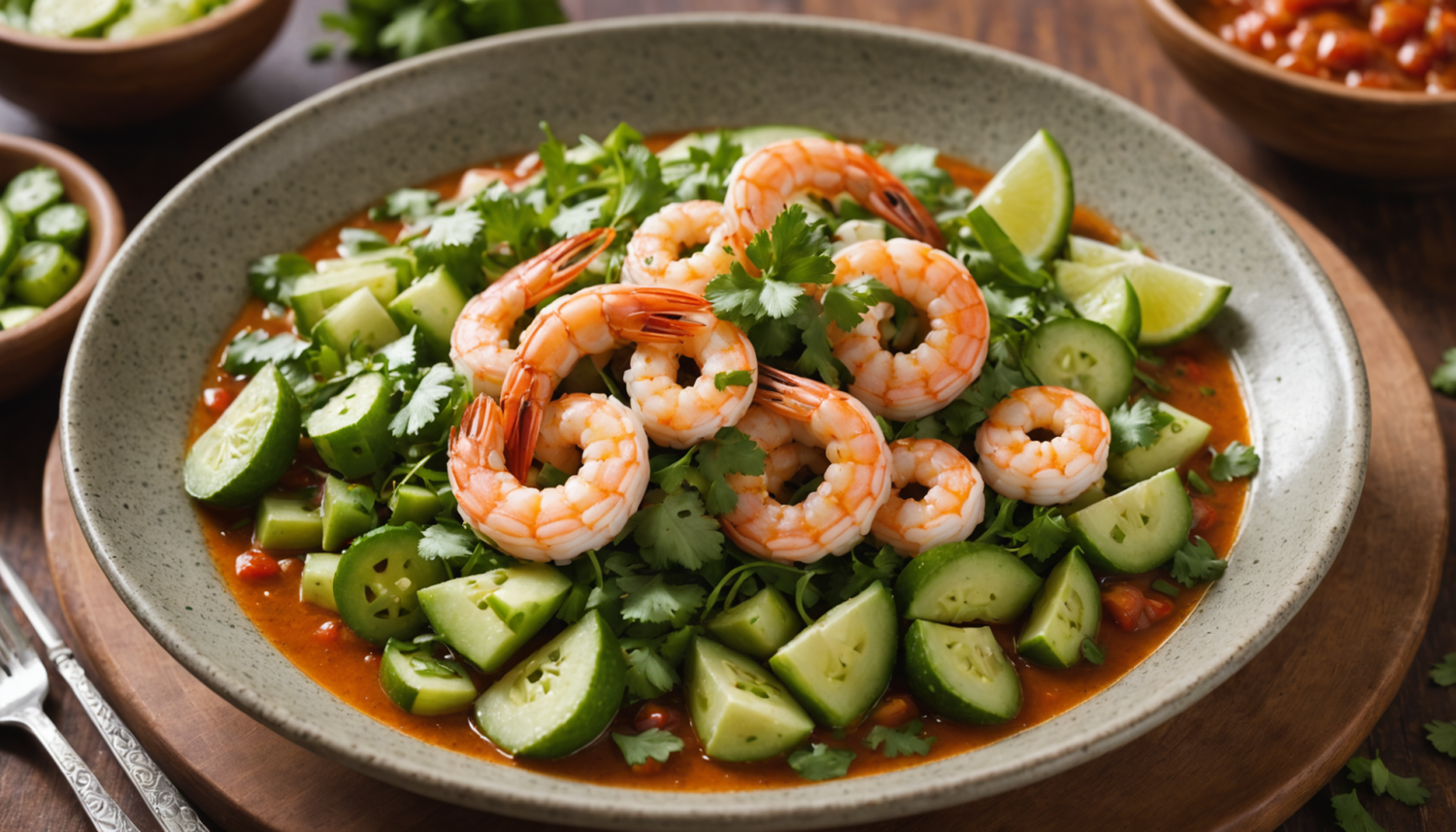
| Red Aguachile | Raw butterflied shrimp, dried chili | Much spicier and short marinating time. You can see a similar version in this red shrimp aguachile. |
| Cauliflower Ceviche (Vegan) | Blanched cauliflower, tomato, cucumber | Light vegetable option, crispy texture without seafood. |
| Salmon Ceviche | Fresh salmon, dill, capers | Fatter and milder flavor, Nordic or Asian profile. Similar to this salmon ceviche. |
| Shrimp Cocktail | Ketchup sauce, cooked shrimp, soda | Sweet tomato base and red sauce, more soupy. |
| Tuna Tostadas | Fresh tuna, soy, fried leek | Intense umami flavor, crispy texture from the tostada. Similar to these jicama and tuna tostadas. |
Frequently asked questions (FAQ)
Share your experience
Cooking is for experimenting and sharing. I would love to know how this tropical combination turned out for you. Did you make it spicier? Did you use any other accompaniment? Leave your comment and share your own little tricks so we can all learn together!
Culinary glossary
Sometimes we use terms that might sound strange, but they are very simple. Here I explain today's:
- Devein: Process of removing the intestine from the shrimp (that dark line on the back) by making a superficial cut and pulling it out with the tip of a knife.
- Curtido: A typical preparation (especially in Ecuador and Central America) of onion marinated in lemon and salt, which serves as an acidic and crunchy garnish.
- Marinate: To leave a food in an aromatic liquid (in this case, citrus juices) for a determined time so that it absorbs flavors and changes its texture.
- Pluma (Feather): A type of cut for onion where very thin slices are made following the line of the fibers, ideal for salads and ceviches.
- Oxidation: A chemical reaction that occurs when certain foods (like avocado or apple) come into contact with air and turn dark. Lemon helps to delay this.
- 1 pound (approx. 450 g) of shrimp, already cooked, peeled, and deveined
- 2 ripe but firm mangoes (that keep their shape when cut)
- ½!– /wp:list-item –>
- ½!– /wp:list-item –>
- 1 cup fresh lime juice (approximately 6-7 limes)
- ¼ cup fresh orange juice
- 2 to 3 tablespoons of finely chopped fresh cilantro
- 1 or 2 hot peppers or chilies (optional, adjust to your taste)
- 2 small avocados or 1 large one (ripe but firm)
- 1 tablespoon of avocado oil (optional, adds shine)
- Salt to taste
Substitutions and Notes
If you can't find fresh chilies, you can use a little chili paste or simply omit them if you prefer it not to be spicy; in that case, a small chopped sweet pepper will add color without the heat. If you don't have avocado oil, a mild olive oil works, although it will slightly change the flavor profile. In case you don't have it shrimp on hand, you could draw inspiration from techniques used for the sierra ceviche, although the «cooking» times in lemon would vary drastically.
Utensils we will use
You don't need sophisticated equipment; your basic home kitchen tools are more than enough to achieve a restaurant-quality result.
- Stable cutting board
- Well-sharpened chef's knife
- A large glass or ceramic bowl (avoid metal so it doesn't react with the acid)
- A medium bowl for pickling the onion
- Citrus juicer
- Large mixing spoon
- Small colander (for rinsing the onion)
Preparation
Let's assemble this dish step by step. Enjoy each cut and every aroma released as you prepare the ingredients fresh.
Shrimp preparation
Take the cooked shrimp and peel them if they still have shells. Chop them into small pieces; a bite-sized portion is ideal (cut a medium shrimp into 2 or 3 parts). If you like to feel the whole seafood, you can leave them whole; it's a matter of taste. Refrigerate.
Onion treatment for the filling
Take half of the red onion you diced. Place it in a colander and wash it under the tap with cold water. Drain well. This step is important to soften its flavor so it doesn't overpower the mango nor to the seafood.
Mango cut
Carefully peel the mangoes. Cut the pulp, avoiding the central seed, and dice it into small cubes, trying to make them a similar size to the shrimp pieces so that each bite is balanced.
Mix base and marinade
In the large bowl, combine the chopped shrimp, mango cubes, the diced onion you washed, the chopped chilies (if using), and the cilantro. Pour in the cup of lime juice (reserve about 2 tablespoons for later), the orange juice, and season with salt to taste. Mix gently so as not to break up the mango. Cover and refrigerate for 30 minutes to 1 hour. We want the flavors to meld, not to cook the shrimp as it is already ready.
Preparation of the pickled onion
While the base is marinating, take the other half of the onion (the one we cut into thin slices). Put them in a medium bowl, sprinkle with a little salt, and cover with cold water. Let them rest for a few minutes and rinse well. Drain the water and add the 2-3 tablespoons of lime juice you reserved, a little more salt, and extra cilantro. If you like it very spicy, add a little more chopped chili here.
Avocado Incorporation
Just before taking the ceviche out of the fridge, peel and chop the avocado into cubes. It is vital to do this at the end to prevent it from oxidizing and turning black (similar to when you prepare a good classic guacamole). Add the avocado to the cold mixture along with the tablespoon of avocado oil if you decided to use it.
To finish and serve
Mix everything very gently so that the avocado doesn't turn into a purée. Taste the final seasoning; this is the moment to adjust the salt or add a touch more lemon if you feel it's necessary. Serve the ceviche in glasses or deep plates and top each portion with a good amount of the pickled onion we prepared separately. Traditionally accompany it with chifles (plantain chips), patacones, canguil (popcorn), or toasted corn to provide that crunchy texture that contrasts with the softness of the fish and fruit.
5 keys to make it perfect
To elevate this dish from «tasty» to «unforgettable,» here are my chef's secrets that I always apply at home.
- The ripeness of the mango: It is the sweet protagonist. It should yield slightly to finger pressure but not be watery. If it's too green, it will be too acidic; if it's too ripe, it will fall apart in the mixture and cloud the juice.
- Temperature control: Always maintain the cold chain. The seafood lukewarm lose charm and texture. If it's very hot in your kitchen, keep the bowl over another bowl with ice while mixing.
- The onion cut: For the pickling, cut the onion as thin as possible. A thick onion can be invasive and unpleasant to chew in a delicate dish.
- Don't omit the orange: Although it seems like a minor detail, orange juice provides a fruity sweetness that rounds out the aggressive acidity of key lime, creating a more complex and tropical flavor profile.
- Crunchy textures: Don't serve ceviche alone. The accompaniment (cancha, chifles, or crackers) is vital. That «cric-crac» in the mouth makes the experience complete.
Nutritional Information
This dish is not only delicious, but it's also a quite balanced option. Here are the estimated values per serving:
- Calories: 320 kcal
- Proteins: 25 g
- Fats: 14 g
- Carbohydrates: 28 g
- Fiber: 6 g
Note: Values are approximate estimates based on standard ingredients and may vary depending on the size of the fruits or the amount of oil added.
When is it ideal to enjoy it?
This shrimp and mango ceviche with avocado screams summer and fun. It's the star dish for a weekend lunch in the garden or an impressive appetizer at a dinner with friends. Its freshness makes it perfect for hot days when you don't feel like eating something heavy or hot. It also works wonderfully as an appetizer in small glasses for a cocktail-style celebration. Imagine it accompanied by a refreshing drink, perhaps something fruity like a watermelon and cucumber agua fresca to maintain the tropical and hydrating theme.
Comparison table
The world of ceviches is vast. Here's how today's recipe compares to other popular variants you might consider.
| Recipe | Key ingredients | Difference/advantage |
|---|---|---|
| Shrimp and Mango Ceviche (Main) | Cooked shrimp, mango, avocado | Sweet-sour balance and creamy texture. |
| Classic Peruvian Ceviche | Raw fish, tiger's milk, limo chili | More acidic and spicy, lemon cooking technique. |
| Red Aguachile | Raw butterflied shrimp, dried chili | Much spicier and short marinating time. You can see a similar version in this red shrimp aguachile. |
| Cauliflower Ceviche (Vegan) | Blanched cauliflower, tomato, cucumber | Light vegetable option, crispy texture without seafood. |
| Salmon Ceviche | Fresh salmon, dill, capers | Fatter and milder flavor, Nordic or Asian profile. Similar to this salmon ceviche. |
| Shrimp Cocktail | Ketchup sauce, cooked shrimp, soda | Sweet tomato base and red sauce, more soupy. |
| Tuna Tostadas | Fresh tuna, soy, fried leek | Intense umami flavor, crispy texture from the tostada. Similar to these jicama and tuna tostadas. |
Frequently asked questions (FAQ)
Share your experience
Cooking is for experimenting and sharing. I would love to know how this tropical combination turned out for you. Did you make it spicier? Did you use any other accompaniment? Leave your comment and share your own little tricks so we can all learn together!
Culinary glossary
Sometimes we use terms that might sound strange, but they are very simple. Here I explain today's:
- Devein: Process of removing the intestine from the shrimp (that dark line on the back) by making a superficial cut and pulling it out with the tip of a knife.
- Curtido: A typical preparation (especially in Ecuador and Central America) of onion marinated in lemon and salt, which serves as an acidic and crunchy garnish.
- Marinate: To leave a food in an aromatic liquid (in this case, citrus juices) for a determined time so that it absorbs flavors and changes its texture.
- Pluma (Feather): A type of cut for onion where very thin slices are made following the line of the fibers, ideal for salads and ceviches.
- Oxidation: A chemical reaction that occurs when certain foods (like avocado or apple) come into contact with air and turn dark. Lemon helps to delay this.
Impeccable texture and flavor. I took it to a meeting and it flew off the table.
Super recipe this ‘Shrimp and Mango Ceviche with Avocado’. .
Perfect for sharing this ‘Shrimp and Mango Ceviche with Avocado’. It was a total hit with my family. It's really worth it.