

Eggplant Dip Recipe (Baba ganoush)
Hello! Let's prepare together one of my favorite Middle Eastern dishes. It's a creamy spread, with that unmistakable smoky character that transforms a simple vegetable into a delicacy worthy of any table. It's a perfect, healthy appetizer with a texture that invites sharing. If you've ever tried other versions and found them bitter or bland, get ready, because with this technique we will achieve that silky and deep balance we all seek.
Preparation time
Organizing yourself in the kitchen is half the battle. Here are the real times so you can plan your cooking without rushing and enjoy the process.
- Preparation: 10 minutes
- Cooking: 30 minutes
- Total: 40 minutes
- Servings: 4-6 people
- Difficulty: Easy
Ingredients
7. To achieve a Baba ganoush authentic, the quality of the raw ingredients is fundamental. We don't need many elements, but they must be fresh and real. Here is the exact list of what we are going to use in this recipe.
- 2 large eggplants (firm and with shiny skin)
- 3 tablespoons Tahini (sesame paste)
- 2 cloves garlic, minced
- 2 tablespoons lemon juice (adjustable to taste)
- 1/4 cup extra virgin olive oil
- Salt to taste
- Pepper to taste
- Hot or sweet paprika (for garnish, optional)
- Red bell pepper or green (Optional, if you want to roast it with the eggplant)
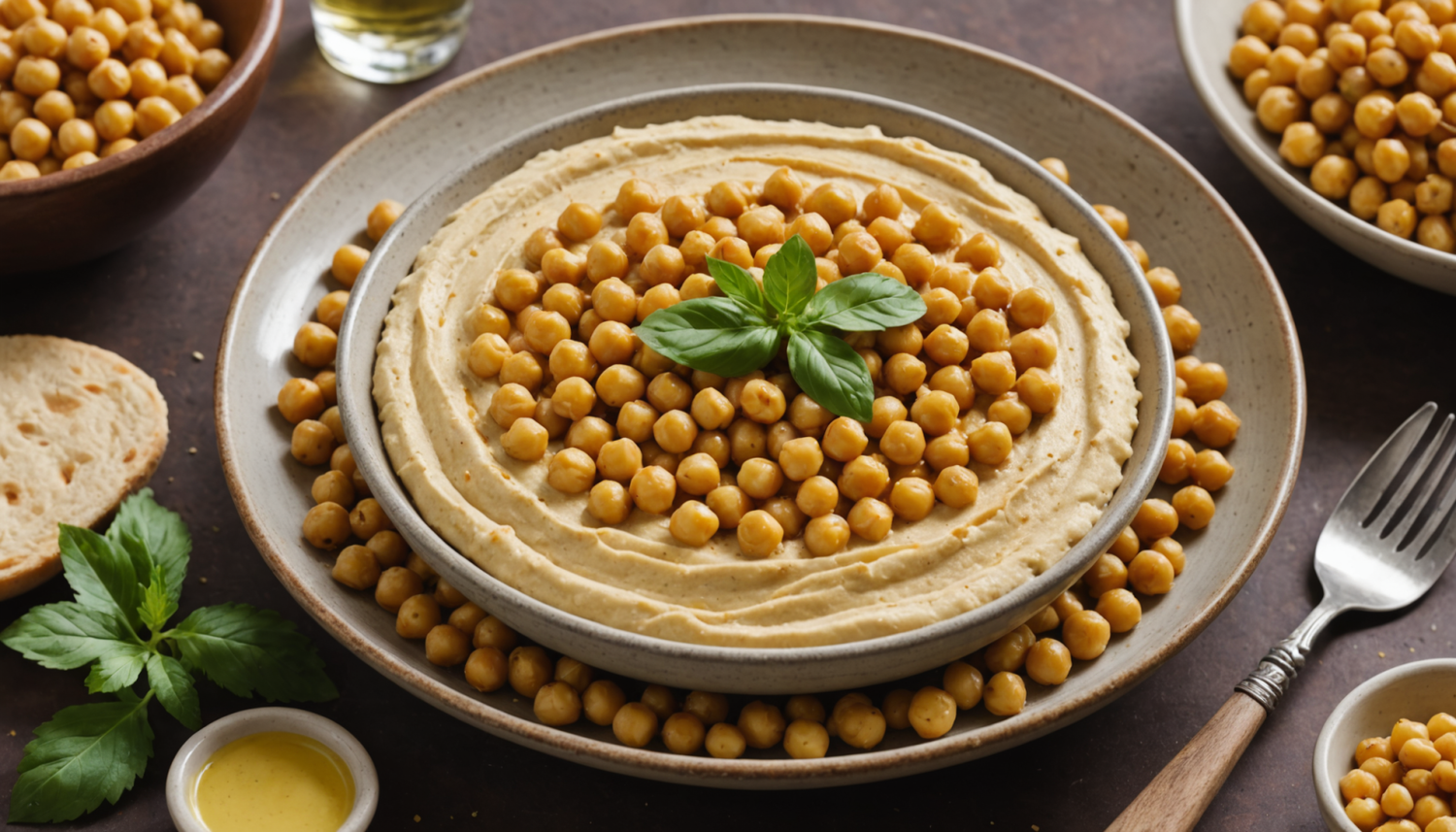
If you're missing any of these key ingredients in your pantry, don't worry, home cooking allows for adaptations. In case you don't have tahini, which is essential for creaminess, you could replace it with a neutral almond butter or simply omit it and add a little more olive oil, although the sesame flavor will be lost. If you like intense flavors and are exploring other vegetable options, I also recommend checking out how we make the chickpea hummus, which shares similar ingredients like tahini and lemon.
Utensils we will use
You don't need professional equipment for this dip to turn out spectacular. What you have in your drawers is enough. The important thing is how we use them.
- Baking tray (if using oven) or rack (if using direct flame)
- Sharp knife and cutting board
- Large bowl or mixing bowl
- Colander (to drain the liquid from the eggplant)
- Tablespoon to scoop out the pulp
- Fork or hand mixer (depending on desired texture)
- Nice serving dish
Preparation
The secret to this dish lies in how we treat the main vegetable. We're going to look for that tender point and, above all, that smoky aroma that defines the Baba ganoush. Follow these steps calmly.
Roasting the eggplants
This is the most critical step for flavor. We have two options. The traditional and most recommended is over direct flame to achieve the smoky flavor, or in the oven for convenience.
- If using direct flame (gas burner): Wash and dry the eggplants. Place them directly over a medium-high flame. Turn them with tongs every few minutes until the skin is completely black, charred, and the flesh feels very soft when pressed. This can take about 15-20 minutes.
- If using oven: Preheat to 200°C. Cut the eggplants in half lengthwise. Make some diamond-shaped cuts in the flesh without breaking the skin. Place them face down on a tray with a drizzle of oil. Bake for 30-40 minutes until the skin wrinkles and they are very tender.
- Optional: If you decided to use red or green bell pepper to add an extra touch of color and flavor, place it on the tray or over the flame along with the eggplants following the same procedure.
- If using direct flame (gas burner): Wash and dry the eggplants. Place them directly over a medium-high flame. Turn them with tongs every few minutes until the skin is completely black, charred, and the flesh feels very soft when pressed. This can take about 15-20 minutes.
- If using oven: Preheat to 200°C. Cut the eggplants in half lengthwise. Make some diamond-shaped cuts in the flesh without breaking the skin. Place them face down on a tray with a drizzle of oil. Bake for 30-40 minutes until the skin wrinkles and they are very tender.
- Optional: If you decided to use red or green bell pepper to add an extra touch of color and flavor, place it on the tray or over the flame along with the eggplants following the same procedure.
Resting and cooling
Once roasted, we need to handle them without burning ourselves and let the juices settle.
- Remove the eggplants from the fire or oven.
- Let them cool in a colander or on a tilted board for about 10-15 minutes. This is vital: they will release a bitter liquid that we don't want in our final cream.
- Remove the eggplants from the fire or oven.
- Let them cool in a colander or on a tilted board for about 10-15 minutes. This is vital: they will release a bitter liquid that we don't want in our final cream.
Pulp extraction
We are going to separate the delicious from the burnt.
- If you roasted them whole over the fire, carefully open the skin. Scrape the inner flesh with a spoon, trying not to take large pieces of charred skin (although a small black speck adds smoky flavor, don't overdo it).
- If you baked them in halves, simply scoop out the content with the spoon, leaving the skin on the tray.
- Place all the pulp in a large bowl. If you see it releasing a lot of water, drain it a bit more.
- If you roasted them whole over the fire, carefully open the skin. Scrape the inner flesh with a spoon, trying not to take large pieces of charred skin (although a small black speck adds smoky flavor, don't overdo it).
- If you baked them in halves, simply scoop out the content with the spoon, leaving the skin on the tray.
- Place all the pulp in a large bowl. If you see it releasing a lot of water, drain it a bit more.
Mixing and seasoning
This is where we create the magic and texture of our dip.
- Add the 2 finely chopped garlic cloves (or crushed so no pieces are noticeable) to the bowl with the pulp.
- Incorporate the 3 tablespoons of tahini, the lemon juice, and the 1/4 cup of olive oil.
- Add salt and pepper to taste.
- Mix everything vigorously. If you like it rustic (with chunks), use a fork and mash well. If you prefer a silky, mousse-like cream, use a hand blender or food processor, but only for a few seconds so as not to lose consistency.
- Add the 2 finely chopped garlic cloves (or crushed so no pieces are noticeable) to the bowl with the pulp.
- Incorporate the 3 tablespoons of tahini, the lemon juice, and the 1/4 cup of olive oil.
- Add salt and pepper to taste.
- Mix everything vigorously. If you like it rustic (with chunks), use a fork and mash well. If you prefer a silky, mousse-like cream, use a hand blender or food processor, but only for a few seconds so as not to lose consistency.
To finish and serve
Once you have the mixture ready, taste it. It's time to adjust the salt or lemon. The flavor should be balanced: neither too acidic nor too heavy from the sesame. Transfer the mixture to a deep plate or serving dish. With the back of a spoon, make some grooves or swirls on the surface. Drizzle with a generous stream of extra virgin olive oil and sprinkle with paprika (spicy or sweet) for decoration. If you have some on hand, a little fresh chopped parsley goes great. Serve it at room temperature or cold, always accompanied by warm pita bread, toast, or raw vegetable sticks. If you are planning a complete snack table, this dish looks wonderful alongside some cucumber, hummus, and mint rolls, creating a delicious fresh contrast.
Nutritional Information
This dish is a jewel of the Mediterranean not only for its flavor, but for its healthy profile. Here are the estimated values per serving for your clear reference.
- Calories: 200 kcal
- Proteins: 4 g
- Fats: 15 g
- Carbohydrates: 12 g
- Fiber: 6 g
Note: Nutritional values are approximate and may vary depending on the size of the eggplants and the exact amount of oil or tahini you use in your final preparation.
5 keys to make it perfect
Although the recipe is simple, the difference between a normal eggplant puree and a Baba ganoush memorable one lies in the technical details. As a chef, I've seen that these five points are what make the final result excellent.
1. Charring is flavor: Don't be afraid to char the skin. If you do it in the oven and they remain pale, the flavor will be of cooked vegetable, not of a traditional Arab dish. If you don't have a gas flame, use the oven grill at maximum power for the last few minutes. That touch of char is the soul of the dish.
2. Water is the enemy: Eggplant is almost all water. If you don't let it drain well after roasting, your dip will be watery and the flavors diluted. Take the time to leave it in the colander; you'll see a brown liquid release that, furthermore, is often responsible for excessive bitterness.
3. Garlic, in moderation: Raw garlic is potent. If you chop it and add it directly, the next day the flavor might be too aggressive. A trick is to remove the central germ (the green sprout inside) so it repeats less and is milder on the palate.
4. Emulsify the oil: When you add olive oil, do it little by little while stirring. This helps create an emulsion that gives a more cohesive and creamy texture, similar to what we look for in sauces like tzatziki, where creaminess is key to enjoying it with bread.
5. Temperature matters: Although kept in the fridge, extreme cold dulls flavors, especially those of olive oil and sesame. Take it out about 15 or 20 minutes before serving to allow it to warm up; you'll notice the difference in aromatic intensity.
When is it ideal to enjoy it?
This appetizer it is incredibly versatile and adapts to many situations, but it shines especially in informal and sharing contexts. It is the king of summer tables, as it does not require turning on the oven just before eating (it can be prepared in advance) and is served fresh. Imagine a dinner on the terrace with friends, a cheese board, various breads, and this dip presiding over the table.
It is also a fantastic option for family celebrations where there are dietary restrictions, as it is naturally vegan and gluten-free (if you choose the accompanying bread carefully). During festive seasons, for example, it can be a light starter before more substantial dishes. If you are looking for ideas for complete celebration menus, I suggest checking out options for Mediterranean vegetables for Christmas dinner, where it fits perfectly due to its lightness and elegance.
Comparison table
Sometimes we confuse the dips of Arab food or Mediterranean. To make it clear what each one offers and so you can choose the best for your menu, I have prepared this quick table.
| Recipe | Key ingredients | Difference/advantage |
|---|---|---|
| Eggplant Dip (Baba ganoush) | Roasted eggplant, tahini, garlic | Intense smoky flavor and creamy texture. |
| Hummus | Chickpeas, tahini, lemon | More protein-rich and denser texture, without smoky flavor. |
| Mutabbal | Roasted eggplant, yogurt, tahini | Softer and more dairy-like thanks to the addition of yogurt. |
| Tzatziki | Greek yogurt, cucumber, dill | Much fresher and more acidic, ideal for cleansing the palate. |
| Tapenade | Black olives, capers, anchovies | Intense salty flavor and grainy, not creamy, texture. |
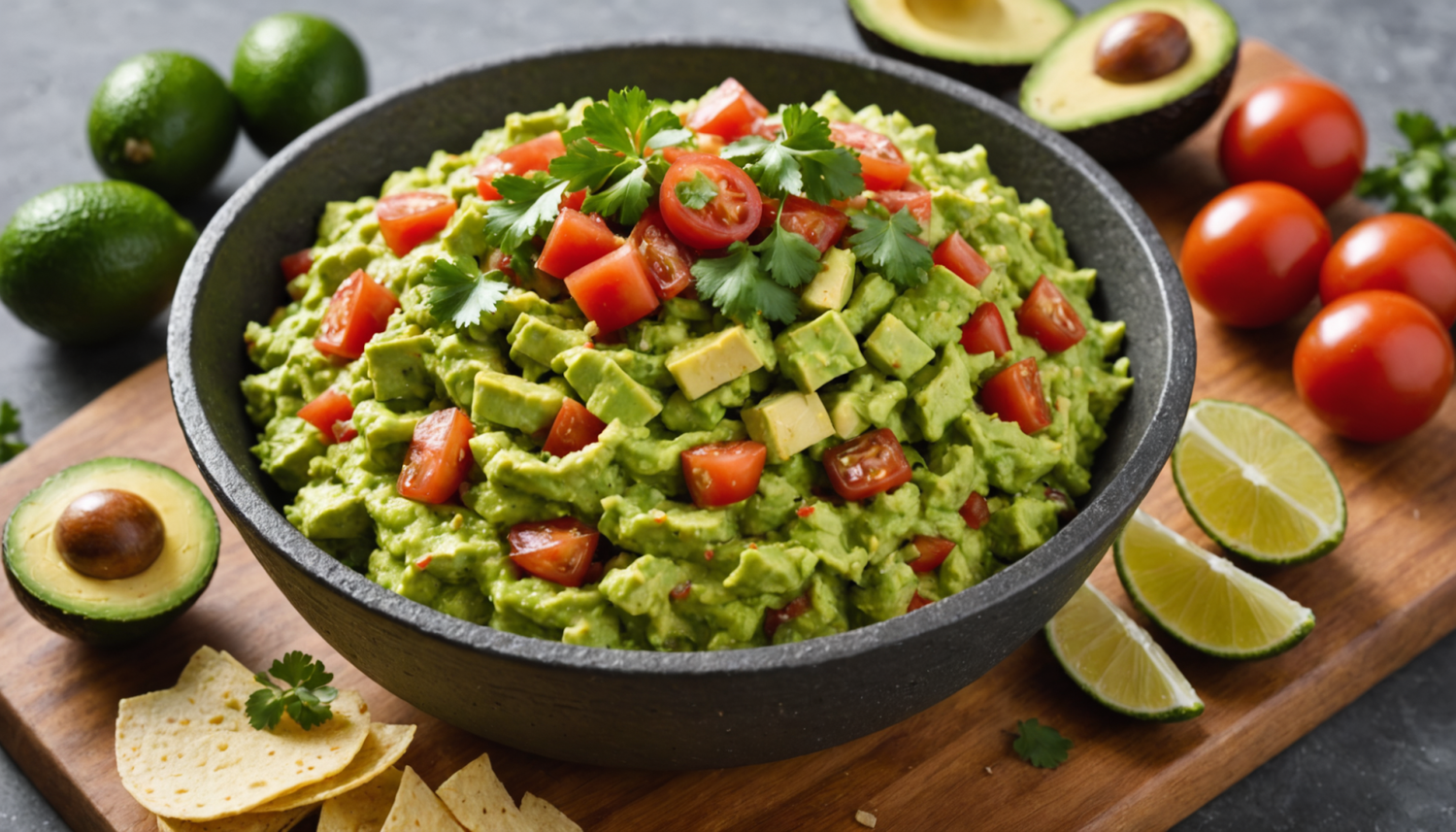
| Guacamole | Avocado, lime, cilantro | Fresh vegetable fat profile, without prior cooking. |
| Muhammara | Roasted peppers, walnuts | Sweet and spicy flavor, with a nutty texture. |
If you like the idea of roasting vegetables to achieve deep flavors, similar to what we do with eggplant here, you'll love trying the roasted vegetables with mustard and honey, which play with that contrast of sweet and toasted.
Frequently asked questions (FAQ)
Share your experience
Cooking is for experimenting and sharing. I'd love to know how this recipe turned out for you. Did you dare to roast them over direct fire or did you prefer the oven? Did you give it your personal touch with a different spice? If you like these types of eggplant dishes, you might also be interested in trying the roasted eggplants with labneh and zaatar, which are another marvel. Leave your comment below and share your own little tricks with our community!
Culinary glossary
Sometimes we use terms in cooking that we take for granted, but it's always good to refresh them to better understand what we're doing.
- Tahina (or Tahini): It is a paste made from ground sesame seeds. It is a basic ingredient in Middle Eastern cuisine, providing healthy fat, nutty flavor, and creamy texture.
- To shock (the vegetable): Although we haven't used it here, it refers to stopping the cooking with cold water. In this case, we let the eggplant cool down slowly so that it sweats and loses bitterness.
- Smoke point: It is the moment when an oil begins to smoke and burn. Here we use raw olive oil for the finish, taking advantage of all its flavor without heating it.
- Emulsion: It is the mixture of two liquids that normally do not mix easily (like eggplant/lemon water and oil). By vigorously whisking or mixing, we achieve a unified cream.
- To dip: A colloquial term that comes from the English «dip,» and refers to the action of dipping a solid food (bread, nacho, vegetable) into a sauce or thick cream.



The flavor surprised me ❤️. I prepared it yesterday and it was spectacular.
Very practical and tasty this of ‘Eggplant Dip (Baba ganoush)’. I made it for dinner and everyone was happy.