


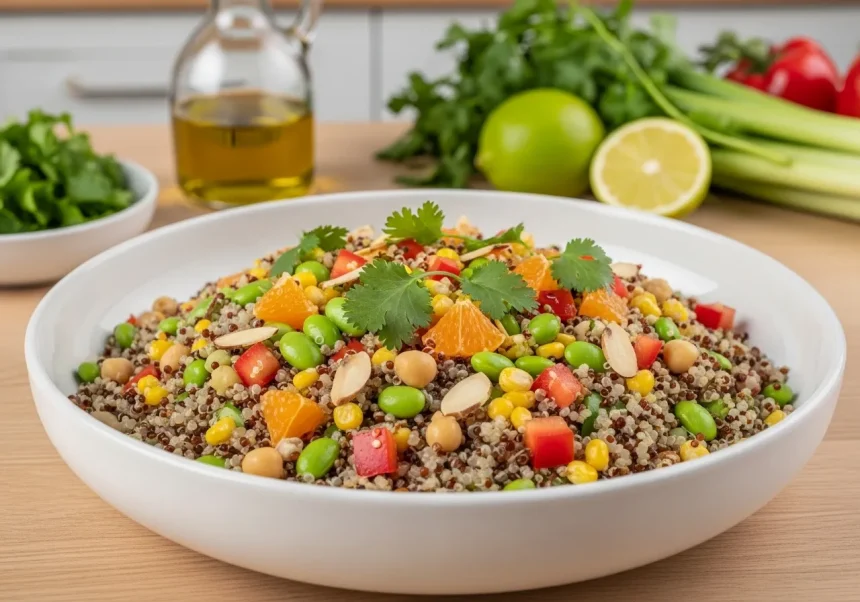
Quinoa Salad with Edamame Recipe
Hello! Let's prepare a salad that has it all: crunchy texture, intense flavor, and an incredible amount of plant-based protein. It's a vibrant dish that combines the softness of quinoa with the «crunchy» touch of cabbage and peanuts, all brought together by a creamy peanut and lime dressing that you'll want to put on everything.
- Quinoa Salad with Edamame Recipe
- Preparation time
- Ingredients
- Utensils we will use
- Preparation
- Cooking the quinoa base
- Preparing the powerful dressing
- Assembling the vegetables and proteins
- Final mix and seasoning
- To finish and serve
- Nutritional Information
- 5 keys to make it perfect
- When is it ideal to enjoy it?
- Comparison table
- Frequently asked questions (FAQ)
- Share your experience
- Culinary glossary
Preparation time
This recipe is designed to be efficient and respect your time in the kitchen, ideal for those looking to eat well without spending hours in front of the stove.
- Preparation: 15 minutes
- Cooking: 15 minutes
- Total: 30 minutes
- Servings: 4 to 6 people
- Difficulty: Easy
Ingredients
- ¾ cup raw quinoa (uncooked)
- 1 ¼ cups chicken broth or vegetable broth (for cooking the quinoa)
- 2 cups frozen edamame (shelled, just the beans)
- 1 can chickpeas (drained and rinsed)
- 4 cups coleslaw mix (shredded cabbage)
- 5 green onions (scallions), thinly sliced
- ¼ cup roasted peanuts (lightly salted), coarsely chopped
- Salt and pepper to taste
- Fresh herbs like cilantro (Optional)
For the creamy peanut and lime dressing
- ⅓ cup natural peanut butter
- 2 tablespoons soy sauce
- 2 teaspoons sesame oil
- ¼ cup rice vinegar
- Juice of half a lime (green lemon)
- 2 tablespoons honey (or maple syrup)
- 1 tablespoon sriracha sauce (adjust if you like it spicier)
- 2 green onions (scallions), cleaned
- 2 cloves of garlic
- 1 to 3 tablespoons water (to lighten the mixture if necessary)
If you don't have quinoa, you can replace it with brown rice, couscous, or even try something different like a wild rice salad that provides a similar texture. If you don't have edamame, tender peas or small fava beans are a good substitute, although the flavor will change slightly. For the dressing, if you are allergic to peanuts, almond or cashew butter works wonderfully.
Utensils we will use
- Medium pot with lid (for the quinoa)
- Fine mesh strainer
- Small blender or food processor
- Large mixing bowl
- Chef's knife and cutting board
- Wooden spoon or silicone spatula
- Measuring cups and spoons
Preparation
Cooking the quinoa base
The first thing is to cook the quinoa following the package instructions, but with an important trick: we will use broth (chicken or vegetable) instead of plain water. This infuses flavor from within the grain.
- Rinse the quinoa under the tap using a fine sieve to remove the natural bitterness.
- Put the quinoa and broth in the pot over high heat until it boils.
- Reduce the heat to low, cover and let cook for about 15 minutes or until the liquid is absorbed.
- Remove from heat and let rest covered for 5 more minutes. Then, fluff the grains with a fork and let cool.
- Rinse the quinoa under the tap using a fine sieve to remove the natural bitterness.
- Put the quinoa and broth in the pot over high heat until it boils.
- Reduce the heat to low, cover and let cook for about 15 minutes or until the liquid is absorbed.
- Remove from heat and let rest covered for 5 more minutes. Then, fluff the grains with a fork and let cool.
Preparing the powerful dressing
While the quinoa cools, we are going to create the magic of the dish: the sauce. This step is quick if you use a blender.
- Place in the blender cup: the peanut butter, soy sauce, sesame oil, rice vinegar, lime juice, honey, sriracha, the 2 whole green onions (without root) and the peeled garlic cloves.
- Blend at medium-high speed for about 20 seconds until a smooth and homogeneous cream is obtained.
- Observe the texture: if it is too thick, add water spoon by spoon and blend again until it has the consistency of a light cream that can fall from the spoon. Set aside.
- Place in the blender cup: the peanut butter, soy sauce, sesame oil, rice vinegar, lime juice, honey, sriracha, the 2 whole green onions (without root) and the peeled garlic cloves.
- Blend at medium-high speed for about 20 seconds until a smooth and homogeneous cream is obtained.
- Observe the texture: if it is too thick, add water spoon by spoon and blend again until it has the consistency of a light cream that can fall from the spoon. Set aside.
Assembling the vegetables and proteins
Now we are going to combine all the elements in the large bowl. The mix of textures is key here.
- In the large bowl, add the already cooked and cold quinoa.
- Incorporate the thawed edamame (they don't need extra cooking if they already come ready to eat, just room temperature).
- Add the well-drained chickpeas. If you like this type of legume, you will also love to try a fresh chickpea and cucumber salad on another occasion.
- Add the cabbage mix (coleslaw) and the finely chopped green onions.
- Sprinkle the chopped peanuts on top to ensure that crunchy touch in every bite.
- In the large bowl, add the already cooked and cold quinoa.
- Incorporate the thawed edamame (they don't need extra cooking if they already come ready to eat, just room temperature).
- Add the well-drained chickpeas. If you like this type of legume, you will also love to try a fresh chickpea and cucumber salad on another occasion.
- Add the cabbage mix (coleslaw) and the finely chopped green onions.
- Sprinkle the chopped peanuts on top to ensure that crunchy touch in every bite.
Final mix and seasoning
The final step is to integrate the flavors so that each ingredient is impregnated with the dressing.
- Pour the peanut and lime dressing over the salad.
- Use two spoons or tongs to stir gently until everything is well covered and shiny.
- Taste a little and adjust salt and pepper if necessary.
- Pour the peanut and lime dressing over the salad.
- Use two spoons or tongs to stir gently until everything is well covered and shiny.
- Taste a little and adjust salt and pepper if necessary.
To finish and serve
Once mixed, you can serve immediately, but I recommend letting it rest for about 10 minutes for the flavors to settle. Serve in individual bowls and, if desired, decorate with a little more fresh cilantro or some extra sesame seeds. Accompany this dish with a refreshing drink; it is a complete meal on its own, but it also works excellent as a side dish for roasted proteins. If you are looking for similar options to accompany main courses, the tropical chicken salad is another excellent fresh alternative.
Nutritional Information
- Calories: 584 kcal
- Proteins: 26 g
- Fats: 22 g
- Carbohydrates: 77 g
- Fiber: 15 g
Note: Nutritional values are approximate estimates per serving and may vary depending on the specific brands of ingredients used.
5 keys to make it perfect
Making this salad go from «good» to «unforgettable» depends on small technical details that we sometimes overlook. Here I share my secrets to ensure success in your kitchen.
1. Washing the quinoa is non-negotiable.
Many people skip this step, but quinoa has a natural layer called saponin that gives it a bitter, soapy taste. Washing it under cold running water, gently rubbing it until the water runs clear, ensures a smooth and delicious nutty flavor. If you are interested in exploring more about this grain, the Mediterranean quinoa version also requires this crucial step.
2. Control the dressing's texture.
Peanut butter can vary greatly in density depending on the brand. Don't be afraid to add water little by little. We are looking for a texture that «embraces» the ingredients, not a paste that sticks in one place or a liquid that goes to the bottom of the bowl.
3. Edamame: freshness point.
Make sure the edamame are completely thawed and dry before adding them. If they have ice crystals, they will water down the dressing. You can rinse them with warm water and dry them thoroughly with paper towels to speed up the process.
4. The cut of the vegetables matters.
If you use store-bought coleslaw mix, you already have the work done. But if you cut the cabbage yourself, do it in very thin strips (julienne). This makes it easier to eat and integrates better with the small grains of quinoa.
5. Boost the crunch at the end.
If you are not going to serve the salad immediately, save some of the peanuts and add them just before bringing the dish to the table. This way they will keep their crispy texture intact, contrasting with the softness of the chickpeas.
When is it ideal to enjoy it?
This salad is a true culinary wildcard. It's perfect for Sunday «Meal Prep,» as it holds up wonderfully in the refrigerator for several days without wilting too much thanks to the resilience of the cabbage and quinoa. It's ideal for taking in a container to the office because it doesn't need reheating; it's enjoyed cold or at room temperature. It's also the star at picnics or outdoor summer meals, where we look for fresh but satisfying dishes. If you have a gathering and want to offer variety, you can serve it alongside a tricolor pasta salad to have grain and pasta options.
Comparison table
| Recipe | Key ingredients | Difference/advantage |
|---|---|---|
| Quinoa Salad with Edamame | Quinoa, Edamame, Peanut Sauce | High plant protein and creamy Asian flavor. |
| Classic Greek Salad | Tomato, Cucumber, Feta Cheese | Lighter, grain-free, and acidic Mediterranean flavor. |
| Caesar Salad with Chicken | Romaine Lettuce, Parmesan, Croutons | Green leaf base, dairy dressing, and animal protein. |
| Lebanese Tabbouleh | Bulgur wheat, Parsley, Mint | Very herbaceous, refreshing, and with wheat grain. |
| Caprese Salad | Fresh Mozzarella, Basil, Tomato | Minimalist, dairy, and without complex carbohydrates. |
| Salad of Cold Pasta | Fusilli, Mayonnaise, Vegetables | Wheat flour base, softer and heavier texture. |
| Lentil Salad | Lentils, Bell Pepper, Vinaigrette | Legume as the main base, earthier flavor. |
Frequently asked questions (FAQ)
Share your experience
Cooking is for experimenting and sharing. I would love to know how this salad turned out for you, if you dared to try any changes to the ingredients, or if you gave the dressing your personal touch. Leave your comment and share your own little tricks so we can all keep learning!
Culinary glossary
- Saponin: Natural substance that coats quinoa grains and gives them a bitter taste; it is removed by washing the grain with water.
- Julienne: A cutting technique that consists of chopping vegetables into long, very thin strips.
- Blanch: Quick cooking technique in boiling water followed by a thermal shock in cold water, often used for vegetables like edamame.
- Emulsify: To mix two liquids that normally do not combine (like oil and vinegar) by beating until a homogeneous and creamy mixture is achieved.
- Edamame: Japanese name for immature soybean pods, highly valued for their high protein content and mild flavor.




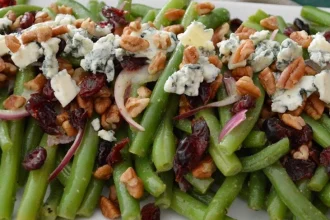
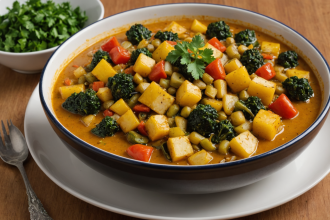
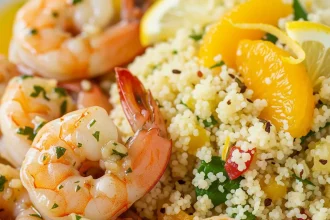
Simple and delicious, this ‘Quinoa Salad with Edamame’. I added a touch of lemon and it turned out great.
Impeccable texture and flavor, this ‘Quinoa Salad with Edamame’. I prepared it yesterday and it was spectacular.
Perfect for sharing, this ‘Quinoa Salad with Edamame’ ❤️. I loved how clear the explanation is. I loved how it combines with olives.