
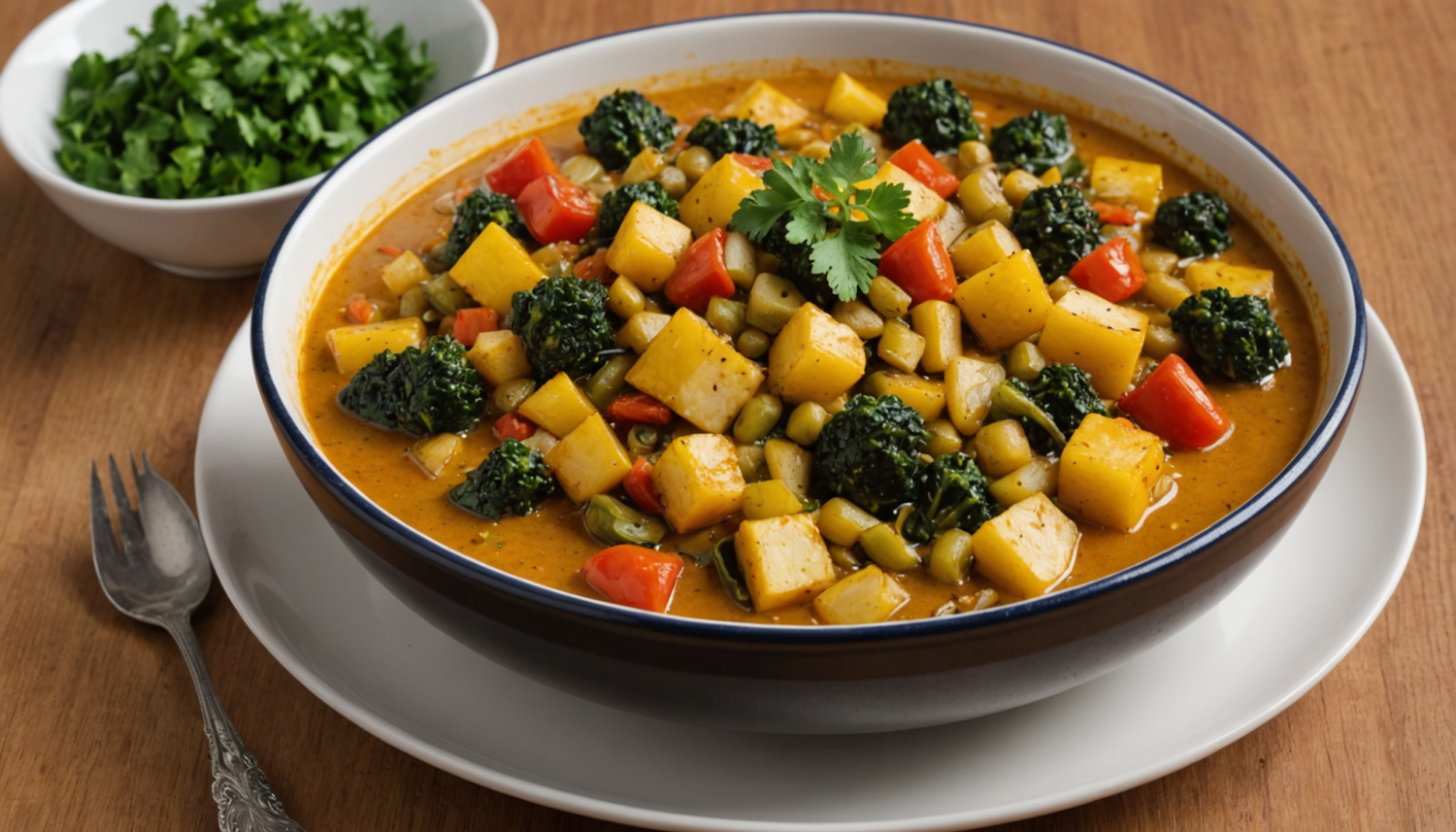
Roasted Vegetable Casserole Recipe with Mustard and Honey Dressing
Hello! We are going to prepare a roasted vegetable casserole that will fill your kitchen with incredible aromas. It's a vibrant dish, where the natural sweetness of the vegetables is enhanced by the oven's heat and balanced with a dressing that is both tart and sweet. Ideal for eating healthy without sacrificing an ounce of flavor.
Preparation time
Getting organized is key in the kitchen. Here's the time breakdown so you can plan your meal stress-free.
- Preparation: 15 minutes
- Cooking: 40 minutes
- Total: 55 minutes
- Servings: 4 people
- Difficulty: Easy
Ingredients
For this recipe, we will look for firm vegetables that can withstand the oven's heat well. Freshness is vital to achieve that crispy-on-the-outside and tender-on-the-inside texture.
For the vegetable base
- 2 medium sweet potatoes
- 3 large carrots
- 1 red onion
- 1 red bell pepper (Optional)
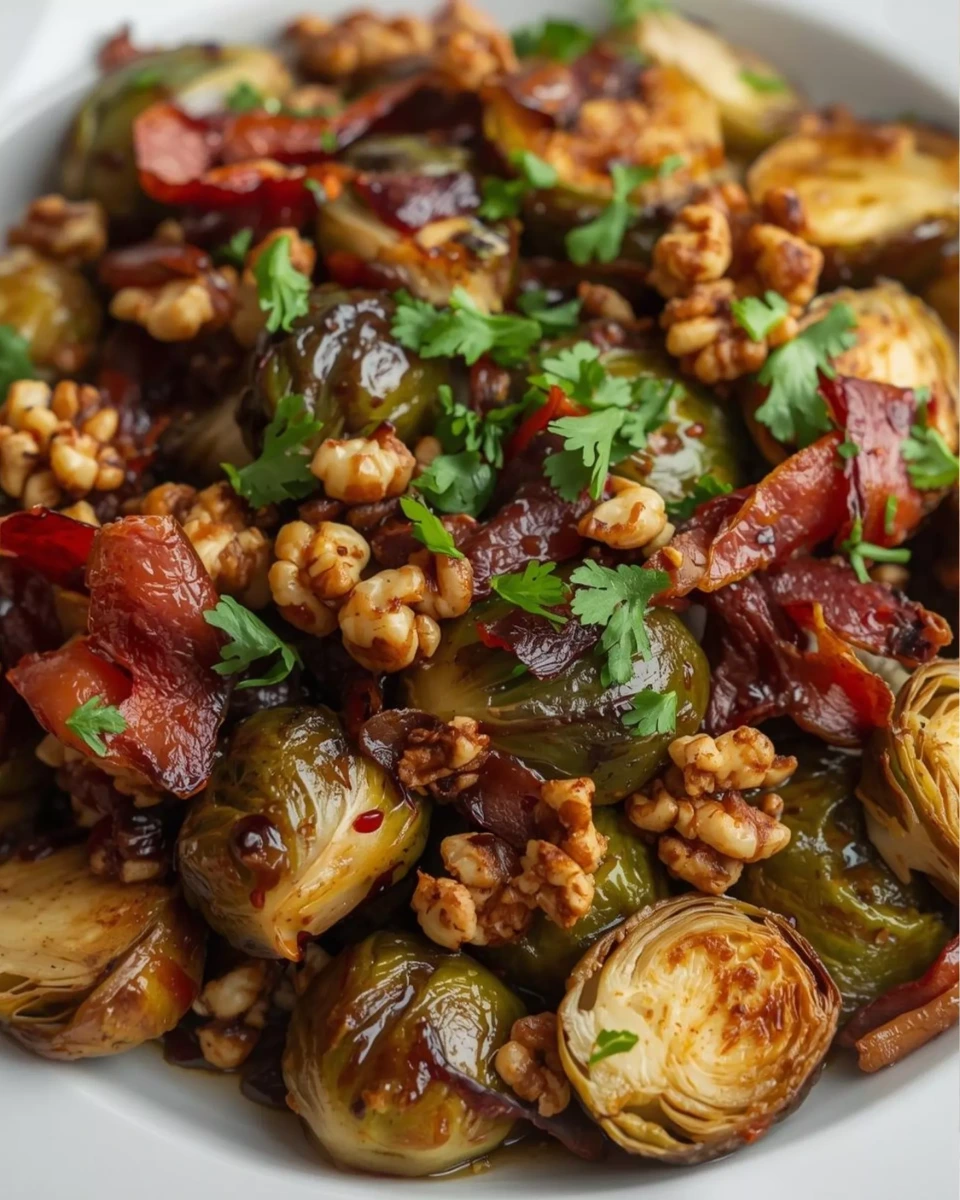
- 300 g Brussels sprouts (or broccoli if you prefer)
- 2 tablespoons of extra virgin olive oil
- Salt and black pepper to taste
For the mustard and honey dressing
- 3 tablespoons olive oil
- 2 tablespoons Dijon mustard (or whatever you have at home)
- 2 tablespoons of honey
- 1 teaspoon apple cider vinegar
- 1/2 teaspoon dried rosemary or thyme
In case you can't find Brussels sprouts, you can substitute them with cauliflower or broccoli florets. If you switch to broccoli, add it to the casserole 10 minutes after the rest of the vegetables, as it cooks faster. If you like to explore flavors with vegetables, you might be interested in trying some Mediterranean style vegetables on another occasion.
Utensils we will use
We don't need sophisticated equipment, just basic tools you surely have in your drawers.
- Large cutting board
- Chef's knife (or the one that cuts best)
- Vegetable peeler
- Small bowl or jar with lid (for the dressing)
- Spoon or small whisk
- Large baking dish, clay pot, or metal tray
- Spatula or large spoon for mixing
Preparation
Preheat and prepare the environment
First, turn on the oven to 200°C (400°F). We need a medium-high heat so that the vegetables brown and don't just steam. While the oven heats up, wash all the vegetables very well under cold running water and dry them with a clean cloth or paper towel. Excess water can create unwanted steam.
Cutting the root vegetables
Take the peeler and remove the skin from the sweet potatoes and carrots. Now, with the knife on the board:
- Cut the sweet potatoes into cubes of approximately 2 to 3 centimeters.
- Cut the carrots into thick slices or sticks of the same thickness as the sweet potatoes.
- It is essential that the pieces are similar so that they cook at the same time.
- Cut the sweet potatoes into cubes of approximately 2 to 3 centimeters.
- Cut the carrots into thick slices or sticks of the same thickness as the sweet potatoes.
- It is essential that the pieces are similar so that they cook at the same time.
Soft vegetable cut
Peel the red onion and cut it into «wedges» or thick feathers; if you chop it too finely it will burn. For Brussels sprouts, remove the outer leaves if they are unsightly, trim the stem a little and cut them in half vertically. If using bell pepper, remove the seeds and cut it into large squares.
Preparation of the dressing
In the small bowl, we are going to create the magic of this dish, very similar to the technique used for a pork with mustard sauce, but adapted for vegetables:
- Pour the 3 tablespoons of olive oil, mustard, honey, vinegar, and dried herbs.
- Whisk vigorously with a fork or small whisk until you see the mixture become opaque and thick (this is emulsifying).
- Pour the 3 tablespoons of olive oil, mustard, honey, vinegar, and dried herbs.
- Whisk vigorously with a fork or small whisk until you see the mixture become opaque and thick (this is emulsifying).
Mixing and initial baking
Place all the cut vegetables directly into the baking dish. Pour the dressing over them. With clean hands or a spatula, stir well so that each piece is coated with the mustard and honey sauce. Spread them in a single layer; do not overcrowd them.
- Put the dish in the oven.
- Cook for 20 minutes.
- Put the dish in the oven.
- Cook for 20 minutes.
Stir and finish cooking
After the first 20 minutes, carefully open the oven. Use the spatula to move the vegetables, flipping them so they brown on the other side. Return the dish to the oven and cook for another 20 minutes or until, when pricking the sweet potato and carrot with a fork, they feel tender and the edges are golden and caramelized.
To finish and serve
Remove the casserole from the oven and let it rest for about 2 or 3 minutes. Taste a carrot (being careful not to burn yourself) and adjust the salt if necessary. Serve hot directly from the dish to retain warmth. This dish is a spectacular accompaniment to proteins; for example, it's divine alongside a baked chicken with herbs or even as a light main course if served over a bed of grains.
Nutritional Information
- Calories: 210 kcal
- Proteins: 3 g
- Fats: 9 g
- Carbohydrates: 32 g
- Fiber: 5 g
Note: The values presented are approximations per serving and may vary slightly depending on the size of the vegetables and the brand of ingredients used.
5 keys to make it perfect
Sometimes we follow the recipe to the letter and the result is not as expected. Here I explain why these small failures occur and how to fix them so your vegetables turn out restaurant-quality.
1. Space is vital. If you put too many vegetables on a small tray, they will pile up on top of each other. Instead of roasting with hot air, the water they release will create steam, and you'll end up with cooked vegetables, similar to some steamed vegetables, but without that delicious crispy texture.
2. Uniformity in cutting. It's not just aesthetics. If you cut a huge piece of sweet potato and a tiny piece of carrot, the small one will burn before the large one is cooked. Take your time to chop evenly.
3. The correct temperature. Don't be afraid of the heat. Roasting requires at least 200°C. If you set it lower, they will take a long time and dry out inside before browning on the outside.
4. The time for salt. Salt makes vegetables «sweat» (release water). Add it just before putting them in the oven along with the dressing, don't let them sit with salt half an hour before.
5. Dare to caramelize. Those dark brown edges on onions or sweet potatoes are not burnt, it's the caramelization of natural sugars and honey. That's where the deepest flavor lies.
When is it ideal to enjoy it?
This casserole of roasted vegetables is a wonderful wildcard. It's perfect for fall and winter family dinners because root vegetables provide a comforting feeling. It also works wonderfully as a side dish for festive celebrations, as you can prepare it in large quantities and the red, orange, and green colors look beautiful on the table. If you're looking for something lighter for a weeknight dinner, serve it alone or accompanied by something mild like a cauliflower puree creamy.
Comparison table
Sometimes we get confused between different vegetable cooking methods. Here I'll help you differentiate this recipe from other popular options.
| Recipe | Key ingredients | Difference/advantage |
|---|---|---|
| Roasted Casserole (This recipe) | Sweet Potato, Honey, Mustard | Crispy texture and intense sweet and sour flavor. |
| Steamed Vegetables | Broccoli, Water, Salt | Moist cooking, neutral flavor, no added fats. |
| Vegetable Medley | Peas, Ham, Broth | Stewed with liquid, very soft texture. |
| Wok or Sautéed | Pepper, Soy Sauce | Very fast cooking over extreme heat, al dente texture. |
| Vegetable Gratin | Cheese, Cream, Potato | More caloric and heavy due to dairy. |
| Escalivada | Eggplant, Pepper, Garlic | Vegetables roasted whole and peeled afterwards, very soft texture. |
| Tempura | Flour, Ice water, Oil | Deep-fried, crispy texture due to batter. |
Frequently asked questions (FAQ)
Share your experience
Cooking is for experimenting and sharing. I'd love to know how this casserole turned out for you. Did you add any personal touch? Perhaps a little spice or a different herb? Leave your comment and share your own tips with the community!
Culinary glossary
- Emulsify: It is the process of mixing two liquids that normally do not combine well, such as oil and vinegar (or honey), by whisking until a homogeneous and creamy mixture is achieved.
- Caramelize: Culinary reaction where the natural sugars in food brown with heat, providing dark color and a sweet and complex flavor.
- Al dente: Term indicating that the food (pasta or vegetable) is cooked but still retains a slight firmness when bitten, it is not mushy.
- Julienne: Cutting technique into thin, elongated strips. Although we use cubes here, it's good to know for other recipes.
- Bain-marie: Method of gently heating an ingredient by placing its container inside another container with hot water, used to melt honey or chocolate without burning them.
Simple and delicious, this ‘Roasted Vegetable Casserole with Mustard and Honey Dressing’. It was very generous and perfect for sharing.
This ‘Roasted Vegetable Casserole with Mustard and Honey Dressing’ looks incredible. It was very generous and perfect for sharing. keep sharing more like this .
What a great idea . It was very generous and perfect for sharing.
Super recipe, this ‘Roasted Vegetable Casserole with Mustard and Honey Dressing’. I prepared it yesterday and it was spectacular. with freshly ground pepper it was even better.