
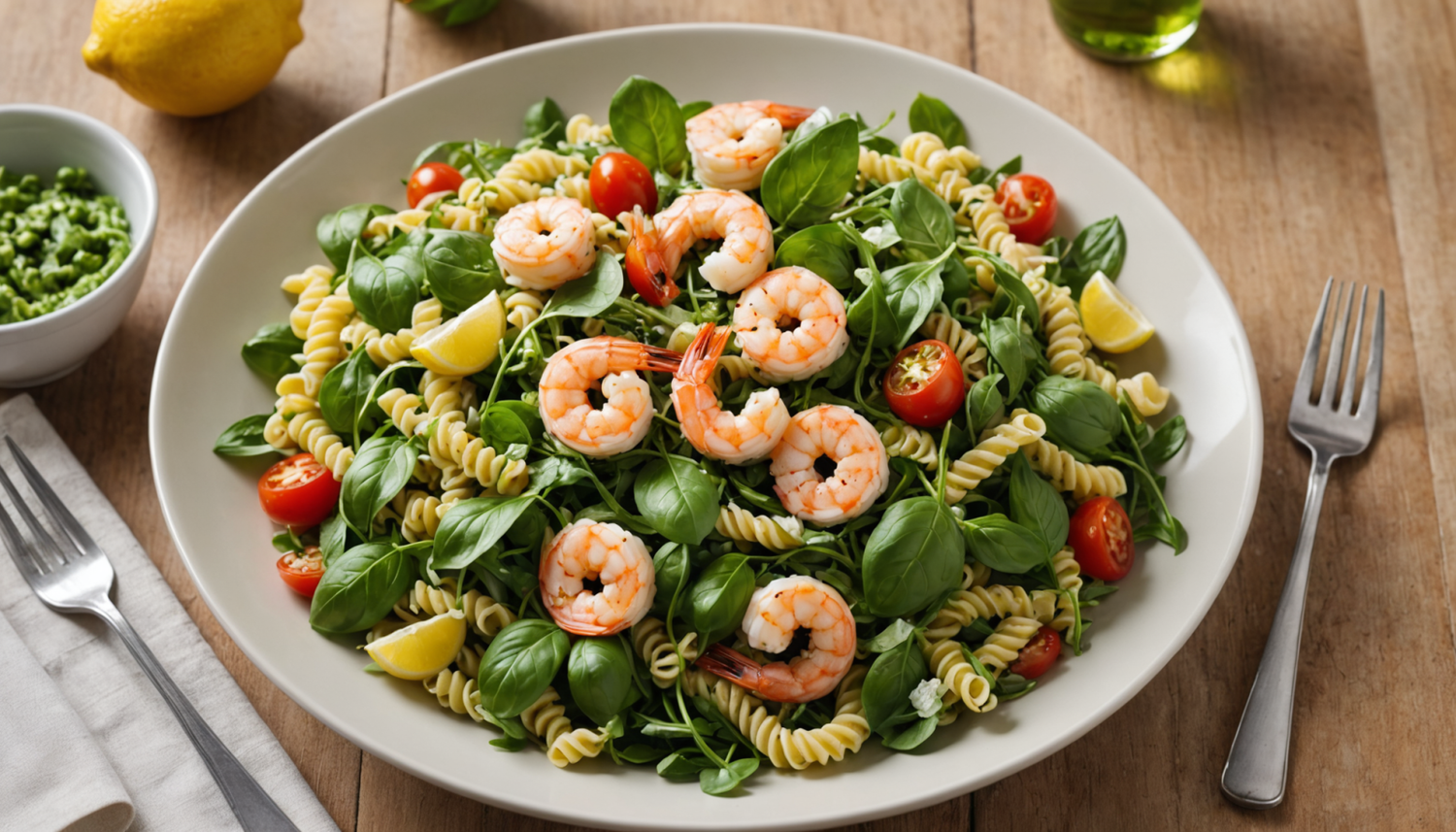
Recipe for Cold Pasta Salad with Lemon Shrimp, Arugula, and Basil Pesto
Hello! Let's prepare together a cold pasta salad with lemon shrimp that will become your favorite for hot days or when you're simply looking for something fresh and nutritious. The combination of the citrus touch with the intensity of the arugula and homemade pesto creates an incredible balance that will make you want more.
Preparation time
To organize ourselves well in the kitchen, here are the estimated times so that everything turns out perfectly and without rushing.
- Preparation: 20 minutes
- Cooking: 12 minutes
- Total: 32 minutes (plus cooling time)
- Servings: 4 people
- Difficulty: Easy
Ingredients
For this dish to shine, freshness is key. Here's what we'll need, divided by sections so you don't forget anything at the supermarket.
For the base
- 300 g dry short pasta (fusilli, penne, or farfalle work very well)
- 100 g fresh arugula leaves, washed and dried
- 200 g cherry tomatoes
- Coarse salt for the pasta water
For the lemon shrimp
- 400 g medium shrimp, raw, peeled, and deveined
- 2 tablespoons of extra virgin olive oil
- Zest of 1 yellow lemon
- Juice of half a lemon
- 1 finely chopped garlic clove
- Salt and freshly ground black pepper to taste
- A pinch of chili flakes (optional, if you like spicy)
For the homemade basil pesto
- 2 cups fresh basil leaves (without thick stems)
- 1/3 cup pine nuts (or walnuts if you prefer a more economical option)
- 1/2 cup fresh grated Parmesan cheese
- 1/2 cup extra virgin olive oil (approximately, adjust texture)
- 1 small garlic clove (without the central germ)
- Salt to taste
If you can't find pine nuts, you can perfectly substitute them with walnuts or peeled almonds; the flavor changes slightly but is still delicious. In case you don't have time to make pesto from scratch, you can use a good quality store-bought one, although homemade always provides a superior aroma. If you like creamy combinations, this recipe has a texture reminiscent of the smoothness of a pasta salad with shrimp and avocado, but with a more herbaceous profile.
Utensils we will use
You don't need professional equipment, what you have at home is enough.
- Large pot for cooking pasta
- Pasta strainer
- Large non-stick pan
- Large bowl or salad bowl for mixing
- Blender, food processor, or mortar (for the pesto)
- Sharp knife and cutting board
- Fine grater (for the lemon)
- Kitchen tongs or large spoon for stirring
Preparation
Let's go step by step. Don't get overwhelmed, you'll see it's a very logical process and if you follow the order, you'll have everything ready at the same time.
1. Prepare the basil pesto
- Wash and dry the basil. Wash the leaves under the tap with cold water and dry them very well with absorbent paper or a lettuce spinner. It is vital that they are dry so that the pesto does not darken or become watery.
- Process the dry ingredients. In the blender or food processor cup, place the garlic clove, pine nuts (or walnuts) and Parmesan cheese. Blend a little until they break up.
- Add the basil and oil. Add the basil leaves and a portion of the olive oil. Process in short pulses. Gradually add the rest of the oil until you get an emulsified sauce but with texture.
- Season. Taste and add salt to your liking. Reserve in a small bowl. If you are not going to use it immediately, cover the surface with a thin layer of oil to prevent it from oxidizing.
2. Cook the pasta
- Boil the water. Place the large pot with plenty of water over high heat. When it comes to a vigorous boil, add a generous handful of coarse salt.
- Cooking the pasta. Add the pasta and stir immediately so it doesn't stick. Cook according to the package minutes, but I recommend tasting it 1 minute before. We are looking for it to be al dente, that is, that it offers a little resistance when bitten.
- Cool the pasta. Drain the pasta and quickly run it under cold water to stop the cooking. This is important in cold salads to maintain a firm texture. Drain very well to remove excess water.
- Reserve. Place the pasta in the large bowl and add a teaspoon of oil or a little pesto so it doesn't stick together while we continue with the recipe.
3. Prepare the lemon shrimp
- Dry the shrimp. Dry the shrimp with paper towels. If they are wet, they will steam instead of browning.
- Heat the pan. Place the pan over medium-high heat with the 2 tablespoons of olive oil.
- Sauté. Add the shrimp in a single layer (do it in two batches if necessary). Add the minced garlic, salt, pepper, and chili flakes.
- Doneness. Cook for about 2 minutes per side or until they change color to an opaque pink and form a «C» shape. Do not overcook them or they will become rubbery.
- Citrus final touch. Turn off the heat. Immediately add the lemon zest and lemon juice over the hot shrimp so they absorb the flavor. Remove from the pan and let cool for a few minutes.
4. Assemble the salad
- Cut vegetables. Wash the cherry tomatoes and cut them in half.
- Mix the base. In the bowl with the pasta, add the basil pesto (the amount is to your liking, I tend to be generous) and mix well so that each piece of pasta is coated in green.
- Integrate ingredients. Incorporate the cherry tomatoes and shrimp (with any juices they have released onto the plate). Mix gently.
- Add the arugula. Just before serving, add the fresh arugula. If you add it too early, the lemon acid and oil can wilt it too quickly.
To finish and serve
Adjust the seasoning by tasting a bit of pasta with shrimp. If you feel it lacks a touch of acidity, you can squeeze a few extra drops of lemon. Serve in deep or shallow plates. If you like to experiment, this base is so versatile that you could change the shrimp and make a tuna pasta salad following the same pesto logic, or even try a more robust version like the pasta and chicken salad if you prefer poultry.
Pair it with a glass of white wine well chilled or mineral water with citrus slices. It's a complete dish, so you don't need many additional side dishes, perhaps a little crusty bread to soak up any leftover pesto on the plate.
Nutritional Information
These values are per-serving estimates to give you an idea of what you are consuming. It is a fresh dish quite balanced.
- Calories: 450 kcal
- Proteins: 25 g
- Fats: 22 g
- Carbohydrates: 42 g
- Fiber: 4 g
Note: Values may vary depending on the amount of oil used in the pesto and the type of pasta chosen.
5 keys to make it perfect
After making this recipe many times, I've learned that the devil is in the details. Here are my secrets.
1. Dry the shrimp well: I insist on this because it's the difference between a golden and flavorful shrimp, and a boiled and sad one. Paper towels are your best friend here.
2. The cold pasta absorbs more sauce: Pasta tends to «drink up» the dressing when it cools. If you notice it's a bit dry when you take it out of the fridge, add a drizzle of extra virgin olive oil or an extra spoonful of pesto before serving.
3. Don't burn the garlic: When sautéing shrimp, garlic burns very quickly and turns bitter. Add it when the shrimp are already in the pan, not before, to protect it.
4. Zest, not just juice: The essential oils of lemon are in the peel. The zest provides a floral and citrus aroma that the juice alone cannot match.
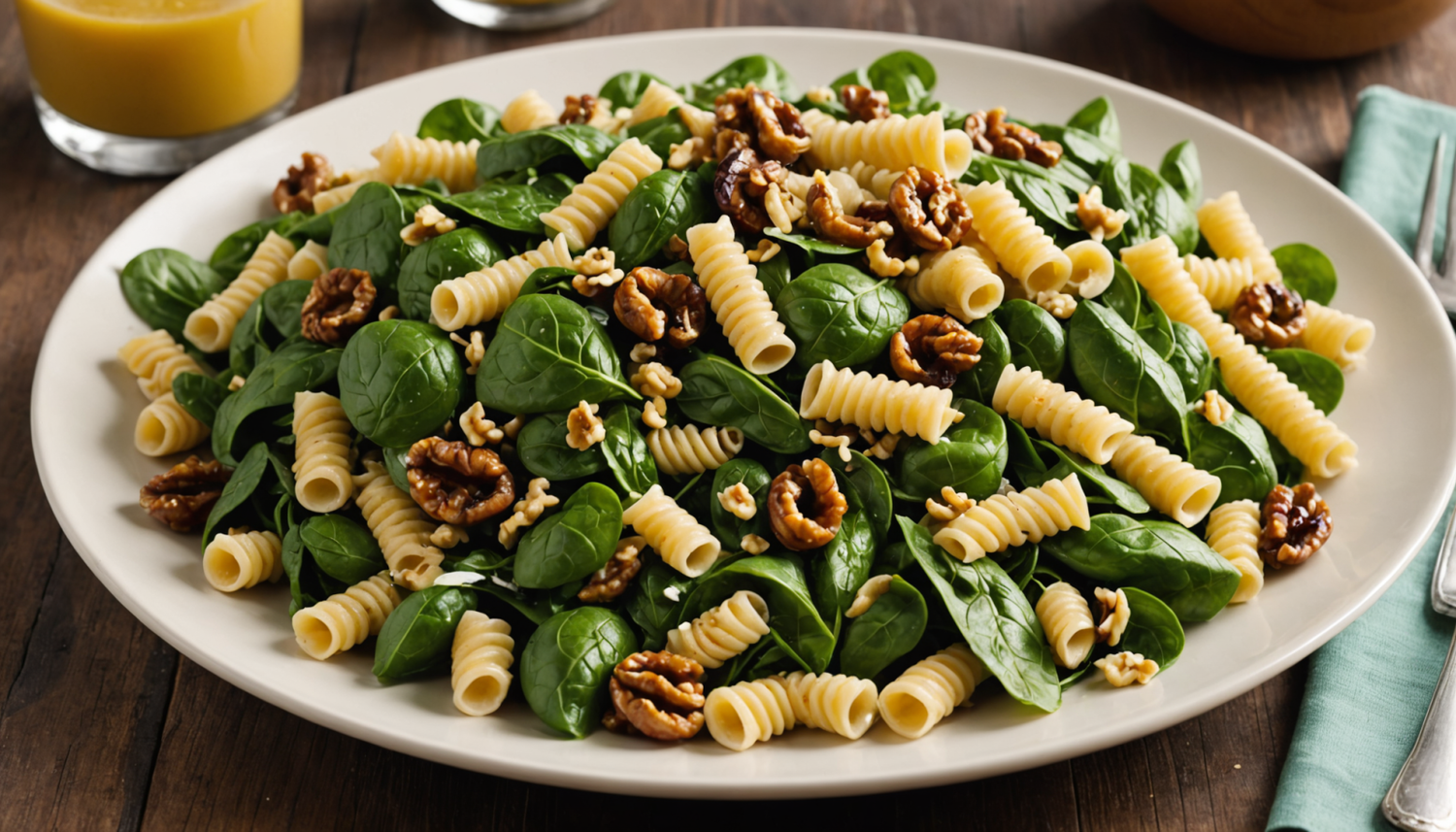
5. Arugula at the end: Maintain the crisp texture by adding the green leaves at the last second. If you're looking for variations with other leaves, the technique is similar to what you would use in a spinach pasta salad, always ensuring freshness.
When is it ideal to enjoy it?
This cold pasta salad is the queen of summer. It's ideal to take to a picnic or the beach because it keeps well at room temperature (though be careful with direct sun due to the shrimp). It's also perfect for those weeknight dinners where you want something quick but that looks elaborate.
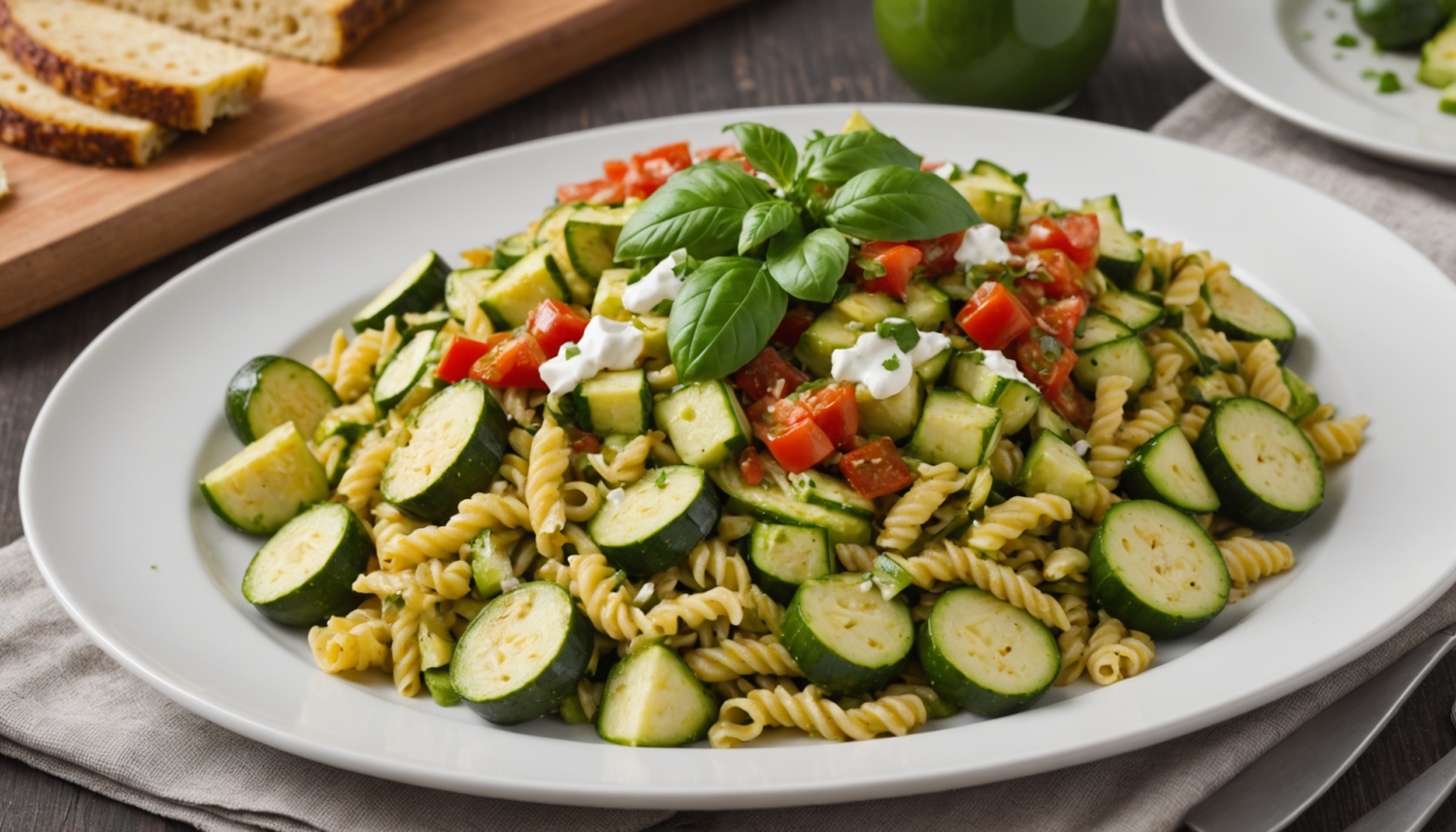
Its freshness makes it excellent as an appetizer at a family garden gathering. As it doesn't require heating at the time of serving, it allows you as a hostess to enjoy the party without being stuck to the stove. If you like vegetarian options for your guests, you could also offer a pasta salad with roasted zucchini, which complements the table very well.
Comparison table
Sometimes we get confused with so many pasta salad options. Here I'll help you differentiate this recipe from other popular ones so you can choose the one you crave most today.
| Recipe | Key ingredients | Difference/advantage |
|---|---|---|
| Pasta with Shrimp and Pesto (This recipe) | Shrimp, Pesto, Arugula | Intense herbal and citrus flavor, light marine protein. |
| Caprese Pasta | Tomato, Mozzarella, Basil | Simpler, vegetarian, and with a mild dairy flavor. |
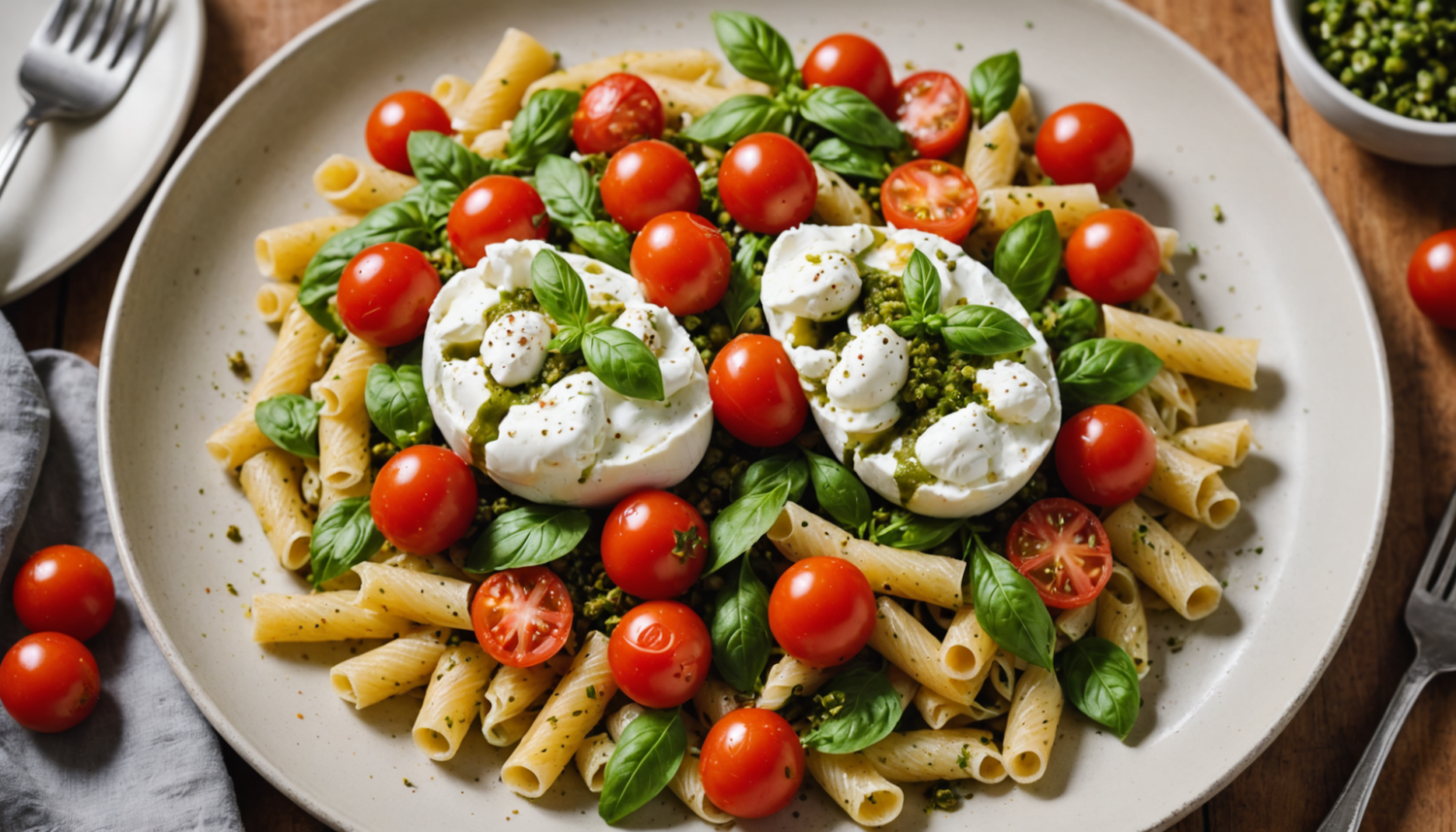
| Pasta Salad with Burrata and Pesto | Burrata, Pesto, Tomatoes | Much creamier and more decadent due to the burrata cheese. |
| Caesar Pasta Salad | Chicken, Lettuce, Caesar Dressing | Anchovy and cured cheese flavor, heavier texture. |
| Greek Pasta Salad | Feta, Black olives, Cucumber | Salty and vinegary profile, without crushed green sauces. |
| Classic Tuna Pasta | Canned tuna, Mayonnaise, Corn | More economical, basic pantry and creamy dressing white. |
| Pasta Primavera | Varied cooked vegetables | 100% focused on vegetables, more neutral flavor. |
Frequently asked questions (FAQ)
Share your experience
Cooking is for experimenting and sharing. I would love to know how this salad turned out for you. Did you add more lemon? Did you use walnuts instead of pine nuts? Leave your comment and share your own little tricks! Seeing photos of your dishes makes my day.
Culinary glossary
- Al dente: Italian term describing pasta cooked to be tender on the outside but retaining some firmness when bitten in the center.
- Emulsify: To mix two liquids that normally do not combine (like oil and water/lemon juice) by whisking until a homogeneous and creamy mixture is achieved.
- Sear: To cook a food (like shrimp) quickly over high heat to brown the surface and keep the juices inside.
- Zest: The colored part of citrus peel, which contains aromatic essential oils, avoiding the white part which is bitter.
- Blanch: A brief cooking technique in boiling water followed by rapid cooling in ice water, used to set the color of vegetables or herbs.
I loved the combination of flavors. I will make it again this weekend. Many thanks for the recipe.
Impeccable texture and flavor in this ‘Cold Pasta Salad with Lemon Shrimp, Arugula, and Basil Pesto’. The recipe is very well explained. I tried it with cherry tomatoes and it was incredible. .