

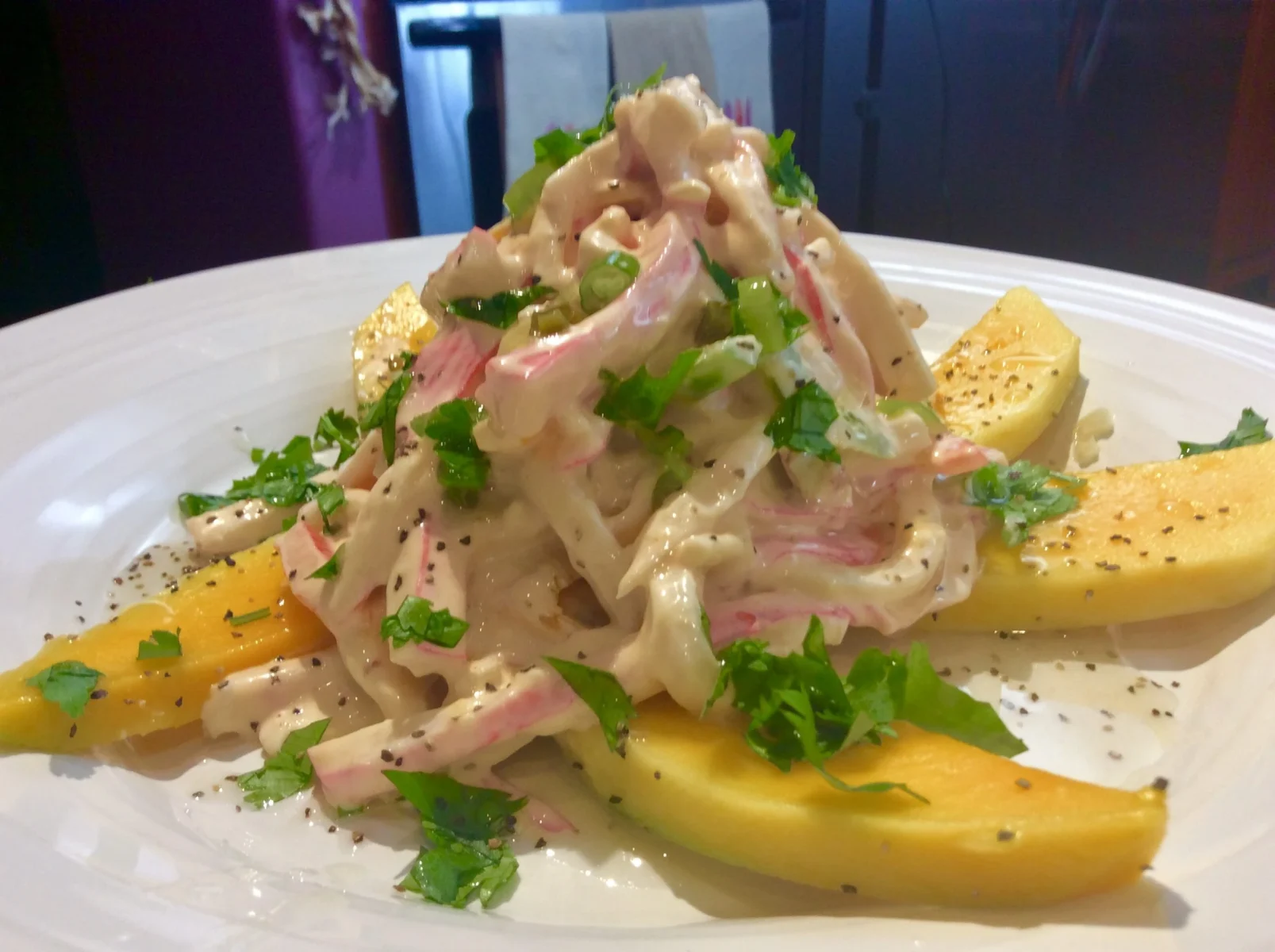
Fresh and Tropical Surimi Salad with Mango Recipe
Hello! We're going to prepare one of those combinations that surprise with the first bite due to its perfect balance between sweet and savory. This salad is ideal for when you're looking for something light but full of flavor, taking advantage of the soft texture of surimi and the juicy freshness of mango. It's a vibrant dish, full of color, and extremely quick to assemble at home.
Preparation time
To organize ourselves well in the kitchen, here's the time breakdown. It's a recipe that doesn't require cooking, which makes it very quick.
- Preparation: 15 minutes
- Cooking: 0 minutes
- Total: 15 minutes
- Servings: 4 people
- Difficulty: Easy
Ingredients
The key to this dish lies in the quality of the fresh produce. Look for a mango that is ripe but firm so it doesn't fall apart when mixed.
For the salad
- 400 g surimi sticks (imitation crab)
- 2 large mangoes (Ataulfo or Tommy type, firm)
- 1 large cucumber
- 1/2 red onion medium
- 1 romaine lettuce or mixed greens
- 1 avocado (Optional)
For the creamy dressing
- 4 tablespoons of mayonnaise
- 2 tablespoons sour cream or Greek yogurt natural
- 1 lemon (juice)
- Salt to taste
- Ground black pepper to taste
- 1 teaspoon soy sauce (Optional, to enhance flavor)
In case you cannot find surimi, you can perfectly substitute it with small cooked shrimp or even well-drained canned tuna, although the flavor will change slightly towards something more intense. If you don't have mango on hand, some creative cooks try with peaches in syrup (well-drained) or fresh pineapple, achieving a similar profile to a mango and cucumber pasta salad that also plays with these contrasts.
Utensils we will use
We don't need sophisticated equipment for this recipe; the basics you have in your drawers are enough to achieve an excellent result.
- Stable cutting board
- Sharp chef's knife or utility knife
- Vegetable peeler
- Large bowl or wide salad bowl for mixing
- Tablespoon or silicone spatula
- Lemon squeezer (or your hands)
- Strainer (for washing vegetables)
Step-by-step preparation
Let's assemble this calmly. The most important thing here is the cutting of the ingredients so that each bite has a little bit of everything.
1. Preparation of the vegetable base
- Deep wash: Wash the cucumber, mangoes, lemon, and lettuce under the tap. Dry everything very well with kitchen paper or a lettuce spinner to prevent water from watering down the dressing later.
- Cucumber cut: Peel the cucumber if the skin is very thick or bitter (you can leave strips of skin for decoration). Cut it lengthwise in half and, with the help of a small spoon, remove the central seeds; this prevents the salad from releasing too much water. Cut the pulp into medium cubes of approximately 1 cm.
- Onion cut: Chop the red onion into very small cubes (brunoise) or very thin slices. If the flavor is too strong for you, you can soak it for 5 minutes in ice water with a splash of vinegar, then drain it well.
- Lettuce preparation: Tear the lettuce with your hands into comfortable bite-sized pieces. Place it at the bottom of your salad bowl.
2. Preparation of the protein and fruit
- Shred or cut the surimi: You have two options: you can cut the surimi sticks into 1 cm thick slices, or you can shred it with your fingers to get thin strips. I prefer cubes or slices to feel the texture, similar to how we would in a citrus shrimp salad. Add it to the bowl.
- Mango cut: Carefully peel the mango. Cut the fruit's «flesh» avoiding the central pit and chop the pulp into cubes the same size as the cucumber (approx 1 cm). Add it to the bowl along with the surimi and vegetables.
3. Preparation of the dressing and mixing
- Creamy base mix: In a separate small bowl, place the mayonnaise and cream (or yogurt). Mix vigorously with a fork or small whisk until combined.
- Citrus seasoning: Add the lemon juice little by little while tasting. Add salt and freshly ground black pepper. If you decided to use the drop of soy sauce, incorporate it now. It should result in a creamy but fluid sauce.
- Final integration: Pour the dressing over the surimi, mango, and vegetable mixture (except for the lettuce if you want it to stay super crispy; in that case, put the dressing only on the surimi mixture and serve over a bed of lettuce).
- Folding movements: With the help of two spoons or a spatula, mix everything with gentle upward motions from bottom to top so as not to mash the mango or break the surimi too much.
To finish and serve
Once everything is well coated with the dressing, adjust the seasoning; sometimes the sweetness of the mango calls for an extra pinch of salt. If you used avocado, cut it into cubes or slices and place it on top just before serving so it doesn't oxidize or fall apart when mixed. Serve cold. You can accompany it with baked corn tostadas or cracker-type savory biscuits.
Nutritional Information
Here is an estimate of what this dish provides per serving. It is a quite balanced option, especially if you control the amount of mayonnaise.
- Calories: 280 kcal
- Proteins: 12 g
- Fats: 14 g
- Carbohydrates: 28 g
- Fiber: 4 g
Note: Values are approximate and may vary depending on the brands of dressings and the size of the fruits used.
5 keys to make it perfect
Sometimes the small details make a big difference between a normal salad and a memorable one. Here I share my secrets.
- Temperature is vital: The surimi and vegetables should be very cold before starting. If the ingredients are at room temperature, the salad feels heavy. Refrigerate the cucumber and mango a couple of hours beforehand.
- The mango's ripeness: Do not use overly ripe or fibrous mangoes. You need the cube to maintain its shape when mixing. If it's too soft, it will turn into a puree and visually mess up the dish.
- Drying ingredients: I insist on removing the seeds from the cucumber and drying the lettuce thoroughly. Excess water is the number one enemy of creamy dressings, making them watery and flavorless.
- Uniform cuts: Try to make sure the cucumber, mango, and surimi are similar in size. This ensures that each spoonful has a balance of flavors and not just a giant piece of a single ingredient.
- Seasoning in layers: Lightly salt and pepper the vegetables before adding the dressing. Cucumber and tomato (if using) absorb salt better directly than through mayonnaise.
When is it ideal to enjoy it?
This salad screams summer and sunny days. It's perfect as a main course for a light dinner when you don't want to go to bed with a heavy stomach, or as a refreshing appetizer at a weekend family meal in the garden. It also works wonderfully to take in a container to the office or to a picnic, as it keeps well if you keep it cool (although I suggest taking the lettuce separately if it's going to be a long time). It is very popular during Lent or Holy Week because it does not contain red meat.
Comparison table
If you like this style of salad but want to see what other similar options exist, here's a quick comparison for you to choose the best one for today.
| Recipe | Key ingredients | Difference/advantage |
|---|---|---|
| Surimi Salad with Mango | Surimi, Mango, Cucumber | Sweet-savory contrast and soft texture |
| Classic Tuna Salad | Tuna, Mayonnaise, Corn | More intense fish flavor and pasty texture |
| Fish Ceviche | Raw fish, Lemon, Chili | It «cooks» in lemon, is acidic and spicy, dairy-free |
| Caesar Salad with Chicken | Lettuce, Parmesan, Croutons | Garlic and anchovy flavor, very crunchy texture |
| Shrimp Cocktail | Shrimp, Ketchup sauce, Witch | Sweet tomato sauce base, more liquid |
| Fruit Salad with Yogurt | Melon, Strawberry, Walnut | Completely sweet, serves as dessert or breakfast |
| Russian Salad | Potato, Carrot, Peas | Cooked starch base, heavier and more filling |
Frequently asked questions (FAQ)
Share your experience
Cooking is for experimenting and sharing. I'd love to know if you dared to try this tropical combination. Did you add any extra touches like chili powder or sesame seeds? Leave your comment and share your own findings with the community!
Culinary glossary
So you don't have any doubts about some terms we used today, here I explain what they mean in a simple way.
- Surimi: Paste made from white fish meat (generally pollock) that is processed, cooked, and textured to imitate seafood such as crab or lobster.
- Brunoise: It is a way of cutting vegetables into very small and uniform cubes, approximately 2 to 3 millimeters per side.
- Desflemar: Technique that consists of softening the strong flavor of ingredients like onion or chilies, generally by soaking them in water with salt, vinegar, or lemon.
- Folding movements: Gentle way of mixing ingredients to incorporate air or prevent them from breaking or crushing; it is done by gently bringing the mixture from the bottom upwards.
- Rectify: To taste the food almost at the end of preparation to adjust the amount of salt, pepper, or acidity as needed.
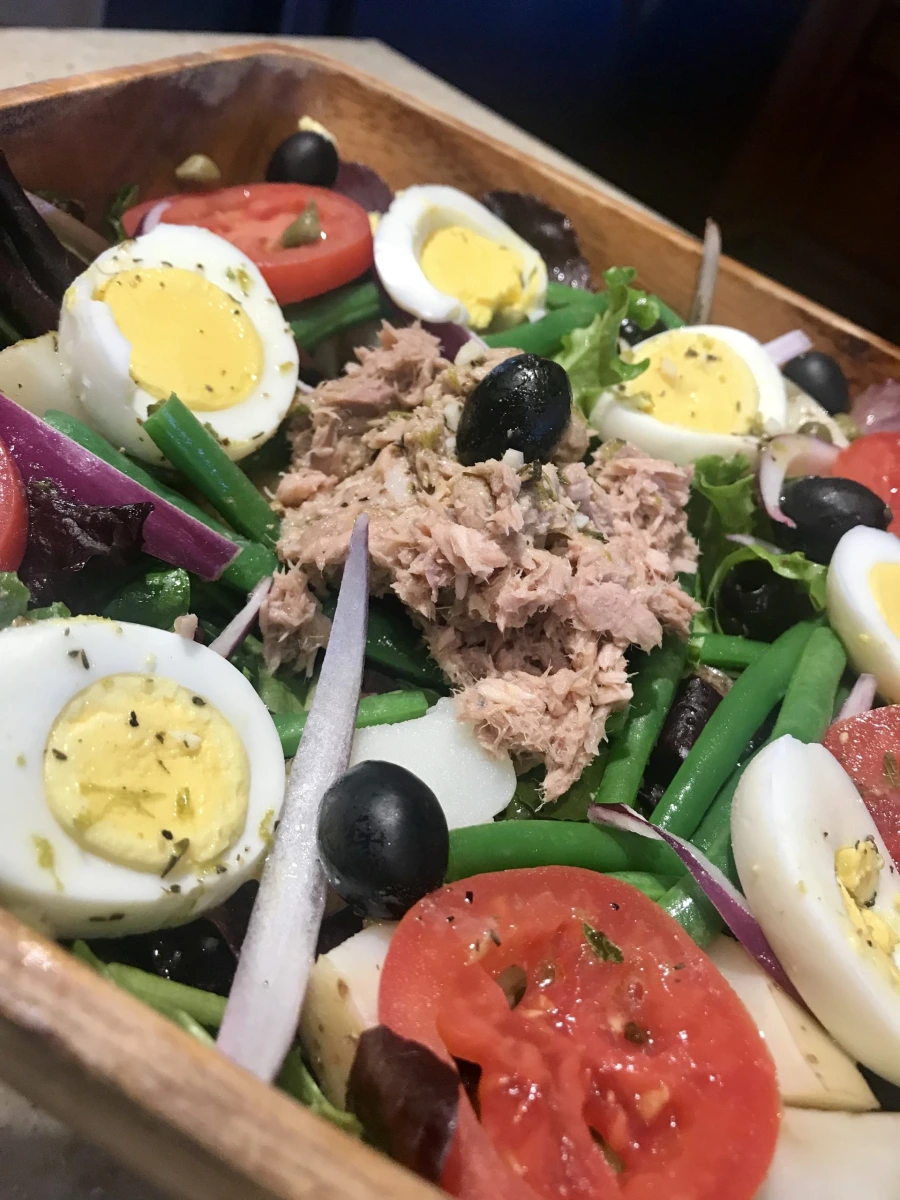
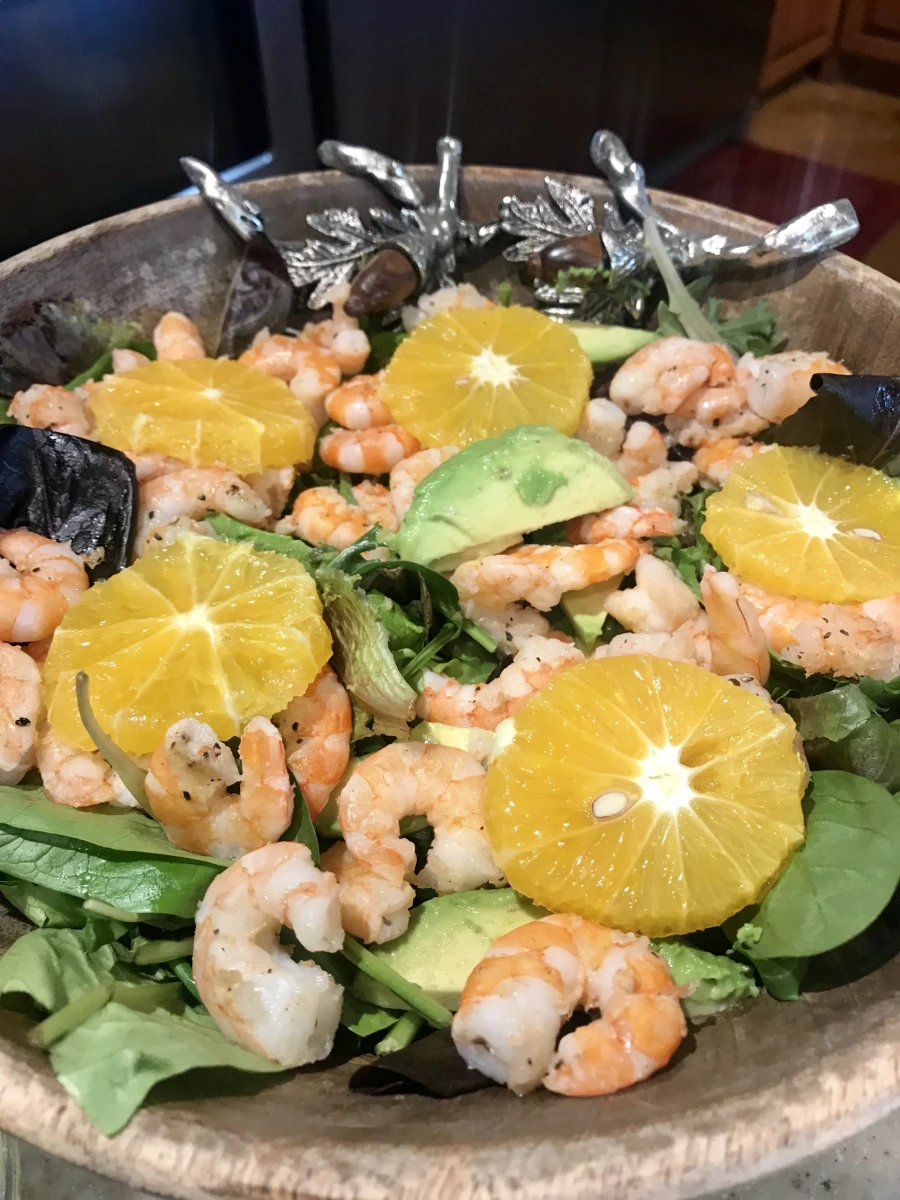
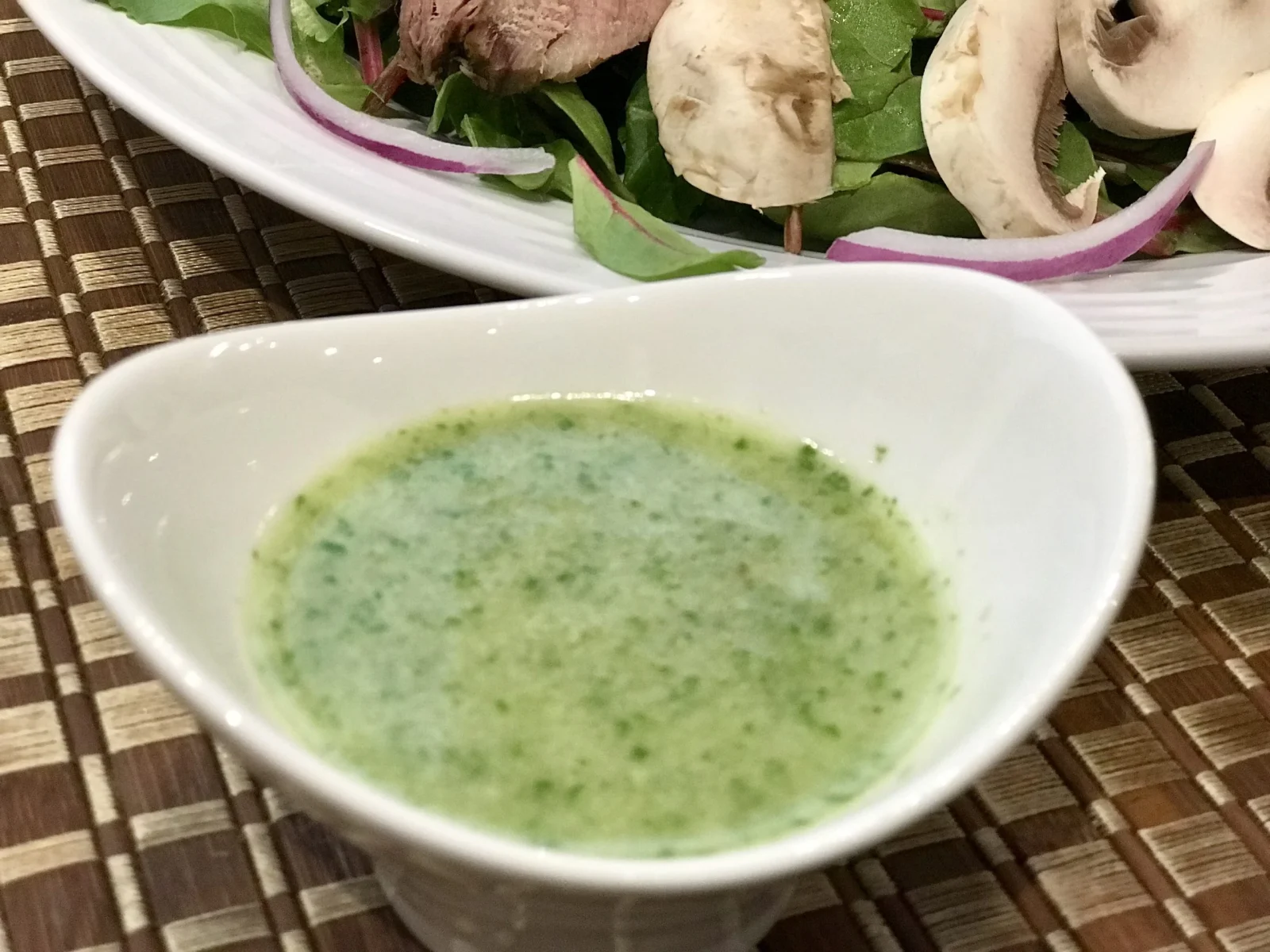
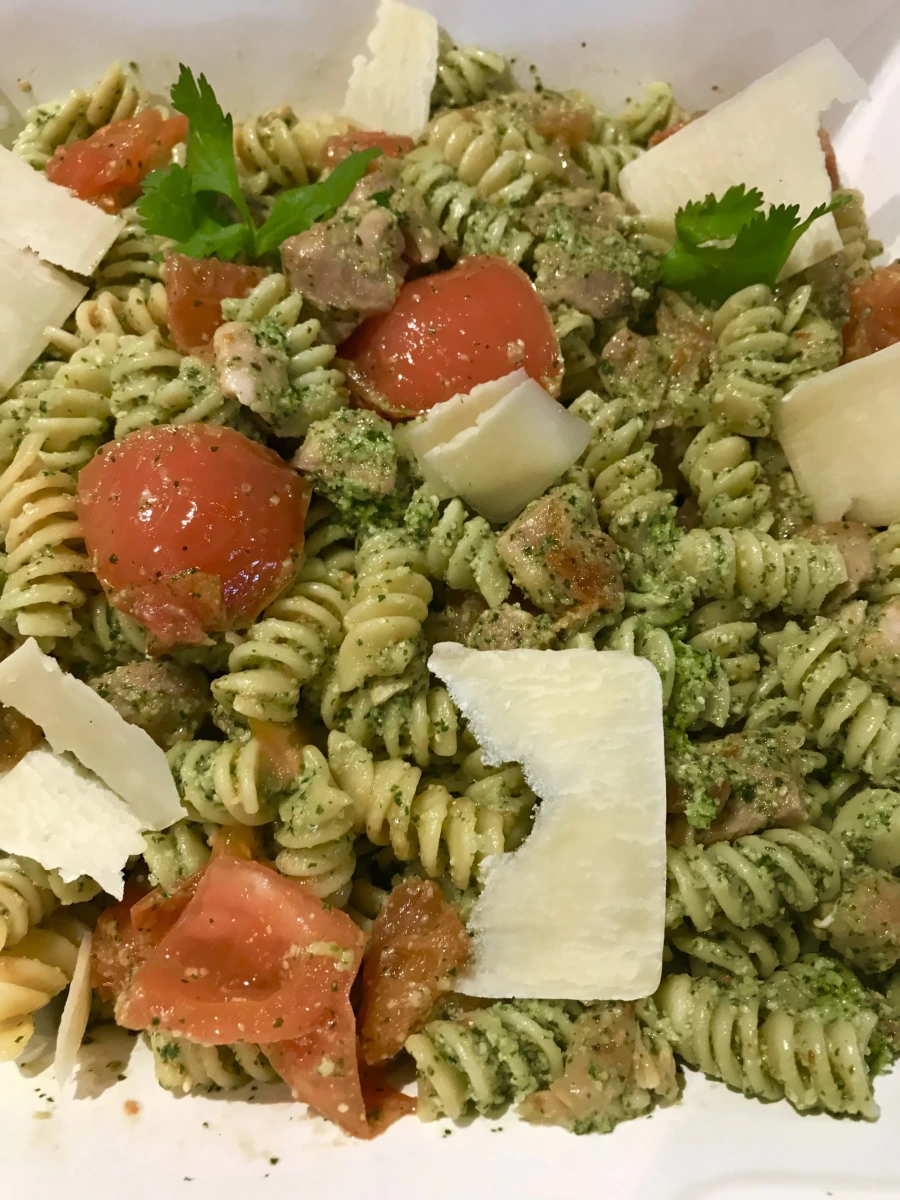
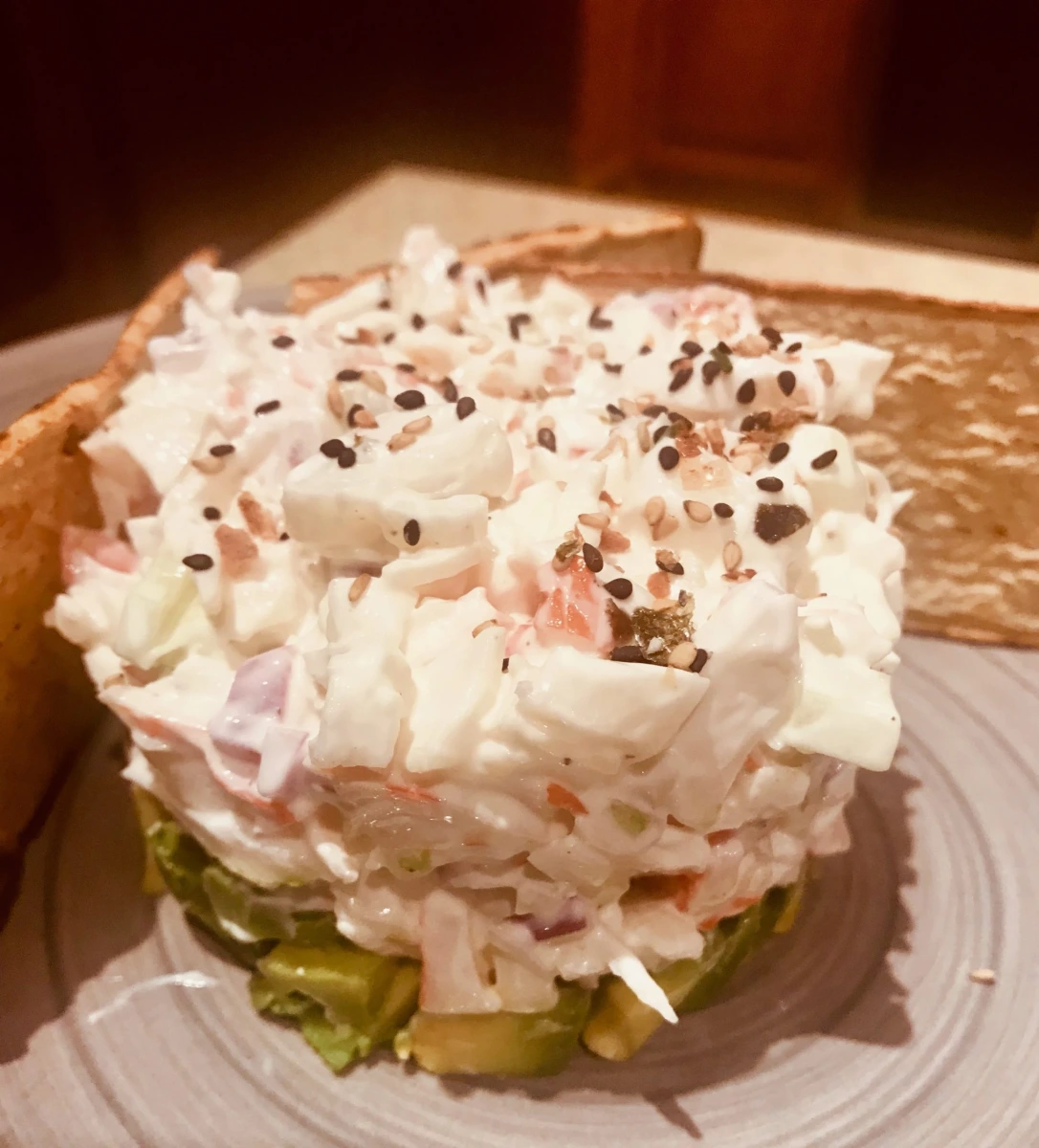
I prepared it exactly as it is from ‘Surimi Salad with Mango’ .
The flavor surprised me. it reminded me of a version I tried on a trip. thanks for sharing .