

Preparation Time Chipotle Tamarind Sauce for Wings
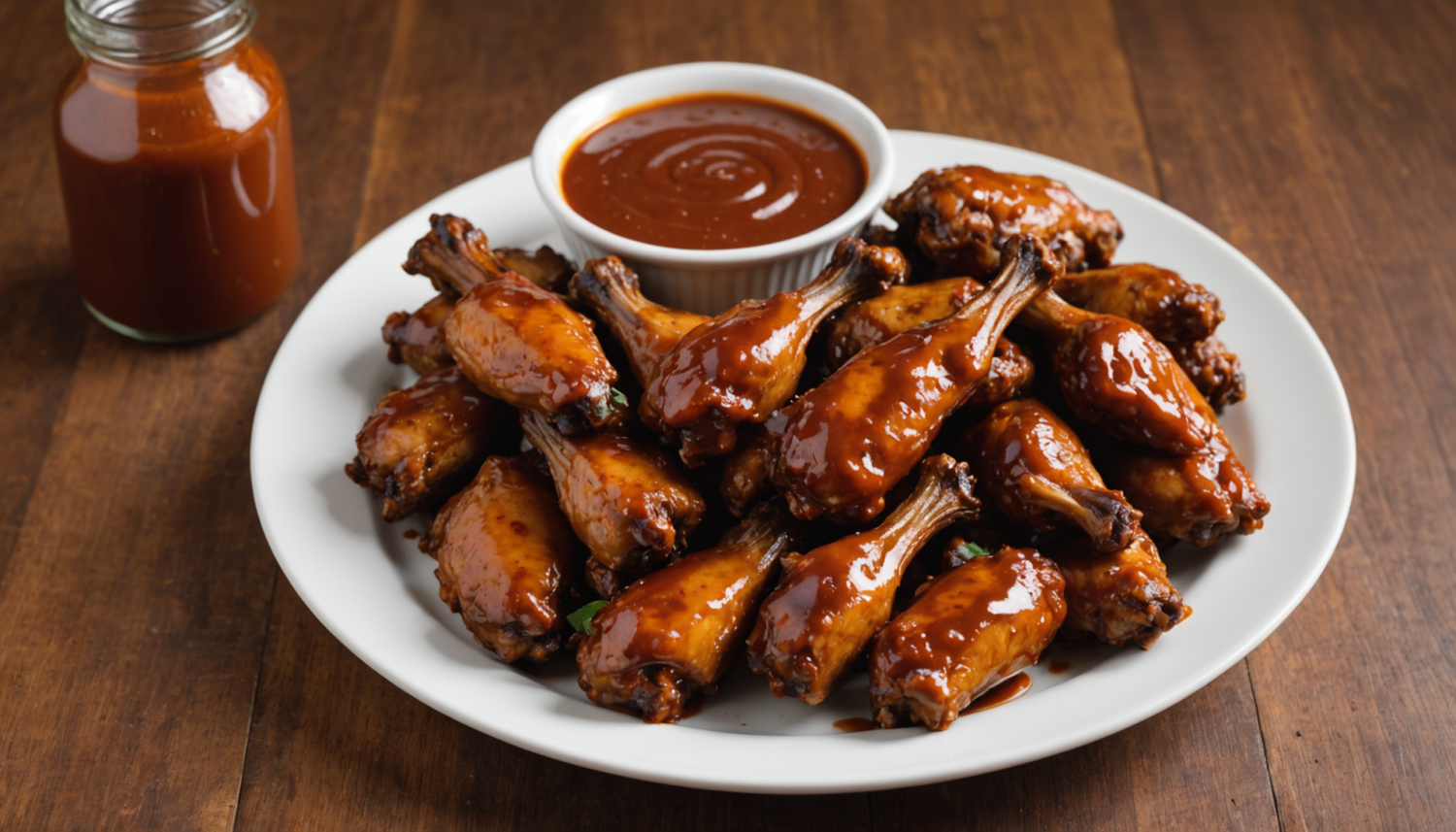
In 20 minutes you can get a sweet and spicy sauce that enhances the flavor of wings. This version with tamarind and chipotle balances acidity, sweetness, and smoke for a result that works on both fried and baked wings. I'll show you a direct and proven process, with simple adjustments to adapt the spiciness to your taste and the occasion. You'll see that the key lies in the smooth creaminess of the tamarind and the controlled intensity of the chipotle, combined with a more neutral sweetness that prevents the sauce from being excessively aggressive. If you're looking for a sauce that looks professional without complications, this option is your perfect ally for picnics, gatherings, or a quick Sunday dinner.
Total recipe time: approximately 20 minutes, with tamarind soaking included in the workflow. With the right technique, each step becomes quick and reproducible, so you can repeat the sauce every time you prepare wings for a group. For a better experience, the sauce maintains its consistency and flavor when served warm or at room temperature, which facilitates the preparation of torches or vegetable dips during the party.
Ingredients for Chipotle Tamarind Sauce for Wings
The quality of each ingredient makes a difference in this sauce. Tamarind provides that distinctive acidity that balances sweetness and enhances flavor. Chipotles in adobo add smoke and mild spiciness, while water regulates texture and fluidity to coat the wings without leaving excess grease. Brown sugar provides subtle molasses that enhances color and flavor, and minced garlic adds aromatic depth without dominating the whole. Below, the list must remain faithful to the original ingredients, without omissions, to preserve the harmony of the dish.
In addition to the tamarind and chipotle base, you can incorporate variations to adapt to different tastes and occasions. For example, if you prefer a more exotic touch, add 1/2 teaspoon of grated ginger to give a citrusy and warm sparkle. If you are looking for a milder version, slightly reduce the amount of chipotle or add an extra pinch of brown sugar to balance the spiciness. This approach will allow you to explore different flavor profiles without losing the essence of the sauce.
Ingredients as they should be used (for the sauce):
- Tamarind – 1 cup
- Chipotle chilies in adobo – 1/2 cup
- Water – 1/4 cup
- Brown sugar – 2 tablespoons
- Minced garlic – 1 teaspoon
If you have access to specific brands and products, these references can enrich the flavor and facilitate recipe management:
– La Costeña for tamarind can ensure consistency in the pulp and puree reduction.
– Doña Chonita or La Anita for chipotles in adobo provide a recognizable smoky background.
– El Yucateco or Chilito Sirilo for spiciness adjustments according to your table's tolerance.
Steps to prepare Chipotle Tamarind Sauce for Wings
Numbered steps for a clean and efficient execution. Each step is designed so you can clip the progression without doubts, as if preparing a gourmet sauce at home. If you already have experience, you will see that the sequence is intuitive and repeatable. In case of variations, I explain practical adjustments so you can adapt the flavor immediately.
- Step 1: Soak the tamarind in hot water for 15 minutes. This step is key to softening the pulp and facilitating the extraction of the acidic essence that will define the sauce. Avoid using water that is too cold or lukewarm; the temperature helps release the sugars and acidity for a uniform texture.
- Step 2: In a blender, combine the soaked tamarind, chipotles in adobo, water, brown sugar, and minced garlic. It is important that the size of the garlic pieces is fine so that it integrates into a homogeneous mixture. If the blender has difficulty with the tamarind, add an additional tablespoon of water to facilitate blending.
- Step 3: Blend until smooth and lump-free. If you prefer it finer, pass the mixture through a sieve to remove fibers or seeds. At this point, you will see a deep brown color with a natural sheen, indicative of the combination of tamarind and chilies. If you prefer a more rustic texture, you can leave some small pieces, but for wings, smoothness favors adherence.
- Step 4: Taste and adjust. Season to taste and modify the amount of chipotles according to your spice tolerance. My advice is to start with 1/4 of the amount and gradually increase; remember that the heat of the sauce intensifies with the cooking of the wings, and the coldness of the table can soften the spicy kick.
- Step 5: Calibrate consistency for coating. If the sauce is too thick, add water in small amounts until you achieve the desired fluidity to coat wings without excessive dripping. If it turns out too liquid, use a little additional tamarind puree or an extra pinch of sugar to balance.
- Step 6: Transfer to a container and rest for 5-10 minutes before using. This rest allows the flavors to integrate and the sauce to gain body at room temperature. You can cover and refrigerate for up to 24 hours to intensify the richness, if you are going to prepare the wings the next day.
With these steps, you now have the base for a sauce that will shine on wings. If you are going to pair it with different types of dishes, I suggest you also try it as a dip for roasted vegetables or as a light glaze for ribs or grilled chicken. At home, it's common to see how everyone's hands adjust the spice and sweetness so that the sauce becomes the signature of the night.
Chef's Recommendations
My recommendation is to approach the sauce with a practical mindset: adjust and taste. You will see that, with a simple technique, any cook can master it. I give you tips that I use in my kitchen to obtain consistent and delicious results, and that you can also apply to other base sauces with tamarind and chilies.
– I recommend always starting with the texture: the sauce should be able to coat the wings without dripping, but without being pasty. Adjust with water or a little tamarind puree to achieve the correct consistency. If you are working with already cooked wings, add the sauce at the end and let it adhere with a few minutes of light heat so that the flavor sets.
– My advice is to consider your kitchen conditions. If you have a powerful blender, you will get a smoother texture. If not, the version with a sieve to remove fibers also works, leaving a brighter and silkier sauce. In both cases, the flavor remains intense and balanced.
– As for variations, try a touch of grated ginger for a citrusy and warm aromatic nuance. If you are looking for a more oriental twist, incorporate a small amount of soy sauce or sesame oil at the end for a subtle umami finish. These modifications do not break the base, they only elevate it.
– For presentation, have an additional sauce on hand to serve separately and allow your diners to adjust the spice level. Serve the wings fresh out of the oven or fried on a clean base; a clear platter helps the intense color of the sauce stand out. At large tables, this tactic prevents the sauce from running out quickly and keeps the experience on point.
– Regarding brands and references, La Costeña and Doña Chonita can be useful for maintaining consistency in presentations. If you want a deeper and more direct flavor, try products from La Anita or La Costeña for tamarind and chilies, which usually provide a stable base to adapt the spice without losing identity.
Nutritional benefits and properties
Knowing what each ingredient contributes helps to understand why this sauce works so well with wings. The combination of tamarind, chipotle, and garlic offers a mix of flavor and benefits that can fit into various diets. Below, I summarize the main nutritional contributions and gastronomic properties, without losing the practical focus for home cooking.
- Tamarind: provides tartaric acid, which balances sweetness and enhances the natural acidity of the entire mixture. Its flavor profile adds complexity without the need for excessive salt.
- Chipotles in adobo: provide smoke and mild spiciness, stimulating appetite and providing capsaicin, which can have mild thermogenic effects and a touch of aromatic value.
- Minced garlic: base ingredient for depth… provides sulfur compounds that aid digestion and add a characteristic aroma.
- Brown sugar: provides natural sweetness that counteracts acidity, in addition to small contributions of minerals like potassium and calcium, depending on the brand.
- Water: acts as a solvent and regulates consistency; helps the sauce coat the wings evenly without leaving an excessively sticky layer.
In terms of diet, the sauce is suitable for vegans and gluten-free when using chipotles and tamarind without additives. If you are watching calories, remember that the portion of sauce per wing can be added in moderation, maintaining the balance between intense flavor and total intake. For those following a vegetarian plan, the sauce works equally well as a dip or as a glaze for roasted vegetable skewers, expanding its versatility at the table.
Some practical notes on nutrition and storage: a 2-tablespoon serving has around 50 kcal, with minimal protein and fat, and a moderate carbohydrate contribution mainly from tamarind pulp and brown sugar. If you want to preserve it, store it in an airtight jar in the refrigerator for up to 2 weeks. the flavor usually evolves slightly over time, developing a greater integration of smoky and acidic notes. If you're looking to prepare in advance for an event, consider doubling the recipe and adjusting the sweetness at the time of serving, so that the sauce maintains its freshness and doesn't melt with the heat of the wings.
5 keys for Chipotle Tamarind Sauce for Wings
This block presents five practical keys to mastering the sauce and turning it into an infallible ally at any gathering or dinner. Each key is based on real cooking experience, with approaches to optimize the process, solve common problems, and achieve an attractive presentation.
- Key 1: Optimize the emulsion when blending. If lumps remain, pass the sauce through a fine sieve or add a little more water to achieve a silky texture. This prevents the sauce from separating due to cooking fat when coating the wings.
- Key 2: Adjust the spiciness gradually. If the table is sensitive to spice, start with less chipotle and add in small portions until the desired level is reached. Tolerance varies between people and between cooked wings, so this approach ensures a correct balance.
- Key 3: Maintain balanced sweetness. Brown sugar also helps to add color and make the sauce adhere better. If the sauce seems too acidic, add a small amount of sugar to round out the flavor without losing the characteristic acidity of tamarind.
- Key 4: Consider applying as a glaze. If you are baking the wings, apply a thin layer of sauce during the last 5-7 minutes so that it caramelizes slightly without burning. Avoid overloading the sauce at the end to maintain a pleasant texture.
- Key 5: Explore safe variations. A touch of ginger or a drop of lemon can enhance the experience without altering the base. Test changes in a small batch and compare the results to find the version you like best.
To expand your sauce options, you can also explore these recipes: Molcajete-style Salsa, Guajillo Chile Sauce, Thai Sweet and Chili Sauce, Bonito Paste in Creamy Salmon Sauce, Chicken stuffed with spinach and cheese.
When is it ideal to enjoy Chipotle Tamarind Sauce for Wings?
There are moments and contexts where this sauce shines. I share practical scenarios and you will convince any home eatery to bet on this dressing as the star of the table. Each situation includes a clear reason to choose it and a quick staging guide that will help you get consistent results.
- Weekend family meals: the sauce provides a flavor that brings everyone together, with a clean acidity that balances the fats of the wings. Ideal for adults and children to enjoy without complications.
- Gatherings with friends: served as a dip or glaze for wings; its sweet and sour profile and mild smoke generate conversation at the table and make it easy for everyone to try a little and adjust their own bite.
- Before a grill or barbecue: works as a quick marinade for the pieces you are going to grill, adding character without the need for complicated ingredients. Keep the sauce warm so that it adheres better to the coating of the pieces.
- Themed events or Mexican parties: the tamarind palette feels familiar and fresh; if you share this sauce with other key sauces like Salsa Huichol or Tajín, the experience is enhanced and becomes more authentic.
- Tastings or home culinary samplings: use the sauce as a base for different dishes, for example, as a glaze for pork ribs or as a dip for skewers. Each use shows its versatility and allows you to evaluate flavor variants for future adaptations.
The versatility of the sauce is favored by its balance of acidity and sweetness, which makes it suitable all year round. In warm climates, it works especially well for picnics or outdoor gatherings, where the contrast between sour and sweet enhances the sensory experience of the food. If you want to give it a more traditional Mexican cuisine touch, integrate the sauce into a dish like taquitos or mini tacos with a light and crispy topping for a richer flavor effect. Here the key is simplicity: less can be more if the execution is correct and the freshness of the ingredients is felt.
Care and tips for preparing Chipotle Tamarind Sauce for Wings
Practical cooking relies on simple care that makes the difference between an average sauce and one that excites. Below I share a checklist of good practices and adjustments that I usually apply to avoid common errors and achieve consistency in each batch.
- Texture control: The sauce should coat the wings without dripping off. If it's too thick, add water gradually; if it's too thin, incorporate a little more tamarind puree or add an extra pinch of brown sugar to help thicken it slightly.
- Control the spiciness: start with less chipotle and increase in small increments. The peak spiciness is enhanced by the cooking heat of the wings; if you serve them with a cold dip, the perceived intensity may change.
- Sweetness ratio: tamarind provides acidity; the sweetness of brown sugar balances it. Maintain a flavor profile with a small sugar adjustment if you're teaching someone new to taste the sauce.
- Food security: if you soak tamarind, make sure it's not exposed to dangerous temperatures for too long, to avoid unwanted fermentation. When refrigerating, store in an airtight jar to prevent cross-contamination and maintain flavor.
- Presentation and pairings: the sauce works as a dip for vegetables, as a glaze for chicken, and as a complement to ribs. For an extra touch, try a pinch of Tajín on the surface when serving for an additional citrusy and spicy accent.
- Feasibility of substitutions: if you use boneless tamarind pulp, you can skip soaking. A touch of grated ginger adds another layer of flavor without complication. If you don't have chipotles, try a smaller amount of dried smoked chili for a similar, though less intense, flavor.
In the culinary world, simplicity and precision are the pillars. If you follow these recommendations, you will get a delicious and stable sauce at all stages: preparation, cooking, and serving. And remember: every bite is an opportunity to adjust and learn. If you want to expand your repertoire, explore other sauces with Mexican or fusion character, such as Salsa Huichol or recipes with molcajeteada sauce to accompany a main dish or a festive appetizer.
Comparison table
Below I compare Chipotle Tamarind Sauce for Wings with three related recipes so you can consider substitutions or variations without losing the essence of what you're looking for: sweet and sour flavor with a spicy touch based on tamarind. The table makes it easy to choose according to the desired profile and execution difficulty.
| Recipe | Key ingredients | Difference/advantage |
|---|---|---|
| Molcajete-style Salsa | Tomato, dried chilies, garlic, cilantro, oil | Concentrated and rustic; deeper, earthier flavor. Ideal for accompanying meats and tostadas. Advantage: more robust profile to contrast with the sweetness of tamarind. |
| Guajillo Chile Sauce | Guajillo, garlic, vinegar, cumin | Aromatic and slightly smoky; less sweet and mildly spicier. Advantage: perfect for dishes with a corn or bean base. |
| Thai Sweet and Chili Sauce | Bell pepper, sugar, garlic, chili | Sweet and spicy with a citrus touch; more exotic flavor. Advantage: versatile for marinating chicken, steaks, or as a dip for spring rolls. |
| Mango with Chili Sauce | Mango, chili, vinegar, sugar | Intense fruity notes, moderate acidity, and mild spiciness. Advantage: pairs well with seafood, chicken, and fresh salads. |
To expand your repertoire, you can review recipes like crepes of squash blossom and huitlacoche o kibbeh with yogurt and garlic sauce to understand how different base sauces enhance a specific protein. Additionally, if you want a milder version, try a less concentrated tamarind sauce and add a touch of lemon for freshness without losing the essence.
When is it ideal to enjoy Chipotle Tamarind Sauce for Wings? – Practical occasions
Occasions pair well with the idea that the sauce has remarkable flexibility. In my experience, these are the most useful situations for the sauce to shine and the eating experience to significantly improve. I propose scenarios and the reason for each, with simple guidelines so you can execute quickly and confidently without losing flavor.
- Casual weekend meals: it's the ideal complement for wings in a family plan. It adds a touch of sophistication without complications. Serve on the side so everyone can decide the level of spiciness, and use a separate dip for those who prefer less intensity.
- Among friends and light gatherings: the sauce works perfectly as a side dish or glaze for a roast. Its sweet and sour character creates a natural conversation around the table, and its intense color attracts attention without the need for complicated garnishes.
- Mexican cuisine themed events: it's a way to incorporate tamarind and chipotle in a balanced way, without saturating the flavors. You can combine it with sauces like Salsa Huichol to create an attractive and cohesive variety on the menu.
- Brunch or morning gatherings: yes, it's possible. Offer wings as a finger food option and add a touch of lemon for a fresh and bright feel. The acidity helps balance the fats from fried or roasted dishes.
- Summer barbecue: use it as a last-minute glaze to give an attractive shine to the pieces you are going to grill. The gentle heat caramelizes the brown sugar, enhancing the flavor and texture in every bite.
In summary, this sauce has the versatility to be the star in many contexts, not just as a dressing for wings. When planning a menu, think of the sauce as a common thread that connects flavors and cultures, from Mexican tradition to an influence of international cuisine thanks to tamarind and chipotle.
Culinary glossary
Tamarinds and chilies
Tamarind: fruit pulp that adds acidity and sweetness to sauces and moles. In this recipe, its acidity balances the sweetness and softens the heat of the chipotle.
Chipotle: ripened and smoked jalapeño chili, which provides smoke and a mild spiciness. In this sauce, the chipotle defines the smoky character without dominating.
Garlic: aromatic that enhances the flavor base and adds depth without adding unnecessary spicy strength.
Brown sugar: sweetener that helps balance acidity, in addition to providing color and a slight touch of molasses.
Water: solvent that adjusts the texture so that the sauce coats the wings evenly and pleasantly.
Engagement CTA
Do you dare to put this Tamarind Chipotle Wing Sauce to the test at your next gathering? Share your variations, spice adjustments, or pairing ideas in the comments. If you try it, tell me what your favorite adjustment was and what type of wings you used it with. Your contributions help other readers get encouraged to experiment in the kitchen and refine their technique step by step.
Includes a culinary glossary block whenever there are technical terms, defining at least 5
We have already included basic definitions of tamarind, chipotle, garlic, brown sugar, and water; next, we expand with five useful terms to better understand this recipe and other related ones:
- Emulsion: a mixture of two liquids that do not naturally mix, such as oil and water, which combine when beaten or mixed with an agent. In sauces, a stable emulsion provides a smooth texture and homogeneous flavor.
- Glaze: a thin, shiny layer applied at the end of cooking to create a sweet or spicy coating that caramelizes slightly.
- Sweet and Sour: a combination of sharp (acidic) and sweet flavors that create a balance resulting in a richer and more complex sensory experience.
- Umami: the fifth basic taste, associated with protein-rich foods; it provides depth and a feeling of fullness on the palate.
- Resting: a waiting period after mixing ingredients to allow for flavor integration and a more balanced texture.
Useful links to expand your repertoire of sauces and related dishes:
– Stuffed shrimp in BBQ sauce
– Molcajete sauce
– Guajillo chili sauce
– Thai Sweet and Chili Sauce
– Chicken stuffed spinach cheese


Very practical and tasty . it saved me time and was delicious.
Very practical and tasty this ‘Chipotle Tamarind Sauce for Wings’. it turned out delicious, thanks for the tips.
I tried this today ‘Chipotle Tamarind Sauce for Wings’.