


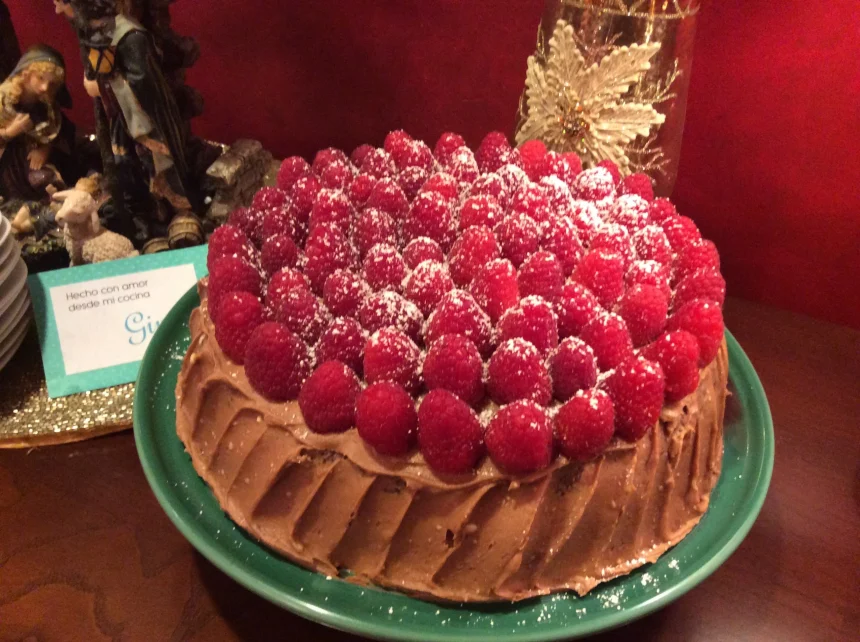
Triple Chocolate Raspberry Cake Recipe and its Fundamentals
To prepare this triple chocolate cake with raspberries, the aim is to achieve the exact balance between the intense depth of cocoa and the vibrant freshness of red berries. This dessert is structured in layers of extremely moist sponge cake, interspersed with a silky cream, and culminates with a glaze shiny glaze that catches the eye. The magic of this recipe lies in understanding how the ingredients interact, as it's not just about mixing, but about creating a perfect emulsion that guarantees a smooth texture and an unforgettable flavor.
- Triple Chocolate Raspberry Cake Recipe and its Fundamentals
- Utensils we will use for the triple chocolate raspberry cake
- Dough preparation and cake baking
- Preparation of raspberry cream and shiny ganache
- Assembly and layering of the cake
- Ganache topping, finishing details and serving
- 5 keys to make the triple chocolate raspberry cake perfect
- When is it ideal to enjoy it and glossary of terms?
The time required for this preparation is divided into several fundamental stages. For active preparation, you need to calculate approximately thirty minutes, during which you will measure, sift, and mix all the components. Baking in the oven will take about thirty additional minutes, depending on the power of your appliance. In total, considering cooling and assembly times, the complete process requires patience and precision, yielding about twelve to fourteen generous portions. The difficulty is considered intermediate, ideal for those who wish to elevate their skills in baking homemade baking without requiring industrial equipment.
Let's talk about the ingredients needed for the cake, which must be measured with extreme care. You need two cups of hot water, a vital element because the heat awakens the essential oils of cocoa, intensifying its flavor. Added to this is one and a half cups, plus two tablespoons, of natural unsweetened cocoa powder. It is imperative to use natural cocoa and not alkali-processed cocoa, as the acidity of natural cocoa is necessary to react with the leavening agents. You also require three cups of special cake flour, previously sifted, which due to its low gluten content ensures a tender crumb. To sweeten and provide moisture, two and a quarter cups of well-packed brown sugar are used, along with one cup of white granulated sugar. The chemical agents are three teaspoons of baking soda and one and a half teaspoons of baking powder, accompanied by three-quarters of a teaspoon of salt to balance the sweet and two teaspoons of instant coffee powder, an ingredient that will not leave a coffee flavor, but will deepen the cocoa notes.
To complete the batter, the wet ingredients are equally important. You need one and a half cups of full-fat sour cream at room temperature, which provides acidity and an unparalleled dairy richness. If you can't find sour cream, you can substitute it with Greek yogurt natural unsweetened, maintaining the same proportion. Additionally, you require a quarter cup of milk, four large eggs at room temperature to ensure they integrate without curdling the batter, half a cup of vegetable oil, which ensures the cake remains moist even if refrigerated, and one and a half teaspoons of good quality vanilla extract.
For the cream or frosting, the ingredients are one and three-quarter cups of salted butter, softened at room temperature. Five cups of powdered sugar, one tablespoon of milk if the mixture requires it, two teaspoons of vanilla extract, and a pinch of salt. The fruity flavor comes from one cup plus two tablespoons of freeze-dried raspberries, reduced to powder, and two tablespoons of raspberry jam. Finally, six ounces of cream cheese in block, essential to provide creaminess and stabilize the mixture without melting it. For the ganache, prepare four ounces of dark chocolate semi-sweet finely chopped, half a cup of heavy cream, and one or two teaspoons of vegetable oil for shine. For decoration, reserve fresh fruit, specifically raspberries, and optionally mini chocolate chips.
Utensils we will use for the triple chocolate raspberry cake
The success of any layered recipe begins long before turning on the oven; it starts the moment the work utensils are selected and prepared. For this cake, the organization of space and tools is a step that should not be underestimated. You require three nine-inch diameter round molds. It is essential that the molds are the same size and preferably of the same material, as light aluminum conducts heat differently from dark or silicone molds. Light-toned aluminum is ideal because it prevents the edges of the cake from browning excessively before the center is fully cooked.
In addition to the molds, you need parchment paper, an indispensable ally to prevent the bases from sticking. To prepare them correctly, place the mold on the paper, trace the outline with a pencil, and cut out three exact circles. First, you must grease the bottom of the mold with a little butter or oil, then place the paper circle so that it adheres perfectly, grease again over the paper, and finally sprinkle a thin layer of flour or cocoa powder, shaking off the excess. This double-security technique guarantees impeccable unmolding, which is critical when working with such moist batters and heavy ingredients.
As for the containers, make sure you have at least two large bowls available. One of them must be large enough to hold all the final batter, which has a considerable volume. For beating, you can use an electric hand mixer or a stand mixer; both are perfectly valid. However, if you don't have either, a large manual whisk and a bit of physical strength will work for the cake batter, although for buttercream, an electric motor is highly recommended to achieve the necessary aeration and dissolve the powdered sugar crystals.
Other everyday utensils that will greatly facilitate the process include a silicone spatula, also known as a cat's tongue. This tool is vital for scraping the edges and bottom of the bowl, ensuring that no hidden pockets of dry flour or lumps of unintegrated sour cream remain. Likewise, you will need measuring cups and spoons for solids and liquids. It is important to remember that glass cups with a pouring spout are designed for liquids, while flat-bottomed cups are for leveling dry ingredients such as flour or sugar. Using the wrong tool to measure can drastically alter the recipe's proportion.
For the cooling stage, metal racks are essential. Allowing the cake to breathe from below prevents steam from condensing at the base, which could transform a perfect crumb into a pasty and dense layer. For the final assembly, although a turntable greatly facilitates decorating work, you can manage perfectly using an inverted flat plate or a wide platter. Similarly, if the recipe mentions a piping bag to create containment borders, a simple clean and sturdy plastic bag, from which you cut one of the bottom corners, will work as a brilliant and effective homemade alternative.
Dough preparation and cake baking
The baking process begins by preparing the appropriate thermal environment, so you must preheat the oven to 350 degrees Fahrenheit, which is equivalent to about 175 degrees Celsius. Turning on the oven at the beginning ensures that, when the batter is introduced, the heat is uniform and stable, allowing the leavening agents to act immediately. Once the molds are greased and lined, it's time to focus on the central flavor of the dessert. In a heat-resistant pitcher, pour the two cups of hot water and add the natural cocoa powder. Whisk vigorously until no lumps remain. This technique, known as cocoa blooming, uses the hot liquid to release inactive flavor compounds, resulting in a much more intense and complex chocolate profile. Let this dark, aromatic mixture rest until it reaches room temperature.
While the cocoa cools, take the largest bowl you have and combine all the dry ingredients. Add the special cake flour, brown sugar, granulated sugar, baking soda, baking powder, salt, and instant coffee powder. It is highly recommended to pass these ingredients through a sieve or fine strainer, especially the baking soda and cocoa, which tend to form small hard pebbles. Once in the bowl, mix everything with a manual balloon whisk. This step not only evenly distributes the salt and leavening agents but also aerates the flour, making the final mixture much lighter.
The next step is to incorporate the wet ingredients to form the emulsion. Add the sour cream, which should be at room temperature so as not to solidify the oil's fat or alter baking times. Also pour in the milk, lightly beaten eggs, vegetable oil, and vanilla extract. Begin mixing with gentle movements. When the batter starts to take shape, slowly integrate the cocoa and water mixture you prepared earlier. Beat only until the ingredients are combined; it is normal and acceptable for a few tiny lumps to remain. Over-beating at this point would develop the flour's gluten, resulting in a tough bread instead of a tender cake.
With the batter ready, which will have a slightly liquid consistency, you must divide it equally among the three prepared pans. If you want absolute precision so that the layers have the same thickness, use a kitchen scale. Otherwise, use a measuring cup to distribute the same amount of scoops into each pan. Gently tap each pan against the work surface a couple of times to release large air bubbles trapped at the bottom, which could create unwanted holes during baking.
Place the pans in the preheated oven. If your oven is small and you must place one on a lower rack, remember to rotate them halfway through the baking time to ensure they all receive even heat. Bake for 23 to 27 minutes. The definitive sensory signal to know they are ready is not just the time, but the toothpick test: insert a wooden toothpick into the center of each cake; if it comes out with a few moist crumbs clinging to it, it's time to remove them. If it comes out with liquid batter, they need more time. When you take them out, let them rest in their pans for exactly 10 minutes. This time allows the structure to set before handling them. After this period, invert them onto wire racks, carefully remove the parchment paper, and let them cool completely before attempting to apply any frosting.
Preparation of raspberry cream and shiny ganache
While the cakes release their heat on the racks, it's the ideal time to prepare the raspberry frosting, the vibrant heart of this recipe. The secret to a good frosting lies in the temperature of the fats. Place the salted butter in your mixer bowl. It should be soft to the touch, but not melted or shiny; if you press with a finger, it should yield slightly, leaving a mark. Beat this butter at medium-high speed for a few minutes until it changes color, becoming much paler and acquiring an extremely creamy and light texture. This step traps air bubbles that will give volume to the final result.
With the butter aerated, begin incorporating the powdered sugar. To prevent your kitchen from being covered in white powder, add the sugar in three batches, beating at low speed each time until it is completely moistened, then increasing the speed to integrate it. If you notice the mixture is too dense and offers resistance, add a tablespoon of milk to loosen the texture. Also incorporate the vanilla extract and an extra pinch of salt, which will act as a flavor enhancer, cutting through excessive sweetness and highlighting the dairy notes.
Now, the star component: freeze-dried raspberries. These fruits have been vacuum-dehydrated, preserving all their flavor and color without adding additional liquid, which would ruin the stability of the frosting. To pulverize them, you can use a small food processor or, as a homemade alternative, put them in an airtight bag, remove the air, and repeatedly roll a rolling pin over them until they turn into a fine powder. Add this intense powder to the mixer along with the two tablespoons of raspberry jam. Beat until the color is evenly distributed, creating a spectacular and natural pink hue.
The last step for this frosting is the addition of cream cheese. It is crucial that the cream cheese, preferably in block form due to its lower water content, is added at the end and beaten only as much as necessary to integrate it. If beaten excessively or at very high speeds, cream cheese tends to break down and become liquid, ruining the frosting's structure. Once integrated, you will have a firm, silky filling with a perfect balance between sweet and tart.
Simultaneously, you can prepare the ganache, which will serve as the layer of milk chocolate and dark on top. Finely chop the semi-sweet chocolate and place it in a heat-resistant bowl. In a small saucepan, heat the heavy cream over medium heat until you notice it begins to gently simmer around the edges; do not let it boil vigorously. Pour this hot cream directly over the chopped chocolate and, this is vital, do not touch it. Let it rest for exactly four minutes. This passive heat safely melts the chocolate. After the time has passed, use a spatula to gently mix from the center outwards until you achieve a dark and smooth emulsion. To ensure a professional pastry shine, add one or two teaspoons of vegetable oil and mix well. Let this ganache rest at room temperature to thicken slightly before using it.
Assembly and layering of the cake
Assembly is the phase where individual elements transform into a visual and gustatory spectacle. Before starting, examine your cakes. It is common for them to develop a slight dome or bulge in the center during baking. To make the cake stable and visually appealing, use a long serrated knife and carefully cut off that small elevation, leaving the surface of each layer as flat as possible. Do not discard these trimmings; they are perfect for tasting the crumb texture and checking the flavor of the dark chocolate you have baked.
Select the serving plate or cardboard base where the cake will definitively rest. To prevent the structure from sliding while you work, place a small dollop of raspberry frosting in the center of the base and set the first cake layer on top of it. Next, spread approximately one and a quarter cups of raspberry frosting over this first layer, smoothing it with a spatula to create an even surface. To intensify the fruit flavor and add a liquid surprise when cut, place some frosting in a piping bag (or your adapted plastic bag) and trace a thick ring of frosting right along the outer edge of the cake. This ring will act as a retaining wall or dam. In the center of this circle, pour one-third cup of raspberry jam, spreading it gently.
Take the second cake layer and place it with extreme delicacy over the filling. Press very lightly to ensure it adheres, but without exerting so much force that the jam breaks the frosting dam and overflows the sides. Repeat exactly the same process: spread a layer of frosting, build the retaining ring at the edge, and fill the center with another one-third cup of jam. Before placing the third layer, it is highly recommended to put the cake in the refrigerator for about five to ten minutes so that these central layers firm up.
For the final layer, take the last cake layer and place it upside down, so that the smooth base that was in contact with the bottom of the mold is pointing upwards. This guarantees a perfectly straight and professional top edge. Now you must apply what is known in baking as a crumb coat. It consists of spreading an extremely thin and translucent layer of cream over the entire top surface and sides of the cake. The purpose of this layer is not to cover, but to seal all loose crumbs so that they do not dirty the final decoration. Once applied, refrigerate the cake for about thirty minutes for this coating to solidify completely.
After the chilling time, the cake is ready for its final coating. Take the cake out and apply a generous layer of the remaining raspberry cream using a clean spatula. You can opt for a completely smooth finish, using a plastic or metal edge smoother, or leave a semi-naked style, where the spatula is firmly dragged to remove excess cream, allowing the dark color of the cake to show through the pink frosting slightly. Whichever style you choose, once finished, return the structure to the refrigerator for another thirty minutes. This thermal shock is the secret to ensuring that, when pouring the ganache later, it does not melt the buttercream, keeping the drip lines crisp and defined.
Ganache topping, finishing details and serving
The final touch of this elaborate dessert is the shiny cascade that crowns it, providing not only visual impact but a melting texture that contrasts with the sponginess of the interior. After ensuring that the raspberry cream is firm and cold to the touch thanks to its time in the refrigerator, take the ganache you had left to rest. Its consistency should be fluid but with body; if you lift it with a spoon and let it fall, it should form a ribbon that takes a couple of seconds to disappear into the bowl. If it is too liquid, it will flow to the bottom of the plate, staining the base; if it is too thick, you will not achieve the elegant drip effect.
To create the drip design, you can use a small spoon, a squeeze bottle, or a piping bag. Start by pouring small amounts of ganache around the top edge of the cake, gently pushing it so that it falls down the sides. Control the pressure and amount so that some drips go down to the base and others stop halfway, creating a dynamic and irregular pattern. Once the edge is complete, pour the rest of the ganache into the center of the top surface and, with a clean, dry spatula, spread it gently towards the edges to connect it with the side drips. Immediately after this step, return the cake to the refrigerator for about twenty or thirty minutes for the chocolate coating to set and lose its stickiness.
Once the ganache is firm, you can proceed with the top decoration. Take the rest of the leftover raspberry cream, put it in a piping bag with a star nozzle, and form small decorative rosettes around the top perimeter. Between each rosette, or artistically scattered in the center, place the fresh fruit. Fresh raspberries not only add an intense and vibrant red that contrasts with the darkness of the coating, but their natural acidity will cleanse the palate with each bite. If desired, sprinkle a few mini chocolate chips over the rosettes for a subtle additional crunch.
The moment of serving requires a certain technique to respect the work done. Ideally, the cake should be cut cold or at room temperature, but using a long-bladed knife that has been dipped in very hot water and quickly dried with a clean cloth. The hot metal will cut through the ganache and the cold cream without dragging them, revealing a clean cut and showing the perfect internal layers. It is essential to clean and heat the knife blade before each new cut. This majestic dessert stands on its own, but accompanying each slice with a small spoonful of unsweetened whipped cream enhances the nuances of the cocoa without being cloying.
From a nutritional point of view, this cake is an indulgent delicacy intended for celebrations. Although values vary according to the exact size of the slice, an average portion of this type of structured three-layer preparation usually provides around six hundred fifty to seven hundred kilocalories. The carbohydrate intake is significant, around eighty to ninety grams per serving, coming from the flours and sugars essential for the structure. Fats, provided by butter, oil, cocoa, and cream, are around thirty-five grams, while proteins reach about eight grams thanks to dairy and eggs. Dietary fiber is present in approximately four grams, courtesy of natural cocoa and raspberries. It is important to remember that these data are general estimates and the real value lies in fully enjoying the shared gastronomic experience.
5 keys to make the triple chocolate raspberry cake perfect
The first great secret to the success of this recipe lies in the correct choice and handling of cocoa. Many times there is a temptation to use alkalized or Dutch Process cocoa for its darker color, but for this cake, the use of natural cocoa is non-negotiable. Natural cocoa has a specific acidity level that, when it comes into contact with baking soda in the batter, produces a chemical reaction releasing carbon dioxide. These bubbles are what lift the batter in the oven, giving it that spongy and light texture. If you alter this ingredient, you compromise the very architecture of the cake. Furthermore, the step of hydrating this powder in hot water allows the cocoa solids to expand, releasing aromas that would otherwise remain blocked in the cold flour.
The second indispensable key is strict adherence to ingredient temperatures, a golden rule it shares with any good basic chocolate cake. Eggs, milk, sour cream, and butter must invariably be at room temperature. The reason for this is not an aesthetic whim, but scientific. When you mix fatty ingredients (like oil and egg yolks) with watery ingredients (like milk and egg whites), you seek to create a homogeneous emulsion. If you add cold eggs from the refrigerator to a batter containing butter or oil, the fat will instantly coagulate, creating hard lumps and separating the batter. This results in a dense, heavy cake with unpleasant greasy areas on the palate. Taking the ingredients out of the refrigerator one or two hours before starting makes the difference between success and failure.
The third practical tip focuses on volumetric precision before baking. Dividing the batter by eye can result in a thin layer that overcooks and dries out, and another thick layer that remains raw in the center. To avoid this disaster, using a digital scale is the best investment. Weigh the empty bowl before starting, then weigh it with all the batter ready and subtract the weight of the bowl. Divide that amount by three and pour exactly that grammage into each prepared mold. This meticulousness ensures that all three layers need exactly the same cooking time, coming out of the oven simultaneously with the same moisture and height.
The fourth vital recommendation concerns the thermal management of the raspberry cream during assembly. Buttercream, by its very nature, is highly sensitive to your kitchen's ambient temperature. If you work on a warm day, you will notice that the cream begins to lose firmness, becoming slippery and making smoothing difficult. The solution to this scenario is not to add more powdered sugar, which would ruin the balance of flavors by making it cloying, but to use cold to your advantage. If you notice the layers slipping or the edge deforming, stop immediately. Place the cake and the bowl with the remaining cream in the refrigerator for ten to fifteen minutes. Once the fats firm up from the cold, you can continue smoothing with total control over the structure.
Finally, the fifth trick is focused on achieving a ganache with a fine pastry display case finish, a distinctive feature of a true triple chocolate cake. The proportion of chocolate and cream is fundamental, but the differentiating factor is patience and the final additive. When pouring hot cream over finely chopped chocolate, it is crucial not to stir immediately. Premature mixing cools the cream before it manages to melt the core of the chocolate pieces, generating a grainy and opaque ganache. Waiting the indicated four minutes allows for passive and complete thermal fusion. Subsequently, when integrating the mixture, the addition of one or two teaspoons of neutral vegetable oil acts as a plasticizing agent, preventing the chocolate from crystallizing opaquely and ensuring that, even once cold in the refrigerator, it maintains an extremely appetizing mirror-like shine.
When is it ideal to enjoy it and glossary of terms?
This monumental dessert, with its richness of flavors and imposing visual presence, is not a recipe for routine consumption, but rather is designed to shine on occasions where celebration is the center of attention. The combination of the density of cocoa with the vibrant and acidic profile of the red berries makes it an unbeatable candidate for weekend family celebrations, special anniversaries, or memorable birthdays. It is particularly appreciated during the transitional months towards summer, when fresh berries are at their peak ripeness and their natural acidity offers a refreshing contrast that cuts through the traditional heaviness of deeply chocolatey desserts. Serving it as the grand finale of an intimate dinner ensures that guests leave with an unforgettable last impression, as each slice demonstrates the care and time invested in its preparation.
Pastry making has its own language, and understanding it is the first step to mastering any technique in the home kitchen. Below, we define some of the essential concepts used in this process to ensure that every instruction is perfectly understood.
Sift: This is the action of passing dry ingredients, such as flour, cocoa, or powdered sugar, through a fine mesh, sieve, or sifter. Its main purpose is to break up small compact lumps formed by ambient humidity and, at the same time, incorporate air between the particles, which greatly facilitates their integration with liquids and results in much smoother and lighter mixtures.
Crumb coat: In the art of cake assembly, it refers to the first protective and very thin layer of frosting applied directly over the exposed cake layers. As its name suggests, its function is not aesthetic, but functional: it acts as a glue that adheres and seals all loose crumbs from the cake. By refrigerating this layer until it hardens, a clean and solid working surface is created, over which the final decorative layer will glide impeccably without dragging pieces of cake.
Freeze-dried: It is an advanced preservation method in which foods, in this case raspberries, are quickly frozen and then subjected to a vacuum to extract all the water through sublimation (passing from ice to vapor without passing through liquid). The result is a dry, crispy, extremely light fruit that maintains its nutrients, intense color, and concentrated flavor intact, ideal for flavoring creams without altering their consistency with unwanted liquids.
Ganache: A classic term of French origin that describes a perfectly bound emulsion of chocolate and a liquid, traditionally hot whipping cream. Depending on the proportion between both ingredients, ganache can be used fluid to create shiny drips, allowed to cool to fill tarts, or whipped to form truffles with a velvety texture.
Simmer: It refers to the state of a liquid when heated just below the full boiling temperature. It is visually identified when small bubbles begin to rise slowly and constantly along the edges of the pot, creating a very delicate movement on the surface. It is the exact temperature required to heat the ganache cream without burning the milk proteins or excessively evaporating its moisture.
Home cooking is a space for freedom, experimentation, and, above all, for sharing unique moments around the table. We encourage you to prepare this recipe, adapt the times to your oven, and enjoy the gratifying process of building a dessert from scratch. Leave your comment and share your experience with this wonderful combination of flavors!




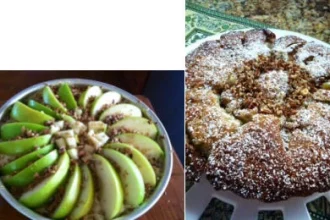

This ‘Triple Chocolate Raspberry Cake’ looks amazing ❤️. I took it to a meeting and it flew off the table. next time I'll make it with white rice .
I tried this ‘Triple Chocolate Raspberry Cake’ today. I made it with the ingredients I had and it worked perfectly.