



Recipe for Warm Asparagus with Candied Lemon and Almonds
Hello! Today we are going to prepare a dish that transforms a simple ingredient into an incredible experience. These asparagus, bathed in a rich and textured sauce thanks to the traditional crushed mixture, are perfect for those looking to break away from routine. It's a recipe that balances the tenderness of the vegetable with the character of garlic and almonds, ideal for showing off at home without complications.
Preparation time
Organizing is the key to enjoying cooking. Here's the breakdown so you know exactly how much time you need to set aside in your 2026 culinary agenda, where time is gold but good eating is non-negotiable.
- Preparation: 10 minutes
- Cooking: 5 minutes
- Total: 15 minutes
- Servings: 4
- Difficulty: Easy
Ingredients
For this dish, we are going to use ingredients that you surely already have in your pantry or that are very easy to find in the local market. The quality of fresh produce is what will truly make this preparation shine.
- 4 cloves garlic
- Salt to taste
- Pepper to taste
- Chopped parsley to taste
- 1 pinch of saffron
- 1/2 teaspoon cumin
- 1 cup of chicken broth
- 1 bunch of asparagus
- 1 tablespoon of almond
- 1 slice of bread
Utensils we will use
You don't need a professional kitchen to achieve this result, but you do need the right tools to work comfortably and bring out the maximum flavor in our mash.
- Large pan (preferably non-stick)
- Mortar and pestle (fundamental for the sauce's texture)
- Cutting board
- Chef's knife or sharp paring knife
- Silicone spatula or wooden spoon
- Kitchen tongs (optional, for flipping the bread and asparagus)
Preparation
Let's cook together, step by step. Follow the order and you'll see how the aromas gradually build the dish. Remember that cooking is about sensations, so pay attention to changes in color and smell.
Phase 1: Preparation of base ingredients
Chop the asparagus
The first thing is to wash the stalks well under the tap with cold water to remove any remaining dirt. Then, remove the fibrous part of the stalk (the harder base) by applying pressure until it snaps naturally. Cut the rest of the asparagus into medium pieces, about 3 or 4 centimeters, so they cook evenly and are easy to eat.
Sauté the garlic
Fry the previously peeled and halved garlic cloves in a pan with a little oil over medium heat. We want the oil to absorb their aroma without burning them, as burnt garlic turns bitter. Look for a soft golden color.
Transfer to the mortar
When golden, carefully remove them from the pan, draining excess oil, and transfer them directly to the mortar. This will be the first component of our flavor base.
Brown the bread
In the same pan with the flavored oil left over from the garlic, brown the bread on both sides. The fried bread will act as a natural thickener for our sauce, a classic technique in Mediterranean cuisine.
Incorporate the bread into the crushed mixture
Once golden and crispy, also transfer it to the mortar along with the garlic. Break it up a little with your hand or with the pestle if it's too hot to facilitate subsequent grinding.
Phase 2: Cooking and sauce
Toast the almonds
Lightly toast the almonds in the pan (without oil if necessary, or with the residual oil) and add to the mortar. Toasting awakens the essential oils of the nut, intensifying its nutty flavor, which combines wonderfully in recipes like this or even in a asparagus cream smooth.
Sauté the asparagus
With a little more oil in the pan if needed, sauté the asparagus for a couple of minutes over medium-high heat. We want them to turn a bright green color and brown slightly on the outside, maintaining their crispy interior texture, similar to how we would make some roasted vegetables with mustard and honey.
Season
Season with salt to taste at this point so that the vegetable begins to sweat and absorb the seasoning.
Thicken (Key step)
Add the cornstarch (if you have it on hand, sprinkle a small amount) and mix quickly with the asparagus so that the flour cooks and doesn't taste raw. This will help thicken the sauce later.
Cooking in broth
Add the chicken broth and let it cook for about 5 minutes, over medium heat. The liquid should reduce a little and the asparagus will finish cooking until tender but firm.
Phase 3: The Crushed Mixture and finishing
Prepare the aromatic crushed mixture
Incorporate the parsley into the mortar with a little pepper, cumin, and a pinch of saffron. Begin to grind all the ingredients (garlic, bread, almonds, spices) with patience until you obtain a rustic and aromatic paste.
Refine the texture of the mash
Add a little salt and a tablespoon of the hot asparagus broth directly to the mortar. Continue grinding until the mixture emulsifies slightly and has a pourable consistency.
Integrate flavors
Pour the mixture from the mortar over the asparagus in the pan. Mix everything with enveloping movements and let it cook for a few more minutes until the sauce thickens and coats each piece of asparagus. The texture should resemble a creamy stew, ideal for accompanying a salmon on croute.
Final point
Taste for salt and adjust if necessary. If it's good, remove from heat. Ready to enjoy!
To finish and serve
Serve immediately while the aromas are at their peak. This preparation looks spectacular if you place it in a central dish for sharing or as an individual side dish. Make sure to scrape the pan well so as not to lose any of that almond and saffron sauce, which is pure gold. You can accompany it with extra slices of bread to soak up the sauce, or use it as a vegetable counterpoint in more substantial dishes like a shrimp and asparagus risotto, where the flavors complement each other perfectly.
Nutritional Information
Knowing what we eat is fundamental for maintaining balance. This recipe is fantastic because it provides fiber and healthy fats without being heavy. The values below are estimates per serving so you have a clear reference.
- Calories: 180 kcal
- Proteins: 6 g
- Fats: 12 g
- Carbohydrates: 14 g
- Fiber: 4 g
Note: Daily percentage values are based on a 2000 calorie diet. Your daily values may be higher or lower depending on your caloric needs.
5 keys to make it perfect
Sometimes, the difference between a good dish and a memorable one lies in the small technical details. Here are my secrets to make this recipe turn out perfectly the first time.
1. The doneness of the asparagus: Don't overcook them. Asparagus should offer a slight resistance when bitten, what we call «al dente.» If overcooked, they become fibrous and lose their vibrant color. If you like firm textures like in a warm lentil salad, watch the clock during cooking with the broth.
2. The toasting of the almond: It's vital to watch the almonds. They go from toasted to burnt in seconds. Correct toasting releases oils that add depth to the paste. If they burn, they will bitter the entire sauce and ruin the dish.
3. Broth quality: Being a reduced sauce, the broth's flavor concentrates. Use homemade chicken broth or a good quality low-salt one. If you use a very salty one, be careful when adding extra salt in steps 8 and 12.
4. The patient pounding: Don't rush with the mortar. Thoroughly crushing the fried bread with garlic and almonds creates a rustic yet cohesive texture. If you leave very large pieces of bread, the sauce won't thicken the same way. It's an almost meditative process that's worth it.
5. Real saffron: Although it's just a pinch, saffron provides an earthy aroma and an unmistakable golden color. Avoid artificial coloring; the flavor is incomparable and instantly elevates the dish's category.
When is it ideal to enjoy it?
These asparagus are incredibly versatile. I love serving them as a light weeknight dinner when I want something nutritious yet comforting. They also work wonderfully as a warm starter for a Sunday family meal, as they whet the appetite without being too filling. In spring, when asparagus is in full season, it's the perfect time to make this dish the star of the table. Its simple elegance makes it suitable even for a romantic dinner, perhaps accompanying a mild white fish.
Comparison table
Sometimes we can confuse recipes or look for variations. Here I show you how our recipe stands against other popular options so you can choose the one that best suits your craving today.
| Recipe | Key ingredients | Difference/advantage |
|---|---|---|
| Warm asparagus with almonds (Our recipe) | Asparagus, bread and garlic mash, saffron | Thick and flavorful sauce thanks to the traditional mash |
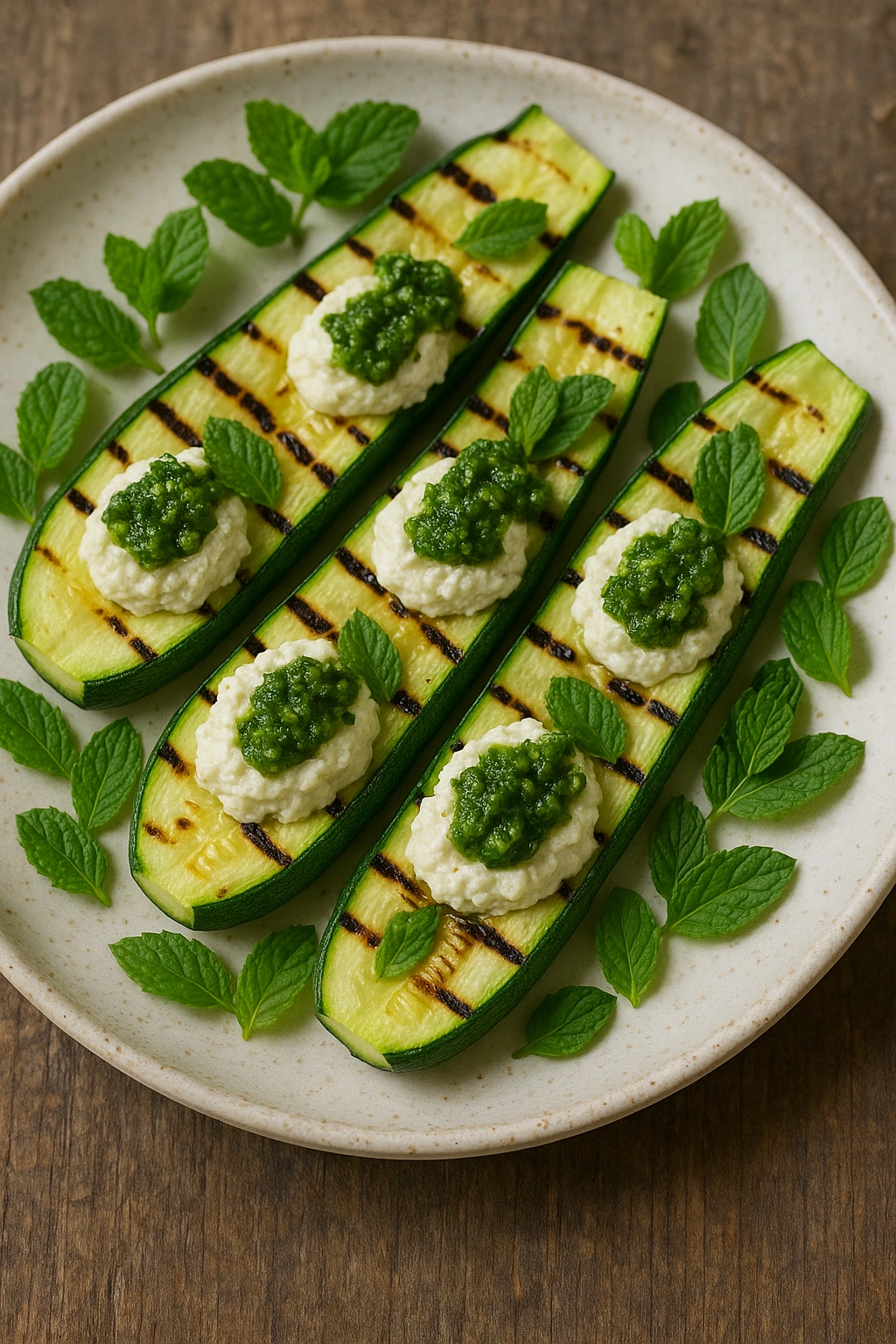
| Grilled asparagus | Asparagus, oil, coarse salt | Crispier and smokier, without sauce |
| Asparagus cream | Asparagus, potato, cream or milk | Liquid and smooth texture, ideal for a spoon-served first course |
| Asparagus with ham | Cooked asparagus, serrano ham, mayonnaise | Generally served cold, saltier flavor due to the cured meat |
| Gratin asparagus | Asparagus, béchamel, cheese | More caloric and heavy, oven-baked |
| Asparagus Tempura | Asparagus, tempura flour, ice water | Crispy fried, dry texture without sauce |
| Scrambled Asparagus | Wild asparagus, egg, shrimp | Dish with set egg, completely different texture |
Frequently asked questions (FAQ)
Share your experience
Cooking is for experimenting and sharing. I would love to know if you have been encouraged to prepare this paste or if you have given it your own personal touch. Perhaps you accompanied it with a creative risotto version creative? Leave your comment and share your own little tricks!
Culinary glossary
To help you move like a fish in water in the kitchen, here are some terms we have used that will be useful for many other recipes.
Majado (Pound/Crush): A technique that consists of crushing or grinding ingredients in a mortar until a paste is obtained. It is the base of many traditional Spanish sauces to add flavor and thickness.
Sauté: To cook a food over high heat in little fat and for a short time, stirring it constantly so that it browns on the outside and retains its juices on the inside.
Al dente: Italian term that describes the cooking point where the food (pasta or vegetable) is cooked but offers a slight resistance when bitten, retaining firmness.
Reduce: To boil a sauce or liquid so that part of the water evaporates. This concentrates the flavors and makes the consistency thicker.
Emulsify: To make two liquids that normally do not mix well (such as water/broth and the oil/fat from almonds) combine to form a homogeneous and creamy sauce.




What a great idea. I followed the steps and it worked the first time. Next time I'll make it with a touch of chili. .
Impeccable texture and flavor. It was very yielding and perfect for sharing.