

Crab Stuffed Shrimp Recipe
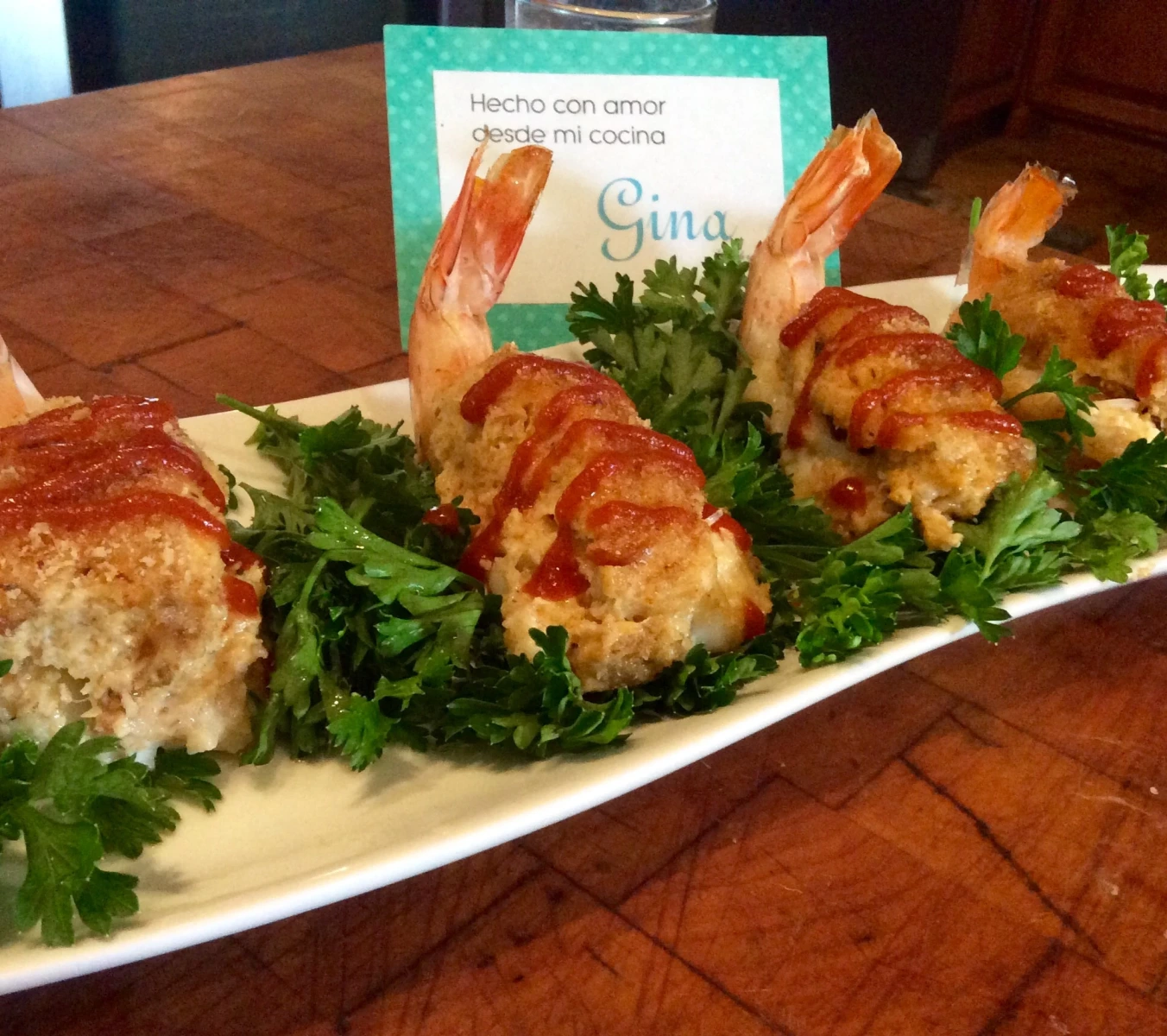
Preparar una recipe where seafood is the star requires understanding the nature of each ingredient to respect its textures and flavors. The shrimp large and firm become the perfect vehicle to house a soft and sweet filling made from crab. To achieve a balanced dish, it is necessary to calculate a preparation time of approximately fifteen minutes for cleaning and assembly, followed by a cooking time of about twenty to twenty-five minutes, depending on the chosen method. The total time will be around forty minutes to obtain four generous portions, considering an intermediate difficulty due to the required cutting technique.
The selection of ingredients determines the success of the dish. It is imperative to obtain half a kilo of large crustaceans, preferably classified as U15, which means about fifteen per pound. This size allows for the necessary cut to house the filling without the meat breaking. If purchased frozen, the thawing process should be done by submerging them in cold water with their packaging, never at room temperature or with hot water, as this would alter the protein structure, making it mealy before even coming into contact with heat.
For the filling, two hundred and fifty grams of meat are required from crab. Shredded or whole pieces are ideal. If this fresh or good quality canned product is not found, the most accessible alternative in a home setting is surimi, although the flavor profile will be less sweet and the texture more compact. If surimi is used, it is necessary to chop it finely to imitate the consistency of the original product. In addition, the mixture needs binding and flavoring agents to maintain its shape during cooking. Three tablespoons of mayonnaise are used, which provide the necessary fat to moisten the mixture, and one tablespoon of Dijon mustard to balance with a touch of acidity.
To give structure to the filling and prevent it from crumbling when heat is applied, half a cup of breadcrumbs is incorporated. This dry ingredient absorbs excess moisture from the mayonnaise and the natural juices of the seafood. The aromatic profile is built by adding a quarter of a white onion and half a sweet pepper or chili, both chopped into tiny cubes no larger than two millimeters. A few drops of Tabasco-type hot sauce and half a teaspoon of Worcestershire sauce deepen the flavor without overpowering the delicacy of the seafood. Everything is seasoned with salt and freshly ground black pepper, adjusting the quantities according to the natural salinity of the seafood used.
The combination of these elements creates a fundamental contrast in the kitchen: the exterior firmness of the crustacean versus the unctuous softness of the filling. Understanding the function of each ingredient, from breadcrumbs as a stabilizer to mustard as a flavor enhancer, allows the preparation to be adapted to the resources available at home without compromising the integrity of this delicious dish.
Essential utensils for preparing stuffed shrimp
Handling marine products requires strict control over work tools to ensure both food safety and precision in cuts. The first fundamental element is a firm and stable cutting board. To avoid cross-contamination, it is advisable to use a synthetic or high-density plastic board exclusively for raw proteins. These boards are less porous than wooden ones and can withstand high-temperature washes, which is vital when handling seafood. If the board tends to slide on the work surface, placing a damp cloth underneath it will provide the necessary friction to keep it still.
Cutting is the most delicate step in the entire process. A small chef's knife or a paring knife with an excellent edge is required. A dull knife will force additional pressure on the seafood meat, crushing the fibers instead of cutting them cleanly. The goal is to make a precise longitudinal incision along the back of the crustacean. Keeping the knife sharp is not a luxury of a chef professional, but a basic safety measure in any home; a clean cut prevents accidents and ensures that the physical structure of the ingredient remains intact to receive the filling of crab.
To prepare the mixture, a glass, ceramic, or stainless steel bowl should be used. It is preferable to avoid plastic containers for this stage, as plastic tends to retain odors from previous preparations that could transfer to the delicate seafood meat. Furthermore, stainless steel and glass have the ability to retain cold more efficiently. Keeping the filling at a low temperature is crucial so that the mayonnaise does not separate and the ingredients retain their freshness before being subjected to heat.
During cooking, the chosen container will dictate the final result. If the baking method is chosen, a thick metal baking sheet is indispensable. Metal conducts heat evenly, allowing the bottom to cook at the same rate as the top. To prevent proteins from sticking to the metal and tearing when trying to serve them, the tray should be lined with parchment paper or baking paper. This is the perfect homemade alternative to professional silicone mats, ensuring that no trace of the filling remains stuck to the bottom.
Finally, handling tools such as steel tongs or a thin-edged spatula are necessary to move the pieces once cooked. Using forks to pierce the meat while it is hot will cause an immediate loss of internal juices, resulting in a dry texture. Tongs allow each piece to be lifted from the base, offering support to the weight of the filling and maintaining the impeccable presentation that characterizes this appetizer de estilo gourmet.
Step-by-step preparation of shrimp and crab
The assembly of this dish requires method and attention to the physical details of the ingredients. The first step is to clean the crustaceans under a stream of cold tap water. It is imperative to use cold water to avoid initiating a premature cooking process. The outer shell or carapace must be removed, starting from the top near the head and moving downwards, but leaving the last tail segment intact. Keeping the tail serves a dual purpose: it facilitates handling the piece both during preparation and when eating, and it adds a refined aesthetic to the final plating.
Once peeled, each piece is thoroughly dried with absorbent paper. Surface moisture is the greatest enemy of cooking, as it generates steam and prevents proteins from browning properly. With the meat dry, the cut known as butterfly is made. With the paring knife, a cut is traced along the curved back, deepening approximately halfway through the thickness of the meat, without completely dividing it into two separate halves. This cut exposes the digestive tract, a dark vein that must be removed by gently scraping with the tip of the knife or under a light stream of water. By opening the meat along this cut and pressing it lightly against the board, the piece flattens and creates an ideal cavity for filling.
Con las bases listas y refrigeradas para mantener la cadena de frío, se procede a elaborar la farsa o relleno. En el tazón de vidrio o metal, se introduce la carne de crab. Si se aprecian trozos muy grandes, se desmenuzan con los dedos para asegurar una distribución uniforme, inspeccionando al mismo tiempo que no haya fragmentos de cartílago. A continuación, se incorporan la cebolla y el pimiento dulce, previamente cortados en dimensiones que no superen los dos milímetros. Este tamaño es vital; si los vegetales son demasiado grandes, no se cocinarán en el breve tiempo que requiere el marisco y aportarán una textura cruda desagradable, además de dificultar la cohesión del relleno.
El siguiente paso es la integración de los elementos húmedos y secos. Se añade la mayonesa, la mostaza, la salsa inglesa y las gotas de picante. Con una espátula, se realizan movimientos envolventes. Mezclar de forma agresiva destruiría las fibras de la carne, transformando la mezcla en una pasta sin textura. Una vez que los ingredientes húmedos recubren la proteína, se espolvorea el pan rallado de forma gradual. La cantidad exacta de pan puede variar dependiendo de la humedad ambiental y de la carne, por lo que se debe observar el punto de la mezcla: debe ser lo suficientemente húmeda para adherirse, pero lo bastante firme para mantener su forma si se comprime ligeramente con los dedos.
El paso culminante de esta fase es el relleno. Se toma una pieza por la cola y se abre la cavidad del corte mariposa. Con la ayuda de una cuchara pequeña, se toma una porción de la mezcla equivalente al tamaño del crustáceo y se presiona suavemente sobre la abertura. El objetivo es formar un montículo compacto que se adhiera a la carne expuesta. Si el relleno amenaza con desbordarse o caerse, es señal de que la porción es excesiva o la mezcla requiere una cucharada adicional de pan rallado. Cada pieza armada se deposita en la bandeja preparada con papel pergamino, dejando al menos dos centímetros de separación entre ellas para permitir la circulación del calor.
Cooking techniques for perfect seafood
Aplicar calor a las proteínas marinas es un proceso que exige vigilancia constante, ya que el margen entre una textura tierna y una consistencia gomosa es de apenas unos minutos. Existen varias alternativas de cocción para los shrimp rellenos, siendo el horneado la técnica más confiable para el entorno casero debido a la distribución uniforme del calor ambiental. Para este método, el horno debe precalentarse a 200 grados centígrados. Es fundamental no introducir los alimentos hasta que el horno haya alcanzado esta temperatura estable, de lo contrario, la cocción será lenta y prolongada, deshidratando los ingredientes en lugar de cocinarlos rápidamente.
Al introducir la bandeja en el tercio medio del horno, comienza el proceso de coagulación de las proteínas. Las señales de punto son estrictamente visuales y táctiles, por lo que no se debe depender únicamente de un temporizador. Aproximadamente a los doce o quince minutos, se observarán dos cambios cruciales. Primero, la carne grisácea y translúcida del crustáceo se volverá completamente opaca, adquiriendo una tonalidad rosada o anaranjada intensa, y su forma se curvará ligeramente abrazando el relleno. Segundo, la superficie del relleno de crab mostrará un ligero dorado gracias a la caramelización de los azúcares presentes en la mayonesa y al tueste del pan rallado. Si estas dos señales están presentes, el plato está listo para ser retirado del fuego.
Otra técnica que suele emplearse es la fritura ligera o la cocción en sartén, ideal cuando se añade un recubrimiento exterior. Si la recipe se adapta para empanar ligeramente toda la pieza, se requiere una sartén amplia y aceite vegetal a fuego medio-alto. La clave aquí es no saturar la sartén; introducir demasiadas piezas a la vez disminuirá drásticamente la temperatura del aceite, haciendo que el pan rallado absorba grasa en lugar de sellarse rápidamente. La cocción en sartén toma unos tres minutos por lado, y es necesario voltear las piezas con pinzas sujetando la parte sólida de la carne para evitar que el montículo superior se desprenda.
Existe también una variante que implica envolver cada pieza en una tira fina de tocino. Esta técnica aporta un contraste crujiente y ahumado excepcional, pero presenta un desafío de sincronización: el tocino requiere más tiempo de cocción que el marisco. Para resolver esto en la kitchen casera, el tocino debe precocinarse ligeramente en una sartén durante unos minutos hasta que pierda parte de su grasa y esté flexible, pero aún no crujiente. Una vez que se enfría lo suficiente para manipularlo, se enrolla alrededor de la pieza rellena y se procede a hornear. De esta manera, tanto el interior como el exterior alcanzarán el punto perfecto simultáneamente.
Para terminar y servir, es crucial permitir que las piezas reposen durante dos o tres minutos al retirarlas del calor. Este breve descanso permite que los jugos internos, que han sido empujados hacia el exterior por el choque térmico, se redistribuyan y que el relleno adquiera firmeza estructural antes de ser manipulado. El emplatado debe realizarse en platos cálidos, colocando las piezas con la cola apuntando en la misma dirección para lograr un aspecto ordenado. Se recomienda servir caliente, acompañando con rodajas de limón fresco o una salsa de crema de albahaca para realzar la humedad y aportar notas herbales que corten la riqueza de la preparación.
Nutritional Information and appetizer balance
Comprender el impacto nutricional de los alimentos que preparamos es parte esencial de la planificación de un menú equilibrado. Esta preparación se destaca por ser una fuente excepcional de proteínas de alta calidad, gracias a la combinación de dos productos marinos densos en aminoácidos esenciales. Una porción estándar, que equivale a aproximadamente tres o cuatro piezas grandes, aporta un valor energético que ronda las 250 a 300 kilocalorías. Esta estimación puede variar significativamente dependiendo del método de cocción y de las decisiones tomadas durante el ensamblaje, como la adición de tocino o la cantidad de aceite retenida en caso de fritura.
El perfil de macronutrientes está liderado por las proteínas. La carne del crustáceo y del crab en conjunto pueden proporcionar entre 20 y 25 gramos de proteína pura por porción. Este tipo de proteína se caracteriza por su alta digestibilidad y por contener todos los aminoácidos que el cuerpo humano necesita para la reparación de tejidos. Por otro lado, el contenido de carbohidratos es relativamente bajo, situándose alrededor de los 10 a 15 gramos, provenientes casi en su totalidad del pan rallado utilizado como aglutinante en el relleno, y de los azúcares naturales presentes en los vegetales picados.
Las grasas representan un componente variable en esta recipe, estimándose entre 12 y 16 gramos por porción. El marisco en sí mismo es magro y aporta cantidades mínimas de grasa, la cual incluye ácidos grasos beneficiosos como el Omega-3. Sin embargo, la mayor parte de los lípidos en esta preparación provienen de la mayonesa utilizada para amalgamar el interior. Para quienes buscan reducir la ingesta calórica o el contenido de grasas, existen alternativas prácticas en el entorno doméstico. Sustituir la mitad o la totalidad de la mayonesa por Greek yogurt natural sin azúcar reduce drásticamente las calorías, manteniendo la humedad necesaria, aunque aportando un perfil de sabor ligeramente más ácido que debe contrarrestarse con un toque extra de vegetales dulces.
El contenido de fibra en esta preparación es casi nulo, no superando el gramo por porción, ya que los productos de origen animal carecen de este elemento y la cantidad de pimiento y cebolla es muy reducida. Por esta razón, para lograr un balance nutricional adecuado al servir este delicious plato como comida principal, es imperativo acompañarlo con guarniciones vegetales ricas en fibra. Espárragos blanqueados, una ensalada de hojas verdes oscuras o vegetales asados son complementos perfectos que aportan volumen, vitaminas y la fibra dietética necesaria para una digestión óptima.
Es importante recordar que los mariscos poseen un contenido natural de sodio que debe tenerse en cuenta al momento de sazonar. Además, ingredientes comerciales como la mostaza, la salsa inglesa y la salsa picante introducen sodio adicional. Se recomienda probar la mezcla del interior antes de incorporar sal extra, asegurando así que los niveles se mantengan dentro de rangos saludables. Estos valores nutricionales son estimaciones por porción que sirven como guía para integrar esta preparación de manera consciente dentro de los hábitos alimenticios regulares.
Keys and practical tips for a chef-like result
El éxito de una preparación culinaria no reside en la complejidad de sus ingredientes, sino en el respeto por las técnicas y en la atención a pequeños detalles que marcan la diferencia entre un resultado aficionado y uno profesional. El primer error común que se debe evitar es el exceso de manipulación de la farsa. Al mezclar los elementos, el objetivo es simplemente distribuirlos de manera homogénea. Un batido vigoroso rompe las fibras de la carne, provocando que la textura final sea pastosa y densa en lugar de mantener la ligereza y los trozos perceptibles que caracterizan a un buen relleno.
El control de la temperatura durante la preparación es otra clave fundamental. Los ingredientes marinos se degradan rápidamente a temperatura ambiente, lo que no solo afecta la seguridad alimentaria, sino también la estructura del relleno. La mayonesa, al calentarse, tiende a separar sus aceites, lo que resultaría en un relleno grasoso y desarmado al momento de hornear. Mantener todos los componentes refrigerados hasta el momento exacto de ensamblar garantiza que el montículo conserve su forma estructurada sobre la base de proteína, facilitando el trabajo y mejorando la presentación.
Un consejo práctico invaluable se relaciona con el nivel de humedad. Si la mezcla para rellenar se siente demasiado líquida y no mantiene su forma al presionarla, la solución no es añadir grandes cantidades de pan rallado de golpe, ya que esto diluiría el sabor y resultaría en un bocado seco. La técnica correcta es espolvorear el pan gradualmente, cucharada a cucharada, dando tiempo a que las migas absorban la humedad. Por el contrario, si la mezcla resulta muy seca y quebradiza, incorporar una cucharadita de caldo de vegetales o de jugo de limón devolverá la untuosidad sin agregar grasas innecesarias.
El balance de sabores es lo que eleva el perfil gourmet de la preparación. La riqueza natural de los productos del mar y de los aglutinantes requiere elementos de contraste. La acidez es la mejor herramienta para limpiar el paladar entre bocados. Un toque de ralladura de limón amarillo incorporado en el último momento aporta aceites esenciales aromáticos sin modificar la textura. Este principio de equilibrio aromático es el mismo que se aplica en recetas intensas como los garlic shrimp, donde el ajo necesita de elementos cítricos o herbáceos para no saturar los sentidos del comensal.
Finalmente, la cocción excesiva es el mayor riesgo en este tipo de platos. El temor a consumir mariscos crudos a menudo lleva a prolongar el tiempo en el horno. Una vez que la proteína cambia de color y la superficie está dorada, el calor residual continuará cocinando el interior durante el reposo. Confiar en las señales visuales y retirar la bandeja a tiempo asegura una textura tierna que cede suavemente al morder. Experimentar con los perfiles de sabor, como incorporar hojuelas de chile o notas dulces similares a las que se encuentran en los coconut shrimp, permite personalizar la experiencia, recordando siempre que la precisión en el fuego es innegociable.
When is it ideal to enjoy this delicious seafood recipe?
Identificar el momento adecuado para presentar un plato es tan importante como la ejecución de la técnica misma. Esta preparación posee una dualidad maravillosa: su apariencia sofisticada la convierte en el centro de atención en eventos formales, mientras que su facilidad de preparación la hace accesible para reuniones informales de fin de semana. Como appetizer de entrada en celebraciones de fin de año o aniversarios familiares, marca un tono elegante y demuestra dedicación, preparando el paladar para platos principales más contundentes sin generar pesadez gracias a la naturaleza magra de sus ingredientes.
In the contemporary context of 2026, where the trend in home dinners leans towards tasting formats and shared meals (tapas style), this dish shines for its ability to be consumed in one or two bites. It does not require complex cutlery if served as an appetizer, as the intact tail of the crustacean functions as a natural handle. During summer months or outdoor gatherings, they pair exceptionally well with refreshing drinks, high-acidity white wines like a Sauvignon Blanc, or light craft beers that complement the dish's salty and sweet notes.
If the intention is to transform this starter into the main course of an intimate dinner, the key lies in the accompaniments. The richness of the interior demands side dishes that provide freshness and contrasting textures. A bed of steamed basmati rice with fine herbs, or a portion of pearl couscous hydrated in vegetable broth, absorb the cooking juices and turn the ensemble into a comforting and complete meal. The roasted vegetables, such as asparagus or zucchini, add the fibrous component and the green color necessary for a visually stimulating plating.
Should there be any leftover portions, which is unlikely due to their appealing flavor, storage and reheating require special care to avoid ruining the work done. They should be stored in an airtight container in the refrigerator and consumed within the next twenty-four hours. The biggest mistake at this stage is using the microwave oven for reheating; microwaves rapidly excite water molecules, causing the protein to violently contract and acquire a rubbery texture in a matter of seconds.
To safely bring leftover pieces back to temperature, the conventional oven is once again the best ally. Placing the pieces on a tray and loosely covering them with aluminum foil will prevent the surface from drying out or burning. A blast of heat at 180 degrees Celsius for seven to ten minutes will be enough to warm the interior of the stuffing and revitalize the aromas without starting a new cooking cycle, allowing you to enjoy the same quality and tenderness as the first day they were made.
Culinary glossary to master the recipe
The language of kitchen may seem intimidating at first, but it is designed to communicate specific actions quickly and precisely. Understanding these terms allows for executing the steps with the necessary confidence and ensures that the results match expectations. One of the fundamental concepts applied in this preparation is the butterfly cut. This term describes the action of making a deep incision along the back or belly of a thick ingredient, without completely separating it. When the resulting piece is opened, it flattens out, assuming a shape similar to the extended wings of an insect, which increases the exposed surface area, speeds up cooking time, and, as in this case, creates a perfect base or cavity to house other ingredients.
When preparing vegetables for the interior mixture, reference is made to the brunoise cut. This is a classic term indicating a dicing into tiny, regular cubes, generally between one and three millimeters thick. Precision in brunoise is not merely an aesthetic matter; its main purpose is to ensure that hard-textured ingredients, such as onion or bell pepper, cook and soften within the same brief period required by a delicate protein, also allowing flavors to be distributed uniformly without the diner encountering raw or dominant pieces in their bite.
Another key concept during cooking is searing. Searing involves applying a high, direct heat source to the surface of a food for a very short time. The goal of this technique is not to cook the interior of the ingredient, but to cause a browning or caramelization reaction on the exterior. By searing the surface, a golden crust develops that adds depth of flavor thanks to the Maillard reaction, significantly improving the visual aspect of the preparation before continuing with a gentler and longer cooking if necessary.
The concept of blanching is useful when preparing vegetable garnishes to accompany the main dish. Blanching is a partial cooking technique that involves submerging food in boiling salted water for just a few seconds or a couple of minutes, then immediately transferring it to a bowl of ice water. This thermal shock instantly stops the cooking, setting the vibrant colors of the vegetables, slightly softening their crisp texture, and eliminating unwanted raw or bitter flavors, leaving the ingredient ready for a quick final sauté or to be consumed cold.
Finally, it is important to understand what the term breading means. Breading is the process of coating a food, first with a moist adhesive agent, which can be beaten egg, mayonnaise, or mustard, and then with a dry ingredient such as breadcrumbs, flour, or crushed cereals. This coating serves to protect the internal moisture of the food during frying or baking, while simultaneously transforming into a crispy, golden outer crust that provides a completely different textural dimension, wonderfully contrasting with the tender interior of protein-rich preparations.
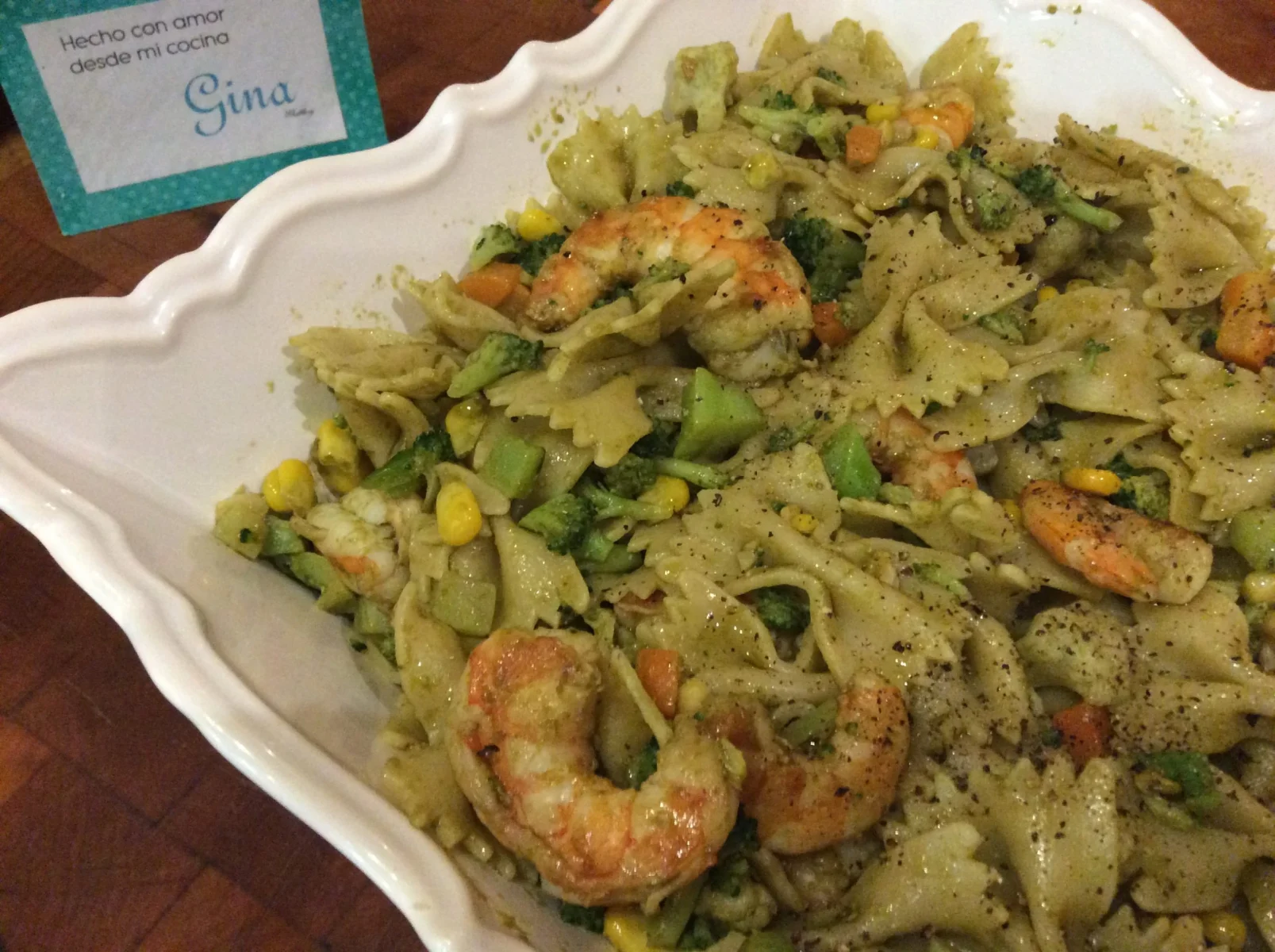
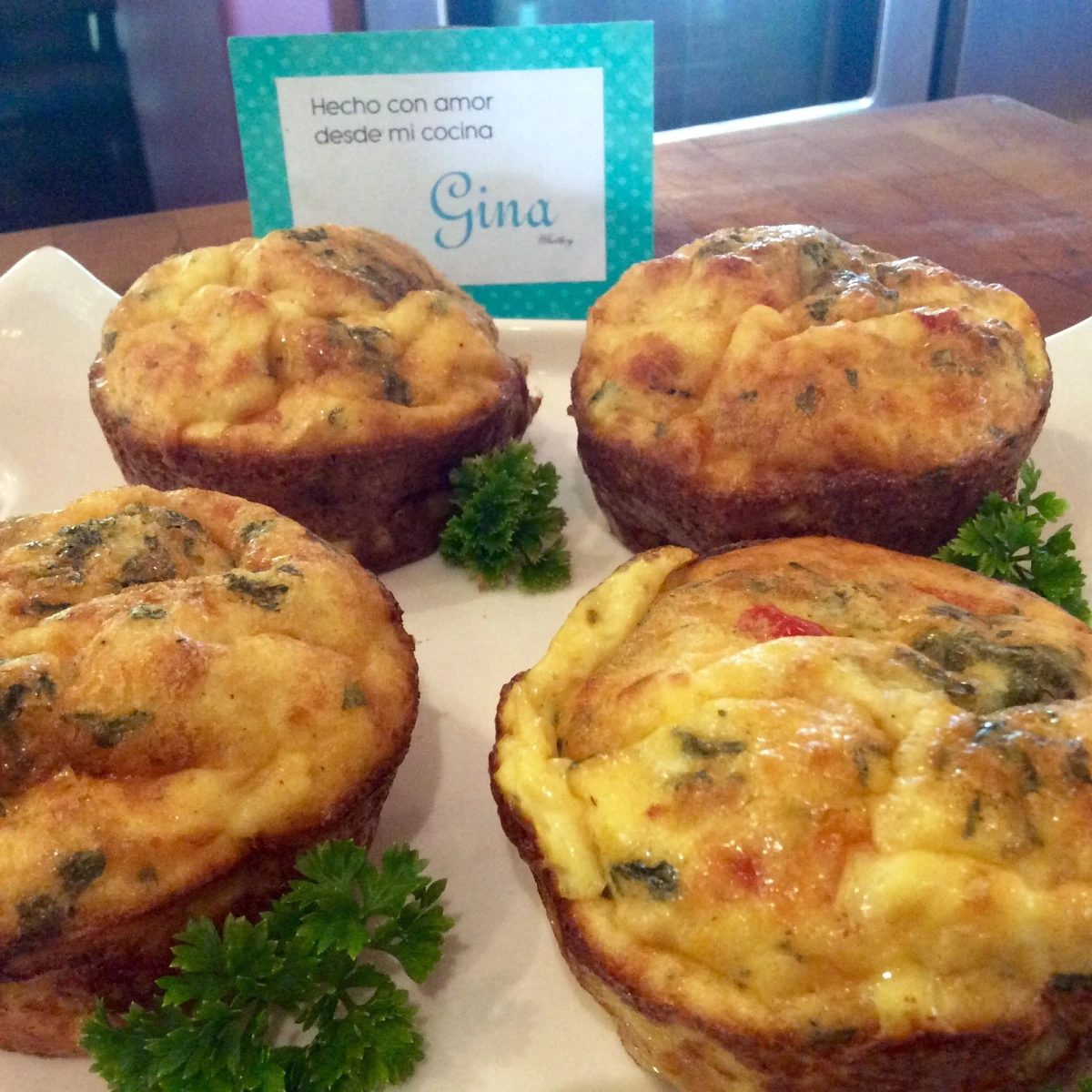


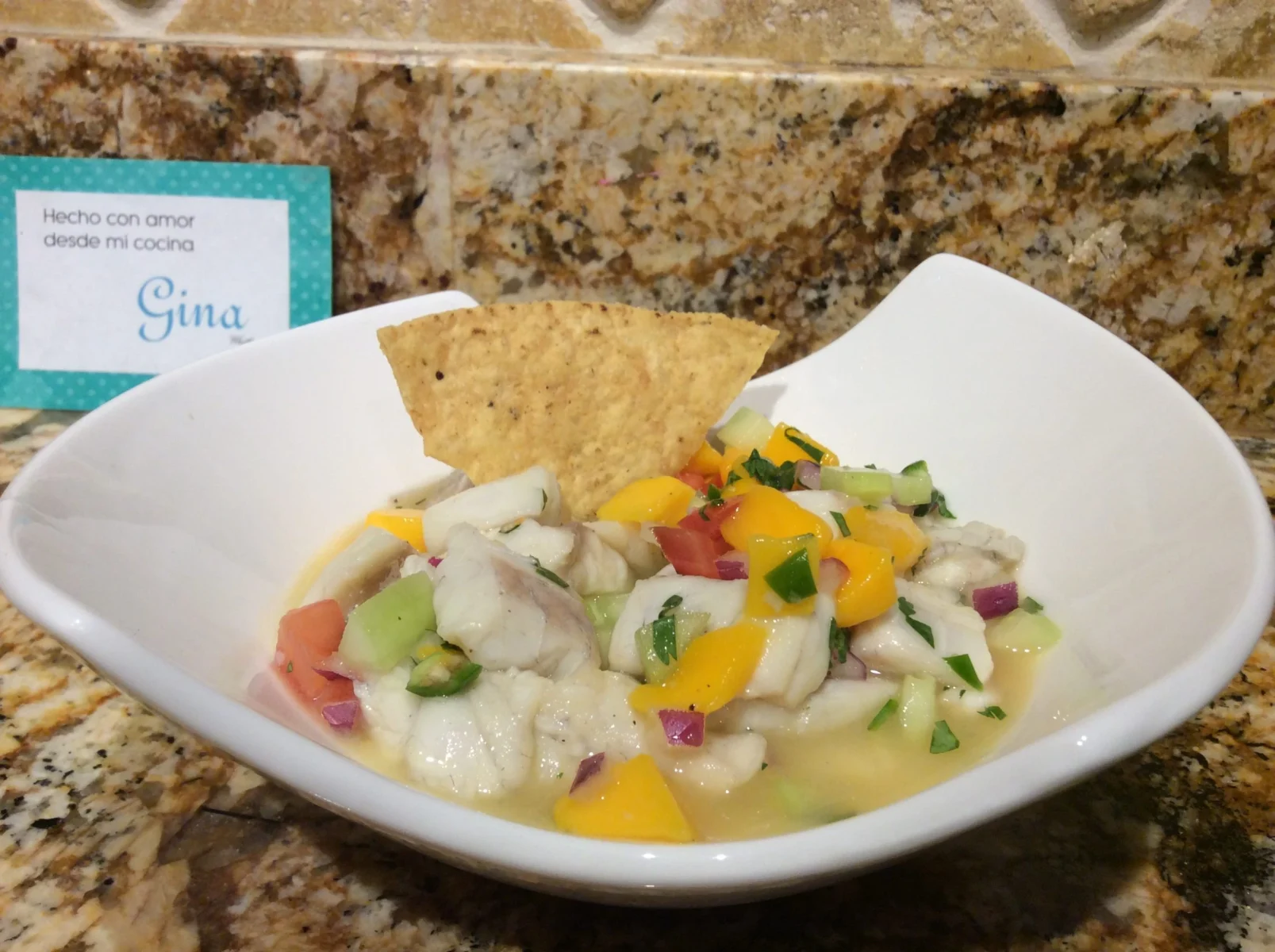
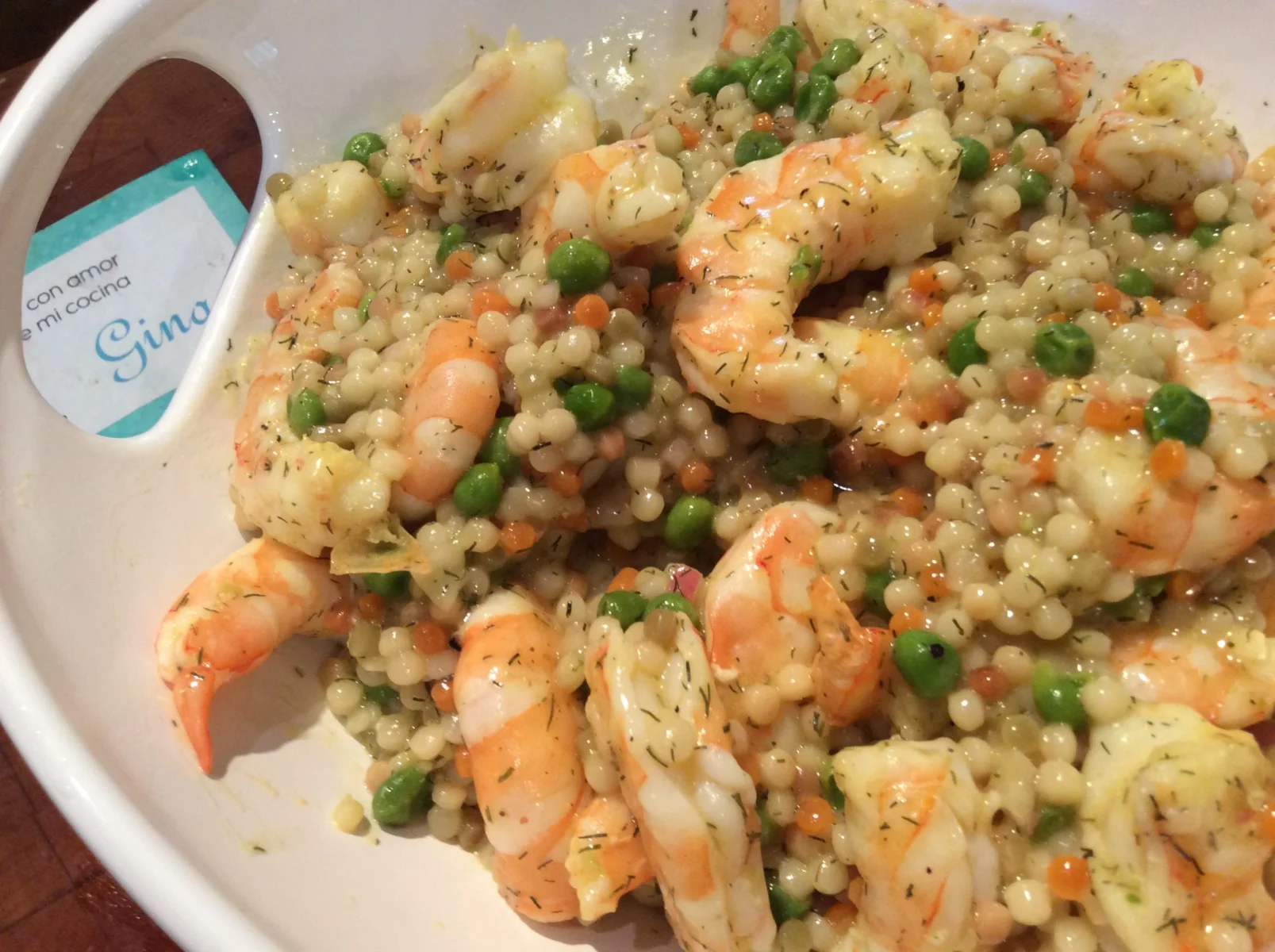


Quedó riquísimo en casa esta de ‘Camarones rellenos de cangrejo’ . la receta está muy bien explicada.
¡Qué delicia!. lo preparé ayer y quedó espectacular. la acompañamos con pimienta recién molida y fue un hit.