

Pineapple and Cranberry Kekos Recipe
Hello! We are going to prepare a truly delicious and comforting fruit dessert, ideal for those who enjoy uncomplicated home cooking. The essence of this dish lies in achieving an extremely juicy interior and a soft crumb, thanks to the masterful combination of fresh and preserved fruits. In this preparation, the sweet and tropical flavor is perfectly balanced with the vibrant acidity of the red berries, creating harmony in every bite. Baking at home has that magical power to transform everyday ingredients into special moments, and this cake is the perfect proof of it. The preparation time will take us approximately fifteen minutes of active work in the kitchen, while the baking time in the oven will be between forty and forty-five minutes. In total, in one hour you will have a spectacular sweet treat ready that will yield about eight to ten portions, depending on how you decide to cut it. The difficulty of this preparation is completely simple, designed so that anyone, regardless of their previous experience, can achieve an exceptional result by following the steps carefully.
To create this wonder, we will need to gather very accessible ingredients. We will start with three eggs, which will be the main structure of our dough. We will also use two hundred and fifty grams of pineapple slices in their juice; it is essential that you use the fruit natural or in its own juice and not in heavy syrup, so as not to unbalance the sweetness of the recipe. From that same can or jar, we will reserve fifty grams of pineapple juice to enhance the flavor. To sweeten, we will weigh two hundred and fifty grams of sugar traditional white. The fat that will give us that tender and unmistakable texture will be one hundred grams of olive oil, preferably mild-flavored so it doesn't overpower the fruits. Additionally, we will incorporate a plain or pineapple yogurt, which thanks to its acidity will help the dough become incredibly fluffy. For the dry structure, we will measure two hundred and fifty grams of flour of common wheat, accompanied by a sachet of baking powder chemical or baking powder, and a pinch of salt to enhance all the flavors. Finally, the star touch will be a handful of blueberries, which although optional, I strongly recommend including.
It is important to understand the role each of these elements plays in the chemistry of baking. Eggs not only bind the ingredients, but when beaten, they trap air that will later expand in the oven, giving volume to our dessert. Using olive oil instead of butter is a wonderful secret for fruit cakes; liquid lipids cover the flour proteins in a different way, which delays the formation of the gluten network and ensures that the crumb remains moist even days after baking. Yogurt, for its part, provides lactic acid. This acid reacts wonderfully with baking powder, creating more vigorous carbon dioxide bubbles that uniformly raise the dough. Furthermore, the moisture from the yogurt and fruit puree ensures that the final result is never dry. If for any reason you find it difficult to find fresh red berries, you can perfectly substitute them with their dehydrated version. If using the dry version, I suggest hydrating them for a few minutes in warm water or a little extra juice before incorporating them into the mixture, so they don't absorb the natural moisture from the dough during baking.
The combination of flavors in this recipe is a tribute to freshness. The tropical fruit, crushed and integrated into the base, not only adds flavor but also transforms the density of the cake, making it almost like a pudding in its tenderness. When we integrate whole red berries, we create small flavor capsules that burst in the mouth with each bite, offering an acidic contrast that cleanses the palate from the general sweetness of the crumb. This duality is what makes the recipe so addictive. You don't need to be an expert baker to master this technique; the secret lies in respecting the quantities and understanding how liquids interact with dry ingredients. Many times, in home baking, we are tempted to alter proportions by eye, but I assure you that maintaining these exact weights will give you the perfect consistency. Go ahead and prepare these fantastic pineapple kekos with cranberries, and you will see how the aroma that will fill your home will become the best reward for your culinary effort.
Utensils we will use for our recipe
To achieve resounding success in preparing our fruit dessert, we do not need to resort to expensive professional equipment or hard-to-access tools. Home baking is based on making the most of the resources we already have in our kitchen, understanding the function of each utensil. The first fundamental element will be a large bowl, preferably made of glass or stainless steel. These materials are ideal because they do not retain odors or grease residues from previous preparations, something that often happens with plastic containers and can affect how our ingredients are integrated, especially when working with eggs and fats. We need the container to be large enough to allow us to mix freely without spilling the dough when making the final movements. In addition to this main bowl, it is useful to have a couple of smaller bowls to weigh and separate dry and liquid ingredients before starting, a practice that in kitchens we call organizing the workstation and that greatly reduces the margin of error.
To process our tropical fruit, we will require a blender or stand mixer. If you don't have one, a hand mixer or a homemade food processor will serve exactly the same function. The goal here is to crush the slices along with the reserved juice until a fine and homogeneous purée is obtained, which will be integrated into the batter, providing moisture without leaving large pieces that could make the cake heavy. To integrate the liquid and dry ingredients, we will use some manual whisks and a espátula de silicona o cuchara de madera. Whisks are excellent for the first phase of mixing, where we need to break the structure of the eggs and dissolve the sugar, creating an emulsion with the oil and yogurt. However, once we add the flour, the spatula becomes our best ally, as it allows us to make gentle and controlled movements, scraping the bottom and sides of the bowl to ensure that no pockets of dry, unhydrated flour remain, all without over-mixing the batter.
Sifting is a non-negotiable step in this preparation, so a colador de malla fina will be essential. You don't need a professional baking sifter; any clean strainer you have at home for draining broths or infusions will work perfectly. Passing the flour and baking powder through the strainer not only removes lumps formed by ambient humidity but also separates the powder particles, aerating the dry mixture. This simple action ensures that the leavening agents are evenly distributed throughout the batter, preventing our dessert from rising irregularly or having areas with a metallic or bitter taste due to a concentration of chemical leavening in a single spot.
Finally, we will need a baking pan. You can choose the shape you like best: round, rectangular loaf pan, or even a pan with a hole in the middle. The important thing is that it is made of a suitable material, preferably metal or ceramic, which conducts heat consistently. If you use silicone molds, remember to place them on a metal baking sheet before filling them, as their flexibility can cause them to deform when transporting them to the oven. To prepare the pan, we will use a little butter for greasing and sprinkled flour, a basic technique that will create a perfect non-stick barrier. Alternatively, you can line the base with a piece of parchment paper or baking paper cut to size, which will guarantee impeccable unmolding, especially since this cake, being so moist thanks to the fruit, tends to be a bit more delicate and requires gentle handling when removing it from the container.
Step-by-step preparation
The first step, and probably one of the most critical in any baking recipe, is to preheat the oven to 180 degrees Celsius. Never put a cake into a cold or half-heated oven. Leavening agents, such as the baking powder we are using, first react with the moisture in the batter and then need the immediate impact of intense heat to generate the gases that will make the dessert rise. If the oven is not at the correct temperature, the batter will lose its ability to rise, resulting in a dense and heavy texture. While the oven reaches the appropriate temperature, take your pan, generously grease it with butter, covering the bottom and sides well, sprinkle a little flour, shake off the excess, and set it aside. This way, you will have everything ready to pour the batter as soon as it is finished, preventing it from resting too long in the bowl.
Next, we are going to crush the fruit slices with the reserved liquid. In your blender or mixing cup, place the two hundred and fifty grams of pineapple slices along with the fifty grams of juice you saved from the can. Process at medium speed until you get a smooth puree without large chunks. This mixture is the soul of our recipe, as it will concentrate all the tropical flavor and provide the necessary hydration for the dough. Once the puree is achieved, transfer it to your large glass or metal bowl. Next, add the wet ingredients and beat well. Incorporate into the bowl the natural yogurt or yogurt of your chosen flavor, the three whole eggs, the two hundred and fifty grams of sugar, and the one hundred grams of olive oil. With your hand whisks, beat vigorously for a couple of minutes. The goal here is to dissolve the sugar crystals as much as possible and to emulsify the oil with the water from the fruits and eggs, creating a pale yellow liquid cream with a uniform texture.
The next step requires a bit more delicacy. We are going to sift and incorporate the dry ingredients. Place your fine-mesh sieve over the bowl with the liquid mixture and pour into it the two hundred and fifty grams of flour, the packet of yeast, and the pinch of salt. Tap the sieve gently so that the powders fall like fine rain onto the liquids. Now, set the whisks aside and grab your spatula. Mix very well gently, making movements that go from the edges of the bowl towards the center and gathering the dough from the bottom. This folding motion is crucial to avoid developing the flour's protein. If you overmix at this point, the cake will be tough and elastic instead of tender and crumbly. Stop exactly when you no longer see traces of dry flour in the batter.
To finish the batter, pour into the previously greased mold and incorporate the blueberries into the batter. Distribute the mixture evenly in your prepared mold. Now, take your handful of red berries and spread them over the top of the batter. Some will remain on the surface and others will sink slightly during baking due to their own weight, which is perfect for finding these tart surprises in each slice. Bake for about 40 or 45 minutes. Place the mold on the central rack of the oven, where the heat circulates more evenly. Do not open the oven door during the first thirty minutes under any circumstances, as the sudden change in temperature would cause the center of the dessert to collapse irreversibly.
To finish and serve
Once about forty minutes have passed, it's time to check if it's done. Insert a wooden skewer or the tip of a clean knife into the exact center of the cake; if it comes out clean and without raw batter sticking to it, your creation is ready. If you still notice excessive moisture, leave it for an additional five minutes, making sure the surface doesn't brown too much. Remove the mold from the oven and, this is very important, let it cool on a wire rack for at least fifteen minutes before attempting to unmold it. When hot, the internal structure is very fragile and could break. After this resting time, run a blunt knife around the edges and carefully unmold. When serving, once it is completely at room temperature, you can sprinkle powdered sugar over it using a small sieve, which will give it a beautiful and professional snowy finish. Serve it cut into generous slices, ideally accompanied by a cup of good coffee or strong black tea to contrast with the sweetness of the fruit.
Nutritional Information
Understanding what we consume is a fundamental part of consciously enjoying home cooking. When we prepare desserts at home, we have absolute control over the quality of the ingredients, which makes an enormous difference compared to industrial pastries. This particular recipe benefits from the substitution of solid fats with olive oil, a pillar of the Mediterranean diet, and the incorporation of real fruit puree, which modifies the traditional nutritional profile of a common sponge cake. Below, I present an approximate breakdown of the nutritional values per serving, assuming we divide our dessert into ten equal slices. These values help us get a clear idea of the energy and macronutrients provided by this delicious snack.
Calorías: 285 kcal. This figure represents the energy that each serving provides us. Much of this energy comes from the carbohydrates present in flour and sugar, as well as from the healthy fats in olive oil. It is a fairly standard value for a dense and moist homemade dessert, making it a satisfying bite, ideal for replenishing energy in the mid-afternoon or for starting the morning with a lasting energy boost, thanks to the mix of fast sugars from fruit and slow sugars from wheat.
Proteins: 4.5 g. The proteins in this baked good come mainly from the three eggs we use to give structure to the dough, as well as from the yogurt and, to a lesser extent, from the wheat flour itself. Although it is not a protein dessert, the presence of these ingredients ensures that the dough has the necessary elasticity and strength to retain air bubbles during baking, giving us that spongy texture we seek.
Fats: 12 g. The fat content of this recipe is extremely interesting. By using olive oil instead of butter, we are incorporating monounsaturated fats into our preparation. The oil is not only responsible for keeping the crumb tender and preventing the cake from drying out over the days, but also, culinarily, it coats the flour particles very efficiently. To these fats are added the lipids present in egg yolks, which act as natural emulsifiers, ensuring that the liquid and dry ingredients integrate into a perfect and homogeneous cream.
Carbohydrates: 40 g. Carbohydrates are the structural and flavor protagonists. They come from wheat flour, which forms the network that supports the dessert, from white sugar that caramelizes the crust, providing that irresistible golden color, and from the naturally present sugars in tropical fruit and juice. This combination of sources ensures a balanced sweetness, where the fruity flavor stands out above the added sugar, making the palate experience complex and not cloying at all.
Fiber: 1.5 g. The amount of fiber in this portion is mainly provided by the inclusion of processed fruit and whole red berries. Although refined white flour loses much of its fiber during milling, the fact of integrating the pulp of the blended slices and the skin of the whole dark fruits adds a small but valuable contribution of texture and plant cell structure to the final result.
Note: The values presented are approximate estimates per serving, calculated based on standard household ingredients and may vary slightly depending on the specific brands used or the exact size of the cut when serving.
5 keys to make it perfect
Baking is an exact science that, once understood, becomes a deeply relaxing art. Although the recipe we are preparing is wonderfully simple, there are small technical details that make the difference between an acceptable cake and a truly exceptional one, the kind that makes everyone ask for the secret. The first fundamental key is the temperature of the ingredients. When we indicate that eggs and yogurt should be at room temperature, it's not a whim. Cold ingredients directly from the refrigerator harden the oil and prevent a correct emulsion from forming. If the liquids are at room temperature, they mix fluidly, trapping tiny air bubbles that are essential for the final sponginess. If you forgot to take them out of the fridge, a quick home trick is to submerge the eggs in lukewarm (not hot) water for ten minutes before using them.
The second key lies in controlling the movement when adding flour. I have seen countless batters ruined by an excess of enthusiasm at this point. Wheat flour contains two proteins that, upon contact with moisture and being vigorously kneaded or beaten, form gluten. Gluten is fantastic for bread, but it is the natural enemy of a tender cake. Therefore, when incorporating dry ingredients, we must put away the electric beaters and use a manual spatula, integrating the flour with just the right amount of moisture. The moment the last white trace of powder disappears from the batter, we must stop. A slightly lumpy batter is a thousand times preferable to an overbeaten batter.
Our third key is a technical detail for handling whole fruits: coating the red berries. A very common problem when baking with fresh fruit is that, due to its weight and moisture, it tends to sink to the bottom of the pan, creating a gummy layer at the base and leaving the rest of the crumb bare. To prevent this, before sprinkling them over the batter or incorporating them, you can toss the clean, well-dried fruits in a very light coating of flour, shaking off the excess in a sieve. This very thin film of powder creates friction between the fruit and the surrounding batter, acting as a brake that wonderfully keeps them suspended in the center of your dessert throughout baking.
The fourth key has to do with patience and discipline with the oven door. The curiosity to see our creation rise is great, but opening the door during the first thirty minutes of baking is a fatal mistake. Baking powder creates gas bubbles that expand the walls of the dough; however, until the heat coagulates the egg proteins and dries the starches in the flour, those walls are fragile. A blast of cold air from the kitchen causes the gases to suddenly contract, collapsing the internal structure. The result is a sunken, dense center that has no solution. Trust the indicated time and be content with observing through the appliance's glass.
Finally, the fifth key to perfection is respect for the cooling process. Taking the pan out of the hot oven and trying to unmold immediately or cut a steaming slice usually ends in disaster. When the dessert has just finished baking, the starches are still in a gelatinous state and the crumb is extremely weak. It needs to rest in its pan for about fifteen minutes for the structure to set and firm up. Afterwards, by transferring it to a wire rack to cool completely, we allow steam to escape from the base, preventing the bottom from condensing and becoming soggy. Only when it is at room temperature will the flavors have settled and the texture will show its true greatness when sliced.
When is it ideal to enjoy it?
This fruit dessert has a versatility that makes it an ideal candidate for multiple occasions throughout the year. Traditionally, afternoon snack time is the prime moment for this type of homemade creation. Imagine a weekend afternoon, when the frantic pace of the week has stopped, and you gather with family or friends around the table. The tropical and sweet aroma lingering in the kitchen after baking creates an unparalleled home atmosphere, inviting everyone to sit, converse, and share. Accompanied by a good freshly brewed coffee, which cleanses the palate with its bitterness, or a mild herbal infusion, each bite of the moist and tender crumb is doubly enjoyed. It's the kind of comforting bite that isn't heavy, thanks to the refreshing acidity of the fruits, allowing you to enjoy a generous slice without feeling overwhelmed by sugar.
But let's not limit this wonder to just afternoons. It's an exceptional companion for leisurely breakfasts. Not being excessively sweet and containing the energy from flour and lipids from olive oil, it provides an excellent base to start the day. If stored correctly in an airtight container at room temperature, the natural moisture from the fruit puree will continue to work, and you'll be surprised to discover that by the second or third day, the texture becomes even juicier and the flavors integrate more deeply. In fact, many prefer the rested texture of this type of baked good. For those summer breakfasts, when fresh fruit is more appealing than ever, this is a wonderful way to consume it in a different and very attractive format for all family members.
Furthermore, due to its robustness and ability to retain moisture, it's a fantastic option to bring to outdoor celebrations, picnics, or even as a homemade gift for a loved one. Unlike cakes with complicated creams or glazes that require constant refrigeration, this rustic baked good travels wonderfully well. If you like to explore more options that are also perfect for sharing and have that fruity, homemade touch, you could venture another day with some delicious strawberry cheese muffins, which follow a very similar philosophy of combining dairy moisture with the freshness of berries. Whatever the occasion, preparing your own sweets at home is an act of love, a necessary pause in our daily routine to connect with authentic and simple flavors that always comfort the spirit.
Comparative table of fruit pastries
As we delve into the world of homemade fruit baking, it's normal to wonder how our recipe today differs from other classic options we usually see in bakeries or cookbooks. Each preparation has its own chemical and sensory personality, dictated by how the ingredients are integrated. To better understand why our baked good today is so special, we can compare it with other heavyweights of baking. Starting, of course, with our own recipe. The key ingredients that define it are the tropical fruit puree mixed directly into the batter, olive oil replacing solid fats, and the inclusion of whole red berries. The great advantage of this technique is that it provides unsurpassed integral moisture throughout the crumb; the flavor is not just on the surface or in a filling, but every gram of batter is infused with freshness, achieving a tender texture that lasts for days.
If we compare it with a traditional upside-down cake of the same tropical fruit, we will notice fundamental differences. The upside-down cake uses whole slices placed at the bottom of the pan over a generous layer of caramel or brown sugar and butter. Its key ingredients are, in addition to the sliced fruit, that caramelized base. Its main difference or advantage is the contrast of textures: it offers an intense, sticky, and deeply sweet topping thanks to the baked caramel, while the bottom crumb is usually a bit denser and more traditional, acting as support for the weight of the caramelized fruit, unlike our crumb, which is uniform and spongy throughout.
Another very similar recipe would be the classic banana bread, very popular in homes. The star ingredients here are very ripe mashed bananas, spices like cinnamon, and frequently, walnuts. The difference lies in the density and aromatic profile; banana bread is usually much heavier and denser, with warm, toasted aromatic notes, ideal for cold climates. In contrast, our combination of citrus acidity and tropical sweetness offers a much brighter, lighter, and more refreshing profile to the palate. On the other hand, if we think of traditional red berry muffins or cupcakes, we will see that their key ingredients focus on milk, butter, and fresh berries. The advantage of these individual preparations is the much shorter baking time and a crispy top crust known as a «copete» (muffin top), but by using butter and milk instead of oil and fruit puree, they tend to dry out faster and do not achieve the same level of extreme juiciness as our main preparation.
We could also mention the classic Genoise sponge cake, the base for so many birthday cakes. This baked good relies almost exclusively on eggs intensely beaten with sugar and a very controlled amount of flour, with hardly any added fat. Its great virtue is absolute lightness, being like a sponge designed to absorb syrups and liqueurs. However, on its own, it is quite dry, which places it at the opposite end of our fruit recipe, which is designed to be eaten as it comes out of the pan, rich, moist, and full of its own flavor, without the need for subsequent liquid baths to be appealing.
Culinary glossary
Throughout this explanation, we have used some terms specific to the kitchen and baking environment. Although I always try to explain them in context, it's always good to have a small review so that, little by little, you become familiar with the language of the kitchen and feel more confident when tackling any homemade recipe.
Sift: This is a fundamental verb in pastry making. It means passing a dry ingredient, generally flour, cocoa, or powdered sugar, through a fine-mesh sieve or sifter. It's not just about removing the small hard lumps that form due to storage humidity, but the main goal is to separate the particles, introducing air between them. Well-aerated flour will integrate much more easily and quickly with liquids, preventing us from over-beating and ruining the texture of the dough.
Emulsify: It's the magical process of forcing two liquids that naturally hate each other, like water and oil, to mix stably and homogeneously. In our recipe, we achieve this uniform cream by vigorously beating olive oil with the moisture from the eggs and yogurt. Egg yolks contain a substance called lecithin, which acts as a mediator or bridge, grabbing water on one side and fat on the other, keeping the mixture united and silky.
Folding movements: It is a mixing technique specifically designed to treat dough with maximum delicacy. Instead of stirring in fast circles as we would when dissolving sugar in coffee, a flat spatula is used. The dough is cut through the center until it reaches the bottom of the bowl, the bottom is scraped by pulling the spatula towards the edge, and the dough is lifted, letting it fall back on itself while slightly rotating the container. This slow and rhythmic movement allows solids to be integrated into liquids without crushing the valuable air bubbles that took so much effort to create when beating the eggs.
To line (a mold): It is the classic term we use to refer to preparing the mold before baking. It consists of creating a protective film by greasing the entire internal surface of the mold with a solid fat, such as butter or margarine, paying special attention to the corners. Flour is sprinkled over this fat, rotating the mold so that it adheres everywhere, and finally, it is tapped upside down to expel the excess. This thin «lining» ensures that, once baked, the dessert slides out of the mold without leaving pieces stuck to the bottom.
Skewer test (or doneness point): It is the oldest and most reliable quality control technique in home kitchens. Because each oven heats slightly differently, baking times are always estimates. To know exactly when the batter has stopped being liquid and has become a solid baked structure, a thin wooden skewer or a knife is inserted into the geometric center of the dessert, which is the area that takes the longest to receive heat. If the tool comes out stained with raw or very wet batter, it needs more time; if it comes out clean or with a few dry crumbs adhering, the exact point of doneness has been reached.
Share your experience
The kitchen is, above all, a space to experiment, enjoy the process, and especially, to share the results with those we love most. Nothing would make me happier than to know how you fared preparing this recipe in your own home. Did you achieve that juicy texture we talked so much about? Perhaps you decided to give it your personal touch by adding a pinch of cinnamon or changing the yogurt for one of a different flavor? Go ahead and prepare these sweets and tell us how the baking moment went. Home cooking grows and is enriched by the anecdotes and small modifications that each family brings to recipes. Leave your comment, share your own findings and tricks, and let's continue making our kitchen the warmest heart of the home. Until the next recipe!






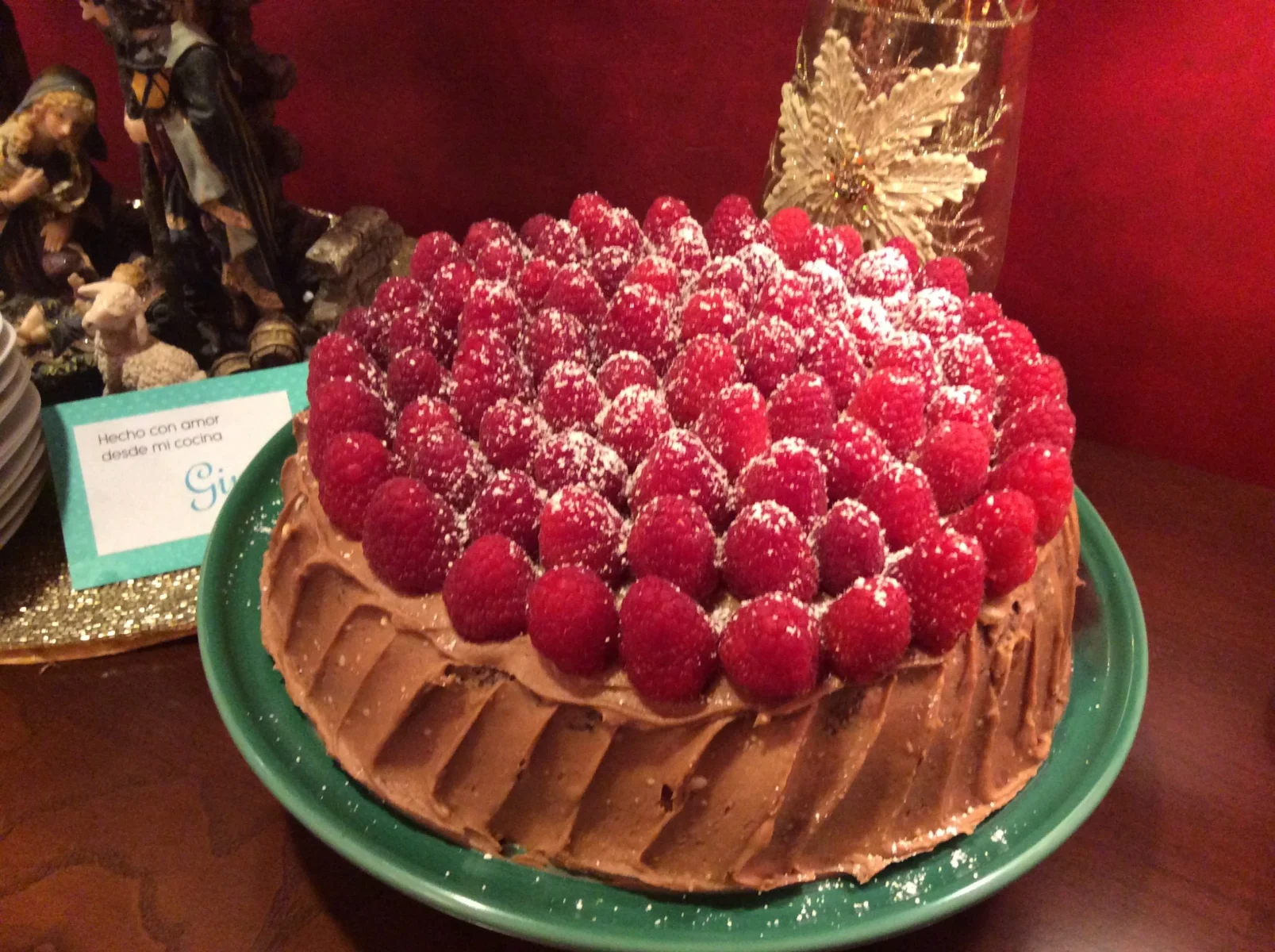
What a delight! these ‘Pineapple and Cranberry Kekos’.
We loved the result of these ‘Pineapple and Cranberry Kekos’.
I tried it today. It turned out delicious, thanks for the tips.