


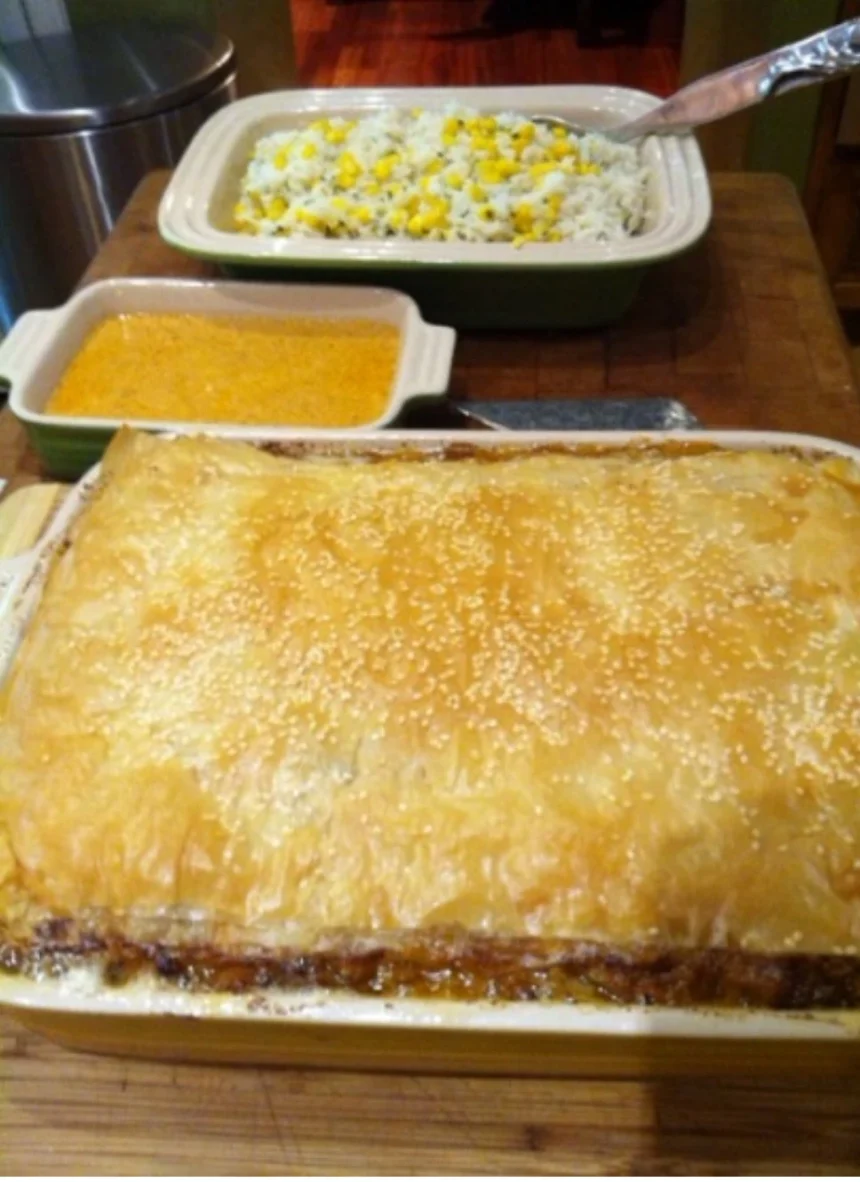
Tinga Puff Pastry Recipe
Hello! We're going to prepare a combination that never fails in my kitchen when I want to treat everyone: a crispy puff pastry filled with juicy chicken tinga. It's the perfect balance between the delicate and buttery texture of the dough with the smoky and homemade intensity of the chipotle. Ideal for changing up the lunch routine or for a special, uncomplicated dinner.
Preparation time
Organizing our time is vital to enjoy the process without stress. Here's the breakdown so you know exactly how long it will take us to bring this delight to the table.
- Preparation: 25 minutes
- Cooking: 35 minutes
- Total: 1 hour
- Servings: 6 people
- Difficulty: Intermediate
Ingredients
To achieve that authentic Mexican street food flavor but with the refined touch of the oven, we need fresh ingredients. The quality of the tomato and the doneness of the onion will make all the difference in our tinga.
For the chicken tinga
- Cooked and shredded chicken breast (500 g)
- Ripe jitomates (red tomatoes) (4 medium pieces)
- Large white onion (1 piece)
- Garlic cloves (2 pieces)
- Chipotle chili in adobo (2 or 3 pieces according to taste)
- Vegetable oil (2 tablespoons)
- Salt (to taste)
- Ground black pepper (to taste)
- Dried oregano (1 pinch)
For assembly
- Puff pastry (500 g)
- Egg (1 piece for glazing)
- Wheat flour (for dusting, as needed)
- Sesame seeds (optional, for decorating)
If you don't have chicken breast, you can replace it with cooked chicken thighs, which add a bit more juiciness, or even leftover roasted chicken; if using the latter, reduce the amount of salt in the sauce slightly as the chicken will already be seasoned.
Utensils we will use
We don't need sophisticated equipment, but we do need the right tools to make the job easier. Make sure you have everything on hand before turning on the heat.
- Large frying pan or medium saucepan
- Blender
- Cutting board
- Chef's knife or utility knife
- Wooden rolling pin
- Baking sheet or tray
- Baking paper (parchment paper) or silicone mat
- Kitchen brush (or the back of a spoon)
- Fork
- Small bowl (for beating the egg)
Preparation
We are going to build this dish in layers of flavor. The most important thing here is to control the moisture of the filling so that our puff pastry rises beautifully and stays crispy. Follow the steps calmly.
1. Sauce preparation
- Blend the base ingredients. Place the quartered tomatoes, peeled garlic cloves, chipotle chilies (adjust the amount if you don't eat a lot of spice), the pinch of oregano, and a very small splash of water or chicken broth in the blender cup just to facilitate blending.
- Process the mixture. Blend on high speed until you get a smooth and homogeneous sauce. We want the tomato to be fully integrated. Set this sauce aside for a moment.
2. Tinga cooking
- Cut the onion. Take the white onion and cut it into thin slices (thin strips). This cut is classic for tinga and adds a lot of texture.
- Sauté the onion. Heat the oil in the pan over medium heat. Add the sliced onion and sauté, stirring constantly. We want it to become transparent and slightly golden, this enhances its natural sweetness.
- Incorporate the sauce. Pour the tomato and chipotle sauce you blended over the sautéed onion. Be careful because it might splatter a bit due to the heat.
- Season and reduce. Add salt and pepper to taste. Lower the heat and let the sauce cook for about 10 minutes. It is vital that the tomato changes color to a more intense red and that the sauce loses acidity.
- Add the chicken. Integrate the shredded chicken into the pan. Mix thoroughly so that each strand of meat is impregnated with the marinade.
- Dry the filling. Continue cooking over low heat until almost all the liquid has evaporated. To fill puff pastry, the tinga should be moist but not soupy, or the dough will break. Remove from heat and let cool completely.
3. Assembly and baking of the puff pastry
- Preheat the oven. Turn on your oven to 200°C (390°F). Puff pastry needs a strong burst of heat to puff up its layers.
- Roll out the dough. Sprinkle a little flour on your clean work surface. Roll out the puff pastry with a rolling pin until it reaches an approximate thickness of 3 to 5 millimeters. Try to form a large rectangle or two equal sheets.
- Fill. Place the chicken tinga (already cold, this is crucial) on one half of the dough, leaving a free border of about 2 centimeters around. If you prefer individual portions, cut squares, place filling in the center, and fold into a triangle.
- Close and seal. Cover with the other half of the dough (or close your empanadas). Press the edges with your fingers and then mark with a fork to ensure the filling does not come out.
- Make vents. With the tip of a knife, make a few small cuts or perforations on the top of the dough. This allows the steam from the filling to escape and prevents the pie from bursting.
- Glaze. Beat the egg in the small bowl and, with the help of the brush, paint the entire surface of the puff pastry. This will give it that irresistible golden color. If desired, sprinkle sesame seeds on top.
- Bake. Place the puff pastry on the baking sheet with parchment paper. Put it in the oven and cook for 25 to 35 minutes, or until you see that it has risen, the layers are visible, and it has an intense and even golden color.
To finish and serve
Once the puff pastry is well golden, remove it from the oven and place it on a wire rack if possible. Let it rest for about 10 minutes before cutting it; this allows the filling to settle and the dough not to crumble as much when cutting. Serve hot accompanied by a fresh salad to contrast, similar to how we would serve a chicken pie classic, but with that unique spicy touch.
Nutritional Information
Although we love to enjoy, it's always good to have an idea of what we consume. These values are estimates for an average serving of our puff pastry.
- Calories: 450 kcal
- Proteins: 22 g
- Fats: 28 g
- Carbohydrates: 35 g
- Fiber: 3 g
Note: Values may vary depending on the brand of puff pastry used and the exact amount of oil in the preparation.
5 keys to make it perfect
Puff pastry can be intimidating, but with these secrets, I assure you it will turn out like French bakery quality with a Mexican heart.
- Always cold filling: Never put hot tinga on raw dough. The heat will melt the butter in the puff pastry layers prematurely and it won't rise, resulting in a dense and greasy dough.
- Very hot oven: Do not put the baking sheet in if the oven has not reached the temperature. The thermal shock is what creates instant steam between layers to achieve spectacular volume.
- Avoid excess liquid: If your sauce was too watery, let it reduce longer over the heat. A filling with too much broth will moisten the base and it will never be crispy, a common problem also when making a traditional pie if humidity is not taken care of.
- Do not drag the rolling pin at the end: When cutting the edges of the dough, use a sharp knife and make a clean cut downwards, do not drag the blade. Dragging seals the layers of the edges and prevents them from rising.
- The egg should not touch the edges: When glazing, try to prevent the egg from dripping down the side cuts of the dough, as it acts as glue and can prevent the layers from separating and growing.
When is it ideal to enjoy it?
This tinga puff pastry is incredibly versatile. I love preparing it for weekend family gatherings because it yields a lot and looks spectacular as a centerpiece. It's perfect for birthdays or national celebrations where we want to move beyond traditional tostadas but keep the typical flavors. Plus, since it can be eaten warm or at room temperature, it's an excellent option to bring to a picnic or a «potluck» with friends.
Comparison table
Sometimes we confuse similar preparations or look for alternatives. Here's how our tinga puff pastry compares to other favorites you might be considering.
| Recipe | Key ingredients | Difference/advantage |
|---|---|---|
| Tinga Puff Pastry | Puff pastry, chicken, chipotle | Very crispy and airy texture with spicy filling. |
| Argentine Empanada | Shortcrust pastry, ground meat, olive | More compact and softer dough, less spicy filling. |
| Hidalguense Paste | Flour, lard, potato, meat, leek | Firm and resistant dough, raw filling that cooks inside. |
| Vol-au-vent | Puff pastry, creamy fillings | Small individual format, usually more of an appetizer. |
| Quiche | Shortcrust pastry, egg, cream, cheese | It's an open tart with an egg custard, creamier. |
| Chicken Pie | Shortcrust pastry (pie type), vegetables, cream | Sandier texture in the dough and creamy white filling. |
| Fried Quesadilla | Corn dough, tinga, lettuce | It's fried in oil, crispy but corn-based texture, not baked. |
Frequently asked questions (FAQ)
Share your experience
La cocina es para experimentar y compartir. Me encantaría saber cómo te quedó este hojaldre, si decidiste hacerlo en formato grande o individual, o si le agregaste algún toque personal como queso extra. ¡Deja tu comentario y comparte tus propios truquitos para que todos sigamos aprendiendo!
Culinary glossary
So you don't have any doubts while cooking, here I explain some terms we used today:
- Sauté until translucent: Cocinar la cebolla o ajo en materia grasa a fuego suave hasta que se vuelva transparente y tierna, sin que llegue a quemarse.
- Shred: Separar la carne cocida (en este caso pollo) en hebras o tiras finas con las manos o con ayuda de dos tenedores.
- Brush: Aplicar una capa fina de líquido (usualmente huevo batido, leche o mantequilla) sobre una masa con una brocha para darle brillo y color al hornearse.
- Reduction: Proceso de cocinar una salsa o líquido destapado para que el agua se evapore, espesando la mezcla y concentrando los sabores.
- Puff pastry: Masa formada por muchas capas alternadas de harina y grasa (mantequilla) que, al hornearse, se separan por acción del vapor creando volumen y textura crujiente.
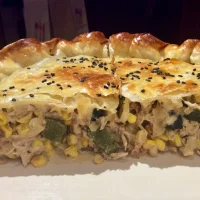



What a great idea this ‘Tinga Puff Pastry’ is. It was a total success with my family.