
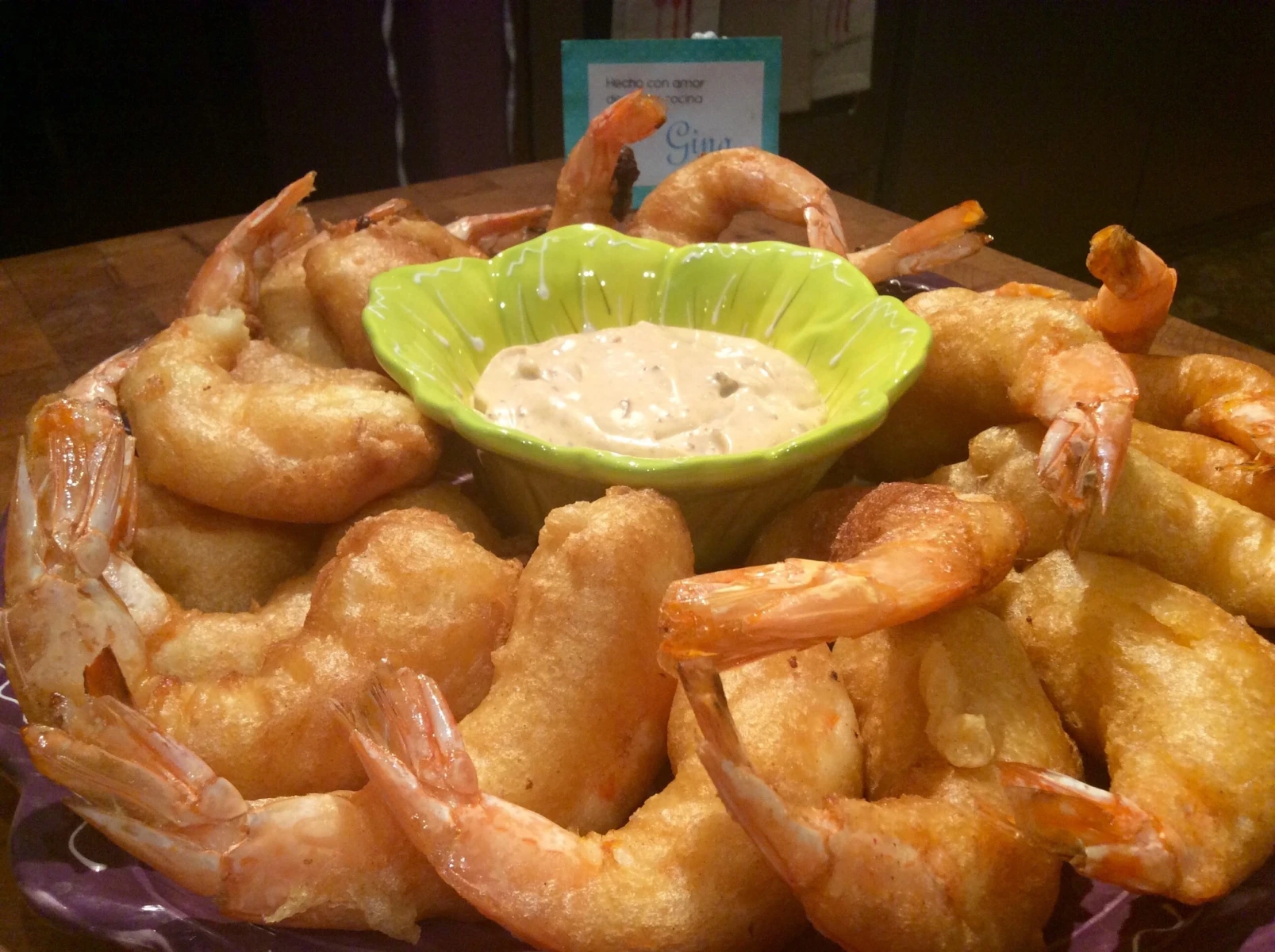
Recipe for Beer-basted Shrimp
Hello! We are going to prepare some beer-battered shrimp that are incredibly juicy inside and bursting with flavor. The essence of this dish lies in its slow cooking, where a thick sauce of tomatoes and spices embraces the seafood to create a truly comforting meal. It's the ideal option to break the routine and enjoy good home cooking, achieving a result that will surprise your family.
Understanding the dynamics of this recipe is fundamental to mastering seafood cooking at home. Often, the fear of cooking seafood proteins lies in the final texture. If you overcook it, you get a rubbery consistency; if you undercook it, the protein doesn't develop its full potential. Here, the technique consists of first creating a robust and characterful liquid base, allowing the seafood to be submerged only at the end. This way, they absorb heat gently and controllably. It's a basic principle applied in any modern gastrobar, but one you can perfectly replicate on your own stove without the need for complicated equipment.
The use of fermented beverages in cooking has a long tradition. By incorporating liquids with a complex flavor profile, you add notes that water or simple broth cannot offer. During the boiling process, the alcohol completely evaporates, leaving behind only residual sugars, malt nuances, and a slight bitter touch that balances the natural acidity of the tomatoes. This balance is the secret behind a deep and memorable sauce. You don't need to be an expert to achieve it; it only requires patience to let the liquids reduce at their own pace.
The aromatic base of this dish is built layer by layer. We start by sweating the vegetables to release their essential oils, creating a solid foundation. Serrano chilies provide a level of spiciness that awakens the palate without overshadowing the natural sweetness of the main protein. In the midst of 2026, where the trend is to return to authentic flavors and unhurried preparations, mastering these types of sauces gives you a huge advantage in your daily repertoire. You will realize that common ingredients you already have in your pantry can be radically transformed when you give them the right time and temperature.
Furthermore, this preparation is extremely versatile. The resulting sauce is so rich that you'll want to use every last drop. It works wonderfully over a bed of white rice, which acts like a sponge absorbing all the juices, or simply accompanied by some freshly warmed corn tortillas. Learning to balance the acidity, sweetness, and body of a sauce is an invaluable skill. I invite you to observe the changes in color and texture in your pan, paying attention to how the ingredients interact with each other. That is the true magic of cooking from scratch.
Preparation time
To help you organize better in your kitchen and enjoy the process without stress, here is the exact breakdown of the times we will manage in this recipe.
- Preparation: 15 minutes
- Cooking: 40 minutes
- Total: 55 minutes
- Servings: 8
- Difficulty: Easy
Prior organization, known in kitchens as mise en place, is the pillar of any successful preparation. Those initial fifteen minutes are exclusively dedicated to washing, peeling, and chopping all your ingredients. When you have the onion cut, the garlic finely chopped, and the spices measured before turning on the heat, you avoid setbacks. In recipes where layers of flavor are built, you cannot afford to leave the stove to chop a last-minute ingredient, as you run the risk of burning the aromatic base.
The forty-minute cooking time may seem extensive for a seafood dish, but it's important to break it down to understand why. The vast majority of this time, approximately twenty-five minutes, is dedicated exclusively to the maturation of the sauce. Tomatoes need sustained heat to break down, release their juices, and lose their raw acidity. Simultaneously, the liquid introduced needs time to reduce its volume, thus concentrating its flavor. This slow cooking stage is passive; it only requires you to occasionally watch the pot and stir to prevent solids from settling at the bottom.
On the other hand, the active cooking of the protein is incredibly fast, taking barely between four and six minutes. This drastic difference in times reflects the nature of the ingredients. The sauce needs time to build complexity, while seafood protein requires brief and delicate treatment to maintain its tenderness. Understanding this duality will make you a more intuitive cook. You'll know exactly when you can relax and when you need to pay full attention to the pan.
If you decide to accompany this dish with a side dish like rice, the sauce reduction time is the ideal moment to prepare it. Synchronization in home cooking allows you to have all the components of your meal ready at the same time, ensuring that everything arrives at the table at the perfect temperature. Get used to reading the entire recipe before starting and mentally organize the order of the steps. This practice will save you effort and make your cooking experience much smoother and more enjoyable.
Ingredients
- 2 pounds raw shrimp, peeled, deveined, and tail-off
- 3 tablespoons olive oil
- 1 1/2 cups chopped white onion
- 6 cloves minced garlic
- 2 serrano peppers, stems removed and chopped
- 2 pounds chopped tomatoes
- 4 tablespoons tomato paste
- 8 sprigs fresh thyme
- 1 bay leaf
- 2 cups light beer or lager
- 2 teaspoons of salt
- 4 chopped scallions (Optional)
If you don't have ripe fresh tomatoes, you can substitute them with the same amount of whole canned tomatoes and crush them yourself by hand. If you can't find serrano peppers, jalapeño is a direct replacement, although it will provide a slightly lower level of spiciness. For tomato paste, if you don't have it, you can omit it, but you will need to cook the sauce for about ten additional minutes uncovered to achieve the proper thick texture.
The selection of protein is the first critical step. Opting for shrimp that are already cleaned and tail-off saves you considerable manual labor. In home cooking, practicality is essential to ensure we cook frequently. If you buy them frozen, make sure to thaw them correctly under a stream of cold water or by leaving them in the refrigerator overnight. Never use hot water for this process, as it would initiate premature cooking in the outer layers, ruining the final texture of the product.
The use of olive oil provides a fruity flavor that complements the acidity of the tomato very well. White onion and fresh garlic form the backbone of countless traditional recipes. By chopping them uniformly, you ensure they cook at the same rate. Serrano peppers introduce a bright and herbal heat. It is important to remove their stem or peduncle before chopping them. If you want to control the level of spiciness, you can remove the seeds and internal veins of the chili, as that is where the highest amount of capsaicin is concentrated.
Tomatoes are the body of our preparation. Cutting them into cubes allows them to break down faster upon contact with heat. The addition of tomato paste is an excellent resource to intensify the deep red color and provide a concentrated umami flavor that fresh tomatoes would take hours to develop. Aromatic herbs, such as fresh thyme and bay leaf, infuse the liquid with earthy and woody notes. Whenever possible, choose fresh thyme, as its oils are much more vibrant than in its dried version.
Finally, the liquid that unifies everything. A clear lager-type beer is ideal because it has a smooth malt profile and low bitterness, which prevents the sauce from becoming astringent when reduced. Avoid dark or heavily hopped craft varieties (like IPAs), as heat concentrates bitterness and could ruin the balance of the dish. Salt is the enhancer that will make all these elements shine, and fresh chives at the end will provide an indispensable color contrast and crunchy texture.
Utensils we will use
- Large, deep frying pan or a wide pot
- Cutting board
- Sharp knife
- Glass bowls or containers for organizing ingredients
- Wooden spoon or silicone spatula
- Colander (if you need to thaw or wash the protein)
- Measuring cups and spoons
The choice of pan is more important than it seems. We need a container with a wide surface area. Why? Because a larger contact surface with heat allows liquids to evaporate more efficiently. If you use a very narrow and tall pot, the liquid will get trapped, creating a steaming effect that will boil the ingredients instead of allowing the sauce to reduce and thicken properly. A wide pan ensures that heat is distributed evenly, which is vital when we add the seafood at the end of the recipe.
The material of your container also matters. For acid-rich preparations, such as those with a large amount of tomato, it is advisable to use stainless steel, enameled cast iron, or a good quality non-stick pan. If you use raw cast iron or untreated aluminum, the acid from the tomato can react with the metal, imparting an unpleasant metallic taste to your food and discoloring the sauce. In home cooking, stainless steel is always a reliable ally due to its durability and thermal neutrality.
Let's talk about the knife and cutting board. Cutting tomatoes with a dull knife is one of the most frustrating tasks; you'll end up crushing the vegetable and losing all its juices on the board instead of preserving them for the pot. A sharp knife cuts through the tomato skin without resistance. As for the board, try to use a treated wooden one or a thick plastic one, always making sure to place a slightly damp cloth underneath it. This simple adjustment will prevent the board from slipping while you chop onions or garlic, preventing accidents.
Small containers or glass bowls are your best organizational tool. Measuring and placing tomato paste, spices, and chopped vegetables in separate containers before turning on the heat transforms the cooking experience. You stop frantically searching for ingredients in the pantry and focus on what's happening in the pan. Additionally, using a wooden spoon or a heat-resistant spatula allows you to scrape the bottom of the pot without scratching it, releasing those golden bits that concentrate so much flavor.
Finally, a simple mesh colander will make your life easier if you need to rinse seafood under cold water to finish thawing it. It is vital to drain any excess water very well before adding them to the pot. Measuring cups standardize the amount of liquids, ensuring that the proportion between the tomato and the fermented beverage is exact to achieve the desired consistency without the sauce being too watery or excessively thick.
Preparation
Initial preparation of ingredients
Wash and drain: If your ingredients are frozen, place them in a colander and run them under cold water until they are flexible. Once thawed, drain them perfectly, lightly pat them dry with absorbent paper to remove excess moisture, and reserve them in the refrigerator until the exact moment of use. Excess water would thin the sauce.
Creación de la base aromática
Heat and sauté: Place your large pan over medium-high heat. Pour in the olive oil and allow it to come to temperature without smoking. Add the previously chopped white onion. Stir constantly with your spatula and fry for a couple of minutes. You'll know it's ready when the edges start to look translucent, a sign that the natural sugars are ready to mix.
Integration of powerful flavors
Add garlic and chili: Add the chopped garlic cloves and serrano chilies to the pan. Lower the heat slightly if you notice the garlic starting to brown too quickly; burnt garlic imparts an undesirable bitter taste. Sauté, stirring constantly, for one minute, just until the aroma fills your kitchen.
Building the body of the sauce
Add the tomatoes: Empty all the chopped tomatoes into the pan. Upon contact with the heat and the natural salt of the vegetables, they will begin to release their juices. Fry everything together for a couple of minutes, allowing the tomato to change from a bright red to a slightly more opaque shade, indicating that the cellular structure is breaking down.
Seasoning and liquid reduction
Add the flavor enhancers and liquid: It's time to incorporate the tomato paste, fresh thyme sprigs, bay leaf, and salt. Mix well for the paste to dissolve. Immediately after, pour in the light beer. Stir, gently scraping the bottom of the pan to integrate any stuck-on flavors. Wait for the liquid to start boiling with large bubbles.
Slow cooking and concentration
Lower the heat and cover: When the mixture reaches a boil, reduce the temperature to medium-low heat. Cover the pan with a lid and let it cook gently for 25 minutes. During this time, the flavors will mature, and the alcohol will completely evaporate. Check a couple of times and stir to ensure it doesn't stick to the bottom.
Cooking the protein
Submerge the seafood: After 25 minutes, uncover the pan. The sauce should look thick and deep red. Take the seafood out of the refrigerator and submerge it directly into the hot sauce. Raise the heat slightly to medium. Stir occasionally and cook for 4 to 6 minutes. The unmistakable sign that they are ready is when their flesh turns opaque, acquires a firm pink tone, and curls slightly into a «C» shape. Do not leave them longer, or they will become tough.
To finish and serve
Once the protein reaches that perfect pink color and firm but tender texture, turn off the heat immediately to stop the cooking. With the help of tongs or a spoon, locate the bay leaf and the thicker thyme sprigs that may have remained in the pan and remove them, as they have fulfilled their aromatic function and are not pleasant to bite into. Carefully taste the sauce and adjust with an extra pinch of salt if you deem it necessary. Serve generous, hot portions, making sure to drench everything with plenty of sauce. Accompany it with freshly made white rice to soak up the juices, and sprinkle chopped chives on top to add a fresh touch and a vibrant green contrast that will make your dish look spectacular on the table.
Nutritional Information
- Calories: 236 kcal
- Proteins: 25 g
- Fats: 7 g
- Carbohydrates: 15 g
- Fiber: 3 g
These values are approximate estimates per serving, calculated based on the main ingredients and may vary depending on the brand or size of the ingredients you use at home.
Understanding the composition of what we cook helps us balance our daily meals. This dish stands out as an excellent lean option. Seafood protein is known for having a high concentration of amino acids with a very low content of saturated fats. By using a liquid-based cooking method (tomato sauce and fermented beverage) instead of deep frying, we keep calories under control while maximizing the flavor profile. The fats present come mainly from olive oil, which is stable at moderate heat and adds richness to the final result.
Tomatoes, when subjected to a prolonged cooking process and accompanied by a fat source, make it easier for our body to assimilate their nutrients more efficiently. The acidity of fresh vegetables counteracts the density of the dish, creating lighter digestion. Furthermore, the carbohydrates present in the recipe come from the natural sugars of the onion, tomato, and the remnants of the beverage used, providing the necessary energy without being heavy.
When planning the complete menu, keep this information in mind. If you want to keep the meal low in carbohydrates, you can serve the preparation over a bed of spiralized zucchini or cauliflower mash. On the other hand, if you are looking for a more substantial lunch, accompanying it with cereals like rice or rustic bread will help you enjoy all the sauce, creating a complete and balanced meal. The key to home cooking is adapting recipes to your own needs and lifestyle.
5 keys to make it perfect
1. The temperature of the protein before cooking
Introducing very cold ingredients into a hot sauce will drastically lower the pot's temperature, interrupting the boil and causing the seafood to sweat instead of cooking firmly. Although you should keep them refrigerated for safety, take them out about five to ten minutes before adding them to the sauce so they lose their extreme cold. Also, make sure to pat them dry with absorbent paper; any excess water will dilute the deep flavors you spent 25 minutes building.
2. The exact reduction point
A watery sauce lacks impact on the palate. Patience is your best tool during the 25 minutes of simmering. If you notice that at the end of the stipulated time the mixture still looks very liquid (this can happen if your tomatoes had a lot of water), uncover the pot and raise the heat slightly for a few additional minutes before adding the seafood. Look for a velvety texture that coats the back of a spoon without immediately slipping off. This is the exact point of reduction.
3. Choosing the right fermented beverage
The type of liquid you use will drastically change the result. Look for clear pilsner or lager style beers, which provide notes of toasted bread and a subtle sweetness. If you use dark beers (stout or porter), the sauce will acquire a cloudy tone and a burnt coffee flavor that will clash with the delicacy of the tomato. If you use very hoppy beers (like an IPA), the bitterness will concentrate as the liquid evaporates, making the sauce undrinkable. Keep the choice simple and light.
4. Visually identifying the perfect cooking
Olvídate del reloj por un momento y confía en tus ojos. Los mariscos cambian de un gris translúcido a un blanco opaco con vetas rosadas brillantes. Su forma también te habla: un camarón crudo es alargado; uno perfectamente cocido tiene forma de «C»; y uno sobrecocido se cierra formando una «O» apretada y adquiere una textura de goma. En cuanto veas que la mayoría ha formado una «C» relajada, retira la sartén del calor de inmediato. Recuerda que el calor residual de la salsa seguirá cocinándolos un par de minutos más.
5. The final balance of acidity and salt
Los tomates varían enormemente en su nivel de dulzor y acidez dependiendo de la temporada. Por esta razón, probar la salsa antes de servir es una regla inquebrantable. Si después de los 25 minutos de cocción sientes que la salsa está demasiado ácida, puedes equilibrarla añadiendo media cucharadita de azúcar blanca o morena. El azúcar no endulzará el plato, sino que neutralizará la acidez excesiva, redondeando el sabor. Igualmente, rectifica la sal solo al final, ya que al reducir los líquidos, los sabores se concentran.
When is it ideal to enjoy it?
Este plato tiene una personalidad doble que lo hace sumamente práctico para el cocinero de casa. Por un lado, es lo suficientemente reconfortante y accesible como para convertirse en una cena habitual entre semana. Como la mayor parte del tiempo de preparación es pasivo (esperando que la salsa reduzca), te permite limpiar la cocina o preparar una guarnición sencilla mientras la estufa hace el trabajo pesado. Es el tipo de receta que te salva cuando quieres algo caliente, casero y con un toque especial, sin tener que ensuciar demasiadas ollas o pasar horas de pie cortando ingredientes.
Por otro lado, la riqueza de su salsa y la presencia de la proteína del mar le otorgan un aire festivo y de celebración. Es una opción fantástica para un almuerzo de fin de semana en familia, cuando hay más tiempo para sentarse a la mesa y disfrutar de una buena plática. La naturaleza del plato invita a compartir; colocar la sartén grande en el centro de la mesa con una canasta de pan tibio para que todos puedan servirse y limpiar la salsa fomenta un ambiente cercano y relajado, alejándonos de los protocolos rígidos y acercándonos a la verdadera hospitalidad casera.
Durante las temporadas más cálidas, como el verano, este platillo brilla porque los mariscos siempre evocan frescura y días cerca de la costa. Sin embargo, su salsa robusta, profunda y servida bien caliente, lo convierte en un abrazo al paladar durante los meses más fríos del año. Es un plato versátil que no está atado a una estación específica. Si alguna vez disfrutas de recetas como unos garlic shrimp o te aventuras con un saffron and shrimp risotto, encontrarás en esta preparación un nuevo clásico para tu rotación mensual.
Además, es una receta que escala muy bien. Si tienes invitados inesperados, es muy fácil duplicar las cantidades utilizando una olla más grande, manteniendo la misma proporción de ingredientes. Solo asegúrate de darles a los vegetales suficiente espacio para sofreírse correctamente al inicio. No importa si es una reunión casual viendo deportes o una cena más íntima; la combinación de aromas que inundará tu hogar al cocinar esta salsa garantizará que todos lleguen a la mesa con el apetito a tope y listos para disfrutar.
Culinary glossary
Devein: Es el proceso de retirar la línea oscura (que es el tracto digestivo) que recorre el lomo de ciertos mariscos. Aunque muchos los venden ya limpios, si los compras enteros, puedes hacerlo haciendo un corte superficial a lo largo del dorso con un cuchillo pequeño y retirando la vena con la punta. Esto mejora tanto la presentación como el sabor del producto final.
Reduce: Consiste en hervir un líquido a fuego continuo y destapado para que el agua se evapore. Esta técnica tiene dos propósitos fundamentales: espesar la textura de una salsa u olla y concentrar profundamente los sabores de los ingredientes restantes. En esta receta, la reducción es lo que transforma un caldo ligero en una salsa aterciopelada.
Sudar: Técnica de cocción suave donde se cocinan vegetales (generalmente cebolla, ajo, apio o zanahoria) a fuego bajo o medio con un poco de materia grasa. El objetivo no es dorarlos ni que tomen color, sino ablandarlos para que liberen su agua y sus azúcares naturales, creando una base de sabor dulce y aromática para la salsa.
Mise en place: Término de origen francés que significa «puesto en su lugar». En la cocina práctica de casa, se refiere a la acción de lavar, picar, medir y organizar todos tus ingredientes y utensilios antes de encender el fuego. Aplicar esta regla básica evita errores por prisa, previene que se quemen los alimentos y hace que cocinar sea un proceso ordenado y disfrutable.
Tender point: En las proteínas del mar, se refiere al momento exacto en que la carne pasa de estar cruda y translúcida a cocida y firme, pero aún retiene toda su humedad interna. Pasarse del punto tierno resulta en texturas secas o chiclosas. Identificar este punto depende más de la observación visual (cambios de color y encogimiento) que de un tiempo cronometrado estricto.
Share your experience
La cocina es un espacio vivo, diseñado para experimentar, adaptar y, sobre todo, para compartir con los demás. Una receta nunca es un manual rígido, sino una guía que tú haces tuya en el momento en que enciendes la estufa. Me encantaría saber cómo te fue preparando este platillo en tu propia casa. ¿Tuviste que sustituir algún ingrediente porque no lo encontraste en el mercado? ¿Ajustaste el nivel de picante para los más pequeños de la familia, o quizás encontraste una guarnición diferente que combinó a la perfección con la salsa espesa de tomate?
Cada cocina tiene su propio ritmo y cada cocinero tiene sus propios trucos. Deja tu comentario y cuéntame si lograste ese punto tierno perfecto en la proteína o si descubriste alguna marca de bebida clara que le dio un toque insuperable a tu preparación. Al compartir tus resultados, no solo me ayudas a mí a entender mejor tus gustos, sino que también inspiras a otros lectores que están a punto de animarse a entrar a la cocina. ¡La buena comida sabe mucho mejor cuando la compartimos y comentamos juntos!

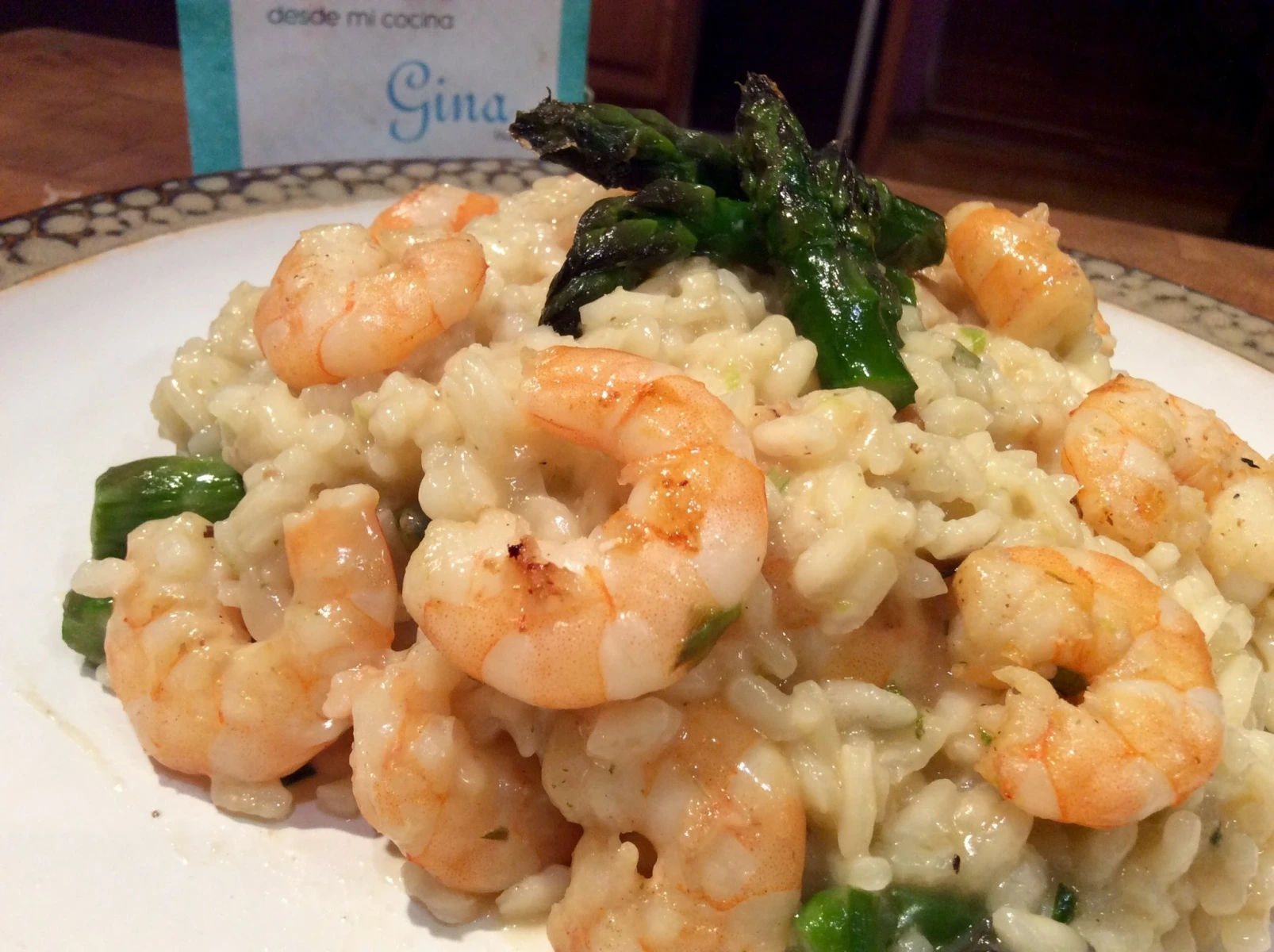
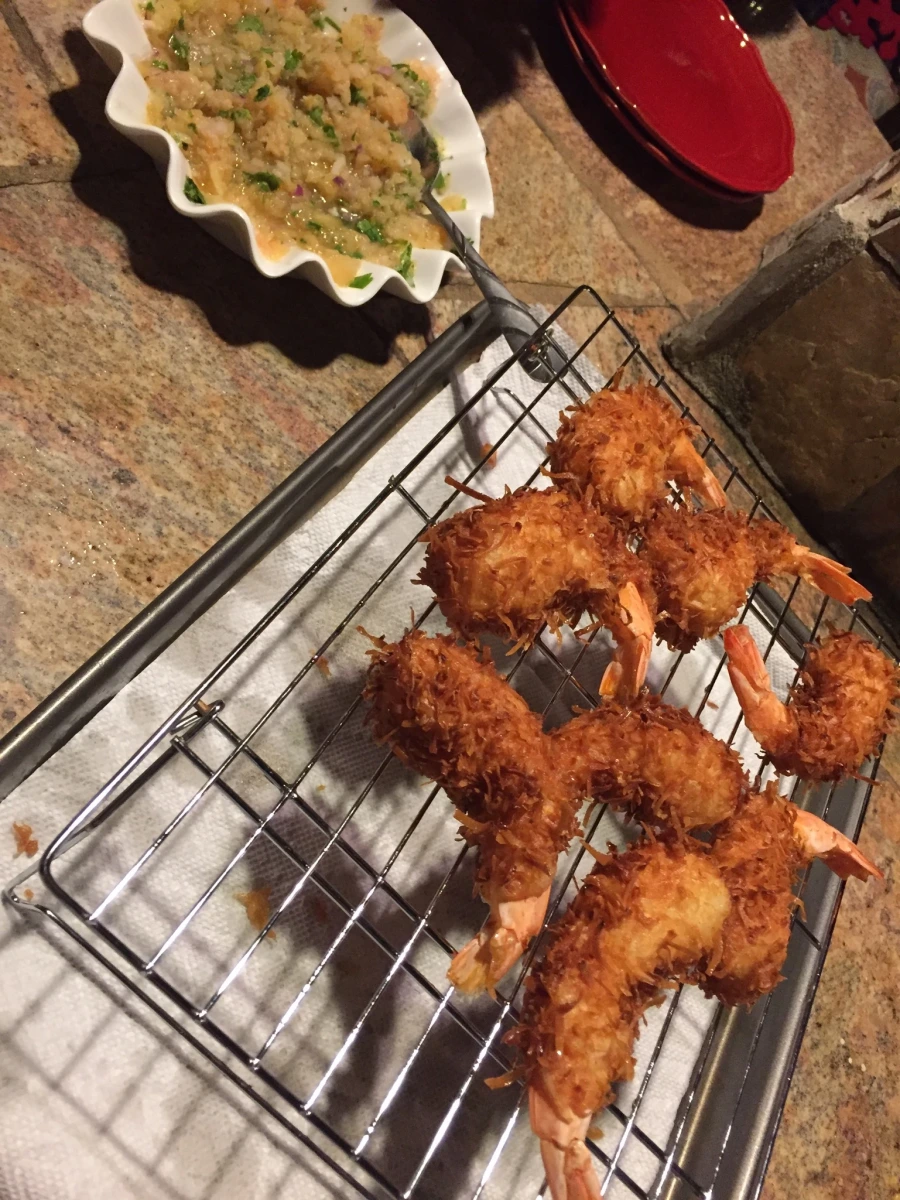
I was surprised by the flavor of these ‘Beer-battered shrimp’. I'll make them again this weekend. We all loved them.
These ‘Beer-battered shrimp’ are very practical and tasty.