

Cilantro Vinaigrette Recipe: Fresh and Delicious
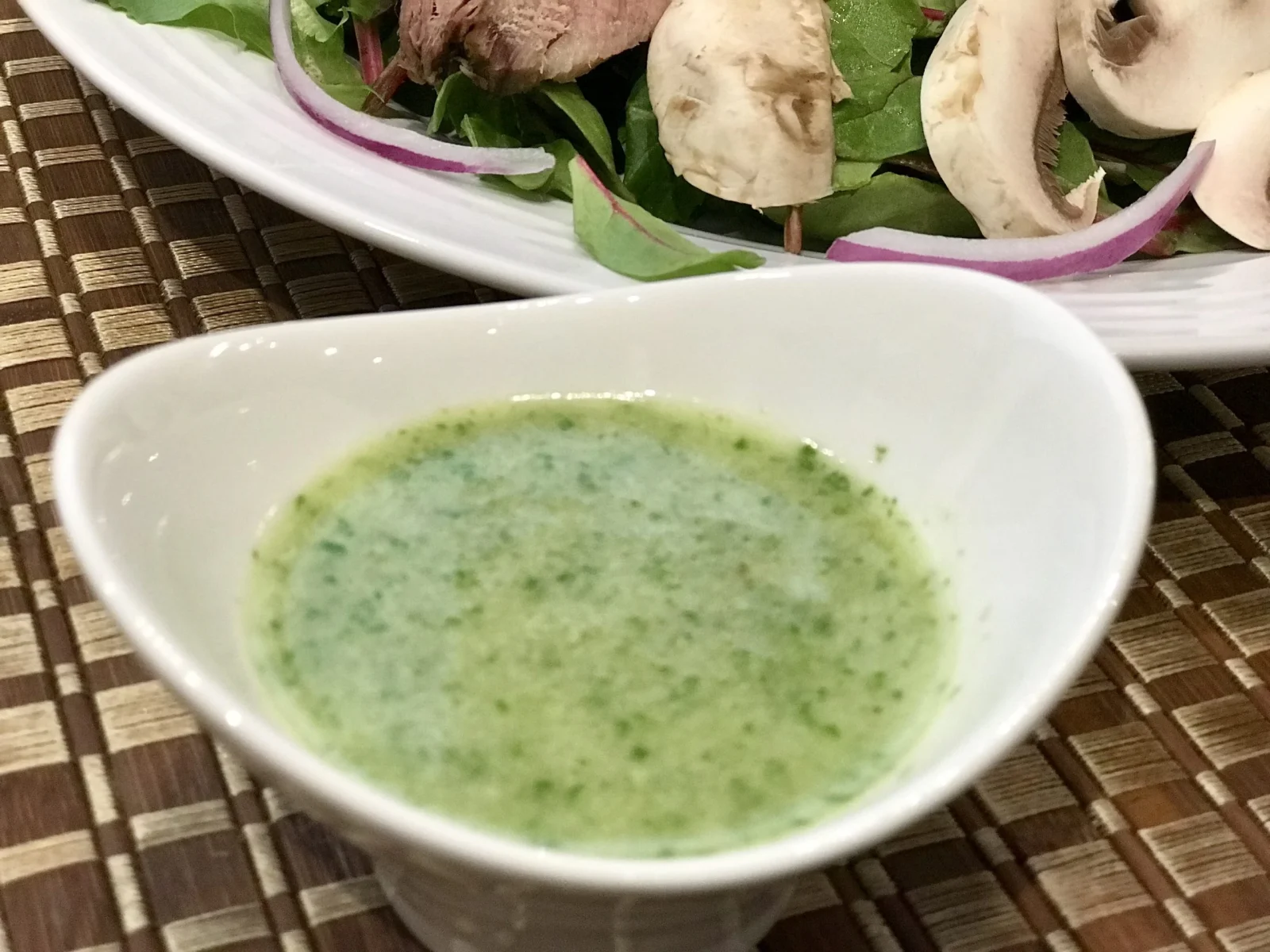
Hello! Let's prepare together this dressing that is a true lifesaver in the kitchen. It's a vibrant sauce, full of aroma and with that acidic touch that brightens up any dish, from a simple lettuce to grilled fish, providing immediate freshness.
Preparation time
Getting organized is key to enjoying cooking. Here's the time breakdown so you know exactly how long it will take you to have this dressing ready on your table.
- Preparation: 15 minutes
- Cooking: 0 minutes
- Total: 15 minutes
- Servings: 4 people
- Difficulty: Easy
Ingredients
To achieve that authentic, homemade flavor, we need fresh ingredients. Don't worry, these are things you surely have in your pantry or can easily find at the corner store.
- 1 pinch of Salt
- 1 bunch of fresh Cilantro
- 1/2 cup of Lemon juice
- 1 tablespoon of Mustard
- 1 splash of Vinegar (preferably white or apple cider)
- 1/2 cup Olive oil
- 1 pinch of Sugar or jam to taste
If you don't have fresh lemons, you can substitute with lime for a more tropical touch. If you don't have olive oil, sunflower oil works, although the flavor will be less intense.
Utensils we will use
You don't need to be a restaurant chef to do this. With the basics you have in your drawers, it's more than enough to achieve an incredible texture.
- Cutting board
- Sharp knife
- Medium bowl or basin
- Hand whisk or a fork
- Lemon squeezer (optional, you can use your hand)
- Blender or food processor (only if you prefer a very liquid texture)
Step-by-step preparation
Follow these steps calmly. Cooking is meant to be enjoyed, and you'll see how the aromas begin to fill your kitchen in a matter of minutes.
Cleaning and cutting the cilantro
Wash the bunch of cilantro under the tap with cold water to remove any dirt. It is vital that you dry it very well with kitchen paper or a lettuce spinner; if water remains, the vinaigrette will be watery and won't have that silky texture. Once dry, finely chop the leaves and thin stems very small on the board. The stems have a lot of flavor, don't throw them away!
Creating the acidic base
In the bowl or container you have chosen, place the chopped cilantro. Add the tablespoon of mustard and the splash of vinegar. Squeeze the lemons until you get half a cup of juice and pour it into the mixture. Stir a little with the whisk so that the cilantro soaks up the acids.
Seasoning and balance
Now let's give it character. Add the pinch of salt and here comes the secret: add the pinch of sugar or a little jam (apricot or orange works great). This sweetness is essential to counteract the powerful acidity of the lemon and vinegar, achieving a perfect balance on the palate.
Emulsifying with oil
This is the moment of magic. While constantly whisking with the whisk or fork, gradually add the olive oil in a thin stream, little by little. By doing so, we ensure that the oil and acidic liquids combine, creating a full-bodied and slightly thick sauce, instead of two separate liquids.
Blended option (Alternative)
If you prefer a completely green, liquid, and uniform sauce where the small leaves are not noticeable, you can put all the ingredients in the blender cup and process for about 30 seconds until it is smooth and creamy. This is ideal if you are going to use it in squeeze bottles for decorating.
To finish and serve
Once you have the emulsion ready, taste it. It's time to adjust; if it feels too acidic, add another pinch of sugar. If it lacks punch, a touch more salt. This sauce is ready to use immediately. It looks spectacular drizzled over some steamed vegetables with vinaigrette to liven them up, or as the star dressing at a family meal. Serve it in a nice sauce boat or directly on the plate just before bringing it to the table so that the salad stays crispy.
Nutritional Information
Here are the approximate data of what this dressing provides to your body per diner. Remember that olive oil is a healthy fat, but calorically dense.
- Calories: 255 kcal
- Proteins: 0.3 g
- Fats: 27 g
- Carbohydrates: 2 g
- Fiber: 0.3 g
Daily percentage values are based on a 2000 calorie diet and may vary depending on the specific ingredients you use at home.
5 keys to make it perfect
Sometimes, small details make the difference between a normal sauce and one that everyone asks you for the recipe. Here are my secrets for this dressing.
1. Drying the cilantro is non-negotiable
Many times we wash the cilantro and chop it wet. Residual water prevents the oil from adhering well to the leaf and «cuts» the vinaigrette, leaving it watery and weak. Take an extra minute to thoroughly dry it with absorbent paper or a clean cloth.
2. Oil quality matters
Being a raw preparation, the flavor of the oil is not hidden. An extra virgin olive oil will provide delicious fruity and spicy notes. If you use a poor quality or rancid one, it will ruin all the effort. If the extra virgin is too strong for you, mix it half and half with sunflower oil.
3. The sweet-acid balance
Don't be afraid of sugar or jam. We are not looking for it to taste like dessert, but to «round out» the flavor. Lemon and vinegar together are very aggressive on the palate; the sweetness acts as a bridge that unites the fat of the oil with the acidity, making the eating experience much more pleasant.
4. Chop at the moment
Cilantro oxidizes quickly and turns black if you chop it too far in advance. Chop it just before mixing. If you need to get ahead, you can mix the liquids first and add the fresh herbs at the last second to maintain that vibrant green color that is visually appealing.
5. The correct emulsion
If you use a blender, don't leave it on for too long or the heat from the blades can slightly «cook» the herbs and make the mixture bitter. If you do it by hand, whisking vigorously as the stream of oil falls ensures a velvety texture that will coat your vegetables instead of sliding to the bottom of the plate.
When is it ideal to enjoy it?
This vinaigrette is incredibly versatile, but it truly shines in warmer months. It's the perfect accompaniment for summer barbecues or outdoor gatherings, as its acidity cuts through the fat of grilled meats very well. It's also fabulous for lightening up cold legume dishes, such as a good pasta salad with chickpeas, providing a freshness that invites you to keep eating.
Don't limit it just to lettuces. Imagine warm boiled potatoes bathed in this; they transform into a luxurious dish. Even for marinating chicken breasts before cooking them, it works wonders, tenderizing the meat and filling it with flavor.
Comparative table of dressings
Sometimes we hesitate about which sauce to use. Here I help you compare our cilantro vinaigrette with other popular options so you can choose the best one according to your menu.
| Recipe | Key ingredients | Difference/advantage |
|---|---|---|
| Cilantro Vinaigrette | Cilantro, lemon, oil | Intense herbaceous freshness, ideal for Latin food |
| Raspberry Vinaigrette | Raspberries, vinegar, sugar | Fruity and sweet flavor, perfect for strong cheeses. Check out this raspberry vinaigrette. |
| Balsamic Vinaigrette | Modena vinegar, oil | Dark color and sweet-mature flavor, more classic. |
| Honey Mustard Dressing | Dijon Mustard, honey | Creamier texture and sweet spicy flavor. |
| Italian Vinaigrette | Oregano, red vinegar, garlic | Drier and spicier profile, without the fresh citrus touch. |
| Caesar Dressing | Anchovies, egg, parmesan | Dairy and heavy base, not vegan or light. |
| Yogurt Dressing | Greek yogurt, cucumber | Creamy and dairy, less acidic than vinaigrette. |
If you like to experiment with different dressings, I recommend checking out these vinaigrette recipe books where you'll find inspiration for the whole year.
Frequently asked questions (FAQ)
Share your experience
I would love to know how this vinaigrette turned out for you. Did you add your personal touch? Maybe a little garlic or changed the vinegar. Cooking is for experimenting and sharing. Leave your comment and share your own little tricks so we can all learn together!
Culinary glossary
In the kitchen, we use words that sometimes sound strange, but they are very simple. Here I explain some that we saw today.
Emulsify: It is the process of mixing two liquids that normally do not combine, such as water (or vinegar) and oil, beating quickly until a creamy and unified mixture is achieved.
Bunch: Refers to a bouquet of fresh herbs tied or grouped, just as they are sold in the market. The quantity may vary, but it is usually what fits in a closed fist.
Rectify: To taste the food almost at the end of preparation to adjust the salt, acidity, or sweetness and leave it perfect before serving.
Pinch: It is a small and imprecise measure, equivalent to what you can take between the tips of your index finger and thumb. It is to give a subtle touch.
Dressing: Any sauce, mixture of spices, or liquids used to flavor, season, or accompany a dish, especially salads or cold meats.




And how not to make it if reading it makes you crave it
how delicious, I'll copy it, thanks
It turned out delicious at home . I prepared it yesterday and it was spectacular. what a great guide.
I was surprised by the flavor .
I tried this ‘Cilantro Vinaigrette’ today. It was very yielding and perfect for sharing. I added toasted walnuts and it elevated the flavor .